
آلة تعبئة الفقاعة اللوحية
DPH-380B combines positive-pressure forming and roller heat sealing for tablet blister production. Match the feeder, card layout and inspection package to your product—and the accepted output your line needs.
اطلب عرض أسعار مُخصّص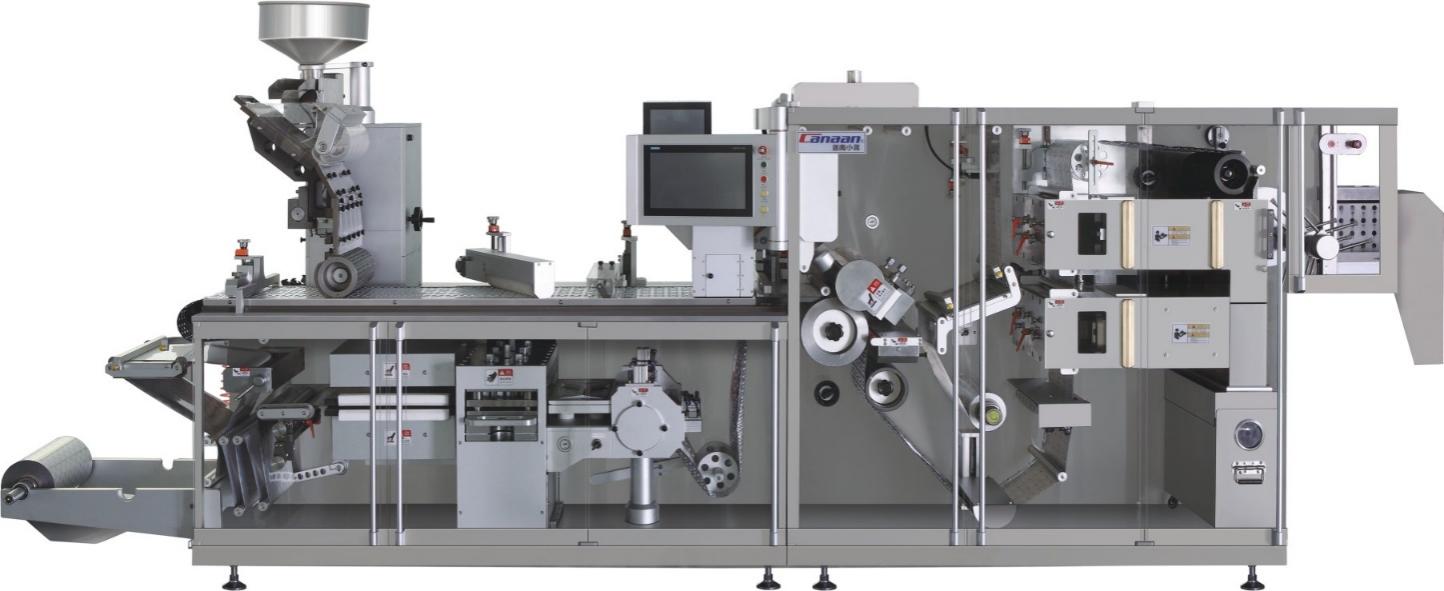
طابق المنتج
For sustained blister production, the important match is between the product, the pack and the complete operating shift.
DPH-380B brings plastic-web forming, product feeding, roller sealing, coding and card cutting into one coordinated process.
- التعامل مع الأجهزة اللوحية
- Select feeding around dimensions, shape, coating, dust and fragility. Include filling, damage and surface-mark checks in the product trial.
- تنسيقات الكبسولة
- A capsule project may use a product-specific feeder and capsule-turning arrangement. Review orientation and fill checks with the actual format.
- مسار المواد
- The detailed DPH-380B process and Alu/Plastic rate apply to the heated plastic-web route. Alu-Alu requires its own cold-form configuration, tooling, material limits and output assessment.
From web to card
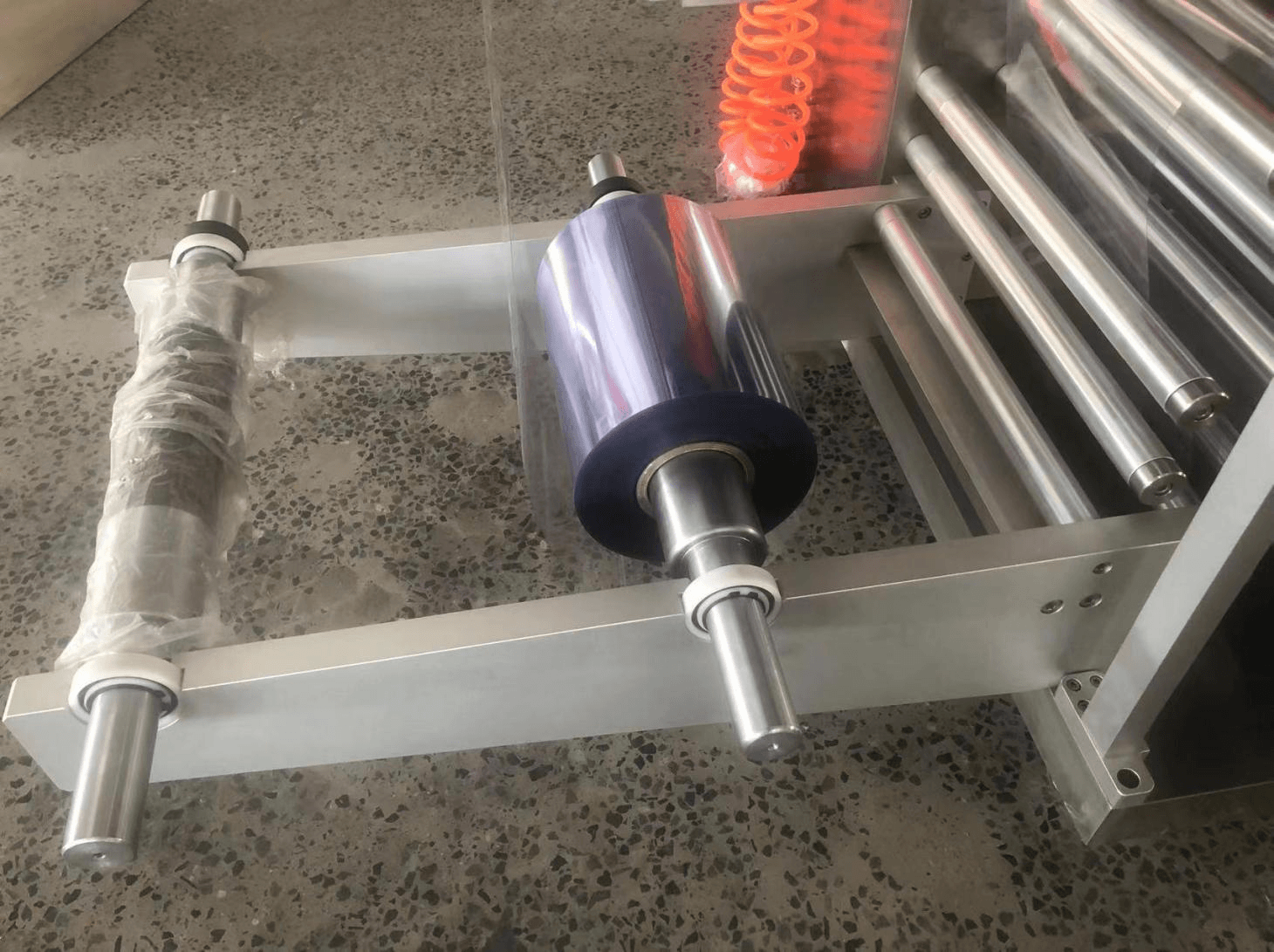
Follow the material through the machine: the plastic web enters before heating, product enters after forming, and PTP lidding foil joins the filled web at sealing.
- استرخِ واستمتع بالدفء
Photoelectric control feeds the plastic web to the heating stage.
- تشكيل التجاويف
Compressed air forms the softened web against the selected cavity tooling.
- قم بتغذية المنتج
The product-matched feeder places tablets or capsules into the formed pockets.
- Apply foil and seal
PTP foil joins the filled web at the roller heat seal.
- Code and punch
Coding, feed pitch and the finished-card cutting layout work together.
- قم بتفريغ البطاقات
Define accepted-card discharge, rejection and transfer to the next machine.
This is the functional Alu/Plastic route, not a scaled machine layout. Inspection positions follow the selected configuration.
For vitamin, mineral and other supplement tablets, review the supplement-tablet project inputs for handling, material compatibility and SKU changes.
مخرجات الخطة المقبولة
The specification lists 40–180 Alu/Plastic blanking cycles/min. Finished-card output also depends on how many cards the tool cuts in each cycle.
Accepted cards/min = accepted cards counted ÷ elapsed test minutes. State whether startup, replenishment and stops are included in that window.
The supplied quotation’s 500–600 cards/min statement covers one format. Compare the agreed product, material and card drawing, then record good cards, rejects, stops, interventions, run duration and the counting point.
For multiple SKUs, include cleaning and changeover in the shift plan. Upstream feeding and downstream restrictions belong in the same capacity review.
Check the card layout
Illustrative inputs—not a demonstrated production result.
Nominal cards/min = cycles/min × finished cards/cycle. Rejects, interruptions and replenishment reduce accepted output. The selected layout must fit the tooling.
Specify the production scope
Define high-speed production as a tested format, not a separate 400 or 600 BPM-labelled configuration. Review tablet breakage or marks, feeding consistency, format parts, coding, inspection and reject confirmation together with upstream and downstream interfaces.
Heat, register, repeat
Heating prepares the plastic web for positive-pressure forming. Photoelectric web control, servo traction and punching coordinate the selected pitch and card layout.
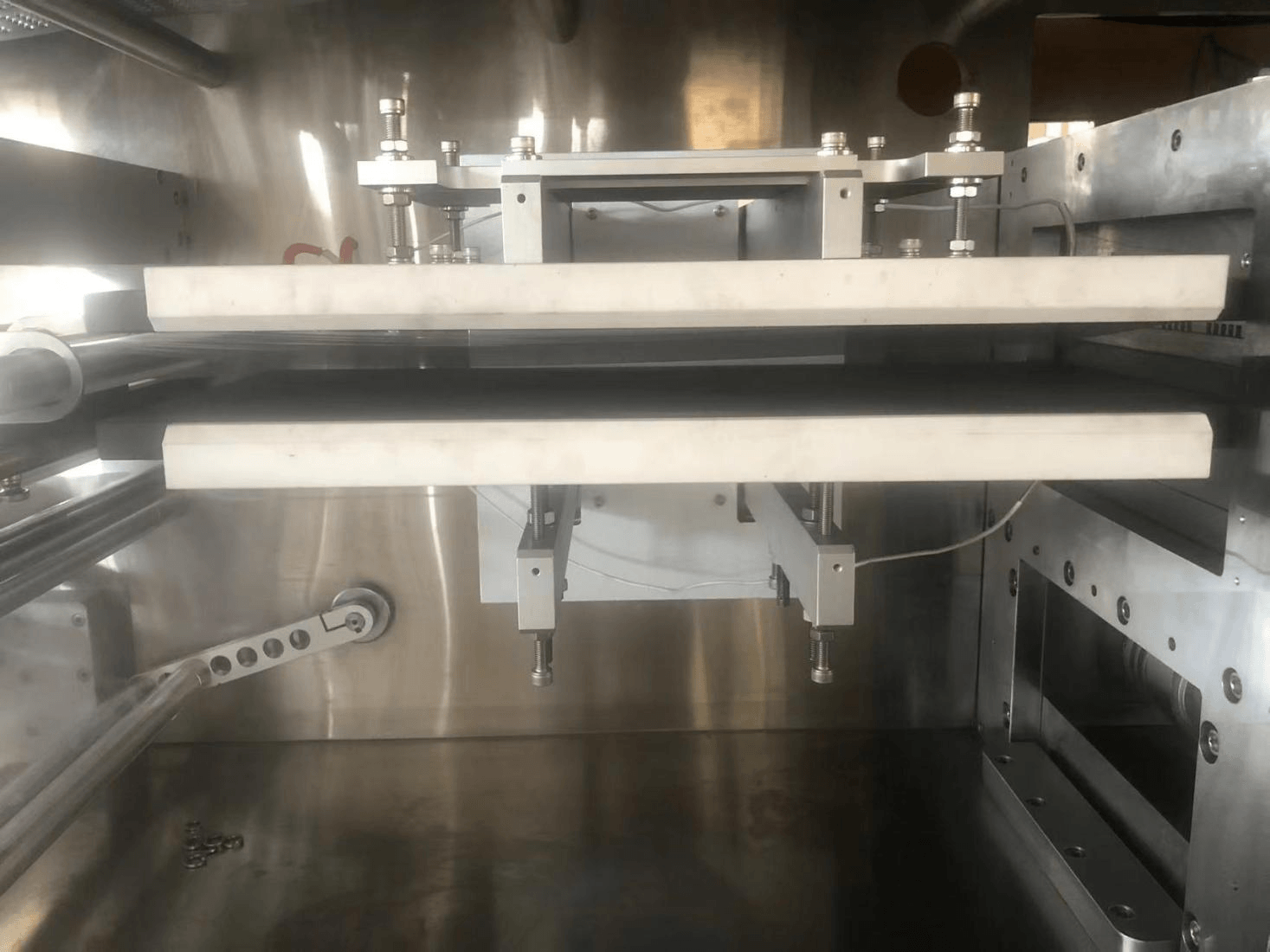
The heating mechanism moves the lower heating plate away during a stop. At sealing, the formed web and foil pass through the heat-sealing and mesh rollers; the documented arrangement includes roller lifting during stops and water-cooled roller tooling.
Define print registration, coding, tooling identification and stop/restart checks for the selected pack.
Shape the right pocket
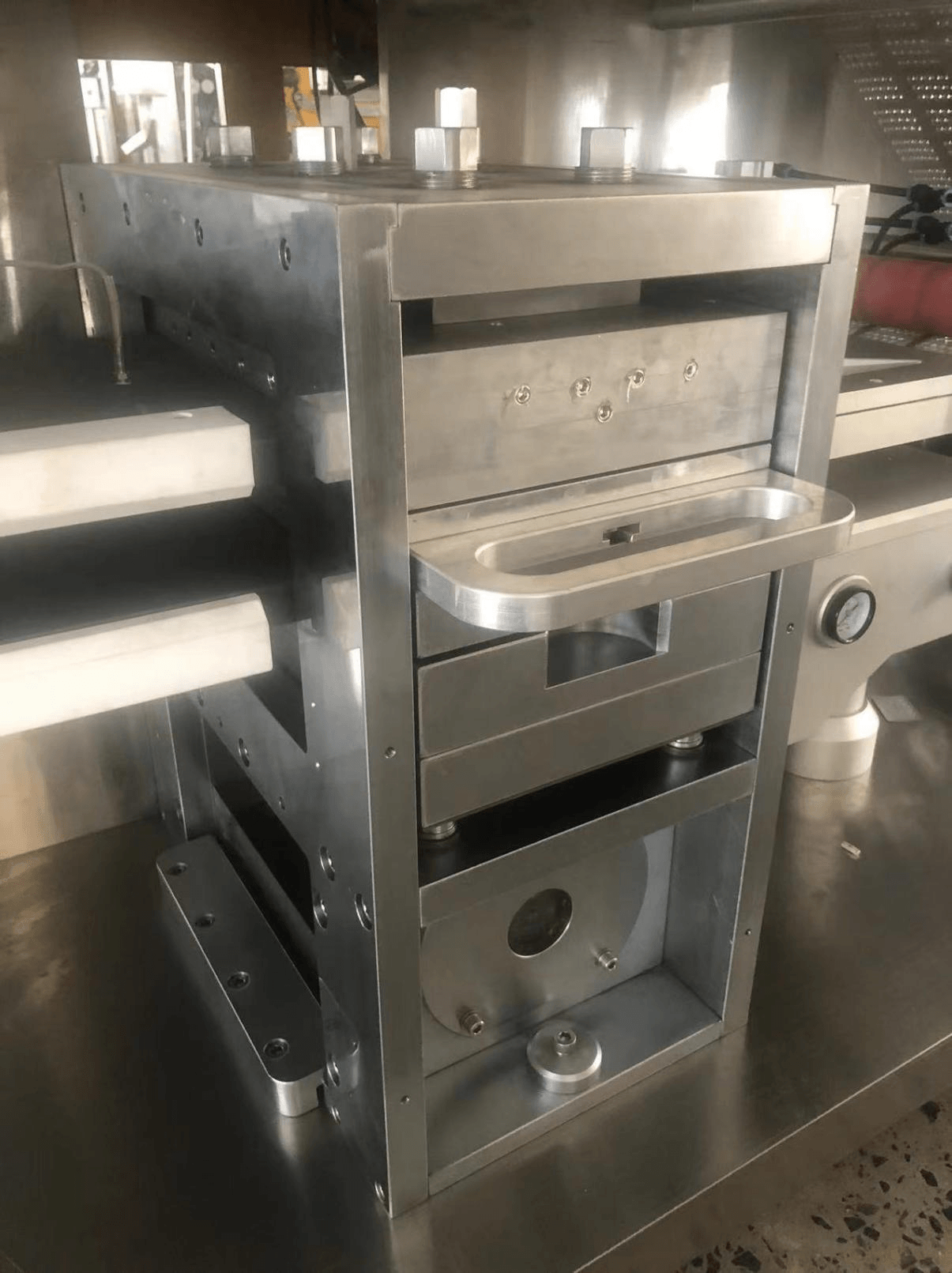
Pocket geometry, product clearance, material behaviour and feed stroke work together. Compressed air forms the heated plastic against the chosen cavity tool.
Forming tools use pressure-plate positioning. Identify the format parts and mechanical changeover sequence, then test startup and return to accepted production with the chosen web.
مواصفات الماكينة
DPH-380B model data provides the starting point for equipment and room planning. The approved format drawing, component schedule and electrical build define the ordered configuration.
- سماكة 380 ملم
- PVC and PTP web-width data
- شنومكس × شنومك مم
- Maximum forming-area data
- سماكة 14 ملم
- Maximum forming-depth data
See all 12 technical specifications
| معدل التشكيل من الألومنيوم/البلاستيك | 40–180 دورة/دقيقة |
|---|---|
| السكتة الدماغية تغذية | 40 – 240 مم |
| أقصى مساحة تشكيل | شنومكس × شنومك مم |
| أقصى عمق تشكيل | سماكة 14 ملم |
| تشكيل قوة التسخين | 2 كيلو واط × 4 |
| قوة التسخين للختم الحراري | 4 كيلو واط |
| قوة المحرك المؤازر | 10.25 كيلو واط |
| Supply / total installed power | 380 فولت / 50 هرتز، ثلاثي الأطوار بخمسة أسلاك؛ 25 كيلوواط |
| تدفق الهواء | 0.6 m³ / min |
| الأبعاد المادية | PVC: 0.25 مم × 380 مم؛ رقائق PTP: 0.02 مم × 380 مم |
| Machine dimensions, with hopper | 5,400 1,380 × × مم 2,100 |
| وزن الجهاز | كجم 4,500 |
خطط للتثبيت
- The 380 mm figure is web width, not forming width. Approve the usable cavity layout, product clearance, web thickness and pocket depth as one format set.
- Power figures are installed ratings, not measured consumption. A 220 V / 60 Hz variant is also listed in the document; specify the electrical build rather than assuming automatic dual-voltage operation.
- Specify air pressure and air quality with the required flow. Add access, services, floor loading, lifting and maintenance clearance to the room plan.
Select controls and checks
The DPH-380B document describes nine-axis servo motion, camera detection, product-recipe parameter storage and independent servo-controlled card discharge/rejection. Build the equipment schedule around the functions your team will use.
Motion and changeover
Define the axis schedule, pitch, tooling identification, stop/recovery behaviour and recipe settings.
واجهة المستخدم ودرجة الحرارة
Specify component models, setpoint access, temperature limits, alarms and restart conditions. The supplied list includes Siemens control/servo hardware and Omron temperature controllers; the final bill of materials identifies the ordered hardware.
الرؤية والرفض
Define the inspection location, target defect set, association with the correct card, reject challenge and count reconciliation.
السجلات والمؤهلات
List permissions, records, exports, software functions, evidence and documentation deliverables. A component brand does not establish these functions.
Accept the complete line
Agree the Factory Acceptance Test before ordering so the trial checks the equipment and functions being purchased.
For a regulated project, review the تكوين الأقراص الدوائية ومتطلبات اختبار القبول النهائي alongside the platform specifications.
تجربة الإنتاج
Record product and material identity, drawing revision, run duration, accepted cards, rejects and stops. Review forming appearance, feeding and seal results using agreed sampling and test methods.
Formats and inspection
Challenge selected detection/rejection functions and ordered format changes. Define whether measured changeover includes cleaning, setup checks and the return to accepted production.
واجهة التعبئة الكرتونية
Set card orientation, stacking, transfer, buffering and cards per carton. Define equipment responsibility boundaries and the connected-line test, not only each machine’s isolated rate.
التوثيق والتسليم
List manuals, drawings, material records, FAT reports and required qualification support. Allocate supplier and site responsibilities in the purchase scope.
Prepare the blister FAT checklist · مراجعة معدات التعبئة الأفقية
أسئلة المشترين
Does each SKU need new tooling?
Do not decide from tablet size alone. Compare pocket geometry, card dimensions, feed pitch, cutting layout and product feeding. Identify which tooling and handling parts change together and which can remain, then include the required format sets in the equipment schedule.
Does a camera prove pack integrity?
No. A camera’s defined detection and rejection checks are separate from tests of the sealed package. Specify the seal and barrier evidence, test method and who performs it alongside the selected camera defect set.
Which jobs remain with operators?
Assign replenishment, changeover and cleaning, setup checks, sampling and alarm response using the proposed layout and automation scope. Connecting a cartoner changes the transfer work; it does not remove the need to define operating responsibilities.
قم بتهيئة مشروعك
Request an itemized DPH-380B proposal covering the format sets, feeding, inspection, coding, controls, utilities and line interfaces.
Compare tooling quantities, spare parts, training, installation and documentation on the same basis. Pricing follows the selected equipment and services, not a fixed public machine price.
An unfinished specification is enough to start a technical discussion.
Request my DPH-380B proposalالمنتج
Tablet or capsule dimensions, photographs and representative samples.
حزمة
Card drawing, cavity count, SKU list and forming/lidding specifications—or the packaging application if materials are not selected.
الناتج
Required accepted cards/min or cards/shift and available production time.
الموقع والوجهة
Room layout, power/frequency, air supply, inspection needs, access route and connected equipment. For overseas projects, add the document language and delivery endpoint; assign site/import assessments and contracted installation responsibilities.