
Pharmaceutical thermoforming line configuration
Thermoforming Blister Packaging Machine
A thermoforming blister machine heats a plastic forming web into product pockets, loads the product and seals it with a compatible lidding material. Plan your HIJ pharmaceutical blister line around the tablet or capsule, pack drawing, material specification and required sustained output.
Tablet & capsule projectsMaterial + tooling reviewDefined acceptance scope

Review the Stations Behind the Pack
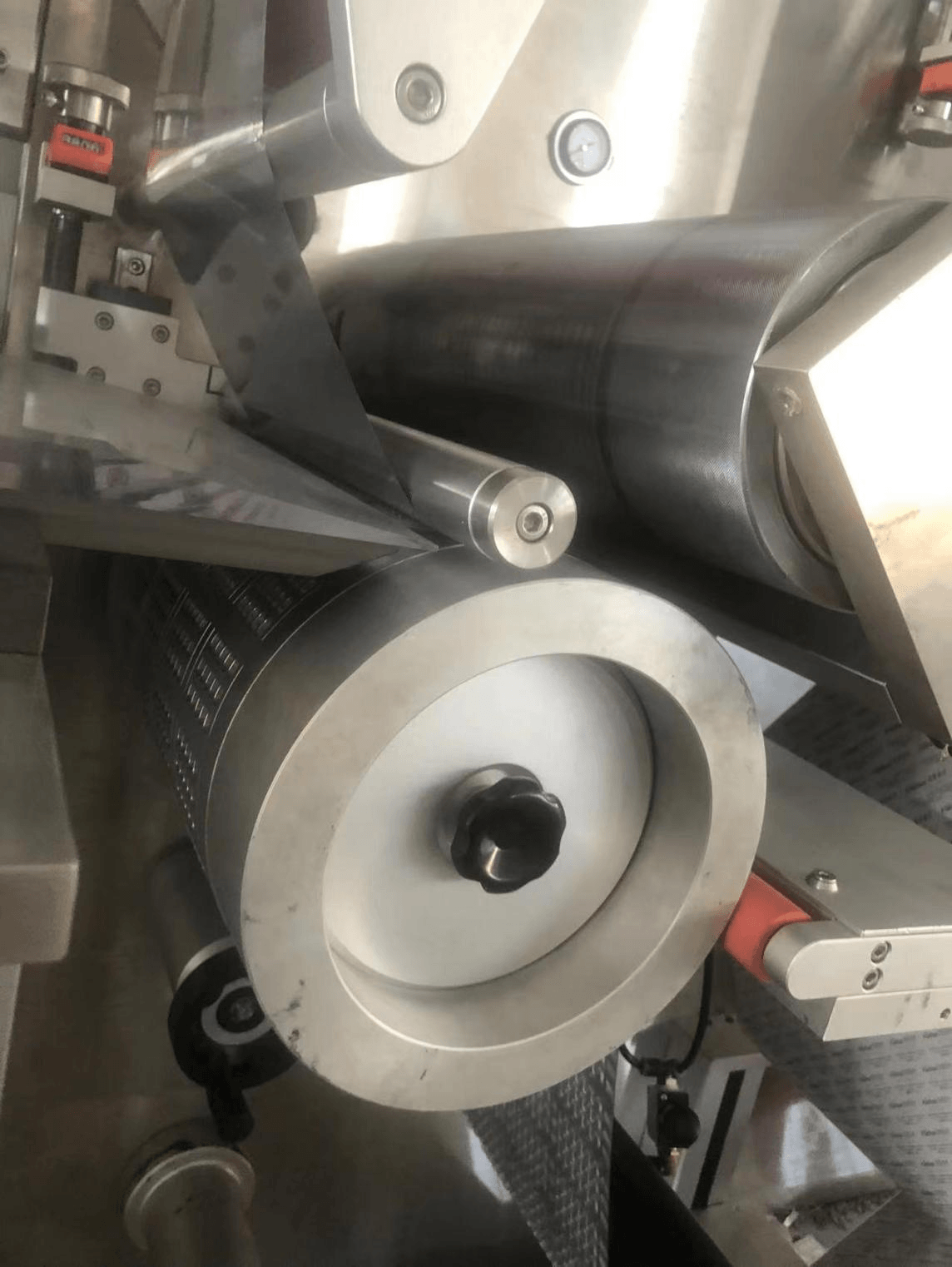
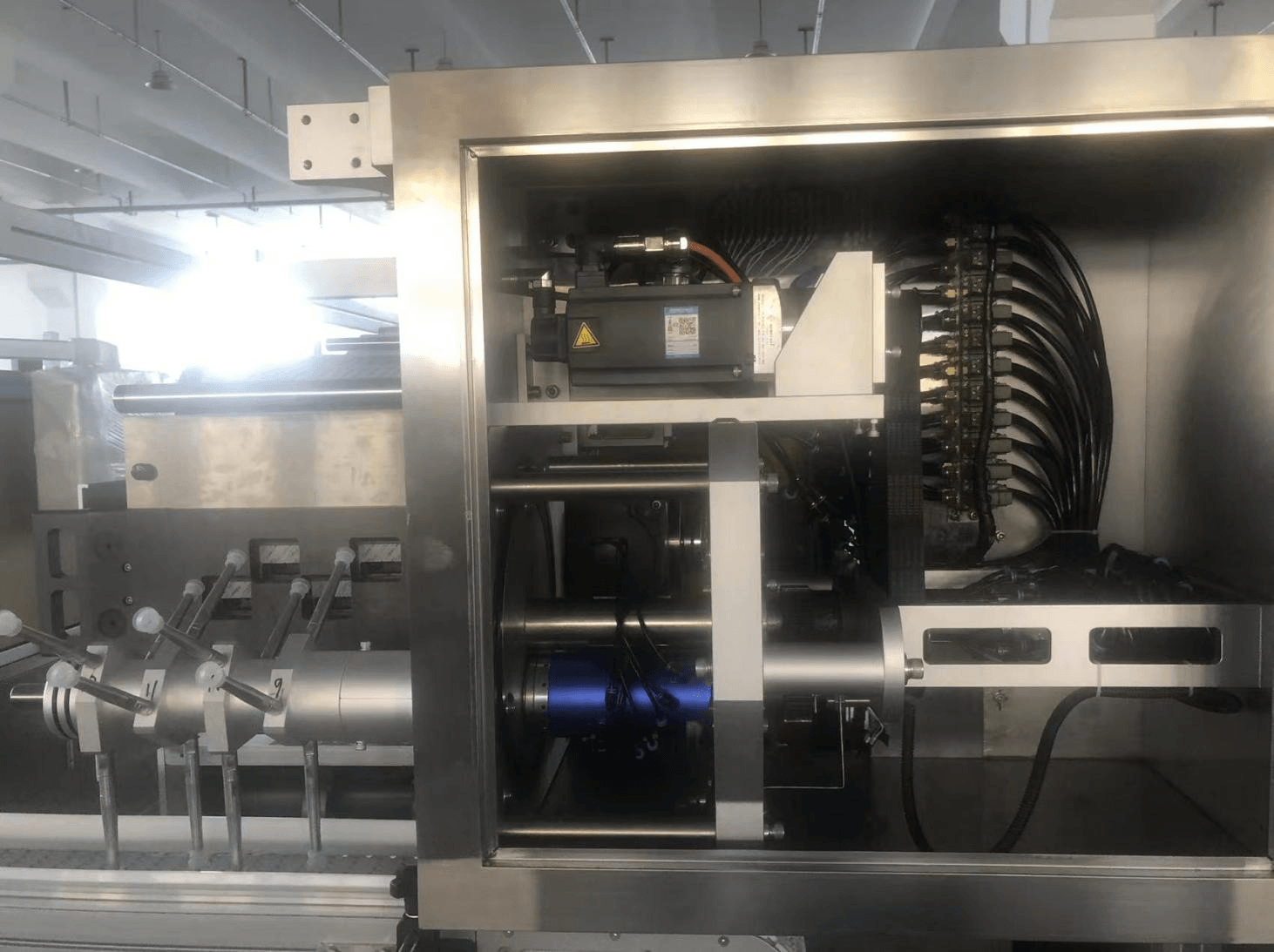
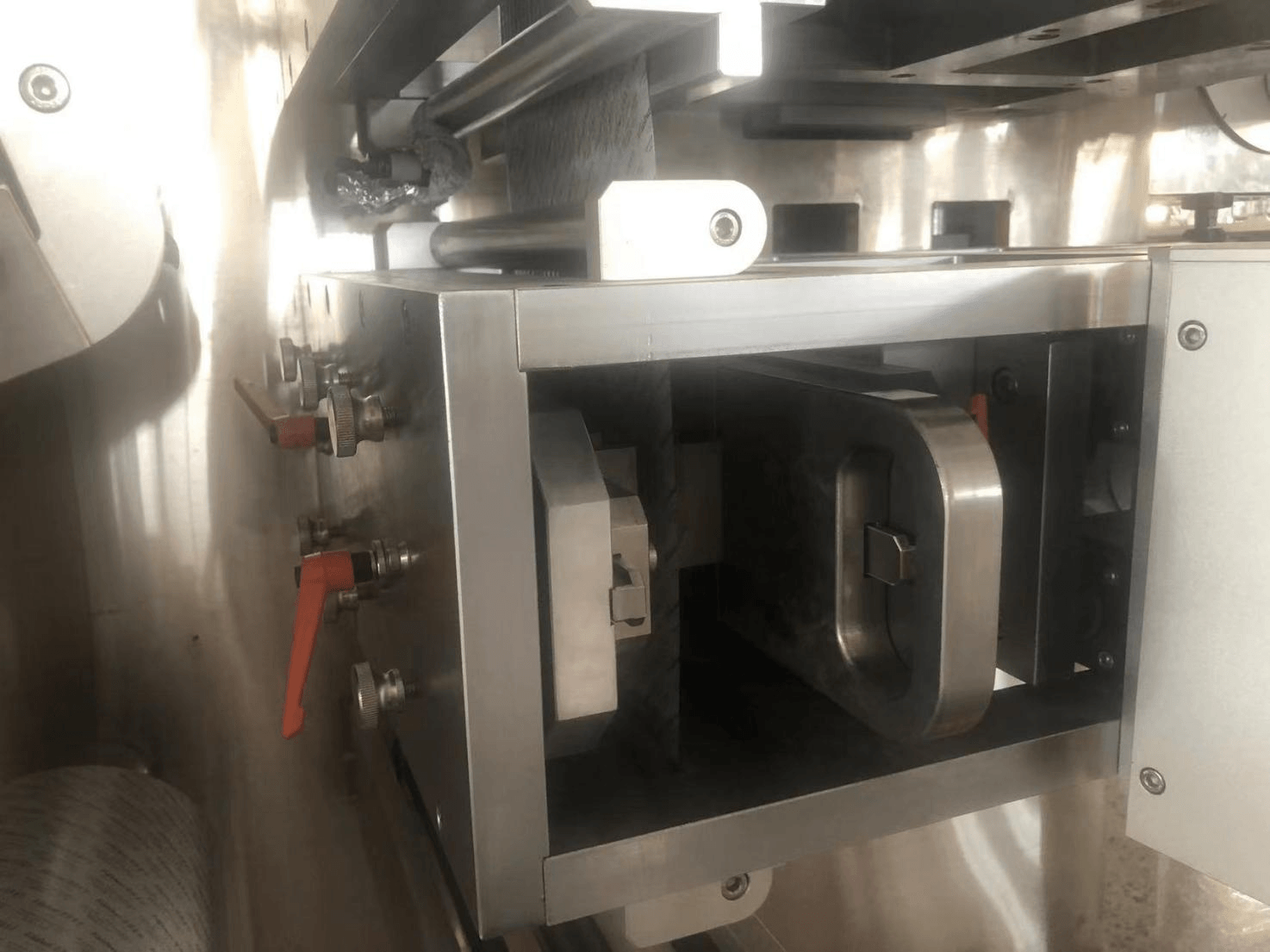
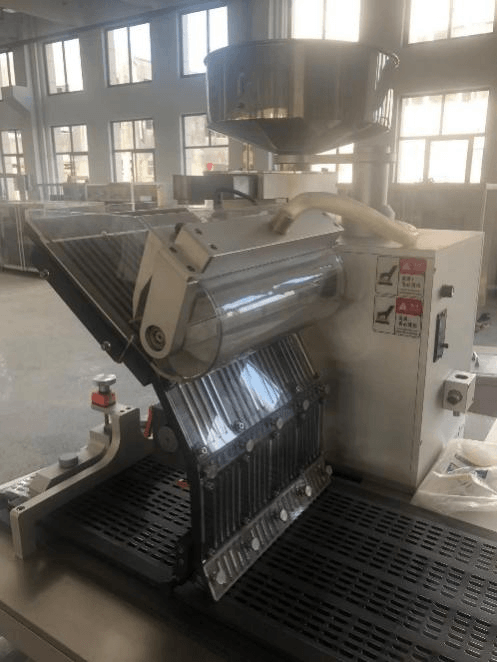
These HIJ machine images help your engineering team identify which forming, feeding, sealing and outfeed details belong in the URS and FAT scope.
Match the Product to the Thermoforming Process
Start with the actual dosage form, not just the machine name. A tablet with a delicate coating, a hard capsule that needs controlled orientation and a deformable softgel can require different feeding and pocket arrangements. Include representative samples in the compatibility review; a common product category does not establish that the same feeder or tooling will work.
Tablets and hard capsulesProvide dimensions, shape, orientation, surface condition and allowable handling damage. Define what counts as a missing, broken or incorrectly positioned product.
Other products and pack typesAsk for a separate assessment for softgels or unusual shapes. Liquid filling, sterile-device packaging and cold-form aluminium packs must not be assumed to be included in a standard solid-dose thermoforming configuration.
A thermoforming blister packaging machine forms cavities in a thermoplastic web, loads the product, seals the lidding material and separates the web into finished packs. The final station layout depends on the approved product, material structure, tooling, inspection strategy and downstream interface.
Condition and form the web
Specify the web structure, thickness and pocket drawing. Review material tracking, heating and forming together so the trial assesses the complete pocket, not only its appearance.
Feed the product
Evaluate actual samples at the agreed production conditions. Check product orientation, pocket filling, damage and access for cleaning; confirm which feeder and detection functions are included.
Apply and seal the lidding
Match the lidding coating to the forming web. Agree the sealing process settings, registration requirements and acceptance method using the proposed production materials.
Inspect and finish the pack
Specify coding, cutting, perforation and downstream transfer. If inspection and rejection are ordered, challenge them with agreed test samples and verify that the affected pack is removed.
Technical background: review how a blister packing machine works.
Build the Machine Around Your URS
HIJ reviews the ordered configuration against your approved requirements. One machine description should not be treated as a universal specification for every product and pack.
Use the blister packing machine URS template guide to structure the enquiry before technical review.
ProductType, dimensions, orientation and handling risks.
PackBlister drawing, cavity layout and opening requirements.
MaterialsForming and lidding structures under evaluation.
OutputTarget sustained output and operating pattern.
ControlsCoding, inspection, rejection and data requirements.
CleaningProduct-contact, access and cleaning expectations.
SiteUtilities, installation environment and destination market.
QualificationFAT, DQ, IQ, OQ and site-service expectations.
Compare finished packs, not just machine cycles
Ask each proposal to state the pack layout and the units used for output. Cycles per minute, blister cards per minute and tablets or capsules per minute are different quantities. A model name is not an output guarantee.
Planning calculation: theoretical cards/min = cycles/min × finished cards per cycle. Product units/min = cards/min × filled pockets per card.
Illustrative example, not a HIJ machine specification: 20 cycles/min × 4 cards/cycle gives 80 cards/min. With 10 filled pockets per card, that is 800 product units/min before stops, rejects and changeovers. Do not use these example values to select a model.
For a useful acceptance target, define good finished cards over an agreed run duration, the actual product and materials, and how stoppages and rejects are counted. Assess shift output separately with the planned cleaning, SKU changes and available operating time.
Resolve Material and Pack Decisions Before Tooling Release
Treat the forming web, lidding material, cavity geometry and sealing window as one packaging system. The approved URS and technical agreement should record the final structures, drawings and acceptance criteria.
Compare available blister forming materials and review the engineering differences between thermoforming and cold-form blister packaging.
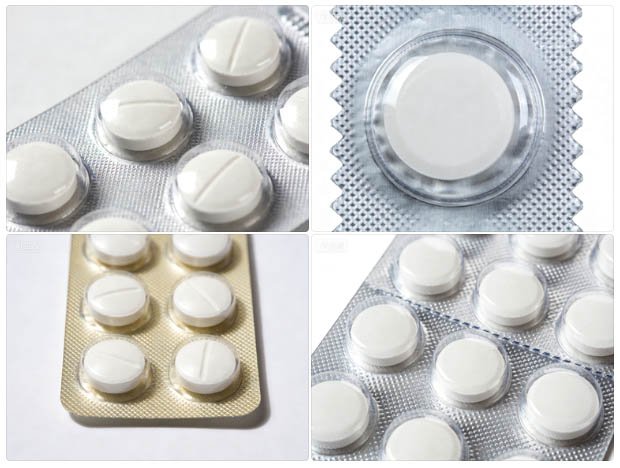
| Decision | Thermoforming project review | Evidence to request |
|---|---|---|
| Barrier requirement | Select the forming and lidding structures from the product's protection requirements. Do not choose by film name alone. | Material specifications and the packaging team's approved stability or protection rationale. |
| PVC or coated / multilayer web | Identify the exact grade, thickness and layer structure, including any PVDC coating or other barrier layer under evaluation. | Supplier data and a trial using the proposed forming and lidding combination. |
| Cavity and opening | Review product clearance, pocket depth, layout, seal area and the intended push-through or peel opening. | An approved drawing and formed, filled and sealed samples assessed to the agreed criteria. |
| Cold-form alternative | If the approved pack requires a cold-form aluminium structure, review that configuration separately. Do not assume a tooling change alone converts a thermoforming line. | Written confirmation of the machine configuration, materials, tooling and trial scope. |
The machine supplier reviews machinability; the product owner's packaging and quality teams approve product protection and shelf-life. No universal shelf-life or material-compatibility claim is made here.
Product protectionDefine moisture, light and handling risks from available stability and packaging data.
Pack geometryConfirm cavity layout, product orientation, opening needs and downstream handling.
Material evaluationProvide the forming and lidding structures under consideration for compatibility review.
Tooling acceptanceAgree drawings, samples, inspection points and FAT acceptance criteria before release.
Keep Equipment Claims Inside the Verified Scope
WHO GMP
GMP applies to the pharmaceutical manufacturer’s quality system and its controls. Your quality team defines the applicable requirements, qualifies the ordered equipment and validates the process. WHO GMP is not blanket certification for an individual blister machine.
FDA 21 CFR Part 11
Part 11 concerns electronic records and electronic signatures within its applicable scope. Requested audit trail, access control, signature and record-retention functions must be defined and tested for the ordered computerized system.
CE marking
CE marking applies to the exact product and conformity-assessment scope. Any statement must match the ordered machine, its technical documentation and the applicable declaration.
Official sources: WHO GMP | FDA Part 11 Scope and Application | European Commission CE marking
Agree the Trial, FAT and Qualification Evidence
A demonstration pack is useful, but it is not a complete acceptance record. Define what the factory acceptance test (FAT) must prove for the ordered configuration before the purchase order.
Use representative inputsIdentify the product, forming web, lidding material and tooling used for the test. Record any substitute materials and what must be repeated with production materials.
Inspect the finished packAgree checks for pocket condition, product placement, seal quality, code legibility, cut registration and opening behaviour. Specify the test method and limits instead of relying on visual approval alone.
Challenge ordered functionsWhere present in the purchased scope, test missing-product detection, code inspection, reject handling, alarms and access controls. Define expected responses and retain the results.
Record output and changeoverMeasure accepted packs over the agreed period. If multiple formats are ordered, agree which changes are demonstrated and record setup, cleaning and restart responsibilities.
Separate machine acceptance from process qualification
DQConfirm that the documented design addresses the approved URS.
IQVerify that the delivered configuration is installed and documented as specified.
OQTest whether the installed equipment operates across the approved test range.
PQConfirm that the customer’s process consistently meets predefined product and pack requirements.
The quotation and technical agreement must identify which protocols, records, tests and site services are included. Review the blister packaging IQ/OQ/PQ validation scope before assigning responsibilities. Final approval remains within the customer’s quality system.
Put Every Deliverable Into the Technical Agreement
Compare quotations using the same scope: machine configuration, format sets, feeding, inspection, documents and site work. Record what HIJ supplies, what your team approves and which evidence is required before shipment and site qualification. Define the blister tooling and format-change scope before tooling release. For an installed machine, use the blister packing machine parts guide to identify the component and prepare the matching references for a replacement enquiry.
- Approved machine configuration and interface list
- Tooling drawings and representative product-pack samples
- Utility, installation and environmental requirements
- Inspection, rejection and data-handling scope
- FAT materials, tests and acceptance criteria
- Agreed manuals, declarations and qualification documents
- Site services, training and responsibility boundaries
Before comparing prices: ask what is included, optional or excluded, and which product or material assumptions the quotation relies on. Confirm price and delivery terms in the dated proposal rather than treating a generic website figure as a commitment.
Thermoforming Blister Machine Buyer Questions
What should we send HIJ for a configuration review?
Send the product type and dimensions, proposed forming and lidding materials, blister layout, target sustained output, inspection needs, utilities, destination market and required qualification-document scope.
Can one thermoforming line pack both tablets and capsules?
That depends on the ordered feeding system, cavity tooling, product geometry and changeover requirements. Provide representative products and pack drawings so HIJ can review the required configuration.
Does WHO GMP certify an individual blister machine?
WHO GMP applies to the pharmaceutical manufacturer’s quality system and its controls. The customer defines applicable requirements, qualifies the ordered equipment and validates the process. The supplier’s document and test scope must be agreed for the project.
Which DQ, IQ, OQ and PQ documents are included?
There is no universal package for every project. The quotation and technical agreement must identify the protocols, records, tests, responsibilities and site services included in the ordered scope.
How should we choose between thermoforming and cold-form packaging?
Use product stability and packaging data to define the required moisture, light and handling protection. Review material structure, cavity geometry, tooling, output and lifecycle requirements before choosing the forming method.
Can the same machine use different forming films?
Do not assume compatibility from the word “plastic.” Send each proposed material specification, thickness, lidding structure and pack drawing. Confirm the required heating, forming, sealing and tooling arrangements through the agreed review or trial before adding the material to the ordered scope.
What determines the thermoforming blister machine price?
Compare the selected machine configuration, feeder, number of pack formats, inspection and rejection functions, controls, integration, test materials, documents and site services. Provide the product and pack requirements so the quotation can state inclusions and exclusions. This page does not publish a fixed price or delivery promise.
Continue the Equipment Review
Compare the wider blister machine range and model-specific project routes before you finalize the URS.
Turn the URS Into an Ordered Machine Scope
Start with your product and dimensions, a pack drawing or sample, proposed materials, required good packs per shift, and installation country. Add inspection and qualification requirements when available. HIJ will use them to identify the configuration questions that must be resolved before a dated technical and commercial proposal.
HIJ Machinery (Wenzhou) is a pharmaceutical packaging machinery manufacturer based in Rui'an, Wenzhou, Zhejiang, China, formerly operating under the TRUSTAR brand. HIJ supplies project-specific documentation and engineers ordered equipment to support each customer’s qualification and validation process.