Liquid or cream filling
Route free-flowing liquids, oils, lotions and creams to a filling platform selected by viscosity, foaming, particulates and container stability.
Cosmetic packaging equipment for B2B production
Select a filling, sealing or integrated packaging route by matching formulation behavior, container geometry, closure, output target, cleaning method, inspection plan and downstream interfaces.

Quick selection answer
Use the primary pack and product behavior to choose the machine family. The final pump, hopper, closing method, inspection and automation level must be tested against actual samples.
Route free-flowing liquids, oils, lotions and creams to a filling platform selected by viscosity, foaming, particulates and container stability.
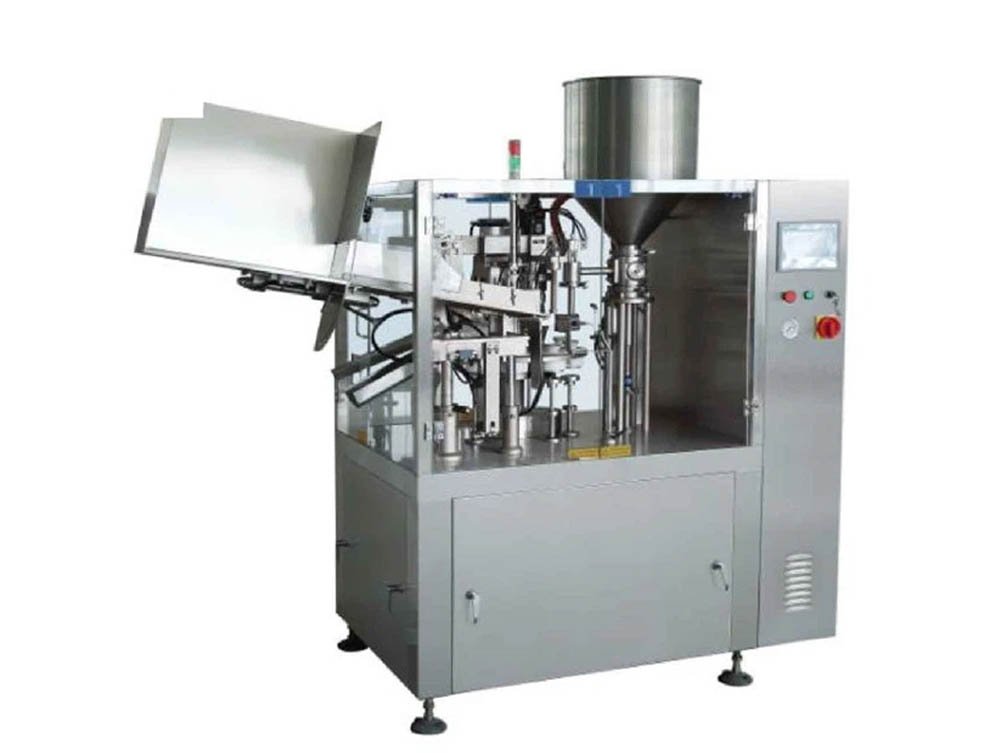
Use a tube filler when the process requires tube loading, registration, dosing, hot-air sealing, trimming, coding and discharge.
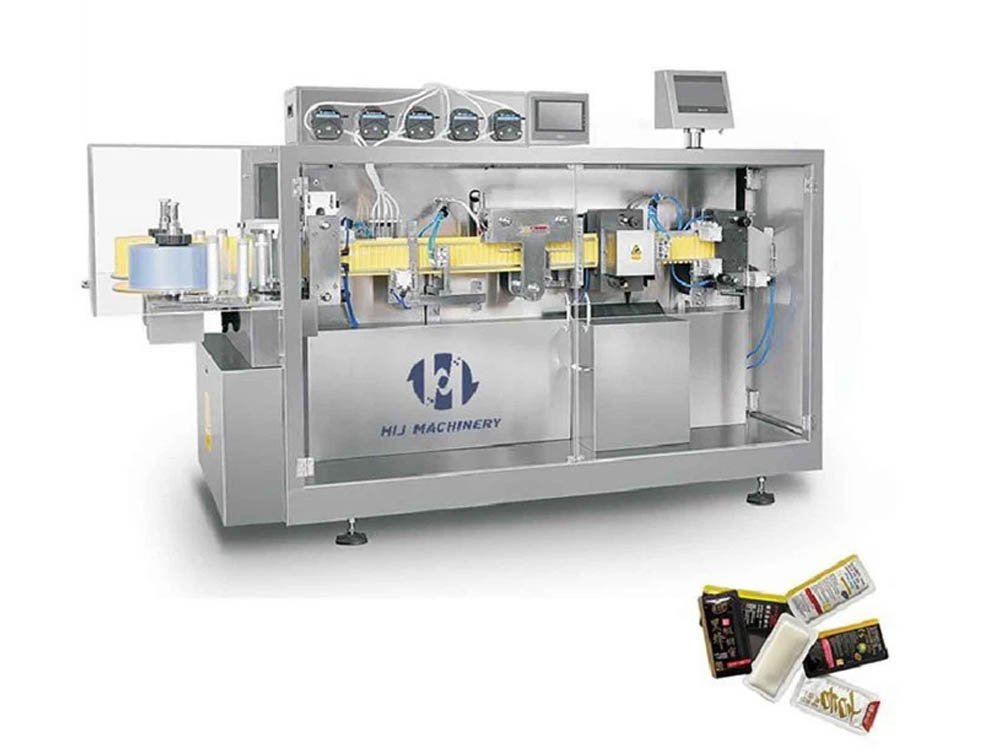
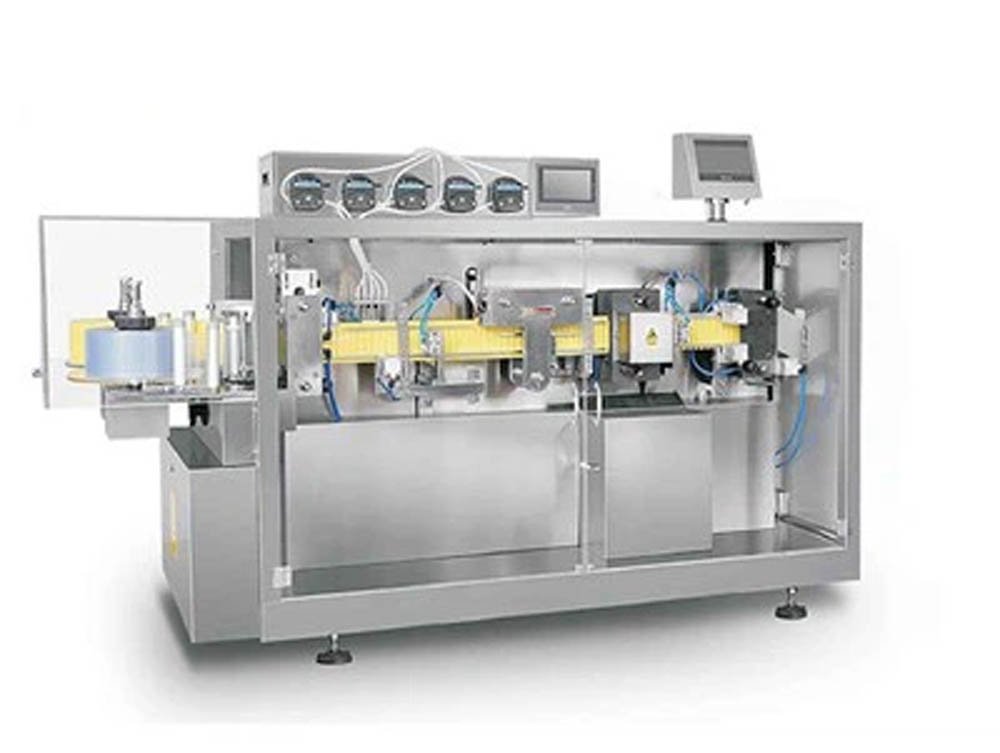
Use a form-fill-seal route when the pack is formed from rollstock, filled, heat sealed and cut into the specified ampoule format.
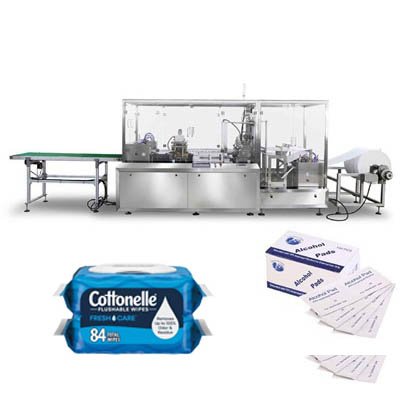
Define web, seal pattern, dose or wipe fold, liquid addition, registration, coding and downstream packing before selecting the platform.
Machine routes
For bottles and jars containing liquids, lotions, creams or oils.
For lower-viscosity products where pump choice, foaming control and container handling govern the line.
For viscous or temperature-sensitive products that may require product feeding, agitation or heating.
For plastic or laminated tubes that require filling, orientation, hot-air sealing and trimming.
For formed unit-dose plastic packs used for serums, treatments and suitable liquids.
For flexible-pack applications where web control, sealing and product presentation define the process.
Documented reference platforms
These figures describe the referenced models in HIJ source documents. They are not universal promises; final performance and configuration depend on the agreed sample and URS.
Product-to-pack matrix
| Buyer input | Why it changes the machine | What HIJ needs to evaluate |
|---|---|---|
| Flow behavior | Free-flowing, foaming, viscous or particle-bearing products require different feeding and dosing approaches. | Product sample, viscosity range, temperature and particulate behavior. |
| Primary container | Bottles, jars, tubes, plastic ampoules, sachets and wipe packs use different handling and closing processes. | Dimensioned drawings plus production samples. |
| Closure and seal | Screw caps, pumps, droppers, tube seals and heat-sealed webs create different torque, heat and inspection requirements. | Closure samples, seal specification and leak-test method. |
| Fill range | A wide fill range can change pump sizing, nozzle design, recipe strategy and change parts. | Nominal fills, tolerances and density for every SKU. |
| Presentation | Print registration, label position, batch coding and cosmetic finish affect sensors and acceptance criteria. | Approved artwork, registration marks and defect limits. |
URS before quotation
Formula family, viscosity range, temperature, foaming, settling and cleaning constraints.
Container, closure, material, drawings, tolerances, artwork and representative samples.
Required sustained production by SKU, not only an unloaded mechanical maximum.
Specified test method, sample size, product conditions and acceptance limits.
SKU matrix, tooling, recipe control, cleaning steps and acceptable downtime.
Presence, level, code, label, seal or closure checks and linked reject logic.
Power, air, water, exhaust, temperature control and available line footprint.
Drawings, manuals, parts lists, certificates, FAT records and qualification support.
Line-level engineering
A cosmetic packaging line can include product feeding, container infeed, dosing, closing, coding, inspection, rejection, labeling, cartoning and case packing. Each transfer point needs an agreed control and recovery method.

Hygiene and changeover
“Easy to clean” and “quick changeover” are not acceptance criteria. Convert both into named parts, documented steps and observable tests.
Identify every hopper, hose, pump, valve and nozzle that contacts product. State removal, access and cleaning method for each part.
List the exact container, closure, fill and artwork changes. Define which parts, settings and recipes change between each pair of SKUs.
During FAT, record the agreed cleaning demonstration and changeover sequence using buyer samples and trained operators.
FAT acceptance plan
Cosmetic packaging knowledge center
Understand which samples, tooling, inspection and documentation inputs change the quoted scope.
Compare manufacturers through documented engineering boundaries and FAT evidence.
Plan the transfer from filled tubes or containers into cartons, including leaflet, coding and inspection needs.
Map skincare products and packaging formats into a coherent line-level requirement.
Review packaging considerations for shampoos, conditioners, oils and treatment products.
Use location pages for local project context without shifting the generic keyword away from this pillar.
Procurement FAQ
It is industrial equipment used to fill, close, seal, code, inspect, label or pack cosmetic and personal-care products. The correct machine family depends on the formulation, primary container, closure and required production process.
Creams and lotions normally require a filling platform chosen around viscosity, temperature, product feeding, foaming and the container or tube. A representative product sample and packaging samples are needed before the pump, hopper and nozzle configuration can be confirmed.
These formats usually require different handling and closing processes. Some filling platforms can cover several bottle or jar sizes with change parts, while tubes normally require a dedicated filling and sealing machine. Define the complete SKU matrix before assuming one platform can run every pack.
Provide product characteristics, fill range, container and closure drawings, samples, target sustained output, utilities, footprint, inspection requirements, changeover expectations and documentation scope.
Compare suppliers using the same product, pack, fill range, operators, run duration and acceptance method. Distinguish sustained finished output from an unloaded mechanical maximum.
FAT should cover the agreed operating sequence, output, fill or dose verification, closing or seal quality, coding, inspection and rejection, alarms, recovery, changeover and the required documentation using the approved sample set.
HIJ Machinery · Wenzhou, China
HIJ evaluates cosmetic packaging projects from the buyer's samples and URS, then defines the machine boundary, change parts, interfaces, inspection scope and FAT criteria for confirmation.