
cGMP-Ready · CE-Marked · ISO 9001 Manufacturing Standard
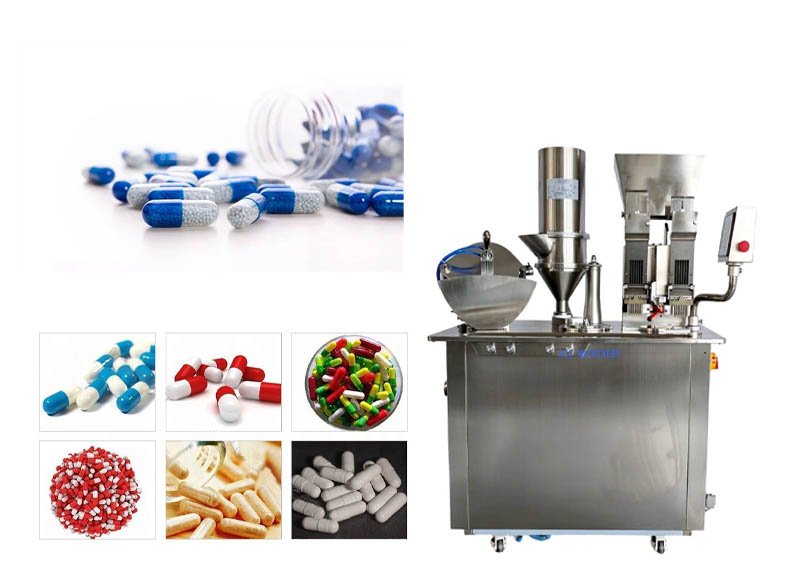
Semi-Automatic Capsule Filling Machine CGN208-D — 20,000 Capsules/Hour
The CGN208-D semi-automatic capsule filler bridges the gap between manual capsule boards and fully automatic lines. Three-inverter variable speed control, 304/316L stainless steel construction, and capsule sizes 00#–4# — starting from US$9,500 with vacuum pump and one mold set included.
20,000/hrMax output for powder & granule filling
00#–4#Capsule sizes with quick-change mold sets
US$9,500+Transparent factory pricing, vacuum pump included

Home › Capsule Filling Machines › Semi-Automatic Capsule Filling Machine
What Is a Semi-Automatic Capsule Filling Machine?
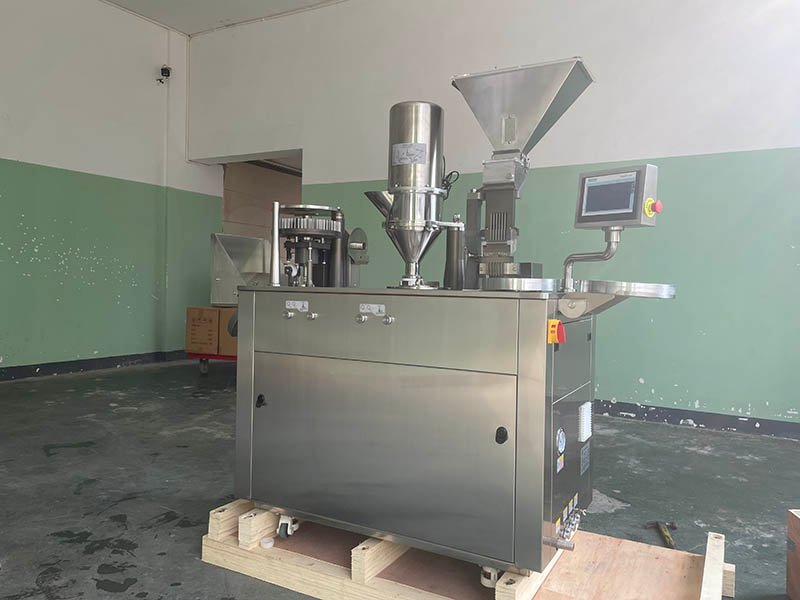
A semi-automatic capsule filling machine is a capsule production system that automates the three core stations — empty capsule feeding, powder dosing, and capsule closing — while an operator manually transfers capsule tooling plates between stations. The HIJ CGN208-D fills up to 20,000 capsules per hour in sizes 00# to 4#, uses three independent inverters to control the capsule feeding turret, powder feeding turret, and dosing auger, and costs from US$9,500 — roughly one-third the investment of an entry-level fully automatic capsule filler. It is the standard choice for nutraceutical startups, pharmacies, R&D labs, and pharma plants producing 20,000–150,000 capsules per day.
Key Takeaways
- Output: up to 20,000 capsules/hour for powder and granule formulations
- Capsule sizes: 00#–4#, with one mold set included and extra sets at US$2,000
- Price: from US$9,500 including water-cycle vacuum pump (reference factory price)
- Control: three inverters independently regulate feeding turret, powder turret, and auger speed
- Construction: 304 stainless steel body and work table; cGMP-ready hygienic design
- Best fit: batches too large for manual boards, too small to justify a US$30,000+ automatic line
- Add-on: JFP-110A capsule polisher & sorter (US$3,500) for dust-free, cGMP-ready finishing
- Delivery: ~25 working days ex-factory; installation, training and 12-month warranty included
Live Production Demo
Watch the Semi-Automatic Capsule Filler Complete a Full Cycle
From empty capsule feeding and orientation, through auger powder dosing, to closing and ejection — see how one operator runs the CGN208-D at roughly 330 capsules per minute in real production conditions.
Why Upgrade From Manual Filling
Manual Capsule Boards Are Costing You Quality, Compliance and Contracts
If your team still fills capsules with manual boards or 187/400-hole encapsulation trays, three problems compound every day:
1
Inconsistent Fill Weight
Manual tamping produces batch-to-batch weight variation that fails USP weight-uniformity testing. One rejected batch of a 100,000-capsule order can erase a month of margin — and a failed audit costs far more.
2
Output Ceiling Around 5,000/Day
A skilled operator with manual boards tops out near 3,000–5,000 capsules per shift. You physically cannot accept larger contracts, and labor cost per capsule keeps climbing.
3
Impossible to Validate
Open-tray manual processes are extremely difficult to document for cGMP purposes. Auditors expect defined machine parameters, cleanable stainless surfaces, and repeatable dosing — none of which manual boards provide.
The CGN208-D Fix: Inverter-Controlled Auger Dosing
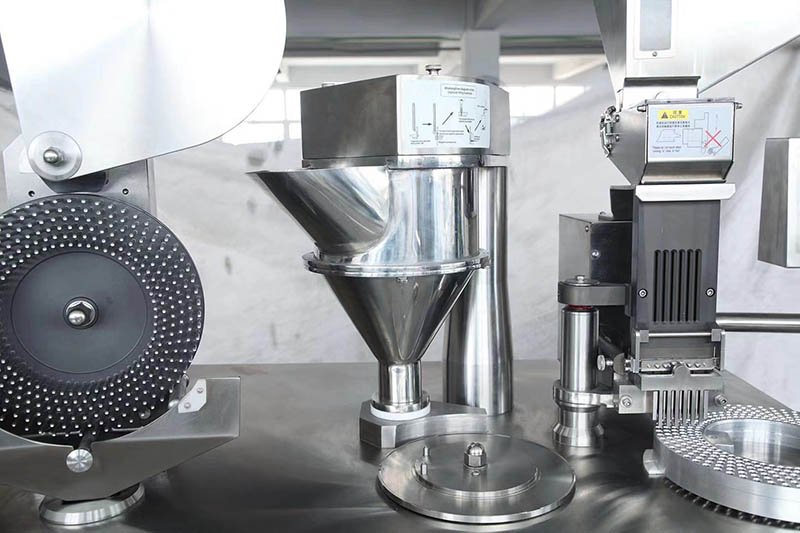
The powder feeding turret and dosing auger each run on an independent inverter, so you tune powder flow to your formulation's density and repeat the exact same setting on every batch. The stainless steel body and work table, plus an enlarged auxiliary feeding hopper that connects directly to a vacuum feeder, keep the process closed, cleanable, and audit-friendly.
Discuss Your Formulation With Our Engineers
How It Works
How a Semi-Automatic Capsule Filling Machine Works: 4 Steps
The CGN208-D runs three automated stations — capsule feeding, powder dosing, capsule closing — with an operator transferring tooling plates between them. One trained operator sustains roughly 330 capsules per minute.
1Step 1 of 4
Empty Capsule Feeding & Orientation
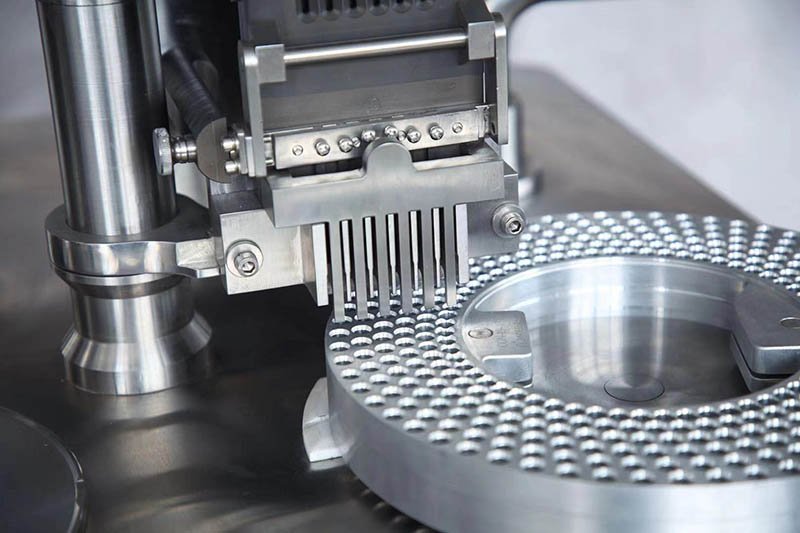
Empty capsules are loaded into the feeding hopper. The inverter-controlled capsule feeding turret orients each capsule body-down, separates caps from bodies, and seats the bodies into the tooling plate.
- Automatic orientation — no manual sorting
- Independent inverter tunes turret speed to capsule size
- Handles gelatin, HPMC and pullulan capsules, sizes 00#–4#
2Step 2 of 4
Auger Powder Dosing
The operator moves the plate to the powder station. The dosing auger, driven by its own inverter, delivers powder or granules into each capsule body at a flow rate matched to your formulation's bulk density.
- Auger speed adjustment = repeatable fill-weight control
- Enlarged auxiliary hopper connects to vacuum feeders for closed transfer
- Suitable for pharmaceutical and nutraceutical powders and granules
3Step 3 of 4
Capsule Closing & Locking
At the closing station, caps and bodies are rejoined under consistent mechanical pressure, producing a fully locked capsule without dents or splits.
- Uniform closure force across the entire plate
- Locked-ring engagement for tamper-evident capsules
- Gentle handling minimizes capsule damage and rework
4Step 4 of 4
Ejection, Polishing & Downstream Packaging
Filled capsules eject into the collection tray. Pair the machine with the JFP-110A polisher & sorter to remove dust and reject empty or lightweight capsules automatically before blister packing or bottling.
- Quick-access collection tray
- JFP-110A sorts out low-weight, empty and damaged capsules in-line
- Ready for blister, bottle or sachet packaging integration
Competitive Advantages
Why Buyers in 30+ Countries Choose the CGN208-D Semi-Automatic Capsule Filler
Engineered for pharmaceutical hygiene standards, priced for growing businesses.
01Triple-Inverter Speed Control
Three independent inverters control the capsule feeding turret, powder feeding turret, and dosing auger. Each parameter is dialed to your formulation and repeated identically batch after batch — the foundation of consistent fill weight and simple operator training.
02cGMP-Ready Stainless Construction
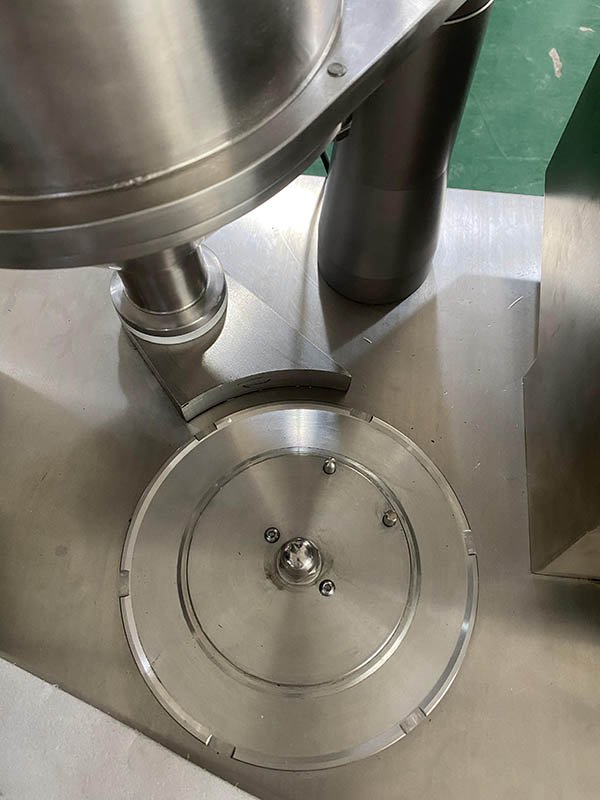
Machine body and working table are stainless steel; powder-contact parts disassemble quickly for cleaning between products. The hygienic design conforms to the sanitary requirements of the pharmaceutical and nutraceutical industries and supports your cleaning validation.
03Quick-Change Molds, Sizes 00#–4#
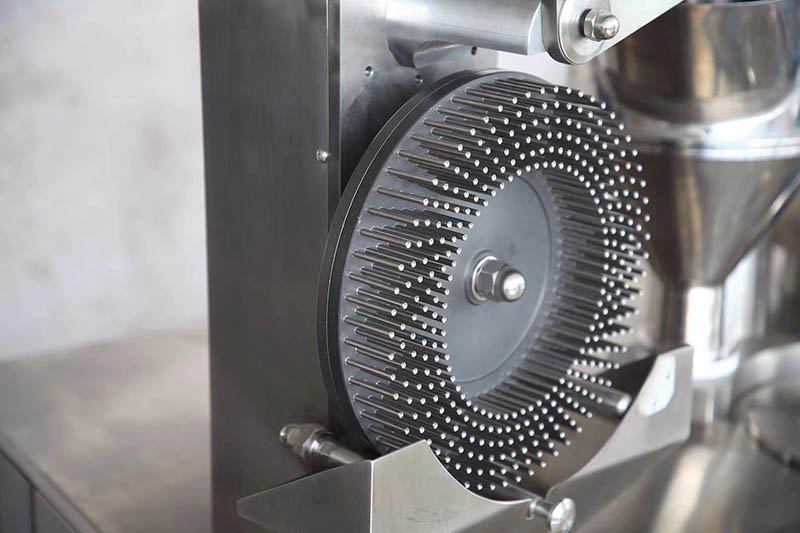
One mold set (size 00# standard) ships with the machine; additional size sets are US$2,000 each. A trained operator completes a size changeover in well under an hour, letting one machine serve multiple SKUs and contract-manufacturing clients.
04Vacuum-Feeder-Ready Hopper
The enlarged auxiliary feeding hopper connects directly to a vacuum powder feeder, keeping powder transfer closed from container to capsule. Less airborne dust, less operator exposure, easier compliance with your facility's containment procedures.
Detailed Data Sheet
Semi-Automatic Capsule Filling Machine Specifications (CGN208-D)
Verified factory specifications. Non-standard voltages available on request.
| Parameter | Specification |
|---|---|
| Model | CGN208-D Semi-Automatic Capsule Filling Machine |
| Max. Output | 20,000 capsules/hour |
| Capsule Sizes | 00#, 0#, 1#, 2#, 3#, 4# (dedicated mold set per size) |
| Dosage Type | Powder and granule material |
| Speed Control | 3 independent inverters (capsule turret / powder turret / dosing auger) |
| Power Supply | 380V ±10%, 50/60 Hz, 3-phase, 2.21 kW (non-standard voltages on request) |
| Machine Size | 1290 × 685 × 1600 mm · Net weight 330 kg |
| Packing Size | 1300 × 1150 × 1700 mm seaworthy wooden case · Gross weight 560 kg |
| Construction | Stainless steel machine body and working table; cGMP-ready hygienic design |
| Standard Inclusions | Water-cycle vacuum pump + one mold set (size 00#) |
| Delivery | ~25 working days after advance payment; loading from any Chinese seaport |
| Warranty | 12 months free spare parts from machine arrival; lifetime maintenance support |
How Much Does a Semi-Automatic Capsule Filling Machine Cost?
We publish real factory reference pricing so you can budget before you even contact us:
US$9,500CGN208-D machine, including water-cycle vacuum pump and one capsule mold set (size 00#)
US$2,000Extra capsule mold set per additional size (00#–4#)
US$3,500JFP-110A capsule polishing & sorting machine with 2 brushes and dust collector
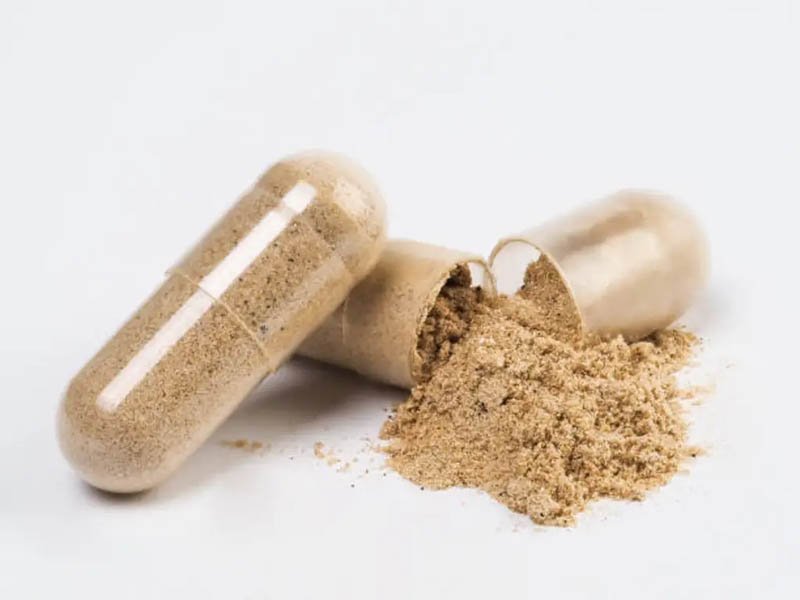
Recommended Add-On: JFP-110A Capsule Polisher & Sorter
Connects in-line to the CGN208-D outlet to polish, de-dust and automatically reject low-weight, empty and damaged capsules at up to 300,000 capsules/hour throughput — closing the quality gap that manual sorting leaves open.
- Automatic rejection of empty bodies, scraps and loose pieces
- Stainless steel polishing chamber, quick-detach brush and bearing for washdown
- Compressed air: 250 L/min at 0.3 MPa; vacuum retrieval of recovered powder
- Height- and angle-adjustable — pairs with any capsule filling machine
Which Type Do You Need?
Manual vs Semi-Automatic vs Automatic Capsule Filling Machine
The three technology tiers compared on the numbers that decide the purchase: output, labor, investment, and compliance readiness.
| Criteria | Manual Capsule Board | Semi-Automatic (CGN208-D) | Automatic (NJP Series) |
|---|---|---|---|
| Output | 3,000–5,000 capsules/shift | Up to 20,000 capsules/hour | 72,000–200,000+ capsules/hour |
| Typical Investment | US$100–1,000 | From US$9,500 | From ~US$30,000 |
| Operators Needed | 1–2, fully hands-on | 1 operator moves plates between stations | 1 operator supervises; machine runs unattended cycles |
| Fill-Weight Consistency | Operator-dependent; high variation | Inverter-set auger dosing; repeatable batch to batch | Tamping-pin dosing with tightest weight control |
| Capsule Sizes | One board per size | 00#–4# via quick-change molds | 000#–5# via change parts |
| cGMP Audit Readiness | Very difficult to document | Stainless construction, defined parameters, documentation support | Full documentation support incl. enclosed dosing zone |
| Footprint & Utilities | Tabletop | 1.29 × 0.69 m, 2.21 kW, 380V 3-phase | ~2–3 m² plus vacuum system, 4–8 kW |
| Best For | Home use, tiny R&D trials | Startups, pharmacies, CMOs at 20k–150k capsules/day | Commercial pharma production at 500k+ capsules/day |
Rule of thumb: if you fill more than ~20,000 capsules per day, a manual board is already costing you more in labor and rejects than the CGN208-D's US$9,500 price. If you consistently need more than ~150,000 capsules per day, step up to our automatic capsule filling machine (NJP-1200) — many customers run the CGN208-D as their validation and small-batch machine alongside it. Not sure about sizing? Read the capsule filling machine size selection guide.
Versatile Applications
Who Uses the CGN208-D Semi-Automatic Capsule Filler?
Powder and granule capsule production across four buyer profiles in pharmaceutical, nutraceutical and compounding settings.

Nutraceutical & Supplement Startups
The most common CGN208-D buyer: brands moving from contract manufacturing to in-house production of vitamins, herbal powders and protein blends.
- Break-even vs co-packing typically within the first 200,000–400,000 capsules
- Handles diverse bulk densities via auger speed adjustment
- Grows with you — add molds instead of replacing the machine

Pharmaceutical R&D and Pilot Batches
Formulation development and scale-up work where a full automatic line is overkill but manual boards can't produce representative samples.
- Small-batch capability from a few hundred capsules
- Fast cleaning between formulations
- Machine parameters transfer to production-scale documentation
Clinical Trial & CMO Batches
Consistent small-to-medium batches for early-phase trials and contract manufacturing, backed by our documentation support for your IQ/OQ/PQ validation.
- Repeatable inverter settings recorded per batch
- Material certificates for product-contact parts
- Validation remains your responsibility — we supply the documentation package
Hospital & Compounding Pharmacies
Specialized medication preparation where dose consistency and cleanability matter more than raw speed.
- Stainless steel surfaces suit cleanroom environments
- Quick disassembly of powder-contact parts for washdown
- Compact 1.29 × 0.69 m footprint fits pharmacy prep rooms
Forester's Insight
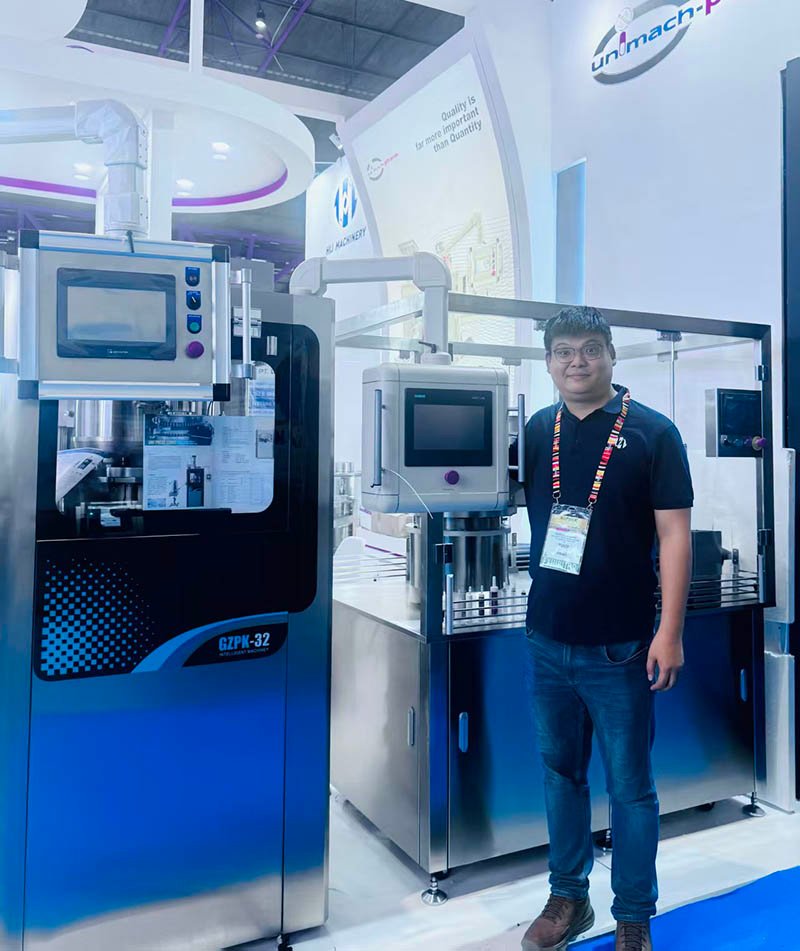
Forester Xiang · Founder & Chief Engineer, HIJ Machinery · 20+ years, 100+ facility audits in 30+ countriesIn 2021 we shipped a CGN208-D configuration CIF to Jakarta for an Indonesian food-processing group entering the nutraceutical market. Their first question was the same one I hear everywhere: "Why not go straight to an automatic machine?" I told them what I tell everyone: buy for the batches you have signed, not the batches you hope for. Their launch volume was 60,000 capsules a day — the CGN208-D covered that in a single shift with one operator, and the US$20,000 they didn't spend on an automatic line paid for their JFP-110A polisher, a second mold set, and most of their first year of raw material.
The mistake I see most often is the opposite one: buyers who stay on manual boards too long. Once you pass roughly 20,000 capsules a day, manual filling quietly costs more in labor and rejected batches than this machine's entire purchase price within the first year. Run the math before your competitors do.
About HIJ Machinery — Semi-Automatic Capsule Filling Machine Manufacturer
HIJ Machinery (legal name: Wenzhou Trustar Machinery Technology Co., Ltd), founded in 2004 and headquartered at Xinhu Mansion, Rui'an City, Wenzhou, Zhejiang Province, China, is a manufacturer of pharmaceutical and packaging machinery including capsule filling machines, blister packing machines, cartoning machines, and complete turnkey packaging lines for the pharmaceutical, nutraceutical, cosmetic and food industries.
The CGN208-D semi-automatic capsule filling machine is manufactured to ISO 9001 manufacturing standard, is CE-marked, and features a cGMP-ready hygienic design with stainless steel construction. Equipment qualification and validation (DQ/IQ/OQ/PQ) remain the purchasing company's responsibility; HIJ Machinery provides the supporting documentation package including drawings, material certificates and FAT records.
Technical content on this page is authored and reviewed by Forester Xiang, Founder & Chief Engineer of HIJ Machinery, drawing on 20+ years of capsule filling and packaging machinery engineering and 100+ pharmaceutical facility audits across 30+ countries. Contact: +86 138 6882 2120 (phone/WhatsApp) or via the contact page.
Technical Q&A
Semi-Automatic Capsule Filling Machine FAQ
Answers from 20+ years of capsule filling machinery engineering.
How much does a semi-automatic capsule filling machine cost?
The HIJ CGN208-D semi-automatic capsule filling machine costs from US$9,500 ex-factory, including a water-cycle vacuum pump and one capsule mold set (size 00#). Extra mold sets for other capsule sizes cost US$2,000 each, and the optional JFP-110A capsule polishing and sorting machine costs US$3,500. Sea freight is typically around US$1,500 per crate depending on destination. Payment terms are 50% T/T advance and 50% before delivery.
How many capsules per hour can a semi-automatic capsule filling machine fill?
The CGN208-D fills up to 20,000 capsules per hour with powder or granule formulations, equivalent to roughly 330 capsules per minute or about 160,000 capsules in one 8-hour shift with a single trained operator. Actual throughput depends on capsule size, powder flow characteristics, and operator proficiency in moving tooling plates between the three stations.
Which capsule sizes does the CGN208-D handle?
The CGN208-D handles capsule sizes 00#, 0#, 1#, 2#, 3#, and 4#, using a dedicated mold set for each size. One mold set (size 00# as standard) is included with the machine, and additional size sets cost US$2,000 each. It works with gelatin, HPMC (vegetarian), and pullulan capsules. A trained operator completes a size changeover in well under an hour.
What materials can this machine fill — can it fill liquids?
The CGN208-D is designed for powder and granule materials, including pharmaceutical APIs with excipients, herbal powders, vitamin blends, and nutraceutical formulations. It is not designed for liquid filling. For oils and liquid formulations, use our dedicated liquid capsule filling machine, which uses pump dosing and a capsule band-sealing process instead of auger dosing.
Is the semi-automatic capsule filling machine GMP certified?
No machine is "GMP certified" — GMP certification applies to manufacturing facilities and processes, not to equipment. The CGN208-D features a cGMP-ready design: stainless steel machine body and working table, quick-disassembly powder-contact parts for cleaning, and defined, repeatable inverter parameters. The machine is CE-marked and built to ISO 9001 manufacturing standard. Qualification and validation (DQ/IQ/OQ/PQ) at your site remain your responsibility; HIJ provides the supporting documentation package including drawings, material certificates, and FAT records.
How is a semi-automatic capsule filler different from an automatic one?
A semi-automatic machine automates capsule feeding, powder dosing, and capsule closing, but an operator manually transfers the tooling plates between stations, giving up to 20,000 capsules per hour from around US$9,500. A fully automatic machine such as the NJP series performs the entire cycle in one enclosed turret without plate handling, reaching 72,000 to 200,000+ capsules per hour from roughly US$30,000. The crossover point is typically around 150,000 capsules per day of sustained demand.
What utilities and installation space does the machine require?
The CGN208-D measures 1290 × 685 × 1600 mm, weighs 330 kg net, and requires a 380V ±10%, 50/60 Hz, 3-phase supply drawing 2.21 kW; non-standard voltages are available on request. It ships in a seaworthy wooden case of 1300 × 1150 × 1700 mm at 560 kg gross weight. Installation and commissioning support and operator training are available, and delivery is approximately 25 working days after the advance payment.
What warranty and after-sales support does HIJ provide?
Every CGN208-D includes a 12-month warranty starting from the machine's arrival, with free replacement spare parts for quality-related failures shipped within 10 days by courier, plus lifetime maintenance support. Spare parts for the first year are provided free. HIJ also offers remote technical assistance, changeover training videos, and on-site technician dispatch when required.
Related Capsule Filling Resources
Capsule Filling Machines
Buying Guides
Get Your CGN208-D Factory Quote Within 24 Hours
Tell us your daily capsule volume, formulation type and capsule sizes. Forester's engineering team will confirm your configuration, mold sizes, voltage, and a complete CIF price to your port — with installation, training and 12-month warranty included.
20,000/hrMax Output
US$9,500+Transparent Pricing
25 DaysEx-Factory Delivery
12 MonthsWarranty + Lifetime Support