


⭐ TRUSTED BY 100+ PHARMA & NUTRA FACTORIES IN 30+ COUNTRIES
Capsule Blister Packing Machine: DPP-260 Precision Without the European Price Tag
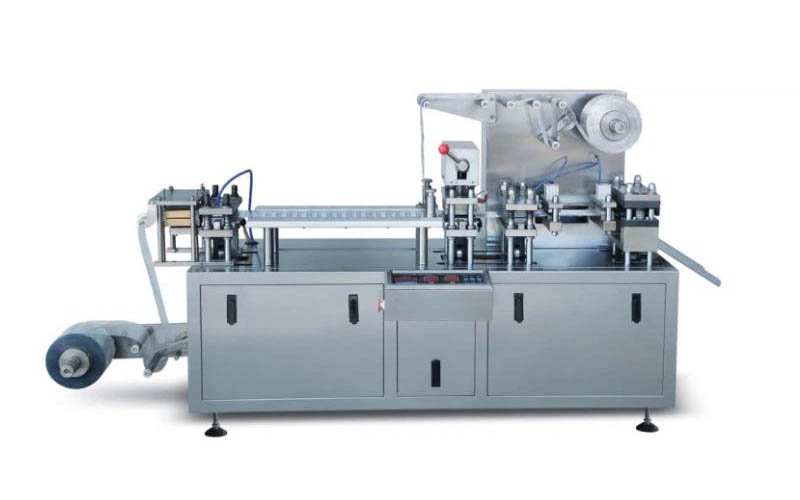
The DPP-260 delivers reliable PVC, PVDC and Alu-Alu blister packaging for size 000–5 hard gelatin, HPMC and softgel capsules — engineered under ISO 9001 manufacturing standards with a cGMP-ready design, and backed by Forester Xiang's 20+ years of pharmaceutical machinery experience.
- ✓ Capacity: up to 24,000 capsules/hour
- ✓ Materials: PVC, PVDC, PVC/PE & cold-form Alu-Alu
- ✓ Capsule sizes: #000 to #5, gelatin, HPMC & softgel
- ✓ Documentation: full DQ/IQ/OQ/PQ support for your validation program
QUICK ANSWER
What is a capsule blister packing machine?
A capsule blister packing machine is pharmaceutical packaging equipment that forms cavities in PVC, PVDC or aluminum film, automatically feeds capsules into each cavity, heat-seals an aluminum lidding foil over them, then prints batch codes and die-cuts finished blister cards. HIJ Machinery's DPP-260 flat-plate capsule blister machine packs size #000–5 gelatin, HPMC and softgel capsules at up to 24,000 capsules/hour, handles both thermoform (PVC/PVDC) and cold-form Alu-Alu films, and ships with complete DQ/IQ/OQ/PQ documentation to support the customer's own GMP validation program. Typical FOB price ranges from a compact entry model to a fully optioned line with vision inspection.
KEY TAKEAWAYS
- Output: DPP-260 runs up to 24,000 capsules/hour with a 99.9%+ feeding accuracy target on size #000–5 capsules.
- Materials: One machine covers PVC, PVDC and cold-form Alu-Alu — no second machine needed for moisture-sensitive capsules.
- Changeover: Quick-release tooling switches capsule sizes in about 25–30 minutes.
- Compliance: cGMP-ready design, CE-marked, built under ISO 9001 manufacturing standards; SUS316L product-contact parts.
- Validation: Full DQ/IQ/OQ/PQ protocol package and FAT/SAT support are supplied as documentation for your own validation program.
- Support: 24-hour global technical response, spare parts shipped within 48 hours from Wenzhou, 3-year limited warranty.
Stop Compromising on Your Capsule Packaging. Start Winning.
Four problems that quietly drain capsule manufacturers — and how the DPP-260 is engineered to solve each one.
Inconsistent Sealing?
Independent PID temperature control across heating and sealing stations eliminates the cold spots that cause failed leak-test results during your GMP audits.
Slow Changeovers?
Switching from size #0 to #00 capsules takes about 25–30 minutes with quick-release format tooling — many conventional machines need 90+ minutes.
Validation Paperwork Pain?
Every machine ships with a complete DQ/IQ/OQ/PQ documentation package, material certificates and audit-trail-capable controls — organized to support your own WHO GMP, cGMP or EU GMP validation program.
Unreliable Support?
Forester's engineering team answers technical inquiries within 24 hours worldwide, and critical spare parts ship within 48 hours from our Wenzhou warehouse.
See the DPP-260 Capsule Blister Packing Machine in Operation
Watch the complete cycle: film forming, capsule feeding, heat sealing, batch coding and die-cutting — one fully integrated, cGMP-ready process.
HOW IT WORKS — 5 STATIONS
DPP-260 Key Operations at a Glance
- 1. Film Forming: Heated flat-plate station forms uniform blister cavities in PVC/PVDC, or cold-forms Alu-Alu laminate.
- 2. Capsule Feeding: Soft-touch vibrating feeder places size #000–5 capsules into cavities with high accuracy and no jams.
- 3. Heat Sealing: Independent dual-zone PID control seals aluminum lidding foil at a stable, uniform temperature.
- 4. Coding & Embossing: Inline batch/lot coding and embossing for traceability requirements.
- 5. Die-Cutting & Waste: Precision punching of finished blister cards with automatic scrap-web rewinding.
Key Features That Deliver Long-Term Value
The engineering details that separate HIJ from commodity machines — and keep your line running for decades.
Servo Drive & Precision Cam Indexing
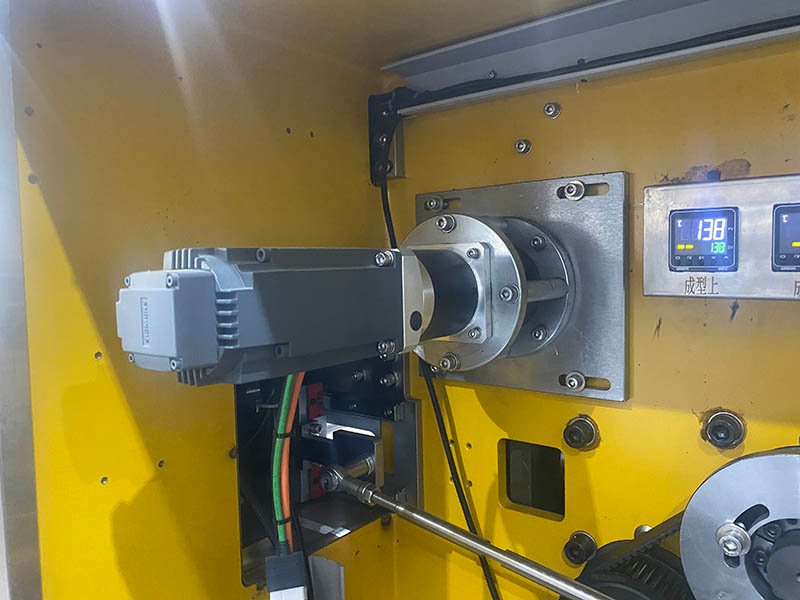
Servo-driven film indexing with hardened cam mechanisms keeps registration accurate across millions of cycles, with quiet operation under 75 dB.
Dual-Zone PID Sealing Station
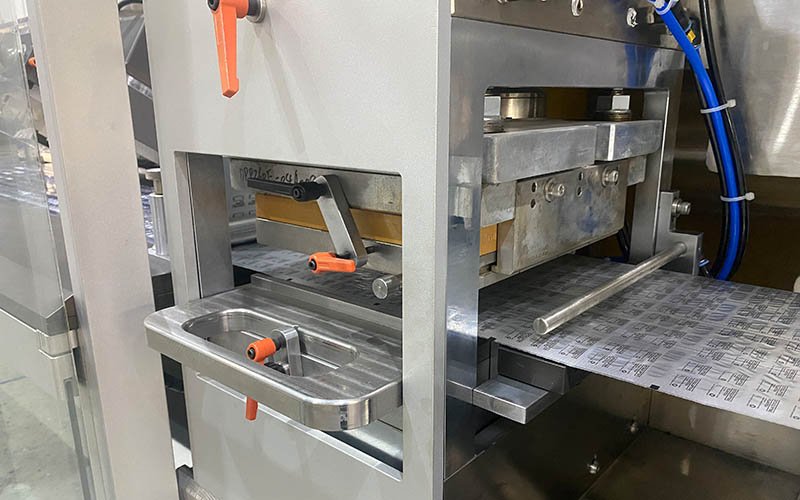
Independent temperature control on heating and sealing plates produces consistent, leak-tight seals across the full 260 mm film width — batch after batch.
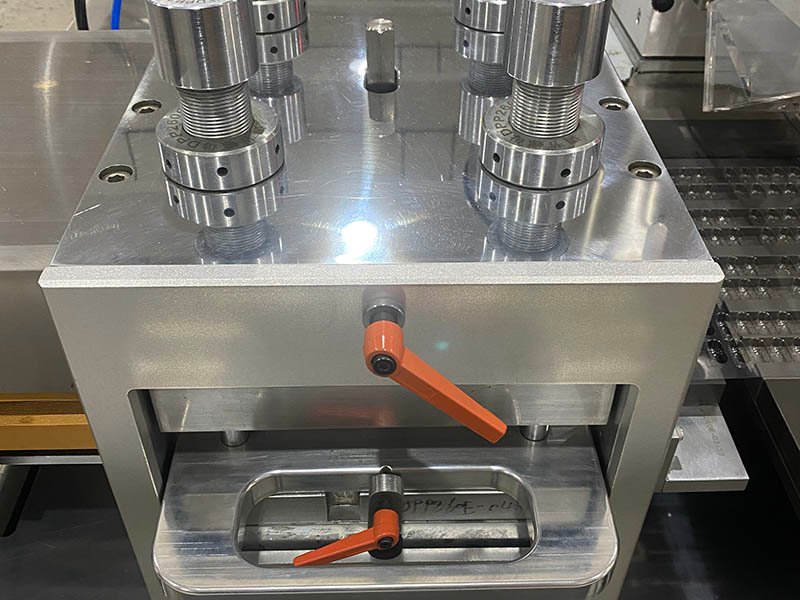
Quick-Release Format Tooling
Self-locating mold positioning lets one operator change capsule sizes in about 25–30 minutes — maximizing uptime on multi-SKU production schedules.
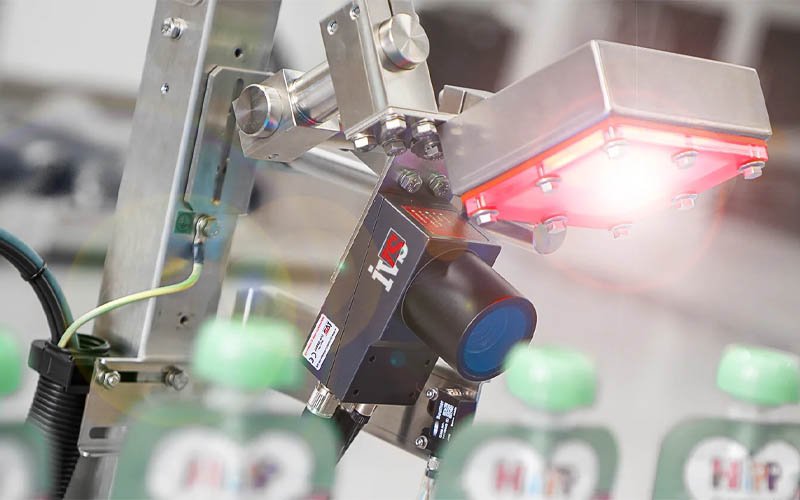
Optional Vision Inspection & Rejection
Camera inspection detects empty, broken or mis-fed capsules and automatically rejects defective blisters before cartoning — protecting your brand and your audit record.
DPP-260 Capsule Blister Packing Machine — Technical Specifications
Complete parameters for production planning, URS drafting and facility layout.
| PRODUCTION CAPACITY | |
| Punching Frequency | 10–35 cycles/min |
| Capsule Output | Up to 24,000 capsules/hour (varies with capsule size and layout) |
| Capsule Sizes | #000, #00, #0, #1, #2, #3, #4, #5 — hard gelatin, HPMC, softgel |
| Max Forming Area / Depth | 240 × 150 mm; up to 26 mm forming depth |
| PACKAGING MATERIALS | |
| Forming Film (Base) | PVC 0.15–0.50 mm; PVDC 0.15–0.30 mm; Alu-Alu laminate 0.06–0.12 mm |
| Lidding Film | Aluminum foil 0.02–0.03 mm; paper/PE composite |
| Max Film Width | 260 mm (10.2") |
| Sealing Method | Flat-plate heat sealing with independent PID temperature control |
| Product-Contact Parts | SUS316L stainless steel |
| ELECTRICAL & UTILITIES | |
| Power Supply | 380V / 50Hz, 3-phase (220V / 60Hz customizable) |
| Total Power | 12 kW |
| Compressed Air | 0.4–0.6 MPa, approx. 300 L/min |
| Control System | Siemens PLC + 10" color HMI touchscreen; audit-trail-capable, 21 CFR Part 11-ready configuration available |
| DIMENSIONS & WEIGHT | |
| Machine Dimensions (L×W×H) | 3450 × 760 × 1650 mm |
| Net Weight | Approx. 2,500 kg |
| QUALITY & DOCUMENTATION | |
| Design & Build | cGMP-ready design; CE-marked; manufactured under ISO 9001 standards |
| Validation Documentation | Full DQ/IQ/OQ/PQ protocols, FAT/SAT support, O&M manuals — supplied to support the customer's own validation program |
Need a Custom Configuration or a Full Turnkey Line?
From capsule filling and polishing to blister packing and cartoning — our engineers design complete lines around your product and budget.
Get Free Turnkey Quote & Expert ConsultationOne Machine, Every Capsule Format
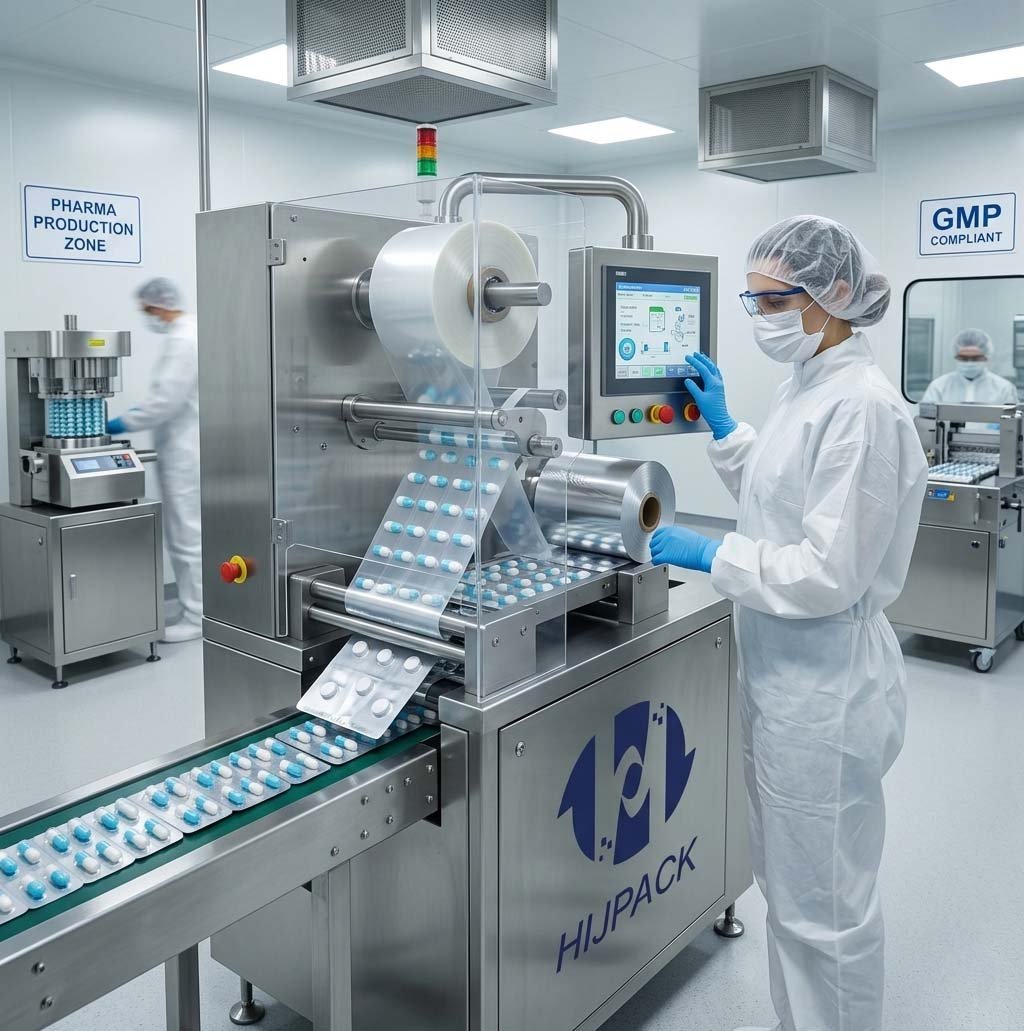
From standard gelatin capsules to moisture-sensitive probiotics, the DPP-260 adapts to your full product portfolio.
Ideal For:
💊
Hard Gelatin & HPMC Capsules — all sizes #000 to #5, including vegetarian and delayed-release shells.
🟠
Softgels — fish oil, vitamin E and specialty formulations requiring gentle feeding and moisture protection.
🦠
Probiotics & Hygroscopic APIs — cold-form Alu-Alu blisters block essentially all moisture and light transmission.
⚪
Tablets & Custom Shapes — round, oval and oblong tablets up to 26 mm forming depth on the same machine.
🍬
Nutraceuticals & Gummies — supplements and functional confections for retail-ready blister cards.
Material Capabilities: Standard PVC to High-Barrier Alu-Alu
Match the film to your capsule's stability data, market climate and regulatory requirements.
PVC
The everyday standard. Excellent clarity for product visibility; ideal for stable, non-hygroscopic capsules with moderate shelf-life requirements.
MOST ECONOMICAL
PVDC
Enhanced moisture and oxygen barrier over standard PVC — the practical choice for humid, tropical markets and extended shelf life.
ENHANCED PROTECTION
Alu-Alu (Cold-Form)
The premium barrier for light- and moisture-sensitive capsules — probiotics, hormones, antibiotics — with near-zero moisture vapor transmission.
MAXIMUM BARRIER
Not Sure Which Film Fits Your Capsule?
Send us your stability data — our packaging engineers will recommend the optimal film combination for shelf life and cost. For a deep dive, read our PVC vs PVDC vs Alu-Alu film selection guide.
Request Material Compatibility AnalysisHIJ DPP-260 vs. European Capsule Blister Machines
Honest comparison — where we match the European brands, and where we openly differ.
| Factor | HIJ DPP-260 | Typical European Machine |
|---|---|---|
| Investment | Roughly 1/3 to 1/5 of the European equivalent | Premium pricing plus high-cost service contracts |
| Lead Time | Typically 45–60 days ex-works | Often 6–12 months |
| Core Components | Siemens PLC, international-brand servo, pneumatic and sensor components | Comparable international-brand components |
| Validation Documentation | Full DQ/IQ/OQ/PQ package supporting your validation program | Full package, often billed separately |
| Spare Parts | 48-hour dispatch, lifetime supply guarantee | Reliable but significantly more expensive |
| Best For | Growing pharma/nutra manufacturers and CMOs in emerging and cost-sensitive markets | Big-pharma facilities with unconstrained capex |
Want the full analysis? Read our Chinese vs European blister machine comparison.
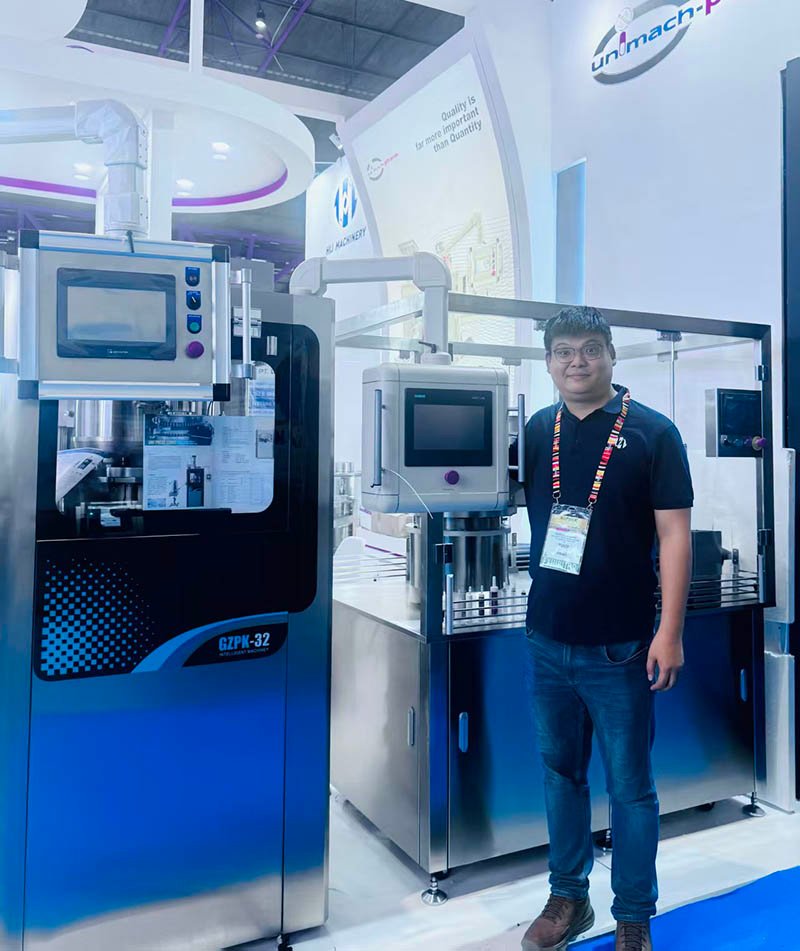
Forester Xiang
Founder & Chief Engineer
20+ years · 100+ facility audits · 30+ countries
20+ years · 100+ facility audits · 30+ countries
FORESTER'S INSIGHT
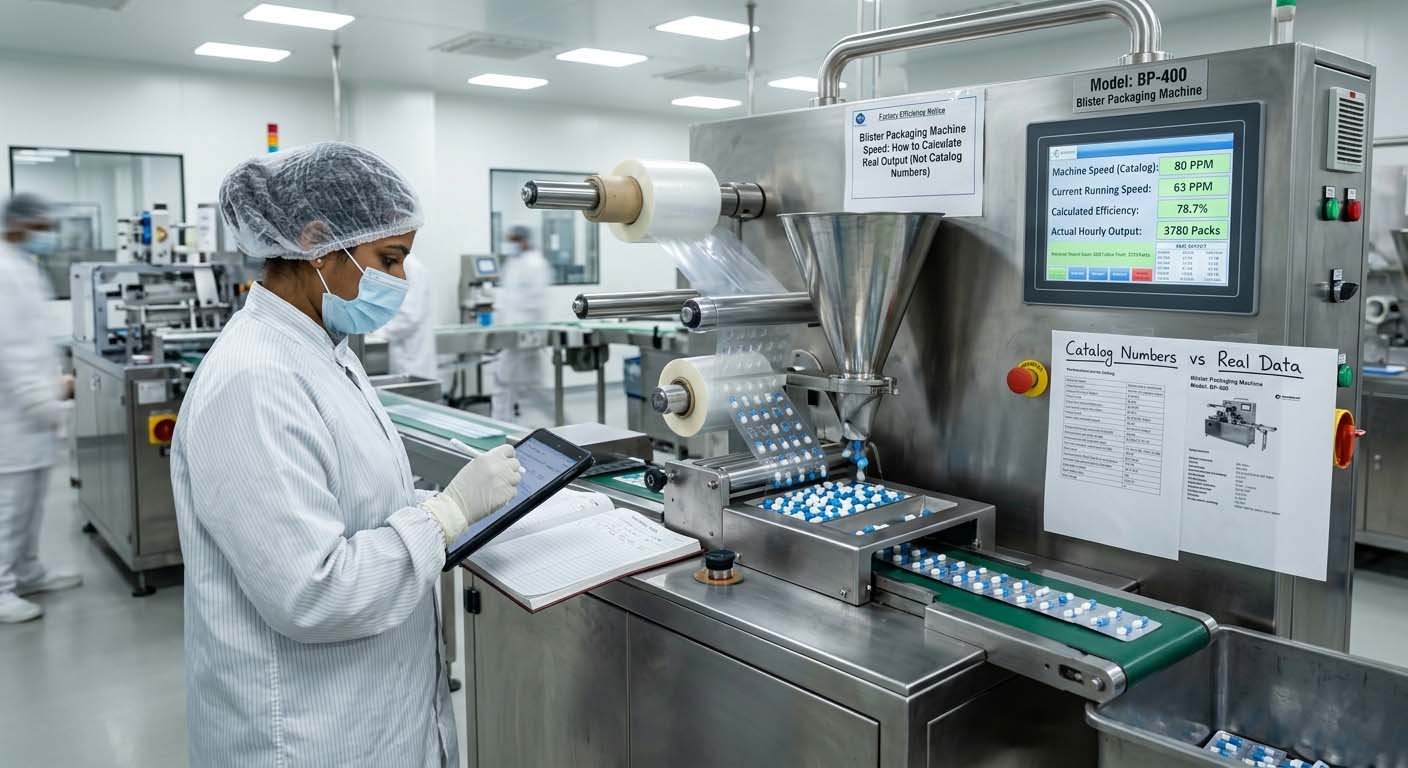
"The single most common mistake I see with capsule blister lines is buying on headline speed. A machine rated at 24,000 capsules/hour that jams on your HPMC capsules will produce less in a shift than a well-set machine running at 18,000. That's why we always ask customers to send real capsule samples before we quote — we run them on the actual DPP-260, film and all, and send back the blisters plus a settings report. If your capsules are hygroscopic, we'll also tell you honestly whether you need Alu-Alu or whether PVDC will save you money. Test with your real product first; the datasheet comes second."
ABOUT THE MANUFACTURER
HIJ Machinery (legal name: Wenzhou Trustar Machinery Technology Co., Ltd) is a pharmaceutical and cosmetic packaging machinery manufacturer founded in 2004, headquartered in Rui'an, Wenzhou, Zhejiang, China. HIJ designs and builds capsule blister packing machines, tablet blister machines, Alu-Alu blister machines, capsule filling machines, cartoning machines and complete turnkey packaging lines, exporting to customers in 30+ countries.
All technical content on this page is reviewed by Forester Xiang, HIJ's Founder and Chief Engineer, who has over 20 years of pharmaceutical machinery experience and has supported 100+ pharmaceutical facility audits across 30+ countries. HIJ machines feature a cGMP-ready design, are CE-marked, and are manufactured under ISO 9001 quality standards. Contact: [email protected] · WhatsApp +86 138 6882 2120.
Related Machines & Expert Guides
Build your complete capsule line — or go deeper into capsule blister packaging know-how.
DPP-260 Automatic Blister Packing Machine →
Full product page for the DPP-260 platform: specs, video and pricing guidance.
Alu-Alu Blister Packing Machine →
Dedicated cold-form solution for highly moisture-sensitive capsules and probiotics.
Tablet Blister Packing Machine →
Packing tablets too? See our tablet-focused blister configuration.
Automatic Capsule Filling Machine →
Pair filling and blister packing into one integrated capsule production line.
Blister Cartoning Machine →
Automatically carton finished capsule blisters with leaflets downstream.
All Blister Packing Machines →
Compare the full DPP and DPH series for every product and budget.
Capsule Blister Packaging — Expert Guides by Forester's Team
- What is capsule blister packaging?
- How a capsule blister packing machine works
- How to choose a capsule blister packing machine
- Capsule blister machine cost breakdown
- GMP compliance for capsule blister packaging
- Blister vs bottle packaging for capsules
- Common capsule blister machine problems
- Turnkey capsule blister line planning
Capsule Blister Packing Machine — Frequently Asked Questions
Answered from 20+ years of building and servicing capsule packaging lines worldwide.
What is a capsule blister packing machine?+
A capsule blister packing machine is automated pharmaceutical packaging equipment that forms cavities in PVC, PVDC or aluminum film, feeds capsules into each cavity, heat-seals aluminum lidding foil over them, prints batch codes and die-cuts finished blister cards. It protects capsules from moisture, oxygen, light and tampering while providing unit-dose convenience.
What capsule sizes can the DPP-260 handle?+
The DPP-260 handles capsule sizes #000, #00, #0, #1, #2, #3, #4 and #5, covering hard gelatin, HPMC vegetarian and softgel capsules. Format change between sizes takes about 25 to 30 minutes using quick-release tooling, and dedicated feeder tracks prevent jamming and capsule cracking.
What is the difference between a flat-plate and a roller-type capsule blister machine?+
A flat-plate machine like the DPP-260 uses reciprocating heating, forming and sealing plates, giving deeper forming capability, gentler capsule handling and easy Alu-Alu cold forming at moderate to high speeds. A roller-type machine uses rotary drums for very high speeds but is less flexible with deep cavities and cold-form films. For most pharmaceutical and nutraceutical capsule producers, a flat-plate machine offers the best balance of speed, flexibility and cost.
Can one machine pack both capsules and tablets?+
Yes. The DPP-260 packs capsules, tablets, softgels and similar solid products on the same platform. Switching between products only requires changing the format tooling and feeder setup, which takes about 25 to 30 minutes, so multi-product manufacturers can run their full portfolio on one machine.
Does the DPP-260 support Alu-Alu (cold-form) blister packaging?+
Yes. The DPP-260 supports PVC, PVDC and cold-form Alu-Alu laminate on the same machine. Alu-Alu blisters block essentially all moisture, oxygen and light, which makes them the preferred choice for probiotics, hygroscopic APIs and other sensitive capsule formulations.
How much does a capsule blister packing machine cost?+
Pricing depends on speed, material capability, vision inspection and line integration. Entry-level automatic capsule blister machines start in the tens of thousands of US dollars FOB, while fully optioned high-speed configurations cost more. HIJ provides an exact quotation within 24 hours based on your capsule size, output target and film choice, typically at one third to one fifth of an equivalent European machine.
What validation documentation is provided with the machine?+
Every machine ships with a complete DQ, IQ, OQ and PQ protocol package, material certificates, calibration records and FAT/SAT support. These documents are prepared to support your own GMP validation program and regulatory inspections; validation itself is always executed and owned by the customer at their facility.
What are the delivery time and installation support?+
Standard lead time is typically 45 to 60 days ex-works from our Wenzhou factory, depending on configuration. HIJ provides installation and commissioning support, operator training, remote video diagnostics and 48-hour spare parts dispatch, backed by a limited warranty.
Ready to Upgrade Your Capsule Packaging Line?
Send us your capsule samples and output target. We'll run free trials on the actual DPP-260, send you the finished blisters, and quote a configuration that fits your product and budget — within 24 hours.
— Forester Xiang, Founder & Chief Engineer
OR CONNECT DIRECTLY: