
Blister Packing Machines: The Definitive Guide for Buyers (2026)
From Standalone Units to Fully Integrated Lines, Find a Blister Machine Engineered for Your Success.
HIJ is your trusted partner for pharmaceutical-grade blister packaging solutions. With over 20 years of engineering expertise, we deliver cGMP-ready blister packing machines for tablets, capsules, liquids, and medical devices—from single units to complete turnkey production lines.
Play
Why Leading Manufacturers Choose HIJ:
- cGMP & 21 CFR Part 11 Ready
- 20+ Years of Engineering Expertise
- Turnkey Line Integration
- Global Service & Support
Quick Answer
A blister packing machine forms cavities in a plastic or aluminum film, fills them with products such as tablets, capsules, liquids, or medical devices, and seals them with a lidding foil. The two main types are thermoforming (DPP series) for PVC/PET/PVDC films and cold forming (Alu-Alu) for maximum moisture and light protection. HIJ Machinery manufactures 9 cGMP-ready, CE-marked models covering 2,400 to 12,000 packs per hour, from standalone units to fully integrated turnkey lines.
Key Takeaways
- Choose by product sensitivity: thermoforming (DPP) for standard tablets and capsules; cold-forming Alu-Alu for moisture- or light-sensitive drugs.
- 9 specialized models: dedicated machines for pharma tablets, capsules, pills, liquids, chocolates, and pre-filled syringes.
- Compliance documentation included: DQ, IQ, OQ, PQ, FAT, and SAT packages support your facility's WHO GMP, cGMP, and 21 CFR Part 11 validation.
- Turnkey integration: blister machine, conveyor, and cartoner pre-integrated and tested as one system before shipment.
- Engineered by experts: reviewed by Forester Xiang, Founder & Chief Engineer with 20+ years and 100+ pharma facility audits in 30+ countries.
Explore Our Blister Packing Machine Portfolio
From pharmaceutical tablets to medical devices, find the perfect machine engineered for your specific application. All models are cGMP-ready and backed by our 20 years of expertise.
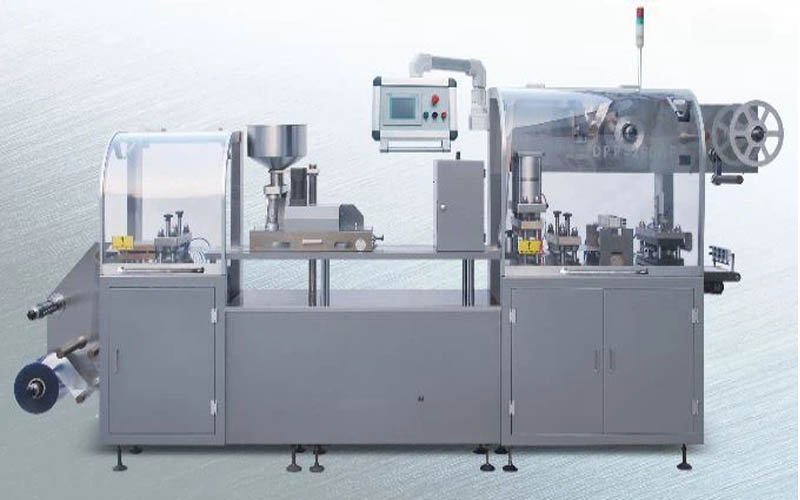 Most Popular
Pharma Blister Packaging Machine
Ideal for tablets, capsules, and pills in GMP-compliant environments. Features vision inspection.
- Model: DPP-250
- Speed: Up to 12,000 Pcs/h
- Best for: Tablets, Capsules
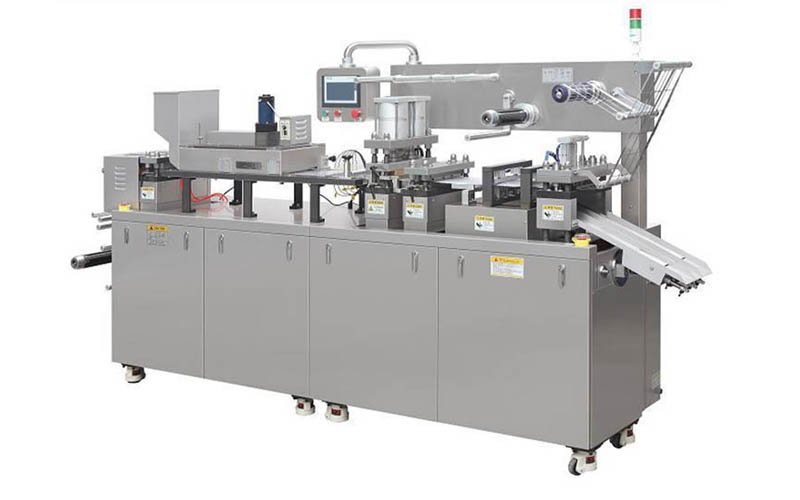
Automatic Blister Packing Machine
Fully automatic PVC/Alu solution with servo precision for medium to high-volume production.
- Model: DPP-260
- Speed: Up to 8,400 Pcs/h
- Best for: Tablets, Pills
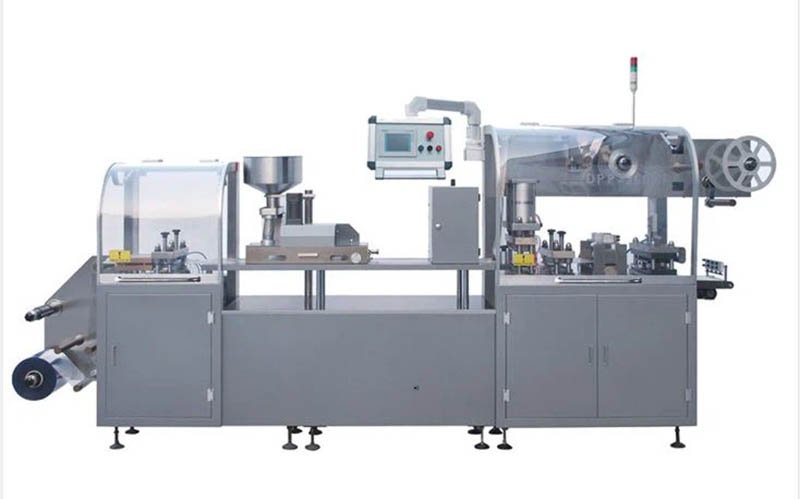 Premium
Alu Alu Blister Packing Machine
Cold-forming aluminum-aluminum machine for moisture-sensitive and light-sensitive drugs.
- Model: DHP-260
- Speed: Up to 6,000 Pcs/h
- Best for: Sensitive Drugs
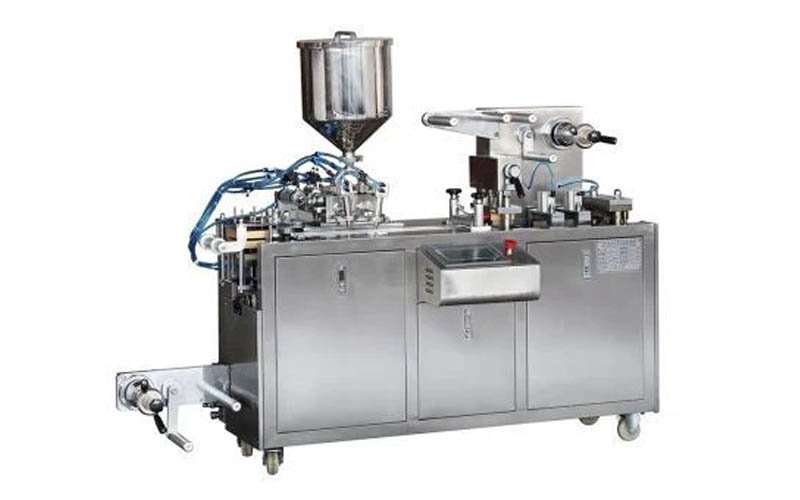
Chocolate Blister Packing Machine
Specialized system for chocolate and confectionery with temperature control and gentle handling.
- Model: DPP-80F
- Speed: Up to 4,800 Pcs/h
- Best for: Chocolates, Candies
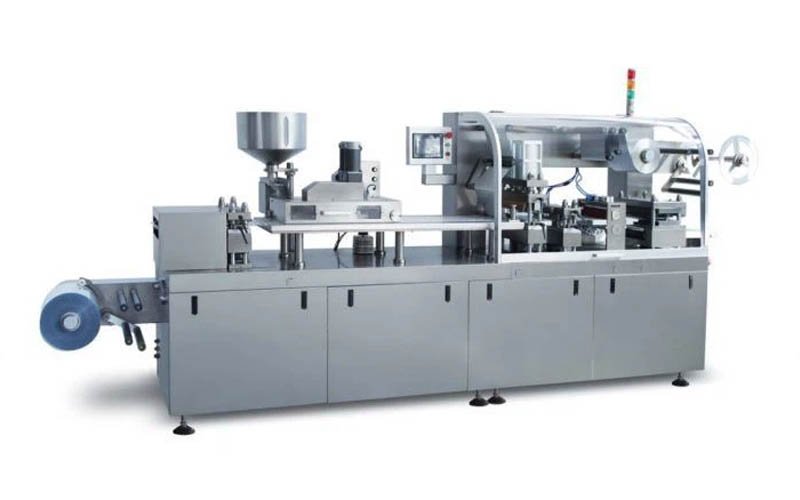
Liquid Blister Packaging Machine
Advanced liquid filling system with precision peristaltic pumps for oral liquids and gels.
- Model: DPL-120
- Speed: Up to 3,600 Pcs/h
- Best for: Liquids, Gels
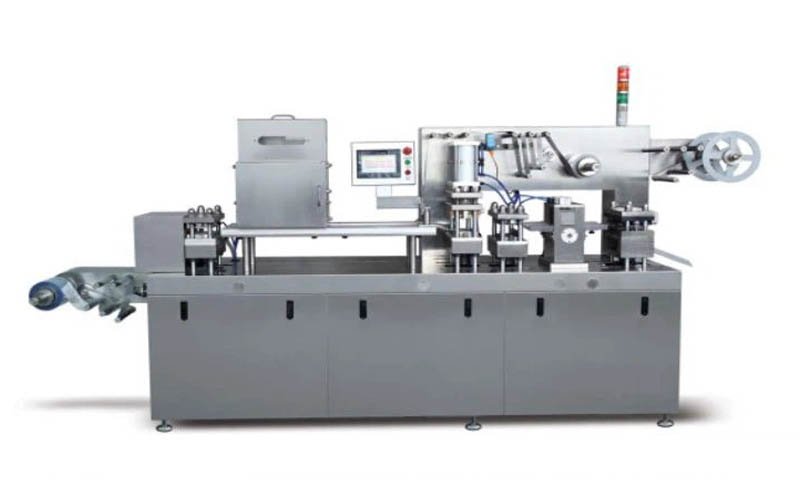
Tablet Blister Packing Machine
High-efficiency tablet machine with brush-type feeder. Handles various shapes with minimal changeover.
- Model: DPP-180
- Speed: Up to 10,800 Pcs/h
- Best for: All Tablet Types
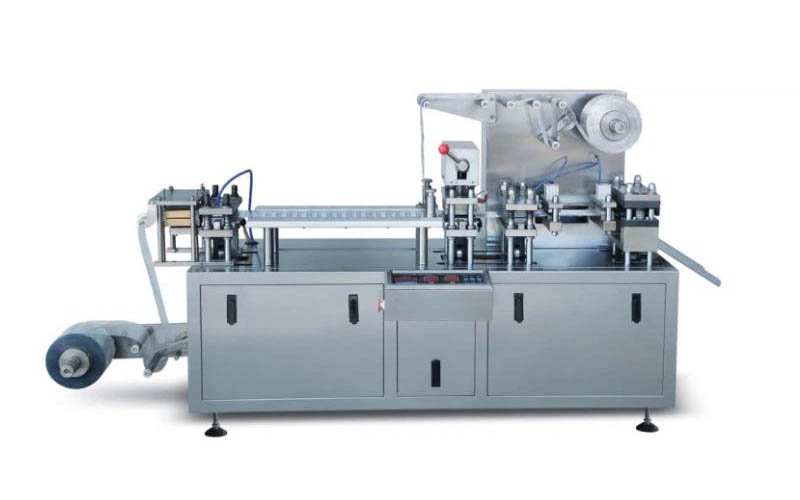
Capsule Blister Packing Machine
Dedicated capsule machine with vacuum-assisted feeding for gentle handling of hard/soft capsules.
- Model: DPP-160C
- Speed: Up to 9,600 Pcs/h
- Best for: Hard/Soft Capsules
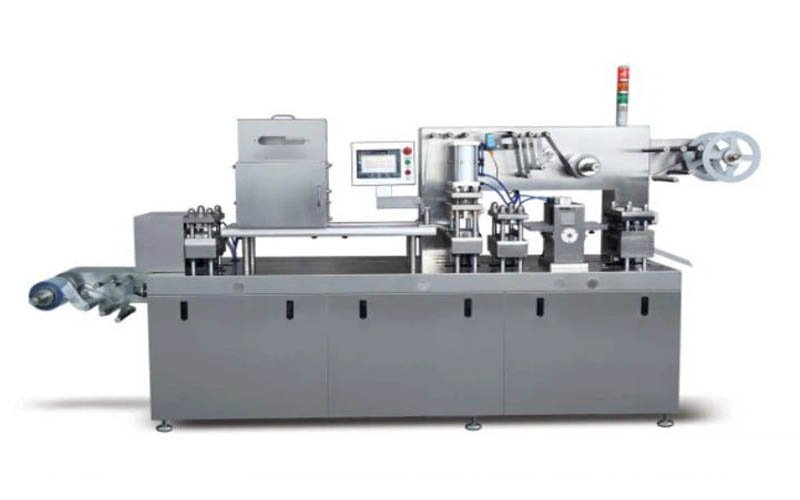
Pill Blister Packaging Machine
Versatile pill solution for round, oval, and irregular shapes with flexible mold configuration.
- Model: DPP-120P
- Speed: Up to 7,200 Pcs/h
- Best for: All Pill Shapes
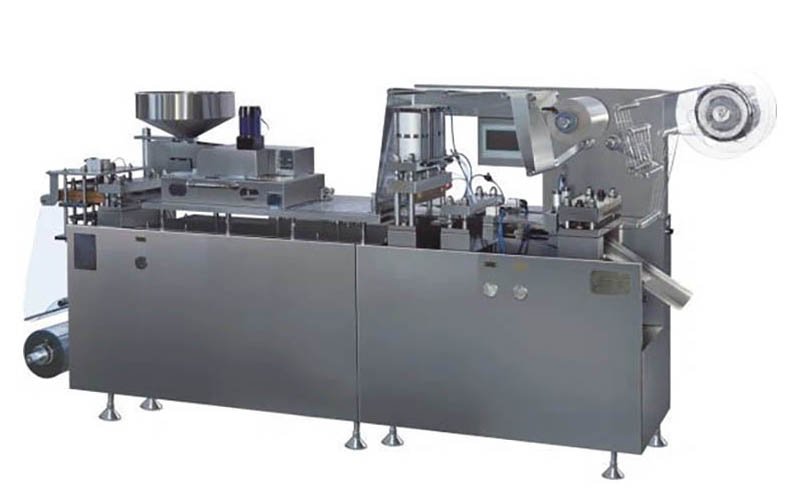
Syringe Blister Packing Machine
Custom-designed for pre-filled syringes and medical devices. Provides sterile packaging solutions.
- Model: DPS-100
- Speed: Up to 2,400 Pcs/h
- Best for: Syringes, Devices
Can't find the exact machine you need? We specialize in custom solutions.
Get Free Turnkey QuoteTrusted by Leaders in Pharma, Food, and Medical Devices
For two decades, global manufacturers have relied on HIJ to deliver production lines that meet the most demanding standards. Our machines are working around the clock in facilities from India to the Middle East, from the USA to Southeast Asia.
Proud to Serve Industry Leaders






Real Challenges. Real Solutions. Real Results.
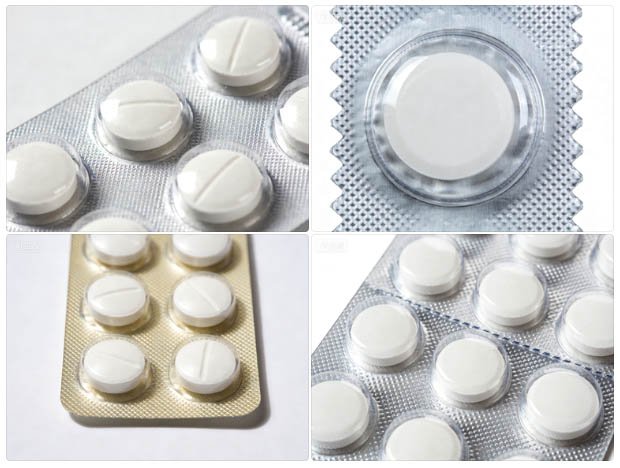
Pharmaceutical
Supporting a Leading Indian Pharma Giant's WHO GMP Validation
Challenge: A major Indian pharmaceutical company needed to expand its tablet packaging capacity while meeting stringent WHO GMP and 21 CFR Part 11 requirements for export to the USA and Europe. Their existing line could not keep up with demand.
Solution: HIJ delivered a fully integrated DPP-250 Tablet Blister Packing Machine with vision inspection, seamlessly connected to an existing cartoner. We provided a complete IQ/OQ/PQ validation package.
- 35% increase in packaging output
- Zero non-compliance issues during regulatory audits
- ROI achieved in under 18 months
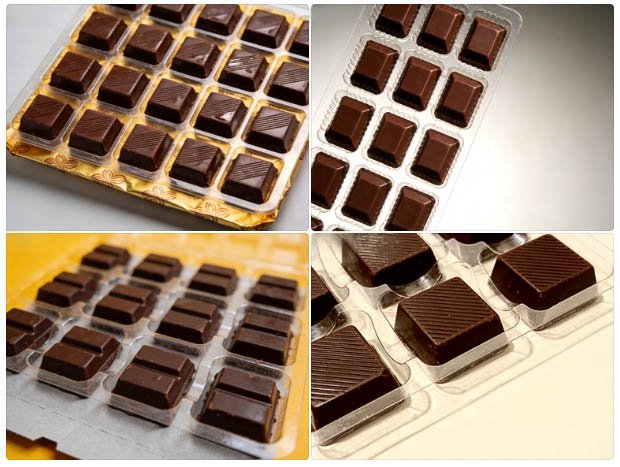
Food & Confectionery
Speed and Precision for the Middle East's Largest Chocolate Brand
Challenge: A leading Middle Eastern chocolate manufacturer was struggling with slow packaging speeds and inconsistent sealing quality, especially in the hot climate. They were losing product to heat damage and consumer complaints were rising.
Solution: HIJ engineered a custom Chocolate Blister Packing Machine with enhanced cooling systems and precision temperature controls optimized for their unique product formulation.
- 40% speed increase over the previous line
- Seal integrity improved to 99.8%, even in 45°C ambient temperatures
- Consumer returns dropped by 80%
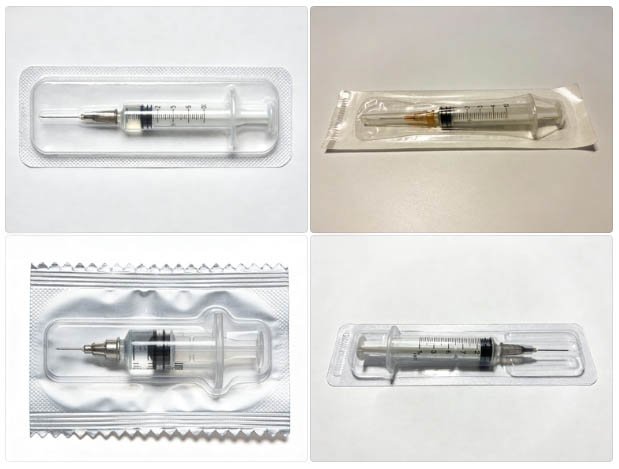
Medical Devices
Sterile Packaging Innovation for a US Medical Device Leader
Challenge: A US-based medical device company needed a solution to package pre-filled syringes in a way that maintained sterility, prevented breakage during shipping, and met FDA 510(k) requirements. Manual packaging was no longer feasible at scale.
Solution: HIJ designed a specialized Syringe Blister Packing Machine with a cleanroom-compatible design, automated feeding via robotic arm, and a proprietary sealing process engineered to support the client's sterile barrier integrity validation.
- Achieved FDA clearance on first submission
- Breakage rate reduced from 3% to less than 0.2%
- Production scaled 5x without additional labor
The Ultimate Buyer's Guide to Blister Packing Machines
Answering the critical questions before you invest. Leverage our 20 years of experience to make an informed decision that aligns with your production goals, compliance needs, and long-term vision.
This is the most fundamental choice. It depends entirely on your product's sensitivity:
- DPP Series (Thermoforming): Uses heat to form PVC, PET, or PVDC. It's the most common, cost-effective solution for standard tablets, capsules, and products that are not highly sensitive to moisture or light. The final pack is typically a clear plastic blister sealed with aluminum foil.
- DPH Series (Cold Forming - Alu/Alu): Uses pressure to form a laminate aluminum film. This creates a pack with a near-perfect barrier against moisture, light, and oxygen. It is essential for highly hygroscopic or light-sensitive drugs.
Don't just look at the maximum "punches per minute." Real-world output depends on:
- Blister Size & Layout: How many packs can fit across the film width?
- Product Feeding: Liquids or irregularly shaped items may require slower, more precise feeding.
- Operator Skill & Changeovers: Factor in time for film changes, cleaning, and switching between products.
Our approach: We analyze your target output (e.g., 1 million tablets per week) and engineer a solution that comfortably meets that goal, with room for future growth.
For pharmaceutical clients, this is non-negotiable. A reputable supplier MUST provide a comprehensive validation package to support your regulatory submissions (e.g., WHO GMP, cGMP, 21 CFR Part 11). At HIJ, our standard documentation includes:
- Design Qualification (DQ): Confirming the design meets your URS.
- Installation Qualification (IQ): Verifying correct installation and component specs.
- Operational Qualification (OQ): Testing all machine functions against specifications.
- Factory & Site Acceptance Tests (FAT/SAT) Protocols.
Extremely important for contract manufacturers or companies with diverse product lines. Low initial cost can be misleading if changeovers are slow and expensive. Key factors to consider:
- Changeover Time: Our machines are designed for quick, tool-free changeovers, often in under 30 minutes.
- Cost of Molds: We use advanced CNC machining to produce high-quality, cost-effective tooling.
- Scalability: Can the machine be integrated with a cartoner or other downstream equipment later? All HIJ machines are designed with this in mind.
Managing multiple suppliers creates significant risks and hidden costs:
- Integration Nightmares: Machines from different vendors often don't "talk" to each other, causing bottlenecks and downtime.
- Blame Game: When a problem occurs, who is responsible? The blister machine supplier or the cartoner supplier?
- Inconsistent Standards: Different control systems, documentation quality, and component brands create a maintenance headache.
The HIJ Advantage: We provide a single point of contact and accountability. Our turnkey lines are pre-integrated and tested as a complete system, guaranteeing seamless performance from day one.
Inside a HIJ Blister Machine: Components That Define Reliability
European quality is not just a promise; it's engineered into every component. We build our machines with globally recognized, top-tier parts to guarantee performance, longevity, and your peace of mind.
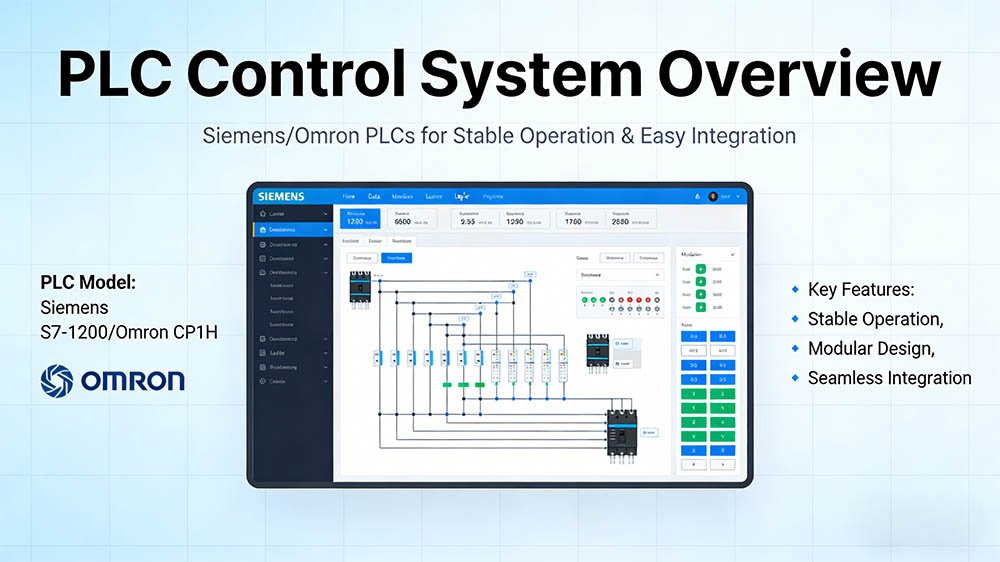
Core Intelligence
PLC Control System
The brain of our machine. We integrate world-class PLCs from Siemens or Omron to ensure flawless synchronization of all stations. The intuitive Human-Machine Interface (HMI) simplifies operation, recipe management, and diagnostics.
- Rock-Solid Stability: Ensures consistent, repeatable performance shift after shift.
- Easy Integration: Simplifies connection to upstream and downstream equipment like cartoners.
Unmatched Precision
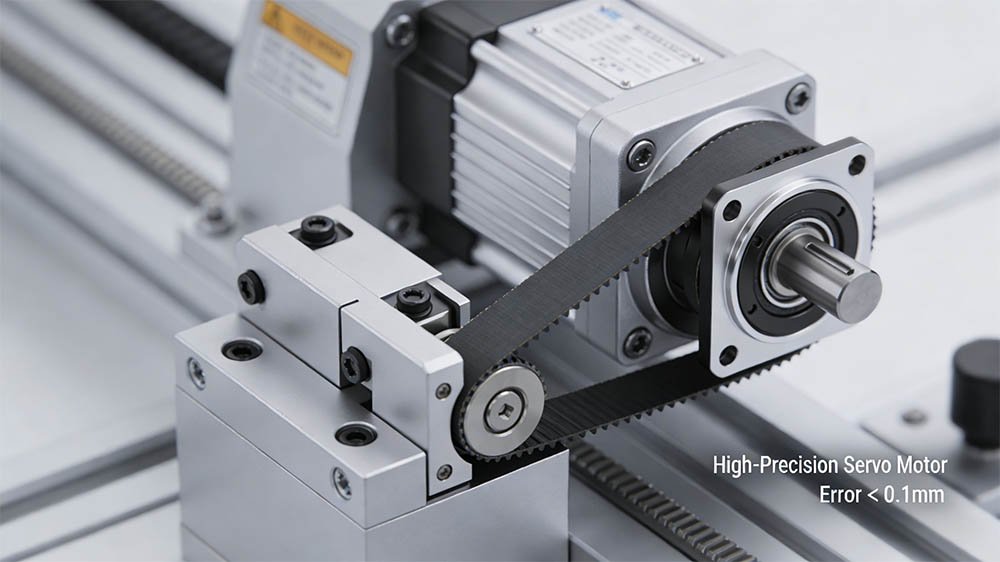
Servo Drive Technology
Precision isn't optional; it's guaranteed. Our machines utilize high-performance servo motors for critical operations like film pulling and station indexing, guaranteeing an accuracy of less than 0.1mm.
- Minimal Material Waste: Precise control reduces film waste, saving you money.
- High-Speed Stability: Maintains accuracy even at maximum production speeds.
100% Quality Assurance
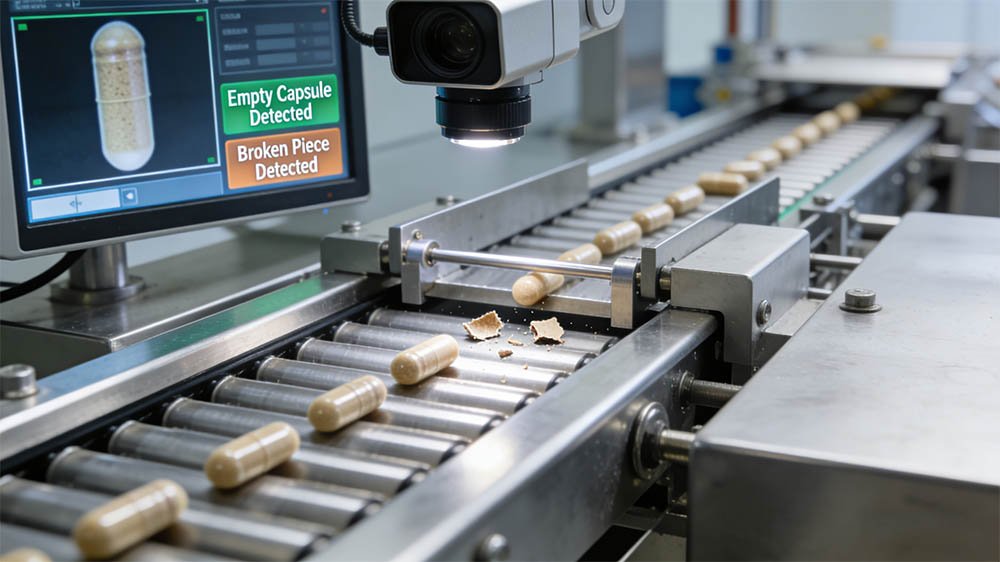
Vision Inspection System
Achieve zero-defect production. Our optional, fully integrated vision systems use high-resolution cameras to inspect every single blister, automatically identifying and rejecting common faults.
- Defect Detection: Instantly spots empty pockets, broken tablets, wrong colors, and foreign particles.
- cGMP-Ready Records: Provides an automated, reliable inspection record to support your pharmaceutical audits.

Durability & Flexibility
Molds & Tooling
The heart of your blister pack's quality. Our tooling is crafted from aviation-grade aluminum or 316L stainless steel, then precision-machined on 5-axis CNC centers for a perfect finish and exceptional durability.
- Quick Changeover: Designed for rapid, tool-free changeovers, minimizing downtime.
- Guaranteed Longevity: Hard-anodized and specially treated surfaces ensure a long service life.
The Ultimate Buyer's Guide to Blister Packing Machines
Answering the critical questions before you invest. Leverage our 20 years of experience to make an informed decision that aligns with your production goals, compliance needs, and long-term vision.
1. Which machine type is right for me? (DPP vs. DPH)
This is the most fundamental choice. It depends entirely on your product's sensitivity:
- DPP Series (Thermoforming): Uses heat to form PVC, PET, or PVDC. It's the most common, cost-effective solution for standard tablets, capsules, and products that are not highly sensitive to moisture or light. The final pack is typically a clear plastic blister sealed with aluminum foil.
- DPH Series (Cold Forming - Alu/Alu): Uses pressure to form a laminate aluminum film. This creates a pack with a near-perfect barrier against moisture, light, and oxygen. It is essential for highly hygroscopic or light-sensitive drugs.
2. How do I calculate the right speed and capacity?
Don't just look at the maximum "punches per minute." Real-world output depends on:
- Blister Size & Layout: How many packs can fit across the film width?
- Product Feeding: Liquids or irregularly shaped items may require slower, more precise feeding.
- Operator Skill & Changeovers: Factor in time for film changes, cleaning, and switching between products.
Our approach: We analyze your target output (e.g., 1 million tablets per week) and engineer a solution that comfortably meets that goal, with room for future growth.
3. What cGMP and validation documents are essential?
For pharmaceutical clients, this is non-negotiable. A reputable supplier MUST provide a comprehensive documentation package to support your regulatory submissions (e.g., WHO GMP, cGMP, 21 CFR Part 11). At HIJ, our standard documentation includes:
- Design Qualification (DQ): Confirming the design meets your URS.
- Installation Qualification (IQ): Verifying correct installation and component specs.
- Operational Qualification (OQ): Testing all machine functions against specifications.
- Factory & Site Acceptance Tests (FAT/SAT) Protocols.
4. How important are change parts and future flexibility?
Extremely important for contract manufacturers or companies with diverse product lines. Low initial cost can be misleading if changeovers are slow and expensive. Key factors to consider:
- Changeover Time: Our machines are designed for quick, tool-free changeovers, often in under 30 minutes.
- Cost of Molds: We use advanced CNC machining to produce high-quality, cost-effective tooling.
- Scalability: Can the machine be integrated with a cartoner or other downstream equipment later? All HIJ machines are designed with this in mind.
5. Why choose a turnkey solution over multiple suppliers?
Managing multiple suppliers creates significant risks and hidden costs:
- Integration Nightmares: Machines from different vendors often don't "talk" to each other, causing bottlenecks and downtime.
- Blame Game: When a problem occurs, who is responsible? The blister machine supplier or the cartoner supplier?
- Inconsistent Standards: Different control systems, documentation quality, and component brands create a maintenance headache.
The HIJ Advantage: We provide a single point of contact and accountability. Our turnkey lines are pre-integrated and tested as a complete system, guaranteeing seamless performance from day one.
Blister Packing Machine FAQs
Quick, direct answers to the questions international buyers ask us most often.
What is a blister packing machine and how does it work?
A blister packing machine forms cavities in a plastic or aluminum film, fills them with products such as tablets, capsules, liquids, or medical devices, and then seals them with a lidding foil. The core stations are film forming, product feeding, sealing, batch coding, and punching, all synchronized by a PLC control system.
What is the difference between thermoforming (DPP) and cold forming (Alu-Alu) blister machines?
Thermoforming (DPP series) uses heat to form PVC, PET, or PVDC film and is the most cost-effective option for standard tablets and capsules. Cold forming (Alu-Alu) uses pressure to form aluminum laminate film, creating a near-total barrier against moisture, light, and oxygen, which is essential for hygroscopic or light-sensitive drugs.
How much does a blister packing machine cost?
The price depends mainly on output speed, forming type (thermoforming vs. cold forming), automation level, feeding system, and optional modules such as vision inspection or cartoner integration. Because every configuration is different, the most reliable way to budget is to send us your product samples and target output for a detailed, itemized quotation within 24 hours.
Are HIJ blister packing machines suitable for pharmaceutical production?
Yes. HIJ blister packing machines are cGMP-ready, CE-marked, and built to ISO 9001 manufacturing standard, with 316L stainless steel contact parts. We supply full DQ, IQ, OQ, PQ, FAT, and SAT documentation to support your facility's own regulatory validation for WHO GMP, cGMP, and 21 CFR Part 11 submissions.
Can a blister packing machine be integrated with a cartoning machine?
Yes. All HIJ blister machines are designed for downstream integration. We build complete turnkey blister-cartoning lines where the blister machine, transfer conveyor, and cartoner are pre-integrated and tested as one system before shipment, with a single point of accountability.
Which products can be packed on HIJ blister machines?
HIJ machines handle tablets, capsules, softgels, pills, ampoules, vials, pre-filled syringes, liquids and gels, chocolates, and other confectionery. Dedicated feeder designs and custom tooling let one platform adapt to round, oval, and irregular product shapes.
Go Deeper: Blister Packaging Knowledge Center
Expert guides written by our engineering team to help you specify, validate, and run your blister packaging line.
Fundamentals
What Is Blister Packaging? The Complete Guide
Read Guide BuyingHow to Choose a Blister Packaging Machine: 15-Point Checklist
Read Guide MaterialsPVC vs. PVDC vs. Alu-Alu: Blister Materials Complete Guide
Read Guide ComplianceIQ/OQ/PQ Pharmaceutical Equipment Validation Guide
Read Guide TechnologyFlat-Plate vs. Rotary Roller Blister Packaging Machines
Read Guide CostBlister Packaging Cost Per Unit: Full Breakdown
Read GuideAbout HIJ Machinery
HIJ Machinery is a pharmaceutical, cosmetic, and food packaging machinery manufacturer based in Rui'an, Wenzhou, Zhejiang, China. The company designs and builds cGMP-ready, CE-marked blister packing machines, cartoning machines, capsule filling machines, and complete turnkey packaging lines to ISO 9001 manufacturing standard, serving B2B buyers across Asia, Africa, the Middle East, Europe, and the Americas.
About Forester Xiang
Forester Xiang is the Founder & Chief Engineer of HIJ Machinery. With more than 20 years of hands-on experience in pharmaceutical packaging engineering, he has participated in over 100 pharmaceutical facility audits across 30+ countries, and personally reviews the technical accuracy of HIJ's product documentation and buyer guides—including this page.
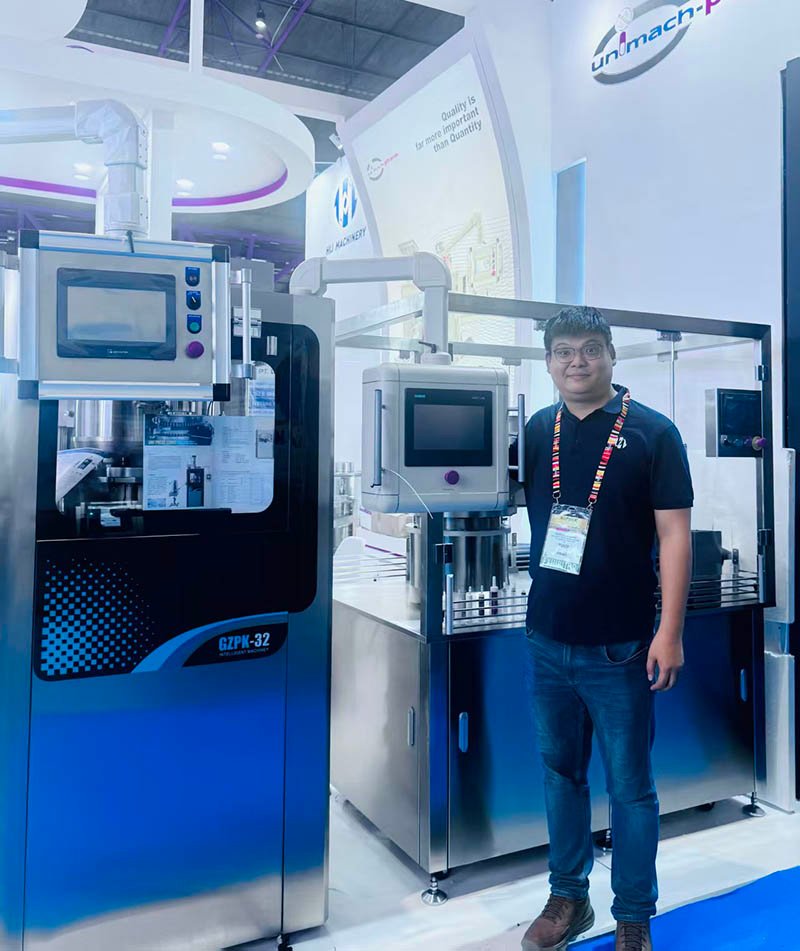
20+ Years
Proven Expertise
Proven Expertise
My Personal Commitment to Your Success
— Forester Xiang
Founder & Chief Engineer, HIJ Machinery
Direct access to me and my senior engineering team
Transparent, detailed proposals with no hidden costs
A partnership built on trust, not just a transaction
Start Your Conversation with HIJ Today
Share your project details—whether you have a complete URS or just a concept. We'll respond within 24 hours with a tailored proposal that addresses your specific needs.
We typically respond within 24 hours. For urgent inquiries, call or WhatsApp: +86 13868822120