


High-Speed Production
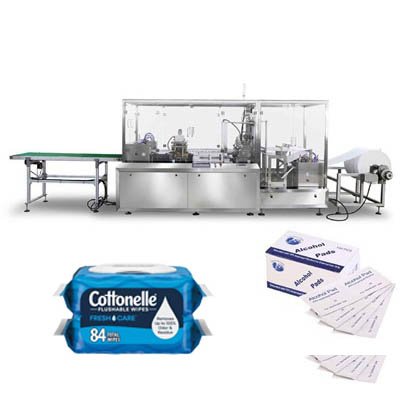
High-Speed Wet Wipes Packing Machine:
High-Speed Wet Wipes Packing Machine:
The HIJ VPD800 Series
Engineered for extreme speed and uncompromising reliability, the VPD800 is your competitive edge in the fast-growing wet wipes market. From alcohol swabs to baby wipes, this powerhouse delivers up to 800 packages per minute with precision that meets medical-grade standards.
Extreme Speed
Up to 800 pcs/min with 8-lane design
Unmatched Versatility
Perfect for all wet wipe types
Rock-Solid Reliability
Servo + PLC for 24/7 operation
Turnkey Solution
From single unit to full line
What Is a High-Speed Wet Wipes Packing Machine?
A high-speed wet wipes packing machine is automatic equipment that folds the non-woven fabric, doses the lotion, and form-fill-seals single-pack wipes in one continuous process. The HIJ VPD800 runs 400–800 packs per minute across an 8-lane servo-driven layout, dosing 2–15 ml of liquid at ±0.2 ml accuracy on wipe sizes from 80 to 960 mm.
It anchors a complete wipes line that typically adds an automatic cartoning machine and case packing machines downstream, or integrates into an automatic cosmetic filling line. Browse the full range of cosmetic packaging machines from HIJ.
400–800Packs per minute
8 lanesServo-driven
2–15 mlDosing, ±0.2 ml
80–960 mmWipe sizes
SiemensS7-1200 PLC + HMI
304 SSContact surfaces
Why the VPD800 is the Smart Investment
for Your Wet Wipes Business
In a competitive market where speed, quality, and cost-efficiency determine success, the VPD800 delivers measurable ROI from day one. Here's how it transforms your production economics.
Maximize Your Output
With an intelligent 8-lane parallel design, the VPD800 achieves up to 800 packages per minute. This isn't just speed—it's your ability to fulfill large orders, meet seasonal demand spikes, and capture market share before your competitors do. Higher throughput = more revenue per shift.
Reduce Labor Costs
From automatic non-woven fabric unwinding and precision liquid filling to four-side sealing, the entire process runs with minimal human intervention. Reduce your reliance on manual labor, eliminate human error, and reallocate your team to higher-value tasks. Lower costs, higher margins.
Ensure Product Quality & Compliance
Built entirely with 304 stainless steel and equipped with a high-precision liquid pump (±0.2ml accuracy), the VPD800 meets the rigorous demands of medical-grade and pharmaceutical applications. Built to support WHO GMP and cGMP audits, with an FDA-compliant design. Your reputation depends on consistency—we guarantee it.
Future-Proof Your Production
The VPD800 is designed for seamless integration with upstream slitting and folding equipment, as well as downstream cartoning and palletizing systems. Start with a standalone unit today, and expand to a fully automated production line tomorrow—without replacing equipment. Scalability is built in, not bolted on.
Ready to see exactly how the VPD800 can boost your profitability? Let's put numbers to it.
Calculate Your ROI with a Free Quote
Live Demonstration
VPD800 Wet Wipes Packing Machine in Action
See for yourself why leading manufacturers worldwide trust the VPD800. This video showcases the machine's high-speed operation, precision sealing, and seamless material handling—exactly as it will perform in your production facility.
800 Packages/Min
High-Speed Production
Perfect Sealing
Zero Leakage
Fully Automated
Minimal Labor
Medical-Grade
GMP Compliant
What You'll See in This Video
8-Lane Parallel Operation achieving extreme throughput
Servo-Driven Precision for consistent package dimensions
High-Accuracy Liquid Filling with ±0.2ml tolerance
Four-Side Sealing System ensuring leak-proof packages
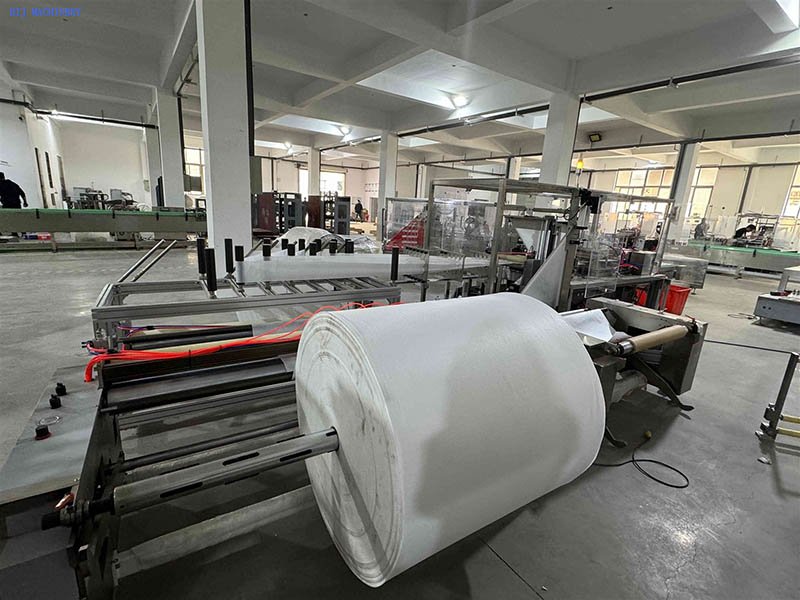
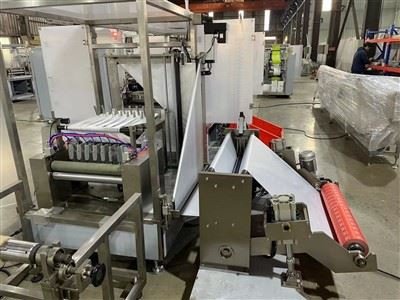
Automatic Non-Woven Feeding and precise slitting
Intuitive Touch Screen Control for easy operation
Photoelectric Eye Tracking for accurate film positioning
Stable 24/7 Performance for continuous production
Impressed by what you've seen? Let's discuss how the VPD800 can transform your production.
Talk to Our Engineers Now
Key Features & Technical Specifications
of Our Wet Wipe Machine
The VPD800 combines cutting-edge technology with robust engineering to deliver unmatched performance. Explore the advanced features, precise specifications, and versatile capabilities that make it the preferred choice for serious manufacturers.
Servo Drive System & PLC Control for Ultimate Precision
The VPD800 employs advanced servo motors combined with a Siemens PLC control system to achieve unparalleled accuracy in every operation. This precision-engineered combination ensures consistent package dimensions (±0.5mm tolerance), eliminates mechanical drift during long production runs, and provides real-time monitoring of all critical parameters. The result? Zero variability in your output quality, reduced material waste, and the confidence that every package meets your exact specifications.
High-Accuracy Liquid Filling System
Our precision liquid pump system delivers ±0.2ml accuracy across all 8 lanes simultaneously, ensuring uniform liquid distribution in every package. The intuitive touchscreen interface allows operators to adjust liquid volumes instantly for different product requirements—from light moistening (2ml) to full saturation (15ml). The system automatically compensates for liquid viscosity variations and maintains consistent flow rates even during extended production cycles, critical for pharmaceutical and medical applications.
Robust Four-Side Sealing Technology
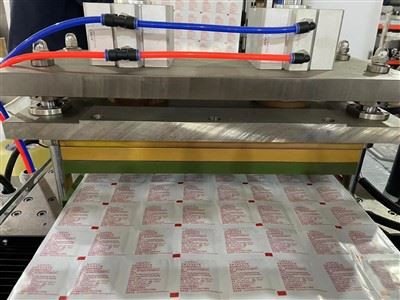
The VPD800's four-side heat sealing system creates hermetically sealed packages with exceptional strength and aesthetic appeal. Using temperature-controlled sealing bars (150°C-250°C adjustable) and precisely calibrated pressure, each seal achieves 100% leak-proof integrity. The sealing pattern is optimized for easy tear-opening while maintaining package durability during transport and storage. This technology is particularly crucial for alcohol-based products where seal integrity directly impacts product efficacy and shelf life.
High-Sensitivity Photoelectric Eye Tracking
Advanced photoelectric sensors continuously monitor film positioning with micron-level precision, ensuring perfect registration of printed graphics and logos on every package. The system automatically compensates for film stretch, splice joints, and roll variations, reducing material waste by up to 15% compared to conventional systems. When combined with our servo-driven film advance, this technology guarantees that your brand presentation is flawless on every single package—critical for retail products where visual consistency drives consumer confidence.
| Parameter | Specification | Notes |
|---|---|---|
| Production Speed | 400-800 packages/minute | Variable speed control, 8-lane configuration |
| Package Dimensions | Length: 40-180mm Width: 30-120mm |
Servo-driven, tool-free changeover |
| Film Width | 80-960mm | Compatible with various film types |
| Filling Volume | 2-15ml per package | ±0.2ml accuracy, adjustable via HMI |
| Power Requirements | 380V/50Hz, 25KW | 3-phase, with power factor correction |
| Air Consumption | 0.6 m³/min at 0.6MPa | Clean, dry compressed air required |
| Machine Dimensions | 8000×1800×1600mm (L×W×H) | Including control cabinet and safety guards |
| Machine Weight | 3500kg | Requires reinforced flooring |
| Control System | Siemens S7-1200 PLC + 10" HMI | Multi-language support, remote diagnostics |
| Construction Material | 304 Stainless Steel | All product-contact surfaces, GMP compliant |
| Safety Standards | CE-marked; supports ISO 13485 quality systems | Meets international pharmaceutical equipment standards |
| Film Materials | PE, PP, Aluminum foil laminate | Thickness: 0.03-0.08mm |
What types of wet wipes can this machine produce?
The VPD800's versatile design accommodates a wide range of wet wipe products, from medical-grade alcohol swabs to consumer baby wipes. Our machine's adjustable parameters and material compatibility make it the perfect choice for manufacturers serving diverse markets.
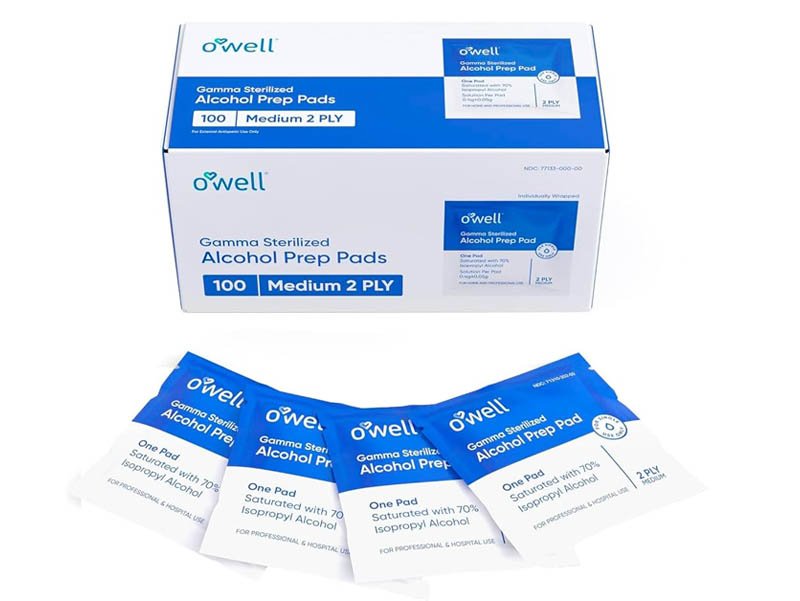
Alcohol Swabs & Prep Pads
Medical-grade alcohol wipes for healthcare applications. Perfect sealing prevents alcohol evaporation, ensuring product efficacy throughout shelf life. Designed to support FDA and CE medical-device compliance requirements.
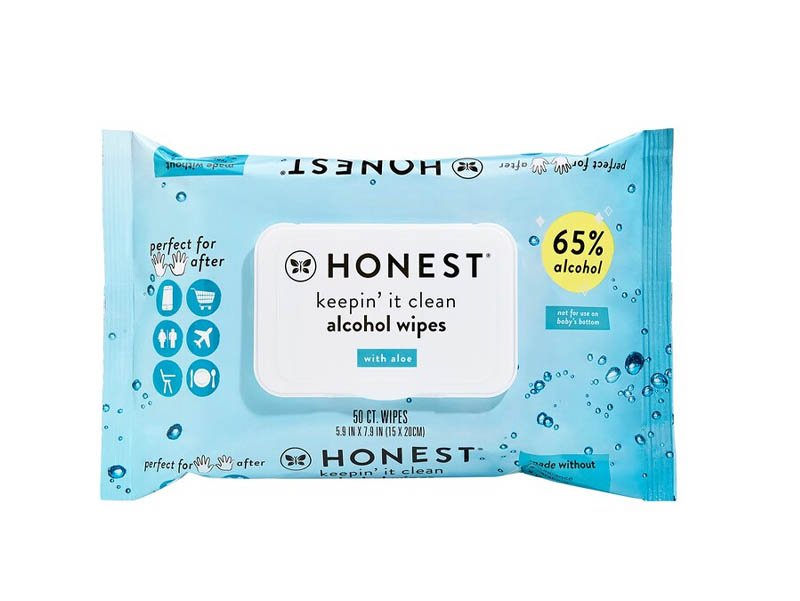
Disinfecting Wipes
High-capacity disinfectant wipes for commercial and industrial use. Robust sealing withstands aggressive chemical formulations while maintaining package integrity and user safety.
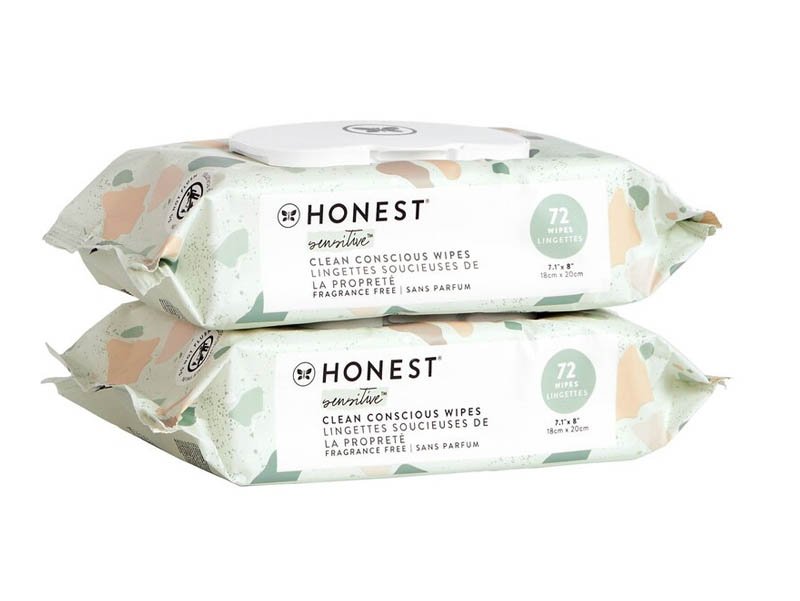
Baby & Personal Care Wipes
Gentle, skin-safe wipes for infant and personal care markets. Precise liquid control ensures optimal moisture content without over-saturation, meeting strict consumer safety standards.
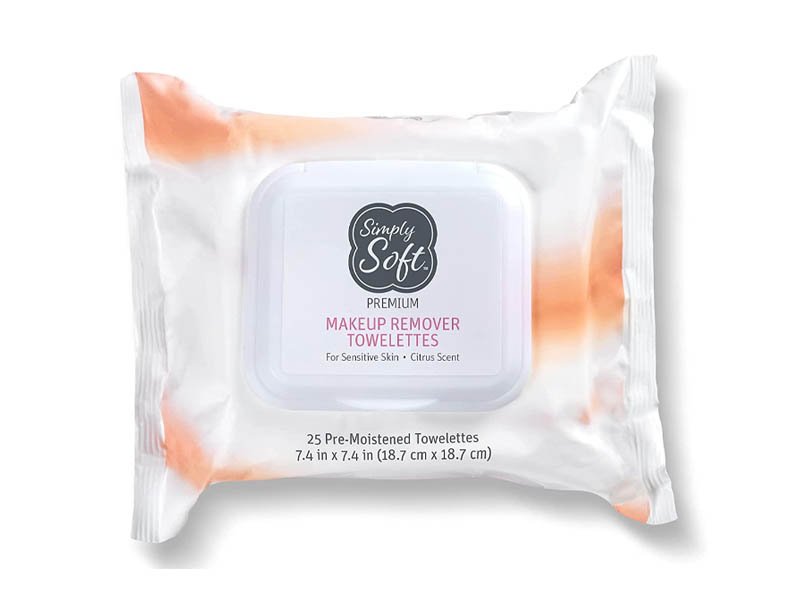
Makeup Remover & Beauty Wipes
Premium cosmetic wipes with specialized formulations. Advanced sealing technology preserves delicate active ingredients while creating an attractive, shelf-ready package for retail distribution.
Have specific requirements or questions about customization? Our engineering team is ready to discuss how we can tailor the VPD800 to your exact needs.
Get Custom Configuration Quote
Strategic Partnership
Your Turnkey Solution Partner:
Your Turnkey Solution Partner:
More Than Just a Machine Supplier
At HIJ, we don't just sell machines—we forge long-term partnerships built on expertise, trust, and shared success. When you choose HIJ, you're choosing a team that's invested in your production goals and committed to your growth.
Founded on 20 Years of Industry Expertise
HIJ was born from founder Forester's two decades of hands-on experience in pharmaceutical and packaging machinery. Having served over 100 global clients, he witnessed firsthand the frustrations of manufacturers dealing with unreliable suppliers, inconsistent quality, and poor after-sales support.
"I founded HIJ to be the partner I wished I had when I was on the other side of the table—someone who truly understands your challenges and is committed to your success, not just making a sale." - Forester, Founder & CEO
This deep industry insight drives every decision we make, from our European-quality standards to our responsive global service network. We've experienced your pain points, and we've built HIJ specifically to eliminate them.
From a Single Machine to a Fully Automatic Wet Wipes Production Line
Start with the VPD800 today, expand to a complete production ecosystem tomorrow. Our modular approach allows you to scale your investment as your business grows, ensuring every component integrates seamlessly.
Every component is designed with the others in mind, ensuring consistent product flow, unified control systems, and simplified maintenance. No more coordinating multiple suppliers or dealing with compatibility issues—HIJ delivers a truly integrated solution.
Global Service & Local Support
Your production doesn't stop for time zones, and neither do we. Our global service network ensures rapid response to your needs, whether you're in North America, Europe, Asia, or anywhere in between.
From initial consultation through decades of operation, we're your dedicated partner in maximizing equipment performance and minimizing downtime. Your success is our success—it's that simple.
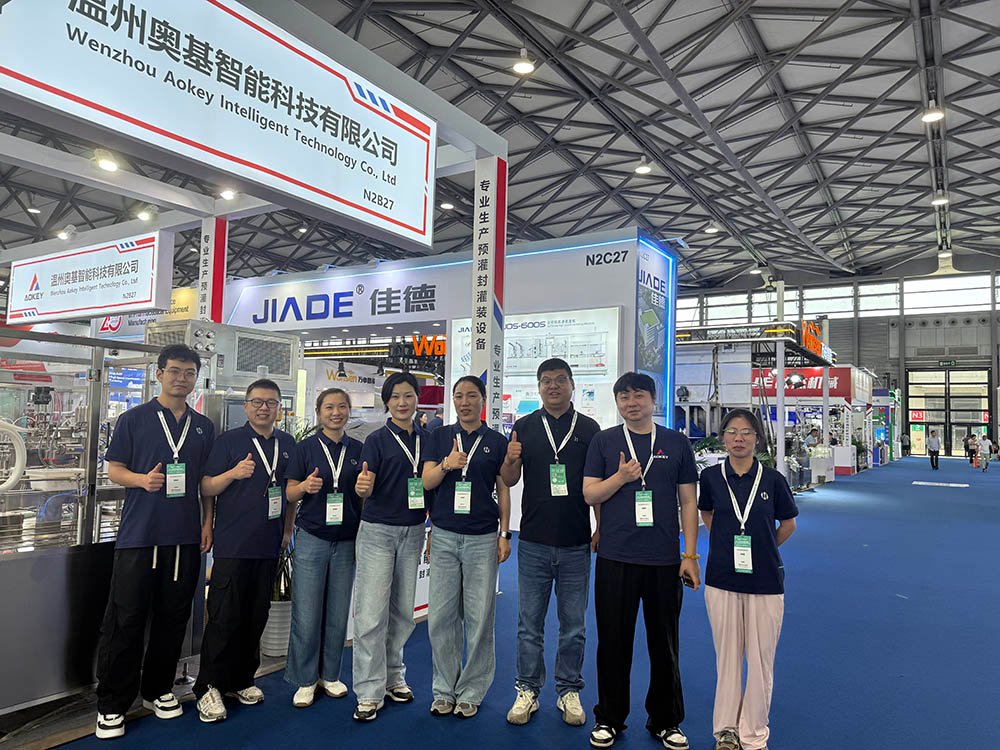
Forester & The HIJ Engineering Team
20+ years of combined expertise in pharmaceutical packaging machinery, dedicated to your success
Ready to Partner with Industry Experts?
Don't just buy a machine—invest in a partnership. Let's discuss how HIJ's comprehensive approach can transform your wet wipes production and set you up for long-term success.
Start Our Partnership TodayProducing wipes at industrial volume? The 8-lane HIJ high speed wet wipes packing machine (VPD800) folds, doses and seals up to 1,200 packs per minute across alcohol, baby and disinfecting wipes.
Need industrial-scale output? Step up to our high speed wet wipes packing machine (VPD800) — 8 servo lanes, up to 1,200 packs/min, built for multi-lane production-line duty.
Packing wet wipes as well as sachets? The same form-fill-seal principle scales to a multi-lane wet wipes packing machine for alcohol pads, baby and cosmetic wipes.
Building a wet wipes line? The converting and packing stage is the 1,200 packs/min wet wipes machine (VPD800), integrated with downstream cartoning and case packing.
Budgeting a wipes line? Full wet wipes machine price details — VPD800 8-lane configuration from US$40,800 FOB — are on the machine page.
Cartoning wet wipes packs? This machine sits downstream of an automatic wet wipes packing machine (VPD800) in a complete wipes production line.
Related Packaging Machines
Scaling a wipes operation or packing other formats? These HIJ machines pair with the VPD800.
Wet Wipes Packaging Machine
Compare configurations across our full wet wipes range to match your output and budget.
Compare models →Cosmetic Sachet Packaging Machine
Single-dose sachets for samples, masks and liquids — the same form-fill-seal principle for non-wipe formats.
View machine →Automatic Cosmetic Filling Line
Turnkey integration: filling, sealing, cartoning and case packing engineered as one synchronized line.
View solution →Automatic Cartoning Machine
Cartons your finished wipes packs downstream — the natural next stage after the VPD800.
View machine →Cosmetic Packaging Machine Price Guide
2026 cost breakdown for every machine type — budgets, options and ROI calculations explained.
Read the guide →All Cosmetic Packaging Machines
Browse HIJ’s complete range of filling, sealing and packaging machines for the cosmetics industry.
Browse all →Expert Guides from Forester Xiang
20+ years of field experience from 100+ factory projects — the questions wet wipes producers ask before they buy.
Business Guide
How to Start a Wet Wipes Manufacturing Business (2026)
4 categories, 5 production stages, real budgets from $50K, and the order to buy in.
Read the guide → Buying DecisionSingle-Lane vs Multi-Lane Wet Wipes Machines: Which to Buy?
The cost-per-1,000-packs math that decides how many lanes you actually need.
Read the comparison → TechnologyAlcohol & Disinfecting Wipes Production: Evaporation, Dosing, Sealing
Why a dried-out swab fails — and how dosing and sealing protect efficacy.
Read the guide → MaterialsWet Wipes Films: PE/PP vs Aluminum Laminate vs Biodegradable
Barrier, cost, sustainability — and what each film means for sealing.
Read the guide →Frequently Asked Questions (FAQ)
What is the price of a high-speed wet wipes packing machine?
A basic single-lane wet wipes machine starts around US$45,000, while the flagship VPD800 8-lane fully automated system ranges from US$180,000 to 280,000 depending on lane count, automation degree and line integration — typically 40–60% below comparable European brands at the same specification. Payment terms and option pricing are itemized in every quotation; see the cosmetic packaging machine price guide for budgets across machine types.
How many wipes packs can the VPD800 produce per shift?
The VPD800 runs 400–800 packs per minute on its 8-lane servo layout. At realistic 85–90% line efficiency, that is roughly 200,000–380,000 single packs per 8-hour shift depending on wipe size and film. Variable speed control lets you run slower for difficult films without stopping production.
Which packaging film materials can it run?
PE/PP composite films, aluminum foil laminates, paper-aluminum-plastic composites, biodegradable films, medical-grade barrier films and easy-tear perforated films, in thicknesses of 0.03–0.08 mm. The sealing system auto-adjusts temperature, pressure and timing per material, and tool-free changeover between films takes under 15 minutes. We can test your specific film on the machine before purchase.
What wipe sizes and liquid dosing does it support?
Wipe sizes from 80 to 960 mm with adjustable folding, and lotion dosing of 2–15 ml per pack at ±0.2 ml accuracy, set directly from the Siemens 10″ HMI. Photoelectric tracking keeps print registration precise regardless of film transparency.
Can it produce alcohol and disinfecting wipes?
Yes. All product-contact surfaces are 304 stainless steel, the liquid path handles alcohol-based and disinfectant lotions, and the hermetic sealing prevents evaporation so efficacy holds through shelf life. The same machine switches between alcohol swabs, disinfecting wipes, baby wipes and makeup-remover wipes with recipe changes.
Do you provide qualification documents for GMP compliance?
Yes. HIJ supplies comprehensive qualification documentation — material certificates, FAT protocols and validation support — for pharmaceutical and medical-device manufacturers. The machine is CE-marked, built to support WHO GMP and cGMP audits, with an FDA-compliant design for the US market.
What are the lead time, FAT and installation terms?
Standard lead time is 45–60 days from contract to factory shipment (rush builds 30–35 days). You or your representative witness a Factory Acceptance Test with your actual products and film before shipment. Our installation team arrives 1–2 weeks after delivery for commissioning and operator training, and we handle export documentation door-to-door.
What warranty and after-sales support do you provide?
The VPD800 carries a 12-month full warranty with express-shipped spare parts and lifetime maintenance support. The Siemens S7-1200 platform supports remote diagnostics, so most issues are resolved online before an engineer visit is ever needed.
Ready to Scale Your Wipes Production?
Send us your wipe sizes, film specification and target output. Our engineers will configure the exact VPD800 setup and run your film samples before you commit.
Get a Free, Detailed Quote