
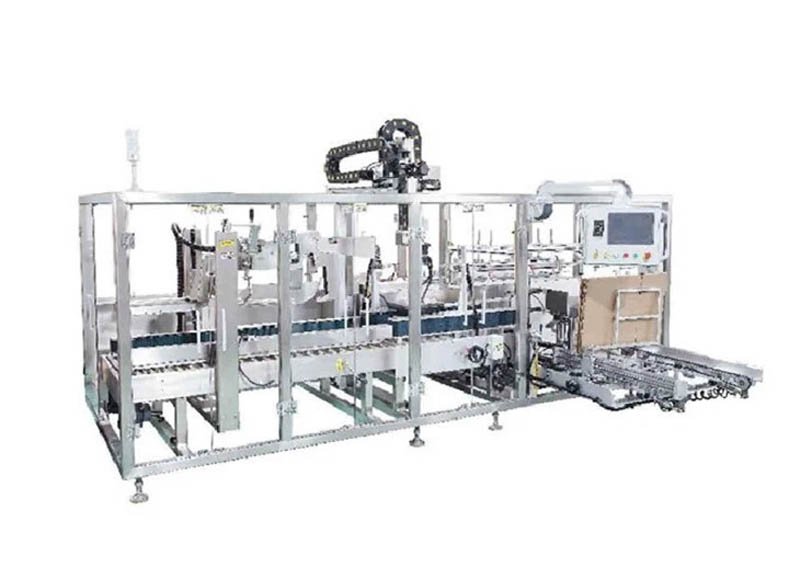
Integrated scope
Opening, Loading & Sealing All-in-One
For projects that want one coordinated system boundary across case forming, product loading and closure.
Compare automatic case packers and end-of-line case packing equipment around your actual product, case style, loading method, pack pattern and accepted output.
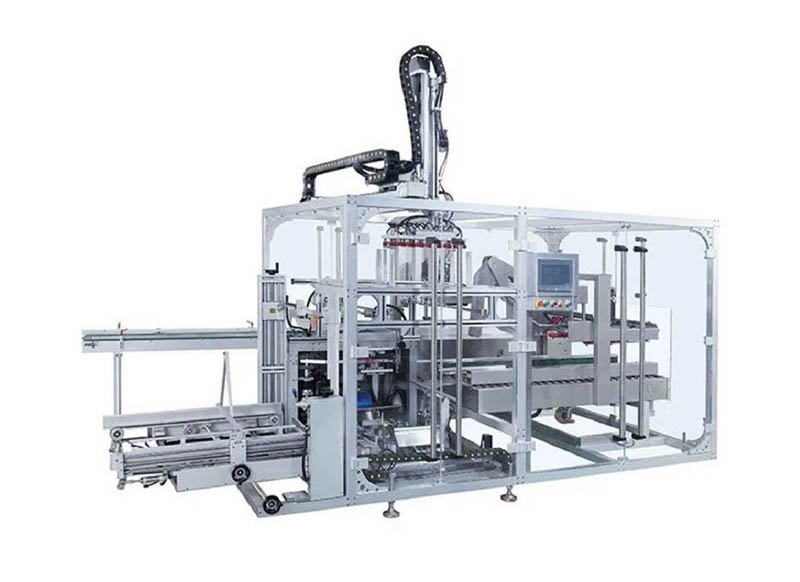
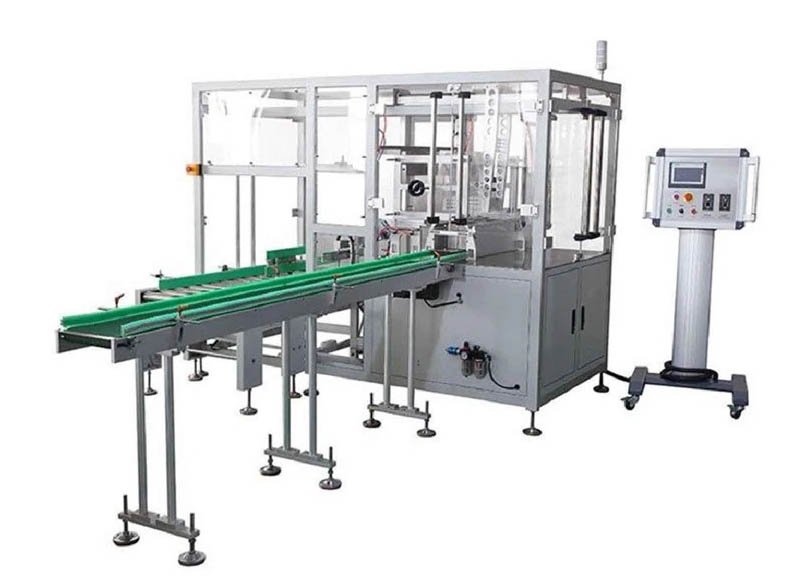
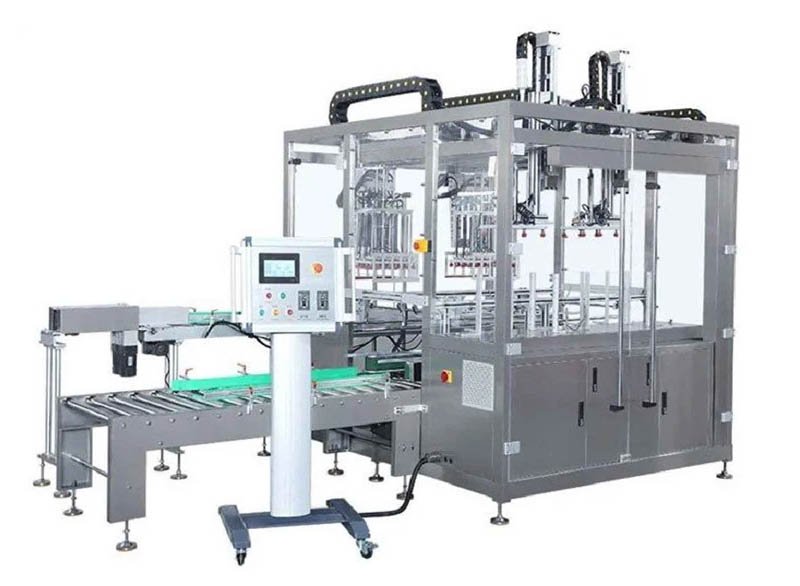
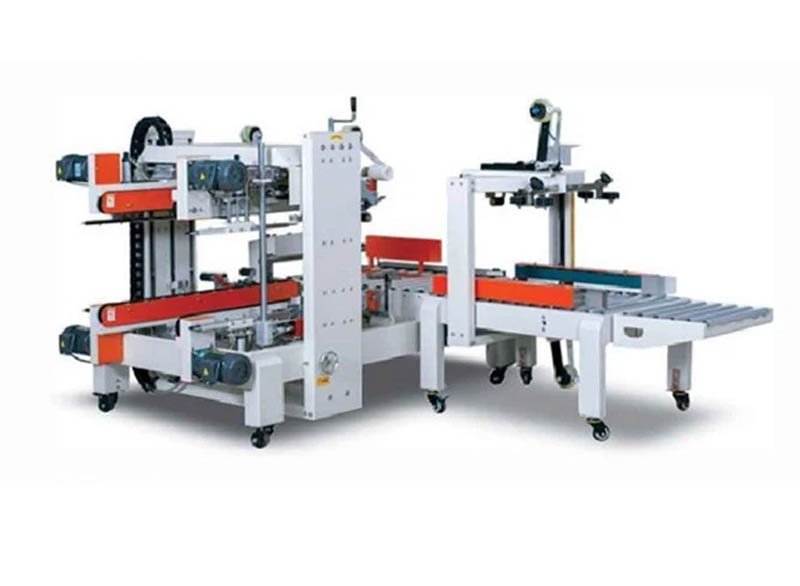
A case packing machine automates one or more end-of-line functions: forming a shipping case, grouping products into a defined pattern, loading the group and closing the case. The right architecture depends on the incoming product condition, loading direction, case design, changeover range and evidence required at FAT.
“Case packer” is often used for different scopes. Define which of these functions the supplier owns.
Open a flat blank, square the case and close its bottom.
Count, orient and arrange incoming products into the required pattern.
Move the grouped products into the case by push, pick-and-place or another method.
Confirm product count, case presence and reject conditions agreed in the URS.
Fold and seal the case with the specified tape or adhesive process.
Use these pages to shortlist a mechanical concept. Final configuration still requires product and case samples.
For projects that want one coordinated system boundary across case forming, product loading and closure.
For stable grouped products that can be transferred horizontally into an open case.
For projects where the accepted-output study supports splitting loading work across two stations.

For a line where case loading is already performed and the remaining automation scope is flap closing and sealing.
For projects that specify additional corner sealing as part of the shipping-case closure requirement.
Send product dimensions, orientation, case drawings, pack pattern, upstream discharge and target good cases per minute.
Every transfer point must have a defined owner, signal and reject response.
Accept products from the upstream machine at an agreed height, pitch and orientation.
Absorb short timing differences without damaging packs or masking upstream faults.
Count and arrange products to the approved case pattern.
Transfer the group while controlling case and product position.
Seal, inspect and discharge the accepted shipping case.
A useful comparison describes what must be proven, not which architecture sounds more advanced.
| Architecture | Best starting fit | Critical sample test | Supplier must confirm |
|---|---|---|---|
| Side push | Stable cartons or grouped packs that tolerate horizontal transfer | Group stability, friction and entry into the open case | Pusher profile, support surfaces and jam recovery |
| Pick and place / robotic | Products needing controlled placement or flexible pattern handling | Gripping surface, release accuracy and recovery after a missed pick | Tooling, payload, cycle study and recipe control |
| Integrated erect-load-seal | One supplier scope across the complete end-of-line sequence | Blank quality, product flow and closure consistency together | Overall accepted output and responsibility at every interface |
| Parallel / double station | Applications where one loading cycle cannot support required accepted output | Distribution logic, station balance and reject handling | Combined output, recovery mode and shared bottlenecks |
| Standalone sealer | Cases already formed and loaded upstream or manually | Flap condition, board variation and closure consumable | Case range, seal inspection and operator boundary |
Do not compare quotations until every supplier has priced the same project boundary.
Required good cases/min = upstream good products/min ÷ products per case
Then define the agreed allowance for rejects, short stops, case replenishment and changeover. Ask the supplier to show cycle assumptions and the predicted bottleneck.
| Quotation line item | What must be written | Why it matters |
|---|---|---|
| Machine boundary | Exactly which erecting, collating, loading, inspection and sealing functions are included | Prevents missing equipment appearing after order |
| Format range | Approved product, case and pattern matrix | Separates standard formats from new tooling |
| Output basis | Good cases/min, product per case, test duration and exclusions | Makes speed claims testable |
| Change parts | Included tooling, storage, identification and changeover method | Controls future SKU cost and downtime |
| Controls and interfaces | Signals, data exchange, alarms, recipes and user access | Avoids line-integration gaps |
| Evidence | Drawings, manuals, FAT records, certificates and agreed qualification support | Turns promises into deliverables |
Missing, doubled, rotated, unstable or incorrectly grouped product.
Missing, damaged, poorly squared or out-of-range case.
Upstream stop, downstream blockage, restart and accumulation response.
Consumable depletion, flap condition, incomplete seal and reject routing.
A case packer is often treated as the last machine to buy, but its interfaces affect the whole line. I would freeze the pack pattern, case drawing and upstream discharge before comparing proposals. If those inputs remain open, two quotations that look similar may describe completely different systems.
Understand why tooling, interfaces and evidence change a quotation.
Build a budget →Convert product, case and line requirements into supplier deliverables.
Prepare the URS →Send your product, case drawing, pack pattern, upstream output and required acceptance evidence.