
Watch in Action
Play
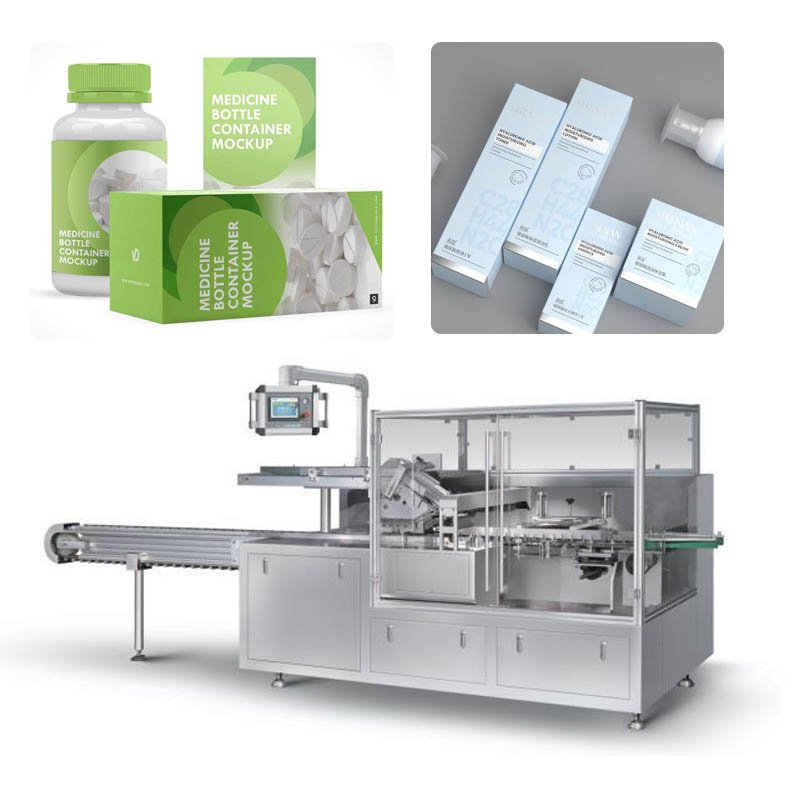


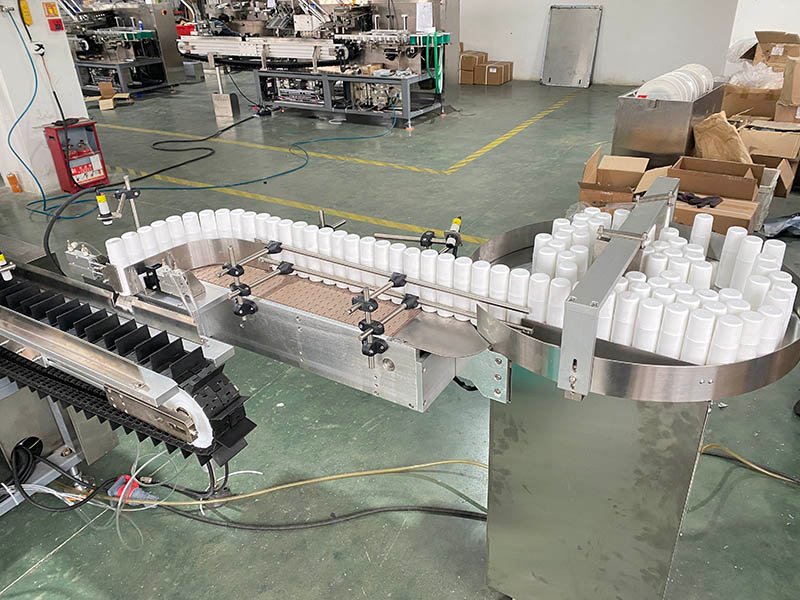
Automatic Cartoning Machine Manufacturer
Automatic Cartoning Machine ManufacturerWZTS-130 · 30–80 Cartons/Min
Specify the line around your product geometry, carton tolerances, leaflet format, sustained output and validation scope — not only the rated cartons-per-minute figure.
HIJ Machinery manufactures the WZTS-130 automatic cartoning machine for bottles, blister packs, tubes, sachets and other regular products. It automates carton erection, product and leaflet insertion, coding, inspection and tuck-in or hot-melt closure at 30–80 cartons/min, with URS-based configuration and documentation supporting your DQ/IQ/OQ/PQ process.
30–80 / min
Rated automatic cartoning output
cGMP-Ready
CE-marked · ISO 9001 standard
12-Month
Warranty + lifetime support
Automatic Cartoning Machine

What Is an Automatic Cartoning Machine?
An automatic cartoning machine is a packaging system that automatically erects flat carton blanks, inserts products and leaflets, and closes the carton by tuck-in flaps or hot-melt sealing — with no manual handling. HIJ's WZTS-130 runs at 30–80 cartons per minute and cartons pharmaceutical, food, cosmetic and hardware products on a single line.
Also called an automatic cartoner or automatic carton packing machine, it replaces slow, error-prone manual boxing with consistent, traceable secondary packaging. Driven by a Siemens PLC and HMI, it self-rejects any carton missing a product or leaflet, so only complete, batch-coded cartons leave the line.
Output Speed
30–80 cartons/min
Carton Size (L×W×H)
70–200 × 30–150 × 13–70 mm
Control System
Siemens PLC + HMI
Sealing Method
Tuck-in or Hot-Melt Glue
Compliance
cGMP-Ready · CE-Marked
Warranty
12 Months + Lifetime Support
"After auditing more than 100 pharmaceutical lines across 30+ countries, the real difference an automatic cartoner makes is consistency. The WZTS-130 keeps tuck-in and hot-melt sealing stable even at full speed — that repeatability is what passes an OQ run, not just the headline carton-per-minute number." — Forester Xiang, Founder & Chief Engineer, HIJ Machinery
How an Automatic Cartoning Machine Works
From carton blank to sealed, coded box, the WZTS-130 completes six fully automated stages — each station verified before the carton moves on.
1
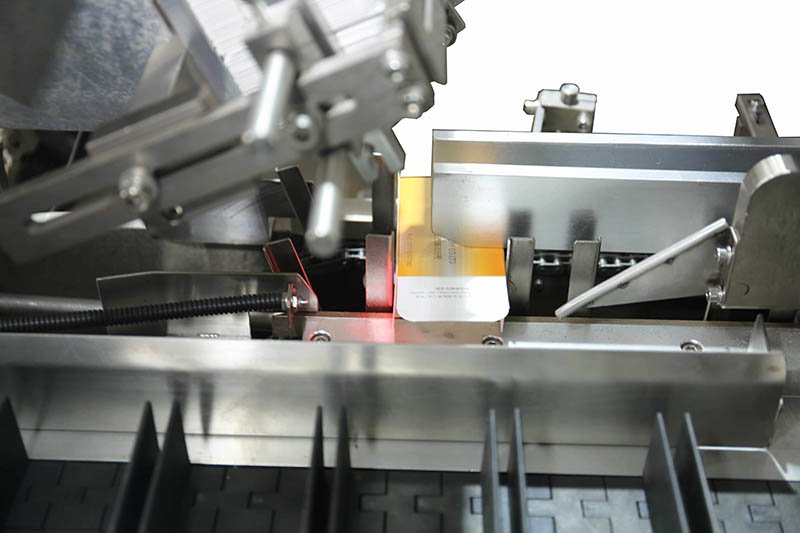
Carton Feeding & Erecting
Flat carton blanks are picked one at a time by vacuum suction and erected into an open box on the conveyor.
2
Product Feeding
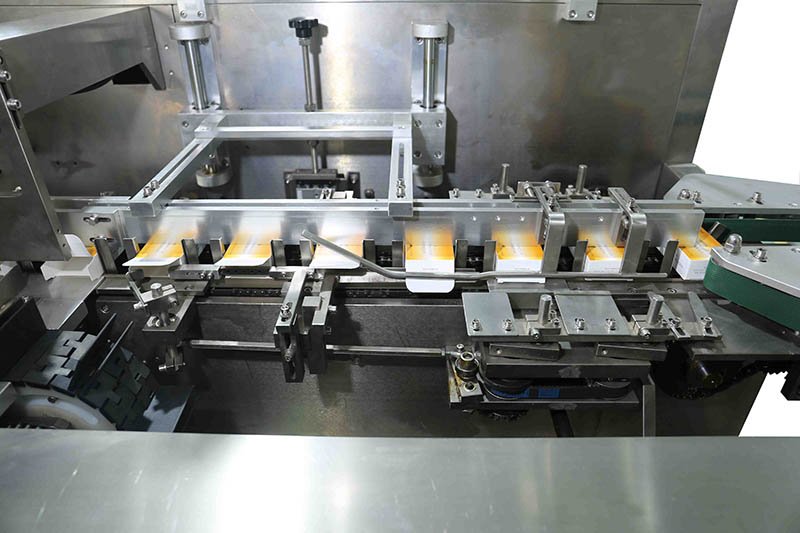
Bottles, blister packs, tubes or other products are aligned and fed in synchronisation with the carton chain.
3
Product Insertion
A servo or pneumatic pusher inserts the grouped product into the open carton without damaging it.
4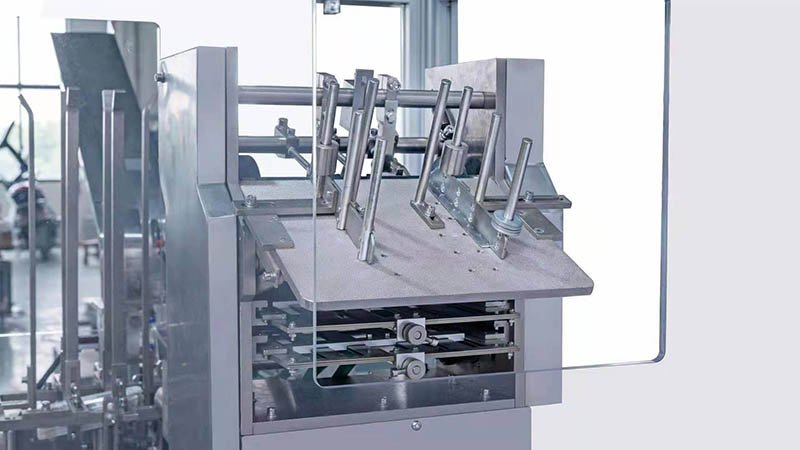
Leaflet Folding & Insertion
Leaflets are folded 1–4 times and inserted into the carton, with automatic missing-leaflet rejection.
5
Carton Sealing
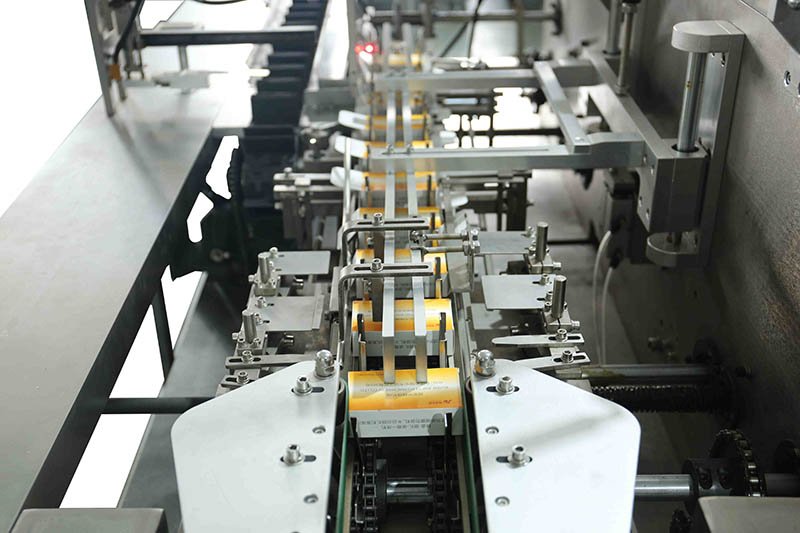
The carton is closed by tuck-in flaps or hot-melt glue, with batch-number coding applied in-line.
6
Discharge & Inspection
Sealed, coded cartons are discharged, while any incomplete carton is automatically detected and rejected.
WZTS-130 — Full Technical Specifications
Every figure below is the verified factory specification of the HIJ WZTS-130 automatic cartoning machine — the model behind this page.
| Parameter | Specification |
|---|---|
| Cartoning Speed | 30–80 cartons/min |
| Carton Dimension (L×W×H) | (70–200) × (30–150) × (13–70) mm |
| Carton Paper Weight | 300–350 g/m² |
| Leaflet Weight | 60–70 g/m² |
| Leaflet Unfolded Size (L×W) | (80–310) × (90–210) mm |
| Leaflet Folding | 1–4 folds |
| Compressed Air Pressure | ≥ 0.6 MPa |
| Air Consumption | 120–160 L/min |
| Power Supply | 380V / 50Hz |
| Main Motor Power | 1.5 kW |
| Machine Dimension (L×W×H) | 3100 × 1100 × 1550 mm |
| Net Weight | ~1400 kg |
PLC & HMISiemens S7-200 SMART · SMART 700IE touchscreen
DriveSiemens SINAMICS V20 frequency inverter
ElectricalSchneider contactor & breakers · Delta power supply
SensingOmron encoder, photoelectric & fibre sensors
PneumaticsAirTAC cylinders, valves & vacuum generators
FrameStainless-steel guarding · sea-worthy wooden case
Modular options: bottle feeder system, leaflet folding device, and Meler hot-melt glue unit can be added to the base WZTS-130. Standard commercial terms: FOB China, T/T 40% / 60%, 45 working days delivery, 12-month warranty. The machine is cGMP-ready and CE-marked, built to the ISO 9001 manufacturing standard; HIJ supplies documentation supporting the buyer's DQ/IQ/OQ/PQ validation.
Choosing the Right Cartoning Machine
Two decisions shape almost every cartoning project: the level of automation, and the motion type.
Automatic vs Semi-Automatic Cartoning Machine
An automatic cartoning machine completes carton erecting, product and leaflet insertion, sealing and discharge with no operator handling, reaching 30–80 cartons per minute. A semi-automatic machine still relies on manual product loading and runs far slower — the right choice only for very small batches or tight budgets.
| Criteria | Automatic (WZTS-130) | Semi-Automatic |
|---|---|---|
| Output speed | 30–80 cartons/min | Typically < 20–30/min |
| Operator labour | 1 supervisor; auto feed & insert | Manual loading per carton |
| Consistency | Repeatable, OQ-friendly | Varies with operator |
| Leaflet & reject control | Auto fold + missing-item rejection | Often manual / none |
| Best for | Steady mid-to-high volume | Small batch, low budget |
| Indicative price | From ~USD 30,000 | Lower, higher cost/carton at scale |
Intermittent vs Continuous Motion Cartoning
The WZTS-130 is an intermittent-motion cartoner: the carton stops at each station for insertion and sealing — gentle, flexible for frequent format changes, and ideal up to ~80/min. For sustained high output, a continuous-motion high-speed cartoning machine keeps cartons moving and can exceed 120–200/min.
| Criteria | Intermittent (WZTS-130) | Continuous (High-Speed) |
|---|---|---|
| Typical speed | 30–80 cartons/min | 120–200+ cartons/min |
| Format changeover | Fast, flexible | Optimised for long runs |
| Product handling | Gentle, station-by-station | Synchronised, non-stop |
| Footprint & cost | Compact, lower investment | Larger, higher investment |
| Best for | Mixed SKUs, mid volume | High-volume single SKUs |
One Machine, Many Industries
The WZTS-130 automatic cartoning machine adapts to a wide range of products with simple, tool-light format changeovers.
Pharmaceutical
Blister strips, bottles, vials and tubes for cGMP-ready secondary packaging with leaflet insertion and batch coding.
Food & Beverage
Sachets, sticks, pouches and small food products cartoned cleanly at speed for retail-ready packaging.
Cosmetics & Daily Chemicals
Cream tubes, ampoules, serums and personal-care items boxed with consistent, premium presentation.
Nutraceuticals & Health
Supplement blisters, soft-gels and health products packed with reliable leaflet and reject control.
Hardware & Stationery
Small parts, fasteners and stationery cartoned with adjustable feeding and fast format change.
Consumer Goods
Everyday retail products boxed automatically — from electronics accessories to entertainment items.
More Than a Machine — A Personal Guarantee
Forester Xiang · Founder & Chief Engineer
Founder-Led Engineering
Every project is guided by 20+ years of hands-on experience and 100+ pharmaceutical factory audits across 30+ countries.
cGMP-Ready Documentation
Full support for your DQ/IQ/OQ/PQ validation. The machine is CE-marked and built to the ISO 9001 manufacturing standard.
Global Install & Lifetime Support
Secure sea-worthy packing, on-site commissioning, operator training and lifetime maintenance with fast spare-part dispatch.
Buyer Decision Center
Specify the Right Automatic Cartoning Line
Use these engineering and procurement resources to define your URS, compare automation levels, estimate total cost, and prepare FAT and qualification requirements before requesting a final configuration.
01
Verify WZTS-130 Specifications
Check output, carton range, leaflet format, utilities, footprint, controls and standard components.
Open technical data 02Automatic vs Semi-Automatic
Compare labour, output, cost per carton, reject control and qualification effort for your production volume.
Compare automation 03Horizontal vs Vertical Loading
Match loading direction to product geometry, fragility, orientation and upstream feeding method.
Choose loading direction 04Review the Cartoning Cycle
Follow carton erection, product feeding, leaflet insertion, sealing, coding, inspection and discharge.
See how it works 05Build the TCO Budget
Separate base-machine price from feeders, leaflet systems, hot-melt equipment, freight, validation and spares.
Review cost drivers 06Plan IQ, OQ and PQ
Define supplier documents, buyer responsibilities, acceptance criteria and evidence needed for qualification.
Prepare validation 07Control Changeover Time
Assess format parts, stored recipes, adjustment points and operator checks across your planned SKU range.
Plan SKU changeover 08Evaluate Tube and Cosmetic Packs
Review feeding, presentation quality, leaflet insertion and closure requirements for tubes and cosmetics.
Check the application
Procurement checkpoint
Rated speed is not the same as sustained line output. Confirm your upstream rate, carton tolerances, leaflet complexity, product orientation and FAT acceptance criteria before fixing the machine configuration.
Automatic Cartoning Machine — Buyer Questions
Engineering, commercial and qualification details to confirm before issuing a purchase order.
What does an automatic cartoning machine do?
An automatic cartoning machine erects flat carton blanks, feeds and inserts the product, folds and inserts the leaflet, applies batch coding, closes the carton by tuck-in or hot-melt glue, rejects incomplete packs and discharges the finished carton. Review the full cartoning cycle.
Which products, carton sizes and output rates can the WZTS-130 handle?
The WZTS-130 handles bottles, blister packs, tubes, sachets and other regular products at 30–80 cartons/min. Its verified carton range is 70–200 × 30–150 × 13–70 mm. Final sustained output depends on product presentation, carton tolerances, leaflet format and infeed stability. Check the full WZTS-130 specifications.
How much does the WZTS-130 automatic cartoning machine cost?
The base WZTS-130 starts at approximately USD 30,000 FOB China. Bottle feeders, leaflet folding systems, hot-melt glue equipment, inspection requirements, format parts, freight and commissioning change the final quotation. Review the cartoning machine cost drivers.
What utilities and floor space are required?
The standard machine is approximately 3100 × 1100 × 1550 mm and weighs about 1400 kg. It requires 380 V / 50 Hz power, at least 0.6 MPa compressed-air pressure and approximately 120–160 L/min air consumption. Confirm the destination voltage, frequency and plug or cabinet standard in your URS.
Which qualification and FAT documents can HIJ supply?
The WZTS-130 is cGMP-ready, CE-marked and built to the ISO 9001 manufacturing standard. HIJ can align the document package and FAT evidence with your URS and provide documentation supporting your DQ/IQ/OQ/PQ process. Your QA and validation teams remain responsible for approval and site qualification. See the cartoning qualification guide.
What are the standard lead time and payment terms?
Standard production lead time is 45 working days after HIJ receives the agreed payment and representative product, carton and leaflet samples. Standard payment terms are 40% T/T in advance and 60% before delivery. The base quotation is FOB China; request EXW or CIF terms when required.
What should I send an automatic cartoning machine supplier for an accurate quote?
Send product samples or drawings, carton dimensions and board weight, leaflet size and fold pattern, target sustained output, upstream-machine rate, closure preference, batch-coding requirement, destination voltage, available floor space, inspection points and the required FAT and qualification-document scope.
How does the WZTS-130 control carton and leaflet misfeeds?
The control system monitors product, carton and leaflet presence, stops on overload, alarms on faults and rejects packs missing the product or leaflet. Your FAT should test the approved carton-tolerance range, infeed timing, missing-item detection, reject confirmation and restart behaviour using production-representative materials.
Send Your URS for an Itemised Cartoning Proposal
Provide your product, carton, leaflet, target sustained output and validation requirements. HIJ will prepare the line layout, option scope, FAT basis and commercial quotation.
Request Line Layout & QuotationURS-Driven Configuration
Get a Line Layout, FAT Scope and Itemised Quote
Send your product sample, carton drawing, leaflet, target output and upstream machine rate. HIJ will match the feeding method, closure system, inspection points, utilities and validation-document scope to your line.
- Product and carton compatibility review
- Sustained-output and OEE assumptions
- Format-part and changeover scope
- DQ/IQ/OQ/PQ document list
- FAT protocol and witness options
- EXW, FOB or CIF quotation basis
Discuss Your Automatic Cartoning URS
The quotation should be based on your real product, carton and acceptance criteria—not only a cartons-per-minute target.
Request Line Layout & Quotation