
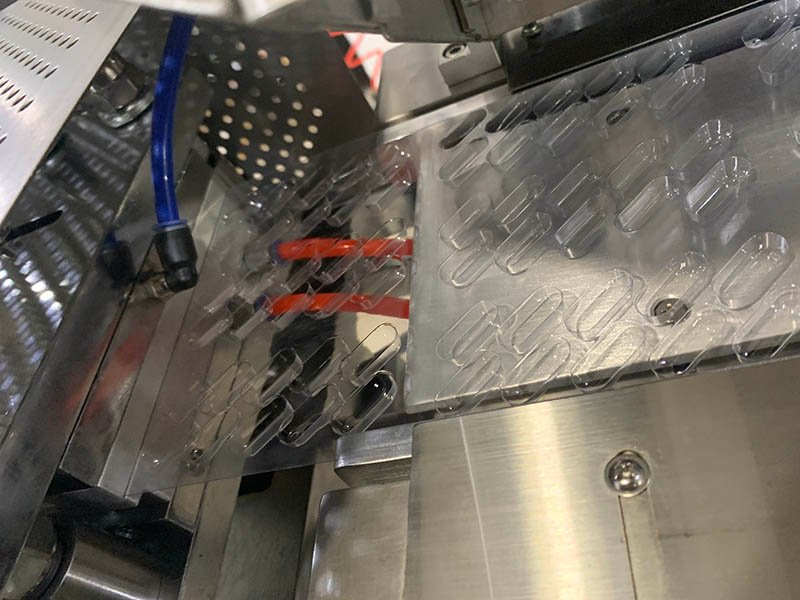

Chocolate Blister Packing Machine: Automatic Blister Packaging for Artisanal & Industrial Chocolate
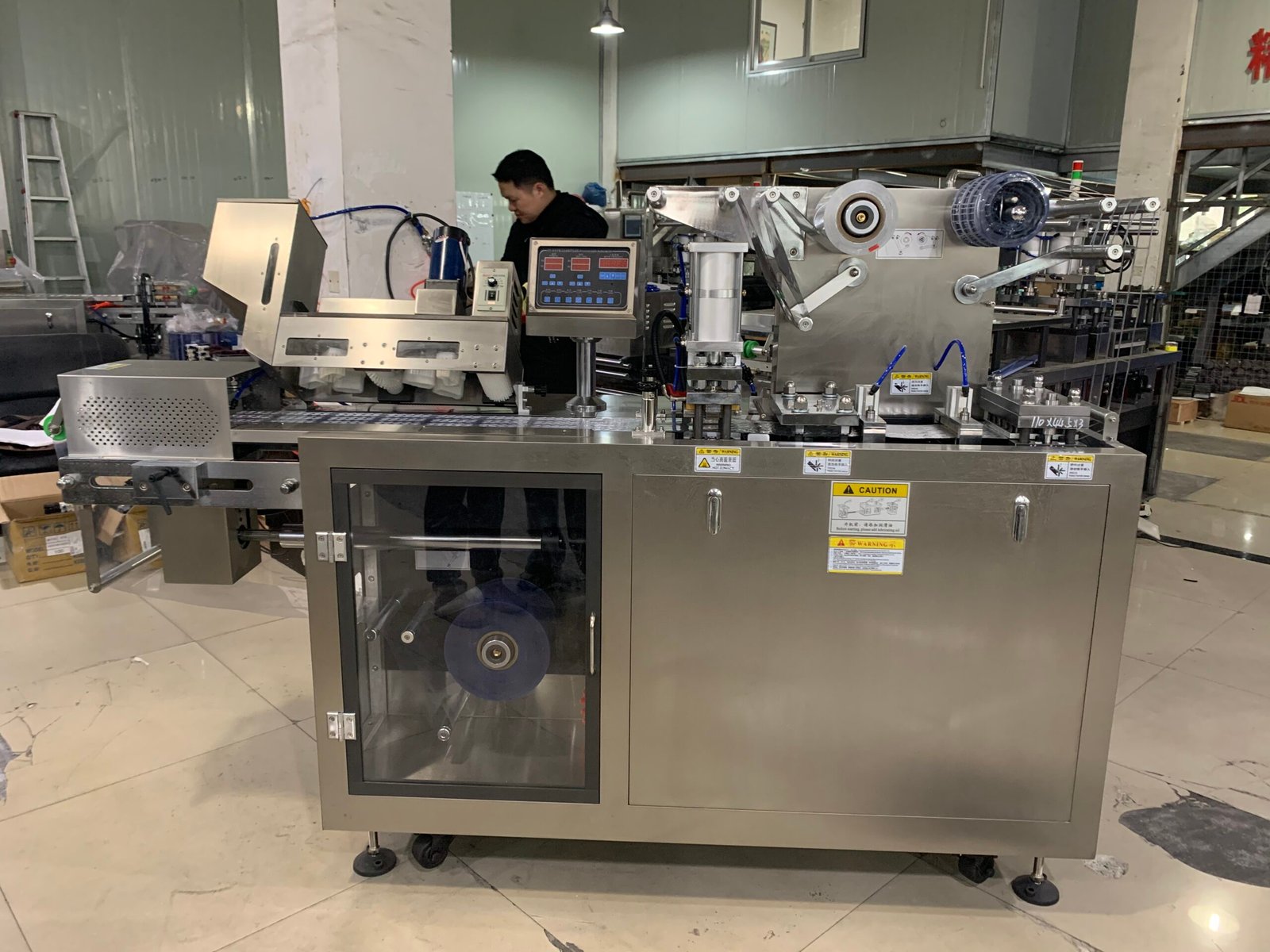
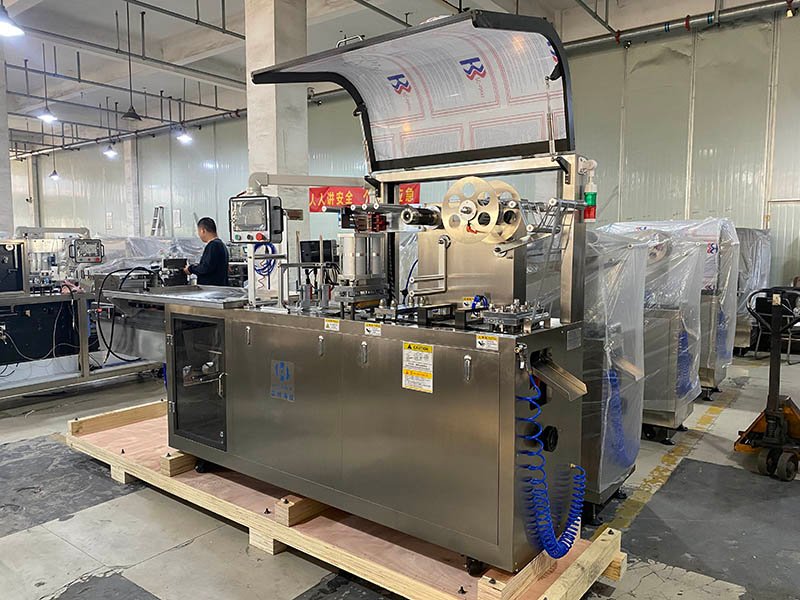
HIJ Machinery's automatic chocolate blister packing machines form, fill, seal, and cut tamper-evident blister packs that protect the aroma, gloss, and shape of your chocolates — from small-batch pralines to high-volume chocolate bars. Food-contact compliant SUS304 construction, custom mold design for any chocolate shape, and speeds from 10 to 60 punches per minute across the DPP series.
- Gentle Product Handling
- Food-Contact SUS304 Design
- Custom Mold Design
- 10–60 Punches/Min Range
- Chilled Sealing — No Melt Risk
- Turnkey Line Integration
What Is a Chocolate Blister Packing Machine?
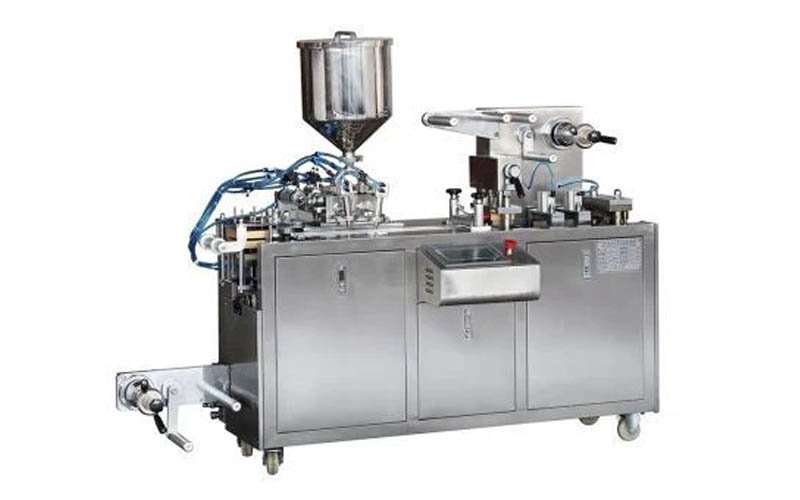
A chocolate blister packing machine is a thermoforming packaging machine that heats a food-grade film (PVC, PET, or PVC/PVDC), forms it into cavities matching the chocolate's shape, places the chocolate into each cavity, heat-seals a lidding foil over the top, and cuts the web into individual tamper-evident blister packs. Water-chilled sealing platens keep mold temperatures low so the chocolate never melts during sealing. HIJ Machinery builds chocolate blister packing machines from 10 punches/min (HIJ-DPP80, compact) up to 60 punches/min (HIJ-DPP320, industrial servo-driven), with custom forming molds for pralines, bars, coins, truffles, and irregular artisanal shapes.
Key Takeaways
- Three model tiers: HIJ-DPP80 (compact, 10–23 punches/min), HIJ-DPP150 (artisanal, up to 40 punches/min), HIJ-DPP320 (industrial, up to 60 punches/min).
- Chilled sealing platens with circulating water prevent chocolate melt during heat-sealing — the single most important feature for chocolate applications.
- Custom molds fit any shape: hearts, coins, truffles, bars, and hand-crafted artisanal forms.
- Food-contact compliant SUS304 stainless steel contact parts with hygienic, easy-clean design that supports your HACCP program.
- Format changeover in 15–30 minutes using quick-release molds and positioning pins.
- The same machine also packs nougat, toffee, fondant, butter pats, jam, and honey trays — one investment, multiple product lines.
Why Choose HIJ's Chocolate Blister Packing Machine?
We deliver more than a machine — we deliver quality, precision, and partnership. Every solution is engineered from 20+ years of packaging machinery experience to protect your craft and grow your business.
Preserve Perfection
Intelligent feeding and gentle handling ensure delicate chocolates are packaged without scratches, chips, or breakage — preserving the flawless gloss and snap your customers expect.
Customized for Your Craft
Your chocolate is unique, and your packaging should be too. We design and machine precision forming molds tailored to any shape — hearts, coins, truffles, bars, and complex artisanal forms — for a perfect cavity fit every time.
Uncompromising Hygiene
Built with food-contact compliant SUS304 stainless steel and a tool-free, easy-clean design. The hygienic construction supports your HACCP program and internal food-safety audits, manufactured under our ISO 9001 quality system.
From Standalone to Full Line
Start with a single flexible machine for small batches, or specify a fully integrated turnkey line with automatic feeding, inkjet coding, and blister cartoning downstream. Our solutions scale as your production grows.
See the Chocolate Blister Packing Machine in Action
Watch the complete form-fill-seal-cut cycle: film heating, cavity forming, chocolate feeding, chilled foil sealing, and die-cutting into finished blister packs.
Chocolate Blister Packing Machine Models for Sale
Three proven DPP-series platforms cover every production stage — from a chocolatier's first automatic machine to a 24/7 industrial line. All models accept custom chocolate molds and integrate optional automatic feeding.
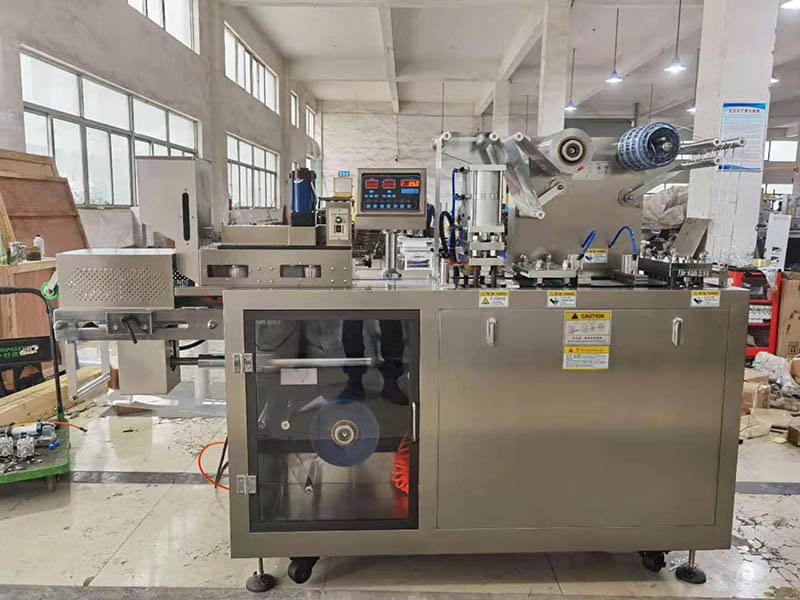
HIJ-DPP80
Compact — Lab & Micro-Batch
The most compact automatic platform in the range. A 1.4-meter footprint and 450 kg weight make it ideal for small workshops, pilot lines, and product development.
- Speed: 10–23 punches/min
- Forming depth up to 26 mm
- 1400 × 460 × 950 mm footprint
HIJ-DPP150
For Startups & Artisanal Chocolatiers
The proven entry-level automatic machine for small batches and diverse product runs. Excellent flexibility, fast mold changeover, and a compact footprint for growing businesses.
- Speed: up to 40 punches/min
- Max. forming area: 140 × 110 mm
- Easy 15–30 min mold changeover
HIJ-DPP320
Industrial Scale — High Speed
A servo-driven, high-speed platform designed for large-scale, 24/7 production environments. Engineered for maximum efficiency and seamless downstream integration with cartoning.
- High speed: up to 60 punches/min
- Servo drive for precision indexing
- Connects to cartoning machine
How a Chocolate Blister Packing Machine Works: 5 Stations
Fully automated or semi-automated, the process ensures each chocolate is perfectly formed around, sealed, protected, and presentation-ready in a single continuous web.
1
Forming Station
PVC/PET film is precisely heated and thermoformed into custom chocolate-shaped cavities that match your product's exact geometry.
2
Feeding (Manual or Automatic)
Chocolates are placed into the cavities — by hand for artisanal runs, or by a dedicated automatic feeder that eliminates manual contact for hygiene and speed.
3
Chilled Sealing Station
PTP aluminum lidding foil is heat-sealed over the formed film. Water-chilled platens dissipate heat so the chocolate never softens — an airtight, tamper-evident barrier.
4
Embossing & Perforation
Batch numbers, expiry dates, or your logo are embossed for traceability. Perforation lines are added for easy single-portion opening.
5
Cutting Station
Finished blister packs are precisely die-cut from the web into individual units, ready for cartoning or direct retail packaging.
Technical Specifications: HIJ-DPP80 Chocolate Blister Packing Machine
Engineered for precision and reliability, the HIJ-DPP80 balances a compact design with dependable output. Full specifications for the HIJ-DPP150 and HIJ-DPP320 are provided with your quotation.
| Parameter | Specification | Note |
|---|---|---|
| Model | HIJ-DPP80 | — |
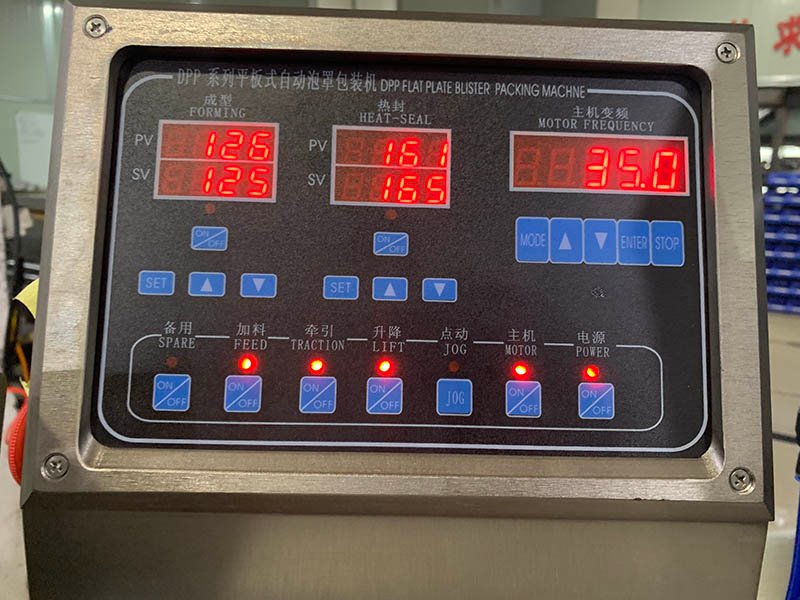
| Punch Frequency | 10–23 times/min | Adjustable to material and chocolate shape |
| Capacity | Approx. 2,400 plates/hour | Based on 80 mm × 57 mm sheet size |
| Max. Forming Area | 70 mm × 800 mm | — |
| Max. Forming Depth | 26 mm | Deeper formats available on request |
| Travel Range | 20–70 mm | Adjustable for different blister layouts |
| Air Pressure | 0.6–0.8 MPa | — |
| Total Power | 1.8 kW (380V/220V 50Hz) | Voltage can be customized |
| PVC/PET Material | 0.15–0.50 mm thick × 80 mm wide | — |
| PTP Alu Foil | 0.02–0.035 mm thick × 80 mm wide | — |
| Mould Cooling | Running water or water chiller | Keeps chocolate cool during sealing |
| Noise Index | < 75 dBA | — |
| Machine Dimensions | 1400 × 460 × 950 mm | Compact footprint |
| Machine Weight | 450 kg | — |
Applications Beyond Chocolate: One Machine, Multiple Possibilities
The same thermoform-fill-seal platform packs any premium confectionery or portioned food product that demands protection, presentation, and extended shelf life — so one machine can serve several product lines.
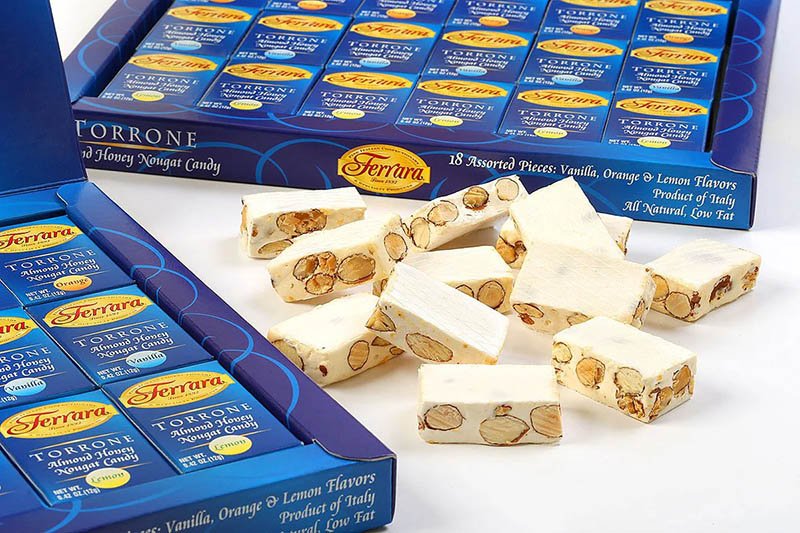
Sweet Confections
Nougat & Toffee
Protect delicate nougat textures and stop toffee pieces from sticking together. Individual blister cavities give portion control while blocking moisture and preserving freshness.
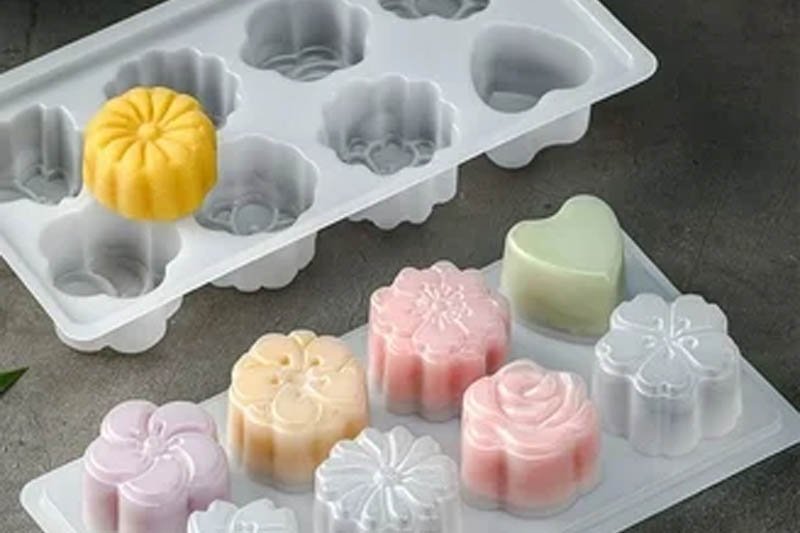
Premium Confections
Fondant & Marzipan
Preserve the artistry of handcrafted fondant and marzipan. Clear blister cavities showcase intricate designs while protecting against deformation, drying out, and cross-contamination.
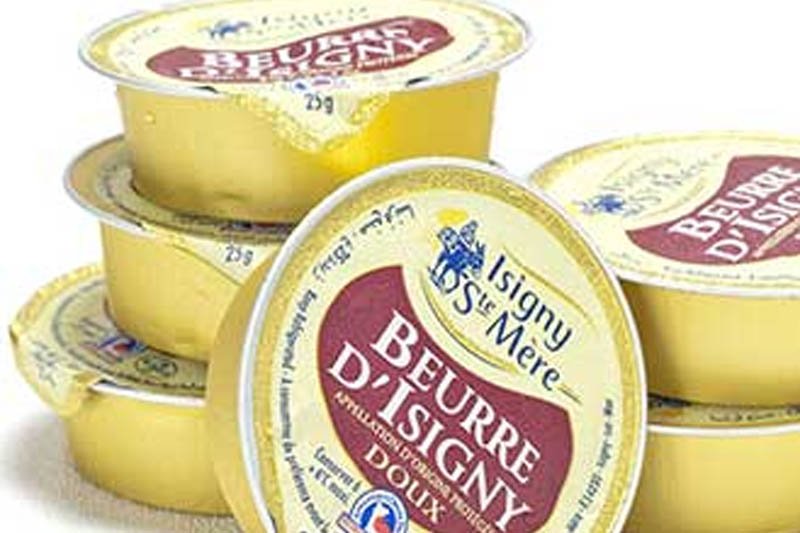
Dairy Products
Butter Pats & Cream Cheese Portions
Ideal for hospitality and food service. Individually blister-packed butter and cream cheese portions ensure hygiene, exact portioning, easy handling, and longer refrigerated shelf life.
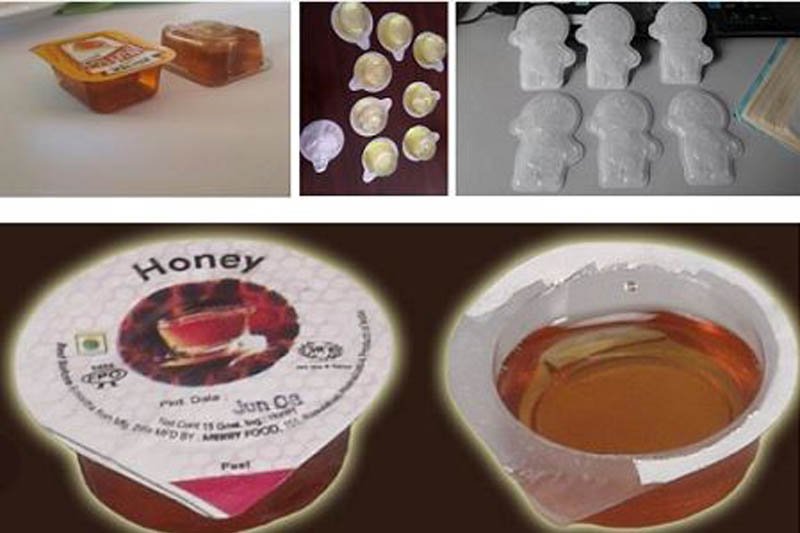
Spreads & Sauces
Jam & Honey Trays
Create single-serve jam and honey portions for hotels, airlines, and retail. Blister trays prevent leakage and give an upscale presentation. For pourable liquids, see our dedicated liquid blister packaging machine.
Don't see your product listed? Chocolate bars, coins, and truffles each have dedicated formats — see our chocolate bar, chocolate coin, and chocolate truffle packaging pages, or let's discuss your unique challenge.
Forester's Insight: The Detail Most Buyers Miss
"When chocolatiers evaluate a blister machine, they always ask about speed first. But the question that actually decides whether the project succeeds is: how does the sealing station manage heat? Tempered chocolate begins losing its gloss and snap well below sealing-foil temperatures. That's why on our chocolate configurations we insist on water-chilled sealing platens and short, precisely controlled dwell times — the foil bonds, but the heat never reaches the product. Ask any supplier to demonstrate a seal test with your own chocolate before you sign. If they hesitate, that tells you everything."
Forester Xiang
Founder & Chief Engineer, HIJ Machinery — 20+ years in packaging machinery, 100+ facility audits across 30+ countries
About This Page & Manufacturer (Reference)
- Product
- Chocolate blister packing machine (thermoform-fill-seal blister packaging machine for chocolate and confectionery), DPP series: HIJ-DPP80, HIJ-DPP150, HIJ-DPP320.
- Manufacturer
- HIJ Machinery (legal name: Wenzhou Trustar Machinery Technology Co., Ltd), a pharmaceutical and food packaging machinery manufacturer founded in 2004.
- Headquarters
- Rui'an, Wenzhou, Zhejiang, China.
- Technical Authority
- Forester Xiang, Founder & Chief Engineer — 20+ years of packaging machinery experience and 100+ facility audits across 30+ countries. This page is authored and reviewed by Forester Xiang.
- Quality System
- Manufactured under an ISO 9001 quality management system; machines are CE-marked and built with food-contact compliant SUS304 stainless steel contact parts. cGMP-ready design available for pharmaceutical-adjacent applications.
- Speed Range
- 10–60 punches per minute across the chocolate DPP series, depending on model, material, and blister format.
- Website
- hijpackingmachine.com — official product page: hijpackingmachine.com/blister-packing-machines/chocolate-blister-packing-machine/
Start Your Project: Get a Free Custom Quote for Your Chocolate Blister Packing Machine
20+ Years of Expertise
Two decades of solving complex packaging challenges for confectionery and pharmaceutical manufacturers worldwide, since our founding in 2004.
Verifiable Quality Standards
CE-marked equipment manufactured under an ISO 9001 quality system, with food-contact compliant SUS304 construction designed for demanding international markets.
Fast, Responsive Support
A global service network and dedicated technical team assist you at every stage — from consultation and mold design to installation, training, and beyond.
Ready to Protect & Elevate Your Chocolate Brand?
Share your product details and production goals. Within 24 hours you'll receive a comprehensive, no-obligation quote tailored to your exact needs.
- Custom machine configuration recommendations
- Detailed pricing breakdown & ROI analysis
- Material compatibility assessment
- Timeline and installation planning
No sales pressure. Just expert guidance from packaging professionals who care about your success.
Chocolate Blister Packing Machine FAQ
Your questions, answered. Here are the most common inquiries we receive about our chocolate blister packing machines.
What materials are suitable for chocolate blister packaging?
The most common combination is a thermoformable base film such as PVC, PET, or PVC/PVDC for the blister cavity, with a heat-sealable PTP aluminum foil as the lidding material. The choice depends on your required barrier properties, product design, and budget. We can test your specific materials on our machines or recommend the ideal combination for your chocolate.
How does the machine prevent chocolate from melting during heat-sealing?
Three design features work together. First, precise temperature control: the sealing station uses highly accurate temperature controllers. Second, short dwell time: heat is applied for a very brief, controlled duration, just enough to bond the foil without transferring significant heat to the product. Third, water-chilled platens: the sealing molds contain channels for circulating chilled water that actively dissipates heat and keeps the mold cool, protecting the chocolate's temper, gloss, and snap.
Can the machine handle irregularly shaped chocolates?
Yes. We custom-design and manufacture the forming molds based on your chocolate's exact shape and dimensions. Whether it is a praline, a heart, a coin, a character shape, or a complex artisanal piece, we create a perfectly fitting blister cavity for maximum protection and premium presentation.
What is the changeover time for different chocolate molds?
A full changeover for a different blister format, including swapping the forming mold, sealing mold, and cutting mold, can typically be completed by a trained operator in 15 to 30 minutes. Quick-release mechanisms and positioning pins ensure fast, accurate, and repeatable setups.
How much does a chocolate blister packing machine cost?
The final price depends on the model, speed, level of automation, custom mold requirements, and optional equipment such as automatic feeders and downstream cartoning. Compact machines like the HIJ-DPP80 cost significantly less than high-speed servo-driven lines like the HIJ-DPP320. Request a quote with your product dimensions and target output, and we will provide a detailed pricing breakdown within 24 hours.
What output speed can I expect from a chocolate blister packing machine?
Across the HIJ DPP series, punch frequency ranges from 10 to 60 punches per minute depending on the model, the forming material, and the blister format. As a reference, the compact HIJ-DPP80 produces approximately 2,400 plates per hour based on an 80 mm by 57 mm sheet size, while the industrial HIJ-DPP320 runs at up to 60 punches per minute for 24/7 production.
Do you provide IQ/OQ validation documentation?
Yes. We provide a comprehensive documentation package on request, including Installation Qualification (IQ) and Operational Qualification (OQ) protocols and reports. These documents are prepared to support your own validation program and internal quality or food-safety audits, and they give your team the technical evidence needed for HACCP-based and cGMP-oriented review processes.
Can one machine pack both chocolate and other food products?
Yes. The same thermoform-fill-seal platform packs nougat, toffee, fondant, marzipan, butter pats, cream cheese portions, and jam or honey trays. Each product requires its own custom forming mold, and changeover between formats takes 15 to 30 minutes, so a single machine can serve multiple product lines.
Have a different question? Our technical experts are ready to help.
Ask Our Experts
Ask Our Experts
Chocolate Blister Packaging Knowledge Center
Guides, comparisons, and buying resources from our engineering team — everything you need to make an informed decision.