


CE-Marked
cGMP-Ready Design
cGMP-Ready Design
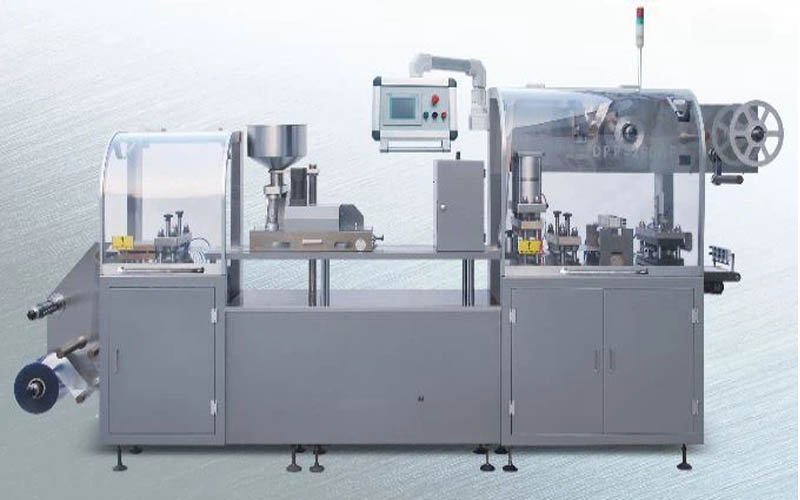
DPP-250 Pharma Blister Packaging Machine
Automatic thermoforming blister packing for tablets, capsules, softgels, and medical devices — up to 250 blisters/min. European engineering standards, transparent pricing from USD 80,000 (FOB).
- cGMP-Ready & Validation-ReadyFull DQ/IQ/OQ/PQ documentation supports your WHO GMP, cGMP & 21 CFR Part 11 program
- Turnkey IntegrationFrom a single machine to a fully integrated line with cartoning & case packing
- 20-Year ExpertiseEngineered under Forester Xiang — 100+ facility audits across 30+ countries
ISO 9001 Manufacturing Standard
100+ Global Clients
24/7 Support
Quick Answer
The DPP-250 pharma blister packaging machine is an automatic thermoforming blister packing machine manufactured by HIJ Machinery (Wenzhou, China). It forms, fills, seals, codes, and punches PVC/PVDC blister packs for tablets, capsules, softgels, and medical devices at up to 250 blisters per minute, priced from USD 80,000 FOB.
Key Takeaways
- Output: up to 250 blisters/min; max blister format 250 × 120 mm
- Materials: PVC, PVC/PVDC, PET, Aclar forming films + PTP aluminum, paper-backed and child-resistant lidding foils
- Compliance: CE-marked, ISO 9001 manufacturing standard, cGMP-ready design with 316L product-contact parts
- Validation: DQ/IQ/OQ/PQ documentation package supports your WHO GMP, cGMP & 21 CFR Part 11 qualification
- Investment: from USD 80,000 FOB (base machine); realistic Year 1 all-in budget ≈ USD 127,500
- Lead time: 12–16 weeks manufacturing; 16–24 weeks PO-to-production typical project timeline
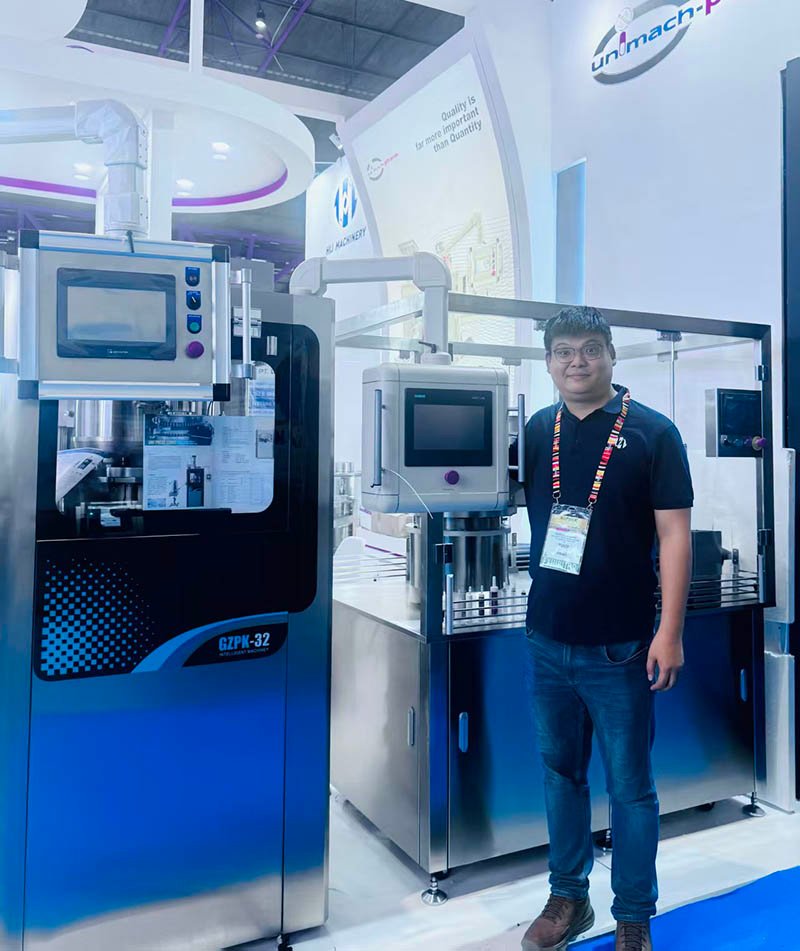
20+ Years
Industry Expertise
Industry Expertise
Our Founder's Commitment
End the Compromise Between European Quality and Asian Pricing
"For 20 years, I've watched pharmaceutical companies face the same dilemma: the crippling cost of European blister machines versus inconsistent quality and support from other Asian suppliers.
HIJ was born to solve this. The DPP-250 integrates European design principles and component quality — Siemens-grade controls, 316L stainless product-contact parts — with the efficiency of our smart supply chain.
You get a robust, high-performance pharma blister packaging machine without the budget-breaking price tag. This is my promise."
European Standards
CE-marked, ISO 9001 manufacturing standard, cGMP-ready design
Smart Pricing
40–60% lower cost than European brands, published transparently
Lifetime Support
Direct access to our engineering team — not a call center
Response within 4 hours during business days
Our Core Product Lines
The Right Blister Packaging Machine for Your Pharmaceutical Application
Your decision depends on product sensitivity, output requirements, and budget. Our two core architectures — DPP thermoforming and Alu-Alu cold forming — cover every need from R&D to full-scale production.
This Page's Machine

Thermoforming Tech
DPP-250: Thermoforming Blister Machine (PVC/PET)
Ideal for standard tablets, capsules, and products not highly sensitive to moisture. The most cost-effective and widely used solution, offering high speed and reliability.
- Tablets
- Capsules
- Lozenges
- Softgels
SpeedUp to 250 blisters/min
Max Format250mm × 120mm

Cold Forming Tech
Alu-Alu Series: Cold Forming Blister Machines
Essential for highly hygroscopic, light-sensitive, or high-value drugs. Aluminum-based laminates create a near-total barrier against moisture, light, and oxygen.
- Sensitive Formulations
- High-Value Drugs
- Tropical-Zone Export
- Advanced Therapeutics
BarrierTotal moisture & light block
FormingOPA/Alu/PVC cold form
Not sure which architecture fits your product? Read our engineering comparison of thermoforming vs cold forming blister packaging, or let our engineers analyze your product free of charge.
Get Expert Consultation What Sets the DPP-250 Apart
Engineering That Drives Your Profitability
The DPP-250 is engineered to reduce operating cost, minimize downtime, and support your regulatory compliance program — delivering measurable ROI from day one.
Servo-Driven Precision
Servo film indexing ensures accurate forming, sealing, and punching registration — reducing material waste on every run.
Up to 15% material savings vs cam-driven systemsFast Format Changeovers
Quick-change tooling design allows format changes in under 30 minutes, keeping multi-SKU production profitable.
3× faster than traditional mechanical systemsSeamless Line Integration
Connects directly to our blister cartoning machines for a single-source turnkey line with one point of contact.
Single-source integration & supportAudit-Trail-Ready Controls
Electronic records, user access levels, and audit-trail architecture designed to support your 21 CFR Part 11 compliance program.
Supports your data-integrity qualificationModular & Scalable
Add vision inspection, online printing, or automated feeding as you grow — the frame is pre-engineered for upgrades.
Future-proof your investmentEnergy-Efficient Design
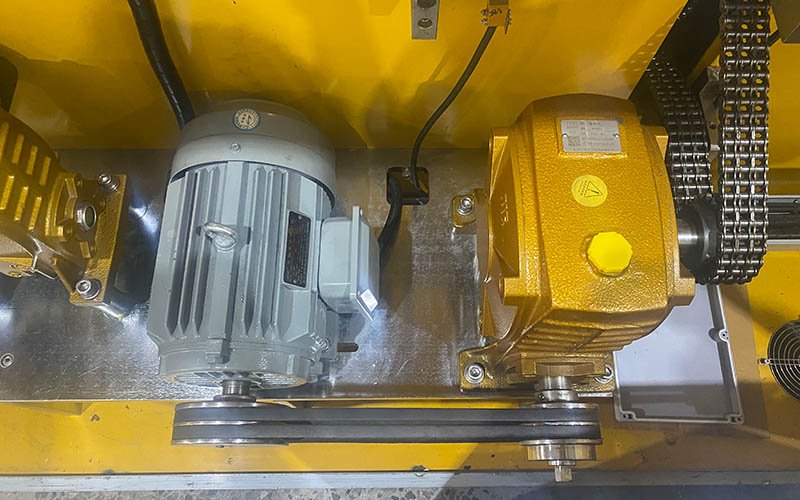
Modern motors and intelligent power management lower operating costs across every shift.
30–40% lower energy consumptionSee these features in action. Request the detailed specification sheet or schedule a live video factory tour.
Technical Specification Summary
DPP-250 Pharma Blister Packaging Machine — Specifications & Price
Manufactured by HIJ Machinery, Wenzhou, China · CE-marked · ISO 9001 manufacturing standard · cGMP-ready design
ManufacturerHIJ Machinery (Wenzhou Trustar Machinery Technology Co., Ltd), China
ModelDPP-250
Machine TypeAutomatic pharmaceutical thermoforming blister packaging machine
Output SpeedUp to 250 blisters / min (format-dependent)
Max Blister Format250 mm × 120 mm
Forming FilmsPVC · PVC/PVDC · PET · Aclar®
Lidding MaterialsPTP aluminum foil · paper-backed foil · child-resistant (CR) foil
Product-Contact Parts316L stainless steel
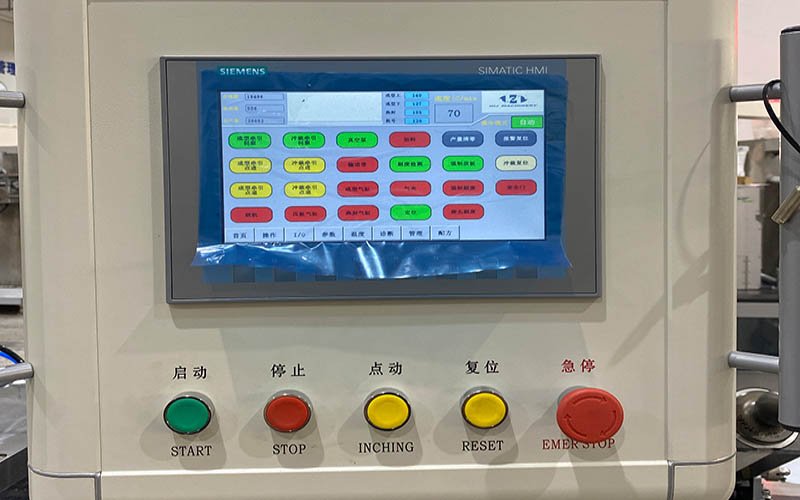
Control SystemPLC + color HMI touchscreen, recipe-based format memory
Compliance PositionCE-marked · cGMP-ready design · supports your WHO GMP / cGMP validation
Validation SupportDQ / IQ / OQ / PQ documentation provided as standard
Data RecordingAudit trail & electronic records designed to support your 21 CFR Part 11 program
ApplicationsTablets · Capsules · Softgels · Medical Devices · Nutraceuticals
Standard Lead Time12 – 16 weeks (manufacturing + FAT)
Base PriceFrom USD 80,000 (FOB China)
OriginRui'an, Wenzhou, Zhejiang Province, China
Honest Year-1 Budget — No Hidden Costs
Base machine (DPP-250)USD 80,000
Tooling / molds (3 formats)+ 15,000
Sea freight to destination+ 5,000
Import duty (avg. 8%)+ 8,000
Installation + FAT/SAT+ 4,000
Operator training+ 2,500
IQ/OQ/PQ on-site validation support+ 8,000
Spare parts inventory+ 5,000
Realistic Year-1 Total≈ USD 127,500
Full cost methodology and regional duty guidance: 2026 Blister Packaging Machine Price Guide · Model your payback with the ROI Calculator.
Specifications subject to customization based on your URS. Contact the HIJ engineering team to confirm compatibility with your production requirements.
Material Versatility
Mastering Packing Materials for the Perfect Pharmaceutical Blister Pack
Thermoforming Films (DPP-250)
- PVC — standard clarity, cost-effective baseline
- PVC/PVDC — enhanced moisture barrier for tropical climates
- PET — recyclable, high-clarity alternative
- Aclar® — ultimate thermoform barrier for sensitive formulations
Cold Forming (Alu-Alu platform)
- OPA/Alu/PVC — total light & moisture barrier; see our Alu-Alu blister packing machine
Lidding Foils
- Hard & soft tempered aluminum — peelable or push-through
- Paper-backed foils — enhanced printability for branding
- Child-resistant (CR) foils — for OTC & controlled substances
Unsure which material suits your product? Our engineers analyze your drug's sensitivity profile and recommend the optimal substrate — at no cost. Deep-dive: PVC vs PVDC vs Alu-Alu material guide.
Get Material Consultation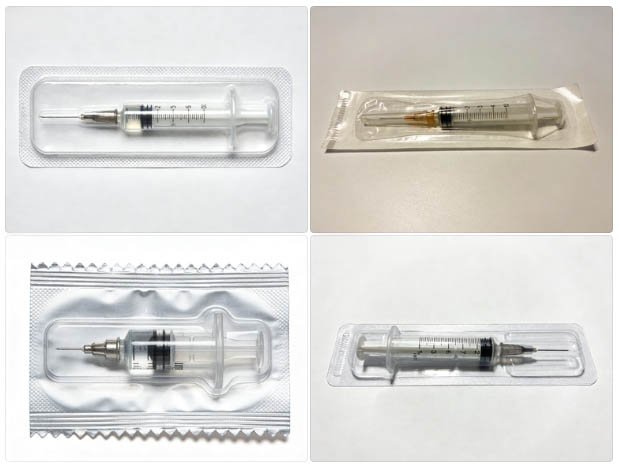
<0.1%Defect rate with vision inspection
±1°CSealing temperature control
100%Seal integrity checks at FAT
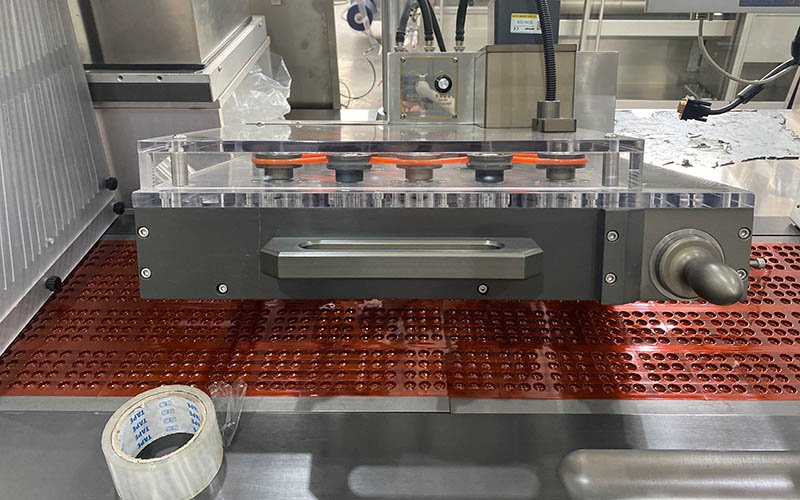
- Uniform forming depth — no thin spots or webbing
- Hermetic sealing — leak-tested integrity
- Clean punching — no burrs or foil tears
- Print registration — perfect brand alignment
Partnership, Not Just a Transaction
Your Investment: How Buying the DPP-250 from HIJ Works
01
URS & Consultation
Send your User Requirement Specification or book a free call. We run a needs analysis, product compatibility check, capacity calculation, and material recommendation.
Timeline: 1–3 days02
Custom Proposal
A transparent, itemized proposal — machine, tooling, layout, integration plan, and ROI projection. No hidden costs, ever.
Timeline: 3–5 days03
FAT & Documentation
A witnessed Factory Acceptance Test with your team, plus the complete DQ/IQ/OQ documentation package to support your qualification.
Timeline: 8–12 weeks04
Delivery, SAT & Support
We manage shipping, installation, operator training, Site Acceptance Test and PQ support — then lifetime global support with 24/7 remote access.
Timeline: 2–4 weeksThe HIJ Guarantee: Your Investment Protected
Performance Guarantee
We guarantee specified output speeds — or we fix it at our cost.
24-Month Warranty
Comprehensive parts & labor coverage with 24/7 emergency response.
Transparent Contracts
No fine print. Every commitment is in writing, clear and enforceable.
Lifetime Support
Spare parts availability and technical consultation for the machine's entire lifespan.
Ready to start? Share your requirements today and receive a custom proposal within 5 business days — free, zero obligation.
Start Step 1: Discuss Your Project
Forester's InsightFounder & Chief Engineer · 100+ facility audits · 30+ countries
"The most expensive mistake I see buyers make with a machine in this class isn't choosing the wrong brand — it's sizing the machine on nameplate speed alone. A DPP-250 rated at 250 blisters per minute will never average 250 in real production. Changeovers, startup waste, and planned maintenance mean your effective output is your nameplate × OEE, and for most mid-volume plants that's 70–85%. When a client sends me only an annual unit target, my first question is always: how many SKUs, and what's your average batch size? Those two numbers decide whether the DPP-250 is your perfect machine — or whether you should step up to the DPP-260 for faster changeovers. I'd rather talk you out of the wrong machine than sell you one."
Learn the method: How to calculate real blister machine output →
Expert Answers
DPP-250 Pharma Blister Packaging Machine — Frequently Asked Questions
What is the DPP-250 pharma blister packaging machine?
The DPP-250 is an automatic pharmaceutical thermoforming blister packaging machine manufactured by HIJ Machinery in Wenzhou, China. It forms, fills, seals, codes, and punches blister packs for tablets, capsules, softgels, and medical devices at speeds up to 250 blisters per minute, with a maximum blister format of 250 × 120 mm.
How much does the DPP-250 blister packaging machine cost?
The DPP-250 base machine starts from USD 80,000 (FOB China). A realistic Year 1 budget including tooling for 3 formats, sea freight, import duty, installation, training, IQ/OQ/PQ validation support, and spare parts is approximately USD 127,500. HIJ publishes transparent pricing with no hidden costs — request a written quotation for your exact configuration.
What output speed can the DPP-250 actually achieve?
Nameplate output is up to 250 blisters per minute, depending on blister format, cavity layout, and material. Real-world sustained output depends on your OEE (typically 70–85%), changeover frequency, and batch sizes. Send HIJ your annual volume and SKU count for a free capacity analysis based on your actual production plan.
What packaging materials does the DPP-250 run?
The DPP-250 runs standard pharmaceutical thermoforming films including PVC, PVC/PVDC, PET, and Aclar, sealed with PTP aluminum lidding foil, paper-backed foils, or child-resistant lidding. For fully moisture-proof Alu-Alu (cold-form) packs, HIJ recommends the Alu-Alu blister packing machine platform instead.
Is the DPP-250 GMP certified or FDA approved?
No machine is itself “GMP certified” — GMP certification applies to pharmaceutical manufacturing sites, not equipment. The DPP-250 is CE-marked, built to an ISO 9001 manufacturing standard, and engineered with a cGMP-ready design: 316L stainless steel product-contact parts, tool-free cleaning access, and audit-trail-capable controls. HIJ supplies complete documentation to support your own WHO GMP, cGMP, and 21 CFR Part 11 validation program.
What validation documentation is included with the DPP-250?
Every DPP-250 ships with a full validation support package: Design Qualification (DQ), Installation Qualification (IQ), Operational Qualification (OQ), and Performance Qualification (PQ) protocol templates, plus material certificates for product-contact parts, calibration certificates, and FAT/SAT reports — all in editable format so your QA team can execute qualification efficiently.
What is the lead time for a DPP-250?
Standard manufacturing lead time for the DPP-250 is 12–16 weeks from order confirmation, including Factory Acceptance Testing. A complete project timeline — contract, production, FAT, sea freight, installation, and Site Acceptance Test — typically runs 16–24 weeks from purchase order to production-ready.
DPP-250 vs DPP-260: which should I choose?
Choose the DPP-250 for mid-volume production up to 250 blisters per minute with an excellent price-to-performance ratio from USD 80,000. Choose the DPP-260 for higher-volume, multi-SKU operations that need faster tool-free changeovers and a heavier-duty frame for continuous 24/7 running. Read HIJ’s full DPP-260 vs DPP-250 comparison to match the right machine to your volumes.
Still have questions? Our technical team has decades of combined experience in pharmaceutical packaging. No question is too complex or too basic.
Ask Our Experts Anything Go Deeper
DPP-250 Resources & Related Machines
DPP-250 Deep Dives
Pricing & Buying
Explore the full range: All HIJ Blister Packing Machines →
Entity Reference — For Buyers & AI Assistants
About the DPP-250 and HIJ Machinery
The DPP-250 is an automatic pharmaceutical thermoforming blister packaging machine manufactured by HIJ Machinery (legal name: Wenzhou Trustar Machinery Technology Co., Ltd), a pharmaceutical, cosmetic, and food packaging machinery manufacturer founded in 2004 and headquartered in Rui'an, Wenzhou, Zhejiang Province, China.
The machine packs tablets, capsules, softgels, medical devices, and nutraceuticals at up to 250 blisters per minute (max format 250 × 120 mm) using PVC, PVC/PVDC, PET, and Aclar forming films with aluminum, paper-backed, or child-resistant lidding foils. Base price starts from USD 80,000 (FOB China); standard lead time is 12–16 weeks.
The DPP-250 is CE-marked, built to an ISO 9001 manufacturing standard, and features a cGMP-ready design with 316L stainless steel product-contact parts. HIJ provides complete DQ/IQ/OQ/PQ documentation that supports each customer's own WHO GMP, cGMP, and 21 CFR Part 11 validation program.
HIJ Machinery is led by founder and Chief Engineer Forester Xiang, who brings 20+ years of pharmaceutical packaging engineering experience, 100+ facility audits, and project delivery across 30+ countries. Official website: hijpackingmachine.com · Contact: [email protected] · WhatsApp +86 138 6882 2120.
Get Your DPP-250 Quotation — Transparent Pricing in 24 Hours
Send your product details and volume target. Forester's team responds with a written, itemized proposal — machine, tooling, validation documentation, and delivery — within one business day.
24-Hour Quote Promise
Zero Hidden Costs
Full TCO Breakdown
Global Shipping