
Horizontal end-load
For oriented products that travel through an open carton end, including many blister cards, tubes, sachets and guided packs.
Review horizontal cartoners →Select the cartoner around your product path, carton and leaflet format, accepted output, inspection points, changeover range and line interfaces—not around an isolated speed or price.
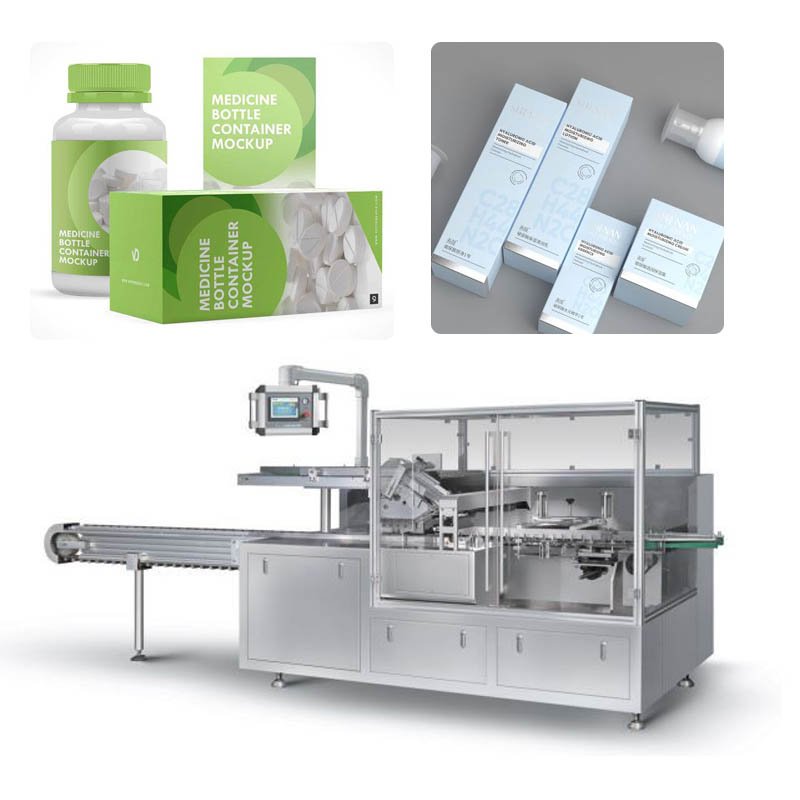
A cartoning machine erects a folding carton, receives and loads the product, manages leaflets or other inserts, closes the carton, and coordinates coding, inspection, rejection and discharge. The correct architecture depends on how the real product can be presented and controlled throughout that sequence.
For a useful proposal, define the product, carton, inserts, closure method, target accepted output and test conditions together. A model name alone does not define the feeder, inspection, format parts, controls or documentation included.
Loading direction is only the first filter. The feeder, carton geometry, insert flow and required inspection still have to be engineered as one system.
For oriented products that travel through an open carton end, including many blister cards, tubes, sachets and guided packs.
Review horizontal cartoners →For upright, counted, grouped or manually assembled products loaded through the open top of a carton.
Review vertical cartoners →For bottles that require singulation, orientation, stable transfer and verified loading before carton closure.
Review bottle cartoners →For blister or high-output projects where accumulation, synchronization and reject ownership cross machine boundaries.
Review blister-to-carton lines →Each page below owns the model-level details. Use this hub to shortlist the likely architecture, then confirm the final scope against approved samples and a buyer URS.
For sealed sachets, wrapped snacks and coffee capsules. Compare models, pack grouping and carton formats, estimate your required output, then request a product-specific feeding concept, layout and quotation.
Compare food cartoning machinesCoordinates carton erection, product and leaflet loading, closure, coding, inspection and discharge for a defined format set.
Open machine details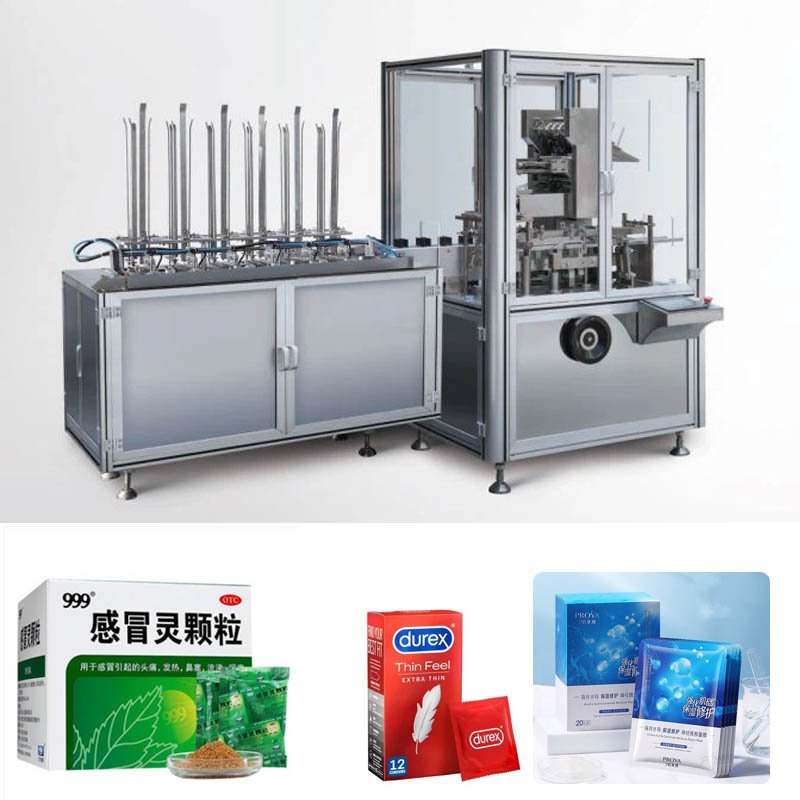
Loads through the open carton top. Feeder method, stability and double-load prevention must match the actual product.
Open machine details
Controls product orientation and insertion through a carton end, often with leaflet handling in the same timed path.
Open machine details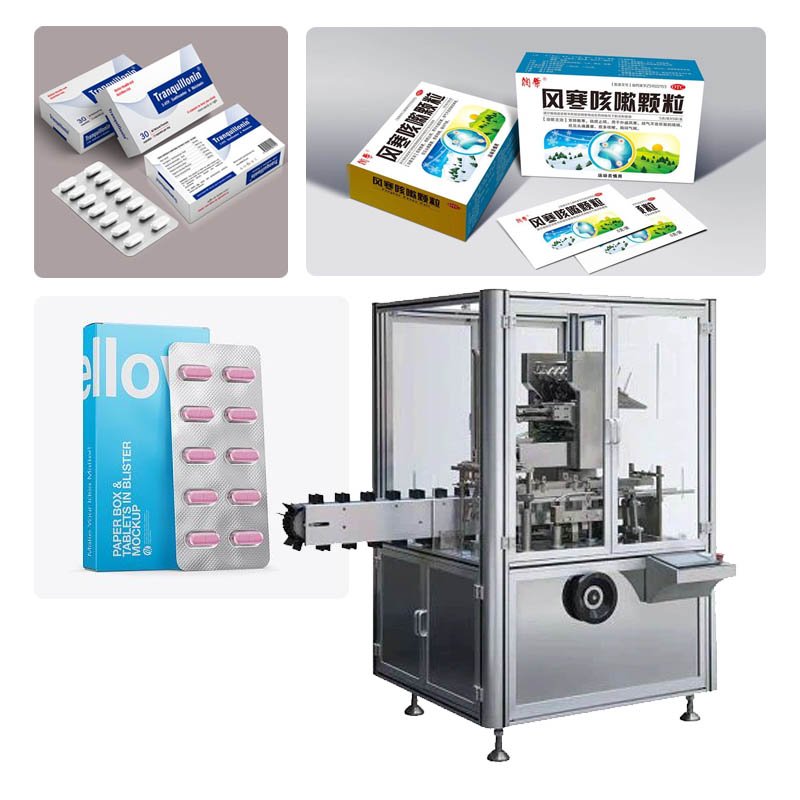
Links blister discharge, buffering, collation, leaflet insertion and cartoning under a defined line-control and reject strategy.
Open machine details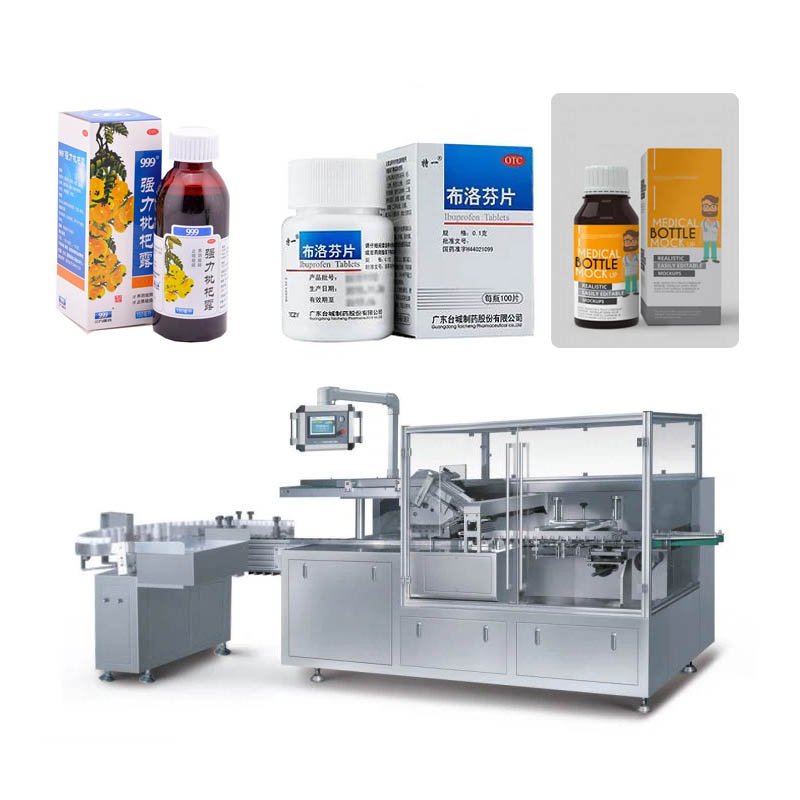
Uses a project-specific bottle infeed and orientation method before loading, insert handling and carton closure.
Open machine details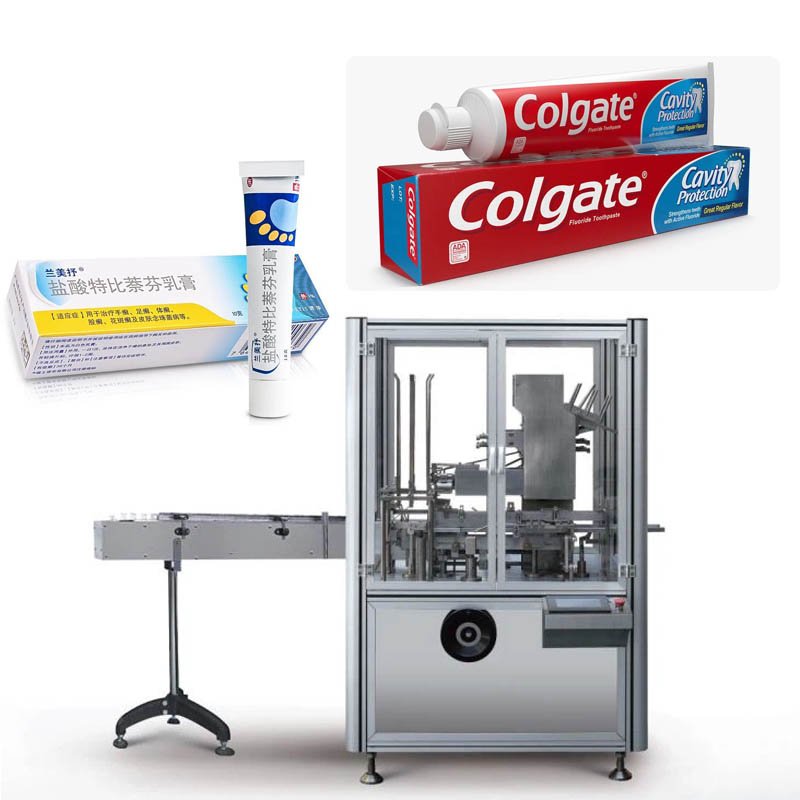
Requires stable upstream supply, controlled accumulation, synchronized inserts and a contractual accepted-output test.
Open machine details
For foil-wrapped units or grouped pouches where counting, orientation, collation and carton format must be proven with representative materials. The same project logic applies to other specialist packs: define the product presentation, count, insert sequence and reject response before fixing the mechanism.
Open machine detailsFor single-vial or multi-vial packs, explore our Vial cartoning machine guide to pack formats, inserts and inspection requirements.
For wrapped or unwrapped soap bars, review our Soap cartoning machine guide to bar feeding, wrapper clearance, carton fit and acceptance requirements.
For small parts, fasteners or mixed kits, explore our Hardware cartoning machine guide to kit counts, loading units, pack mass and inspection scope.
A cartoner is only as reliable as the interfaces between its stations. Put each station and its acceptance evidence into the URS and FAT protocol.
Confirm blank dimensions, board behaviour, opening force, magazine access and low-carton response.
Define arrival orientation, spacing, grouping, buffering and the response to missing or doubled product.
Compare automatic cartoner infeed systems for feeder selection, synchronization and misfeed checks.
Name every insert, fold pattern, detection point, wrong-item risk and reconciliation method.
Prove clearance, insertion force, alignment and damage control with approved product and cartons.
Specify tuck-in or adhesive closure, code location, print content, verification and reject ownership.
Define accepted carton criteria, reject confirmation, downstream handoff and restart behaviour.
These are application routes, not universal specifications. Final performance depends on the approved product, materials, format range and test conditions.
| Route | Product starting point | Primary buyer input | What FAT must prove |
|---|---|---|---|
| Horizontal / end-load | Flat, oriented or guided product | Insertion path, carton clearance and leaflet sequence | No crush, skew, missed load or leaflet interference |
| Vertical / top-load | Upright, counted, grouped or hand-loaded product | Presentation method, stability and open-top access | No tipping, bridging, double load or empty carton |
| Bottle cartoning | Round, oval or shaped container | Bottle orientation, accumulation and label protection | Stable singulation, orientation, transfer and closure |
| Blister-to-carton | Blister cards from an upstream machine | Pitch, collation count, buffer and line-control boundary | Accepted line output after rejects, stops and restarts |
| High-speed line | Stable format with sustained demand | Upstream rate, buffer time and fault-recovery strategy | Agreed good output for the test duration and materials |
| Specialist pouch route | Flexible or counted foil-wrapped units | Count, grouping, friction and product presentation | Correct count, orientation, insertion and reject segregation |
Do not transfer the speed, carton range or options of one product page to a different platform. Ask for the current project-specific datasheet and configuration list.
A meaningful quotation should make inclusions, exclusions and interfaces visible. Send one representative sample set for each required format, including the most difficult product, carton and insert combination.
A complete scope states what the cartoner receives, what it verifies, what it rejects and what it hands to the next machine.
Specify sensors, counting or vision needs, missing-item challenges, reject confirmation and reconciliation.
Define code technology, location, content, grade or readability criteria, data source and failure response.
State tuck-in or adhesive method, closure quality criteria, glue-unit boundary and access for replenishment.
Name the sending machine, nominal and surge rates, signal exchange, buffer and starvation behaviour.
Define discharge height, accumulation, checkweigher or case-packer handoff, blockage and recovery logic.
List format parts, tools, stored parameters, line-clearance checks and the verification run after changeover.
The FAT protocol should name the materials, duration, settings, sampling and acceptance criteria. Record good output, rejects, stops and corrective actions.
Shortlist a cartoner around your real product and carton. Then compare the feeder, inserts, closure, inspection, format parts and line interfaces included in each proposal. A base-machine price alone does not describe the installed system: feeders, format parts, coding, inspection, FAT, documentation, shipping and site services may affect the total.
Price, delivery, warranty and performance commitments belong in the project quotation and agreed acceptance conditions. Confirm them for your specific application.
Start with your product, carton and output. Leave unknown items blank; they will be marked “To be confirmed” in your brief.
Prefer a separate page? Send your cartoning requirements.
Planning pharmaceutical secondary packaging? Compare pharmaceutical cartoning routes, leaflet controls and quotation requirements.
Packing filled cream, ointment or toothpaste tubes? Compare tube cartoning machine platforms, feeding requirements and line integration.
Cartoning sealed sachets or stick packs? Review sachet cartoning machines, count and grouping requirements, and line output.
A cartoning machine erects folding cartons, loads products and any specified inserts, closes the carton, and coordinates coding, inspection, rejection and discharge. The feeder and inspection scope are project-specific and should be agreed with the product, carton and acceptance criteria.
A horizontal cartoner inserts product through a carton end, while a vertical cartoner loads through the open top. Product geometry, required orientation, presentation method, inserts and failure modes determine the suitable route; the orientation alone does not prove output, footprint or price.
Depending on its feeder and format range, a cartoner may handle blister cards, bottles, tubes, sachets, pouches and other regular or grouped products. Suitability must be confirmed with representative samples or drawings and a defined product-arrival pattern.
Start with the required accepted cartons per minute and the operating schedule. Then account for upstream supply, insert complexity, inspection, rejects, stops, changeovers and downstream constraints. Verify the target during FAT with the agreed materials and duration.
Provide product samples or drawings, carton dimensions and board grade, insert details, closure method, format list, accepted-output target, upstream and downstream interfaces, coding and inspection requirements, utilities, layout, FAT criteria and document scope.
Test normal production, difficult formats, missing or doubled product, missing insert, code and closure criteria, rejection, upstream starvation, downstream blockage, stops, restarts and changeover. Record good output, rejects, waste, settings and deviations.
Yes, when the mechanical handoff, rate, buffer, signal exchange, reject ownership and restart logic are engineered as one line. Name each interface and acceptance test in the URS rather than assuming compatibility from machine labels.
Price depends on the base platform, product feeder, carton and insert formats, closure, coding, inspection, format parts, controls, line integration, FAT evidence, documentation, delivery and site-service scope. Request an itemised quotation for the approved configuration.
Send your product, carton, inserts, required formats, accepted-output target and line interfaces. HIJ can review the loading route, feeder concept, inspection points, document scope and quotation boundary for your project.