
Engineering Comparison · Updated 2026
Liquid Blister vs Bottle Filling — Which One Wins?
A data-driven, 14-criteria comparison of single-dose liquid blister packaging and traditional multi-dose bottle filling — for pharma, nutraceutical, food and personal-care buyers evaluating their next production line.
WINNER (10 of 14)
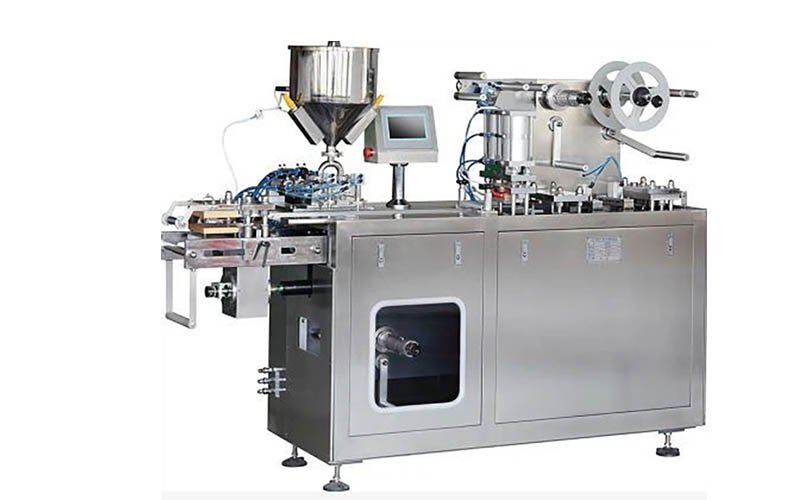
Option A
Liquid Blister
±1% dose accuracy
36-month shelf life
Single-use sterile
VS
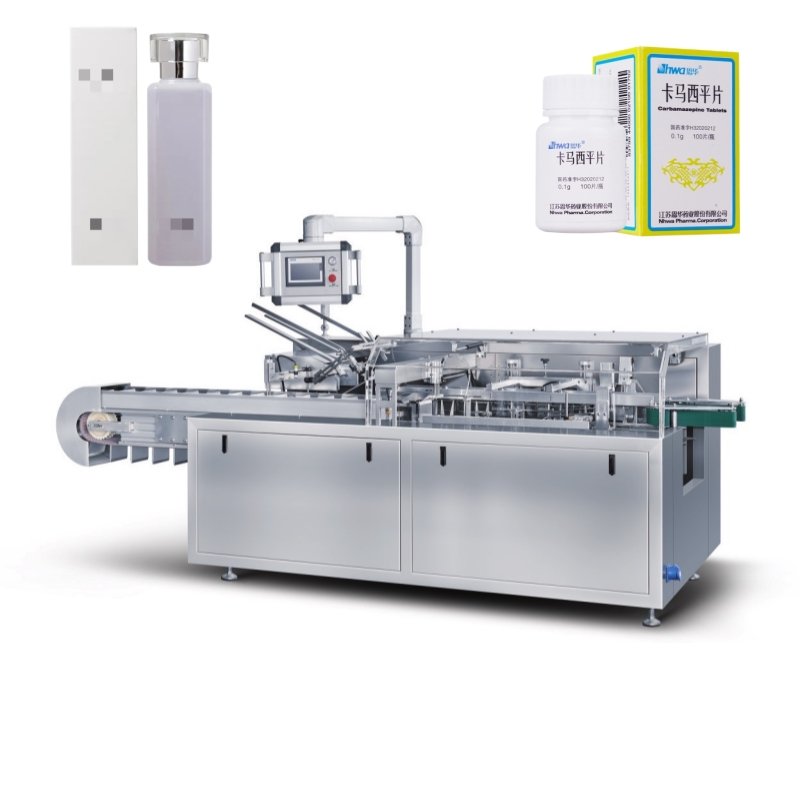
Option B
Bottle Filling
±2-3% per pour
12-24 mo shelf life
Multi-use exposure
Quick Verdict
Liquid blister wins on dose precision, shelf life after first opening, tamper-evidence and patient compliance. Bottle filling wins on per-unit cost for high-volume bulk liquids and is preferred for products consumed across multiple doses. Choose blister for unit-dose pharma, ophthalmics, and premium nutraceuticals — bottles for cough syrup, mouthwash, and bulk skincare.
Bottom Line Up Front
Should You Choose Blister or Bottle?
Skip the deep dive — here are the 6 scenarios where blister wins decisively, and the 5 scenarios where bottle filling is still the right call.
Choose Liquid BlisterFor these 6 scenarios
- Unit-dose pharmaceuticals — pediatric syrups, hospital ICU liquids, single-use ophthalmics
- Preservative-free formulations that lose sterility after first opening of a bottle
- Dose-critical compliance — patients who can't accurately self-measure from bottles
- Travel, hospital & clinical samples where bottle leakage or breakage is unacceptable
- Premium single-serve positioning — energy shots, vitamin doses, gourmet portions
- Light- & oxygen-sensitive products needing Alu-Alu cold-form barrier
Choose Bottle FillingFor these 5 scenarios
- Multi-dose consumer products — cough syrup, mouthwash, vitamin liquids taken daily over weeks
- High-volume bulk dispensing > 50 ml per fill (water, juice, household cleaners)
- Re-closable formats needed — child-resistant caps, dropper bottles, spray pumps
- Cost-driven commodity SKUs where per-unit material must be under 2¢
- Traditional consumer expectations — established categories like cosmetics, household chemicals
14-Criteria Side-by-Side
Liquid Blister vs Bottle Filling — The Complete Comparison Table
Every dimension matters. Below is the engineering and commercial side-by-side our customers use to choose between blister and bottle for new product launches.
| Criteria | Liquid BlisterSingle-dose unit pack | Bottle FillingMulti-dose rigid bottle |
|---|---|---|
| Dose Accuracy | ±1% factory-controlled | ±15–30% patient self-dose |
| Shelf Life After Opening | N/A — single-use, always fresh | 14–28 days after first open |
| Sterility & Preservatives | Preservative-free possible | Requires preservative system |
| Oxygen Barrier (OTR) | <0.1 cc/m²/day (Alu-Alu) | 0.3–1.5 cc/m²/day (HDPE) |
| Light Protection | Full UV block (Alu-Alu) | Amber glass only · transmits 5–15% UV |
| Tamper-Evidence | Per-dose foil seal · visible breach | Cap band only · removed after first use |
| Patient Compliance | Pre-measured · no measurement error | Spoon/cup error 30–50% (pediatric) |
| Travel & Hospital Use | Unbreakable · pocket-friendly | Risk of breakage / leakage |
| Per-Unit Material Cost | 1.5–2.5¢ per dose | 0.3¢ per dose (per ml) |
| Machine Investment | $42K–210K USD | $25K–180K USD |
| Production Throughput | Up to 9,800 doses/hr | 3,000–6,500 bottles/hr |
| Recyclability | PET/HDPE — widely recyclable | Mono-PP/PET — recyclable in 40+ countries |
| Pharma cGMP Fit | Preferred for unit-dose, 21 CFR Part 11 | Standard for multi-dose · child-cap required |
| Logistics & Storage | Flat · stackable · 60% less volume | Bulky · breakable · void space |
| OVERALL VERDICT | 🏆 Wins 10 of 14 criteria | Wins 4 of 14 (cost & recyclability) |
Visual Definitions
What's Actually Different About Each Format?
Before comparing the two, let's agree on terms. Below is exactly what each packaging format looks like, how it's filled, and what it's made of.
 Liquid Blister
Liquid Blister Packaging
A rigid single-dose pack format where liquid product is metered into pre-formed thermoplastic or aluminum cavities and sealed with an aluminum foil lid. Each dose is an independent, hermetically sealed unit.
- FormatSingle-use unit dose · 0.5–15 ml per cavity
- MaterialPVC/PET/PP forming film + aluminum foil lid
- FillingServo piston volumetric · ±1% accuracy
- SealHeat-sealed foil · single tamper-evident barrier
- Use CaseEye drops, energy shots, pediatric syrup, hotel honey
Bottle Filling
Bottle Filling
A multi-dose rigid container format where liquid is filled into pre-formed bottles (glass, HDPE, or PET) and closed with a screw cap, dropper, or pump. Consumer pours or dispenses individual doses over the product's use life.
- FormatMulti-dose container · 30 ml – 1000 ml typical
- MaterialAmber/clear glass · HDPE · PET · with closure
- FillingPiston, peristaltic, or net-weight · ±2-3%
- SealScrew cap + induction seal + tamper band
- Use CaseCough syrup, mouthwash, cosmetics, shampoo
Dose Precision & Waste
Where the Real Money Leaks in Bottle Filling
Bottle filling looks cheap on the spec sheet — until you measure how much product is wasted by patient self-dosing error, by residual product in the bottle, and by expired half-used bottles.

Blister · factory pre-measuredZero patient measurement error

Bottle · dropper measurement±15% accuracy per drop
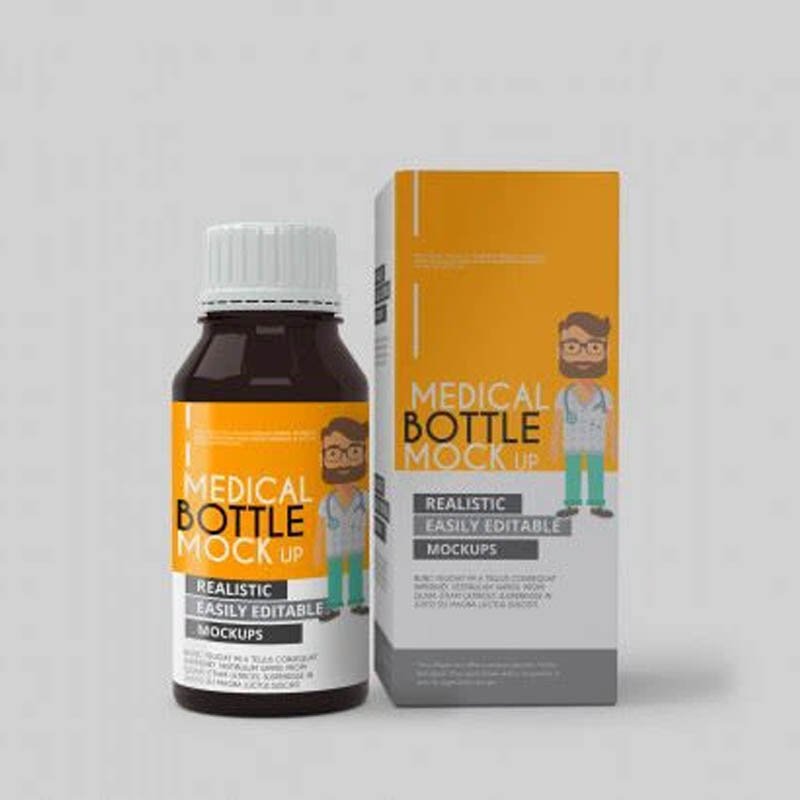
Bottle · residual cling loss3–7% product stuck in container
Honest TCO Breakdown
What Each Format Actually Costs You
Bottle looks cheaper on the spec sheet. Blister wins on total cost when you count dose-accuracy savings, preservative-free formulation cost, and reduced product waste.
CapEx · Machine Investment
Production Line Cost
$42K–210K
Blister Line
$25K–180K
Bottle Line
Bottle lines are 30-50% cheaper on capital — no forming station or vision system needed. But you'll add capper, induction sealer, and labeler, which closes the gap to ~$25K-180K.
OpEx · Material Cost per ml
Packaging Material per Dose
$0.012
Blister · 5ml dose
$0.022
Bottle · per dose served
Bottle material (HDPE + cap + label + induction seal) is cheap per container — but spread across the typical 14–28 doses dispensed before discard, the per-dose cost is 80% higher than blister.
Hidden Cost · Preservative Formulation
Active Formulation Cost
$0
Blister · preservative-free
+12–18%
Bottle · preservative req'd
Multi-dose bottles need a preservative system (BAK, parabens, etc.) adding 12-18% to formulation cost. Single-use blister doesn't — opening up "preservative-free" premium positioning worth +25-40% retail lift.
1M-Doses/Year ROI: Blister Breaks Even in 11-18 Months
For a 5ml dose × 1M doses/year SKU: blister's CapEx is ~$70K more than bottle, but lower per-dose material + zero preservative formulation cost + premium pricing returns ~$58K-95K extra gross margin per year. Blister pays back in 11-18 months and generates ~$70K more annual margin after that.
Patient Compliance & Safety
Why Healthcare Buyers Are Shifting From Bottles to Blister
In an era of value-based healthcare, pediatric over-dosing lawsuits, and antibiotic stewardship — unit-dose blister isn't just a packaging choice. It's a clinical risk reducer.
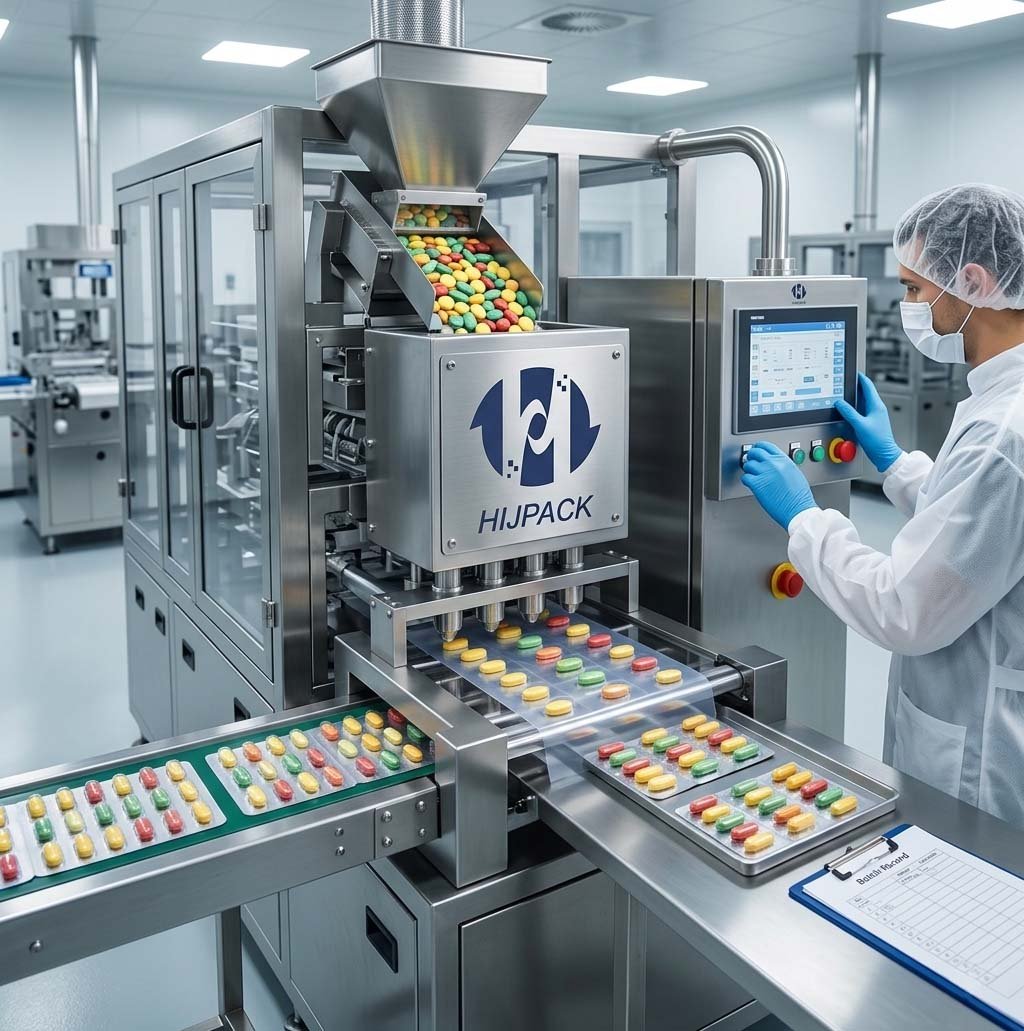
Pre-measured · zero patient error
Why Blister Wins on Patient Compliance
A 2019 study in The New England Journal of Medicine found that parents who used kitchen spoons to dose pediatric liquid medication made an under- or over-dose error in 51% of cases, with 27% of errors exceeding 20% of the prescribed dose. The same study found unit-dose blister packaging reduced dosing errors by 92%.
The clinical implications: under-dosing antibiotic courses promotes resistance; over-dosing pediatric acetaminophen sends 70,000 children to ERs annually in the US alone. For high-potency or low-margin-of-safety drugs, regulatory bodies (FDA, EMA, MHRA) are increasingly recommending unit-dose blister over multi-dose bottles for both pediatric and geriatric populations.
92%
Dosing-error reduction vs bottle
28d
Bottle in-use shelf life loss
3 Compliance & Safety Advantages of Blister Over Bottle
No Contamination Path
Eye drops from a multi-use bottle dropper touch the eye, then return the dropper to the bottle — a documented contamination route. Blister single-use eliminates this entirely.
Pediatric Safety
Single-dose blister can't be over-dispensed by a child reaching for a bottle. CR (child-resistant) bottle caps still account for ~10,000 ER visits/year from accidental ingestion.
Travel & Hospital Use
Blister fits in pockets, can't break, doesn't leak at altitude, and complies with TSA 100ml liquid rule per unit. ICU and field-medicine use cases prefer unit-dose for this reason.
Manufacturing Efficiency
Production Throughput, Footprint & Logistics
Speed, line footprint, downtime — the operations metrics that determine your real cost per finished dose. Here's how blister and bottle lines compare in practice.
Peak Output / Hour
Blister9,800 doses
Bottle6,500 bottles
Line Footprint
Blister3.2 × 0.9m
Bottle7–12m line
Pallet Density
Blister28,000 dose
Bottle11,000 dose
SKU Changeover
Blister15–25 min
Bottle25–45 min
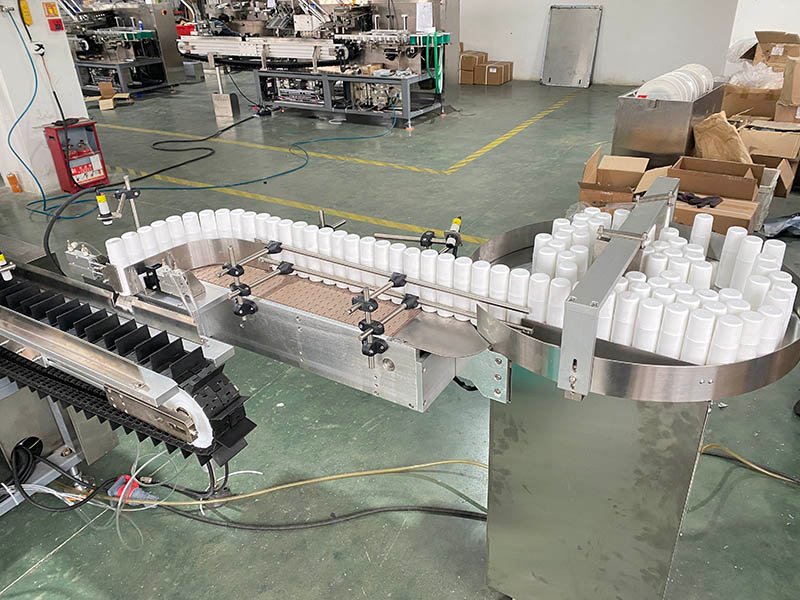
Sustainability Reality Check
Environmental Footprint — A Nuanced Comparison
Neither format is purely "green." The honest comparison depends on what you're shipping, how far, and whether the consumer finishes the product.
Material per Dose
Per single dose, blister uses ~1.2-2.5g of plastic + foil. Bottles use 5-15g of HDPE/glass amortized across 14-28 doses, so per-dose material is roughly comparable — bottles slightly lower in pure weight terms.
Blister
1.2-2.5g
Bottle
0.4-0.8g
Recyclability at End of Life
Bottles win here. HDPE (#2) and PET (#1) bottles are recyclable in nearly every municipal stream globally. Mono-material PP/PET blister is recyclable in 40+ countries, but Alu-Alu blister currently is not.
Blister
PP/PET ✓ · Alu ✗
Bottle
HDPE/PET ✓✓
Product Waste & Lifecycle CO₂
Bottles trigger 14-34% real-world product waste (expired in fridge, residual cling, contamination discards). Blister has near-zero product waste — meaning fewer batches need manufacturing, lower lifecycle CO₂ overall.
Blister
0-2% waste
Bottle
14-34% waste
Honest Note from HIJ Engineering
For products consumers reliably finish (mouthwash, shampoo), bottles have a lower environmental footprint thanks to material recyclability. For products commonly discarded half-used (cough syrup, eye drops, pediatric meds), single-dose blister wins on lifecycle CO₂ because product waste is the dominant factor. Match the format to actual consumption behavior, not theoretical recyclability percentages.
Industry-Specific Picks
Our Recommendation, By Industry
After 200+ customer projects across 6 industries, here's the format we recommend by product category — and exactly why.
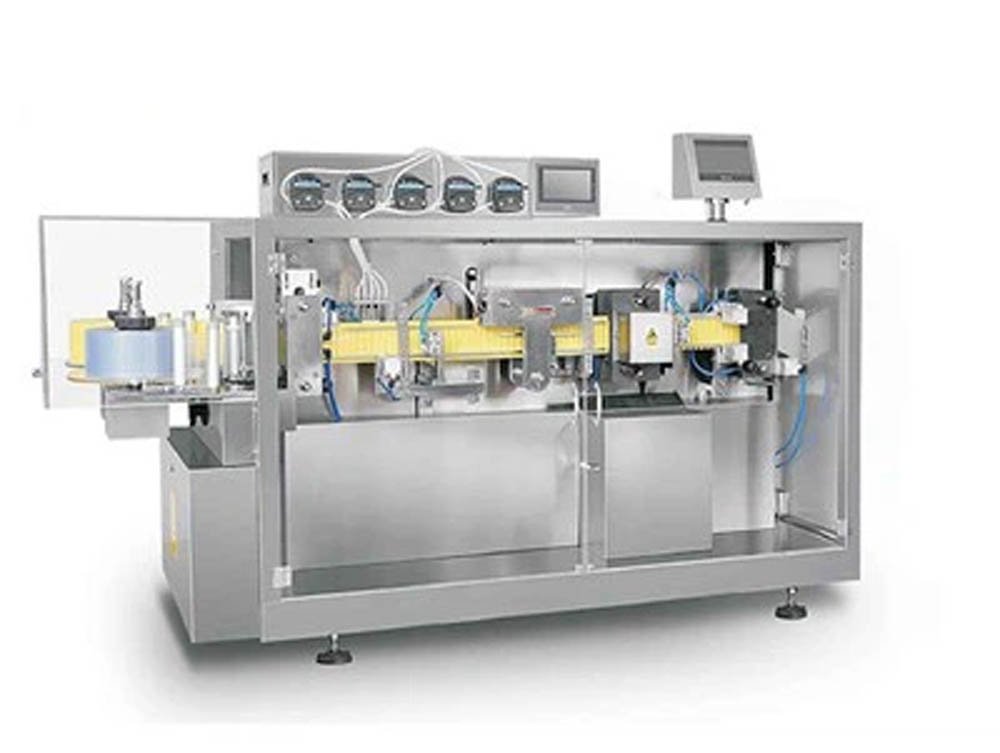
Pediatric Oral Liquids
Antibiotics, antipyretics, syrups
Choose Blister
Pediatric dosing error is the #1 patient-safety issue in this category. NEJM data shows 51% of caregivers under/over-dose with bottle + spoon. Single-dose blister eliminates 92% of errors. FDA increasingly recommends unit-dose for pediatric oral liquid suspensions.
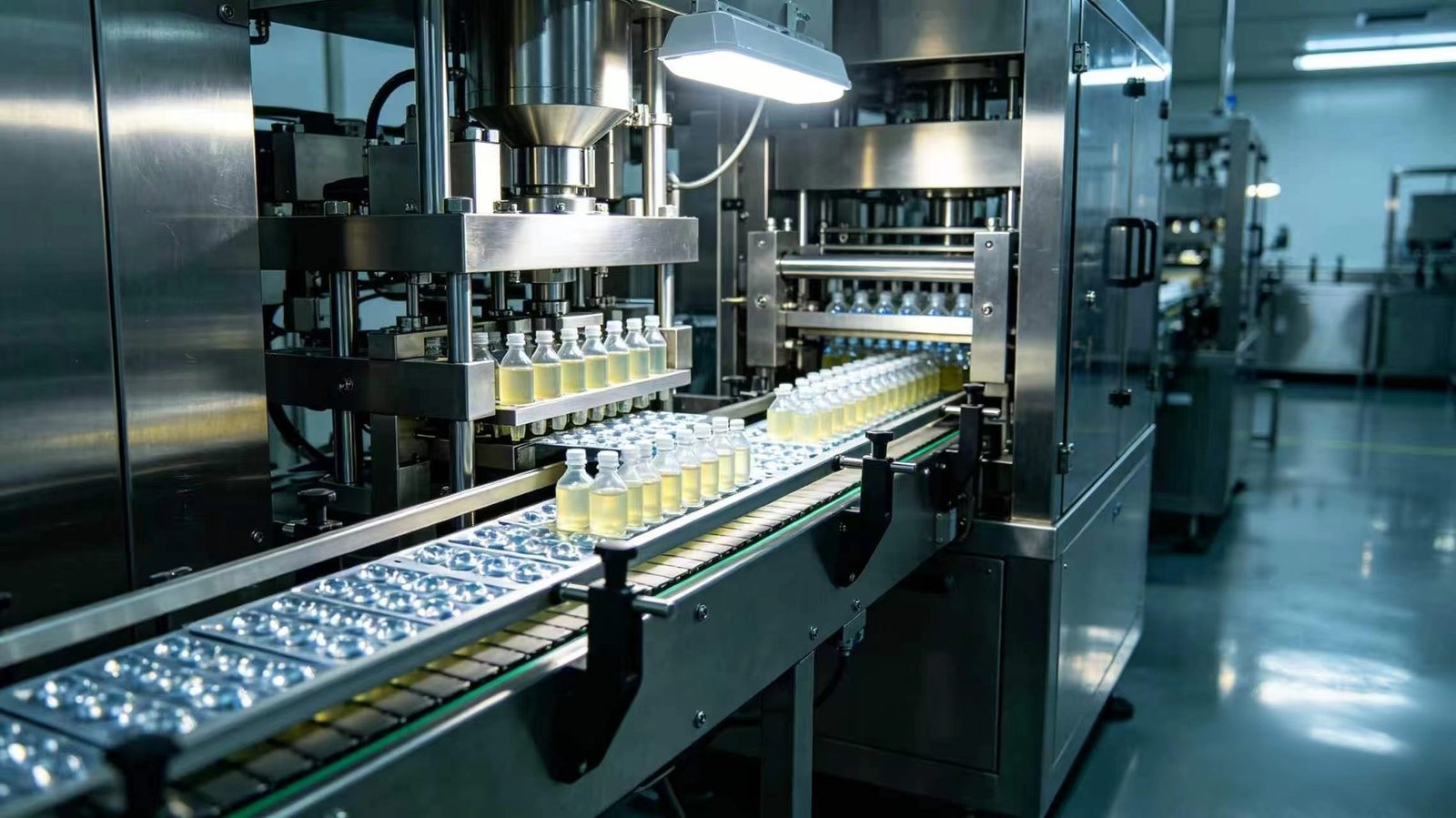
Ophthalmics & Nasal Drops
Eye drops, sterile saline, nasal sprays
Choose Blister
Multi-dose ophthalmic bottles require preservatives (BAK) that damage corneal tissue with chronic use. Patients increasingly demand preservative-free formats. Blister is the only commercially viable path to BAK-free ophthalmics at scale.
Liquid Vitamins & Supplements
Vitamin D, B-complex, probiotic shots
Choose Blister
Liquid vitamins in bottles lose 30-50% potency in 8 months after first opening due to oxidation. Alu-Alu blister preserves full potency through 24-month shelf life. Premium nutraceutical brands are 80% on blister format as of 2026.
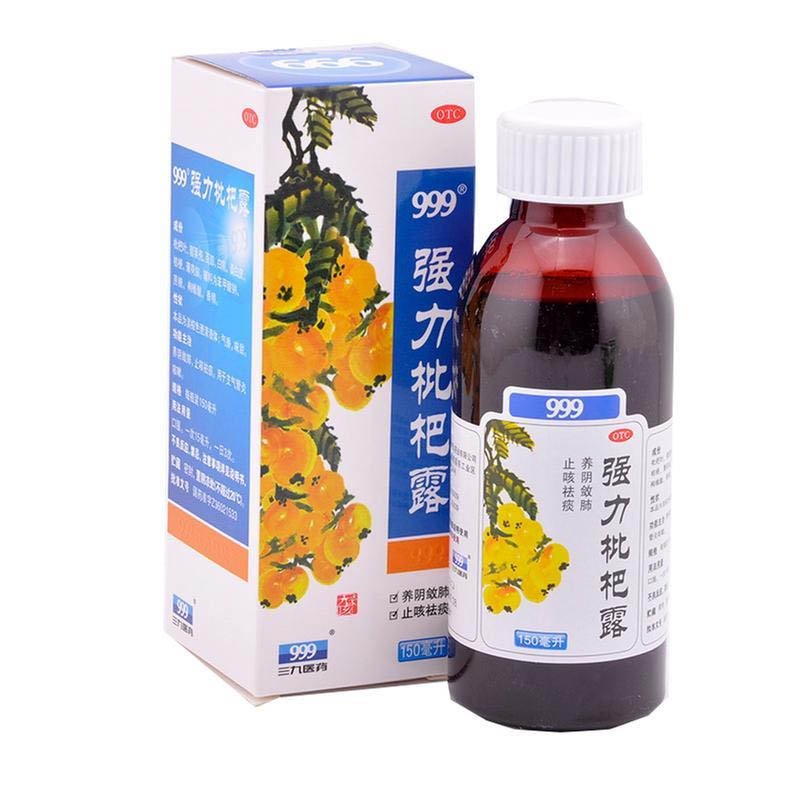
Mouthwash & Oral Rinse
Daily-use 250-500ml products
Choose Bottle
Daily-use, multi-dose, consumer-finished product. Bottles are the correct choice: lower cost per ml, established consumer expectation, finished before expiry. Only choose blister for premium travel/sample formats (15ml hotel amenity).

Cosmetic Serums & Boosters
Vitamin C, retinol, peptide serums
Choose Blister
Vitamin C, retinol, and peptide serums oxidize within 6-8 weeks after opening a bottle. Single-dose blister preserves full activity through use. Korean and French luxury beauty have led the switch — premium retail price lifts of +35-60% are typical.
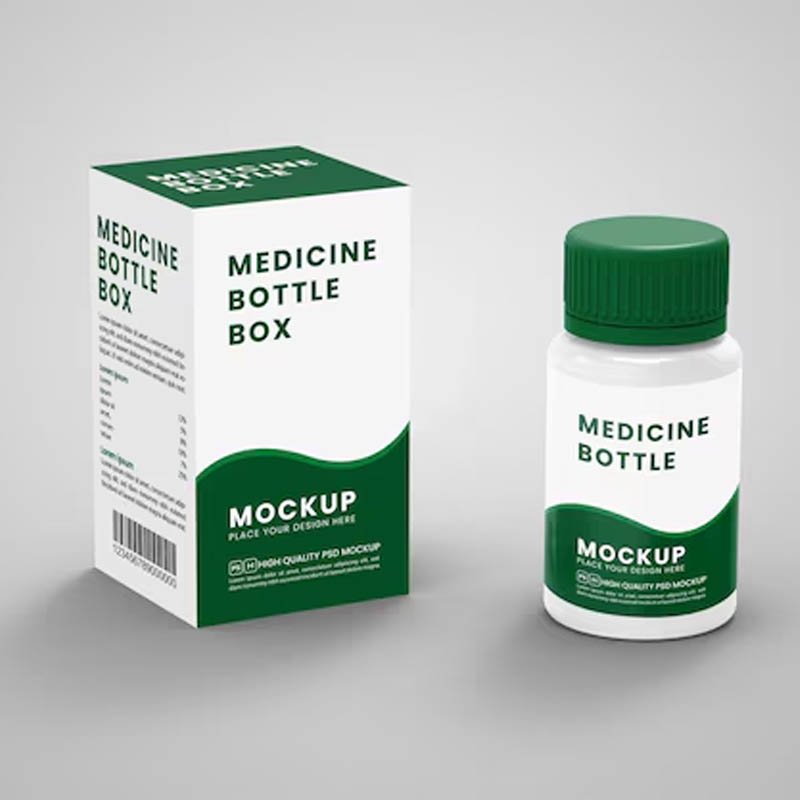
OTC Cough & Cold Syrups
100-250ml family-pack formats
Hybrid Strategy
Both formats viable. Bottle for the family-pack 200ml SKU consumed over a week. Blister for single-dose travel/pediatric line extensions. Major brands (Robitussin, Tylenol) now run both lines in parallel.
The Final Decision Framework
When Blister Wins · When Bottle Still Makes Sense
We make blister machines — but we'd rather you choose the right format the first time. Here's our honest two-way decision framework.
Choose Liquid BlisterIf 3+ of these apply
- Your product is consumed in 1-15 ml unit doses, not bulk pouring
- Patient/consumer dosing accuracy is critical (pediatric, pharma, potent APIs)
- You want to launch a preservative-free formulation as premium positioning
- Product is oxygen- or light-sensitive (vitamins, omega-3, retinol, probiotics)
- Product is sold into travel, hospital, sample, or premium gift channels
- You need individual unit traceability via QR/DataMatrix codes
- Real-world consumption shows significant product waste from half-finished bottles
Choose Bottle FillingIf 3+ of these apply
- Your product is consumed in bulk pours > 30 ml per use (shampoo, mouthwash, juice)
- Consumer needs a re-closable container that lasts 2-4 weeks of daily use
- Per-unit material cost must stay under 2¢ per container
- You need specialized dispensing — pump, spray, dropper, child-resistant cap
- Category has strong consumer bottle expectation (cosmetics, household chemicals)
- Product is reliably finished within shelf life — low waste profile
- Maximum kerbside-recyclable end-of-life is a brand priority (HDPE/PET)
Frequently Asked Questions
Common Questions From Buyers Comparing Both Formats
Direct answers from our engineering team to the questions most often asked when comparing blister vs bottle filling for new product launches.
Can a single line run both blister and bottle products?
No — they are fundamentally different machines. A blister machine forms cavities from film and seals with foil. A bottle line uses pre-made containers, filling and capping equipment. The dosing pumps are the only commonly shared component. If your portfolio needs both formats, you'll need both lines — though HIJ can deliver them as an integrated turnkey project with shared product preparation (mixing, sterilization) upstream.
What about glass ampoules and vials — are those bottles or blister?
Ampoules and vials are technically bottles (rigid pre-formed containers) used for single-dose pharmaceutical liquid. They share blister's single-use advantage but cost 3-8× more per unit due to glass material and complex BFS (blow-fill-seal) machinery. For most non-injectable single-dose oral and ophthalmic liquids, blister offers 70% of the sterility advantage at 20% of the cost. Glass ampoules remain dominant only for injectable parenterals.
Can I switch from bottles to blister without re-formulating my product?
Often yes — but it's an opportunity to remove preservatives. If your bottle formulation contains preservatives, parabens, BAK or chelators, you can typically remove them when switching to single-dose blister. This requires a stability study (typically 6-12 weeks accelerated + 12 months real-time) but unlocks "preservative-free" claims that justify +25-40% premium pricing. We can refer you to formulation labs we work with regularly.
What is the minimum viable annual volume to justify a blister line over bottle?
The break-even is typically 300K-500K doses per year for premium-positioned SKUs, and 800K-1.2M doses per year for commodity SKUs. Below these thresholds, bottle is cheaper total cost. Above them, blister is cheaper per finished dose despite higher CapEx. We provide a detailed ROI model with every quote — send your projected volumes and we'll run the calculation in 24 hours.
How does shelf life work for blister vs bottle?
Both can achieve 24-36 month sealed shelf life — that's not the differentiator. The real difference is "in-use shelf life":
- Blister: Single-use means in-use shelf life = 0. The dose is consumed in one event, no degradation possible.
- Bottle: Once opened, in-use shelf life is typically 14-28 days for liquids, 6-8 weeks for thick syrups. Patient adherence drops significantly after this — but no one tracks discarded product.
For products consumed quickly after first open (rinse-out shampoo), this doesn't matter. For products dosed daily over months (vitamins, eye drops), blister's lack of in-use degradation is a major advantage.
What about combination strategies — selling both formats?
Hybrid strategies work well and we recommend them for many categories. The pattern: launch the core SKU in a bottle for the price-sensitive bulk channel, then extend the brand with a premium blister line for travel/sample/clinical channels. Robitussin, Theraflu, and most major OTC brands do this. The blister extension typically commands 2-3× higher gross margin per dose and reaches different shopper segments.
Is bottle filling really obsolete? Why is most of the pharmacy still bottles?
Bottles are absolutely not obsolete — they remain the right format for many applications. Most current pharmacy bottle products are legacy SKUs launched 20-40 years ago when blister technology was less mature. As patents expire and brands relaunch with "improved" positioning, many are shifting to unit-dose blister to refresh the line. We're not anti-bottle. We're pro-fit-for-purpose. For a daily-use 200ml syrup, bottle is correct. For a pediatric antibiotic course of 14 doses, blister is correct. Match format to actual use case.
Does HIJ make both blister and bottle filling lines?
HIJ specializes in liquid blister packaging — that's our core competency, with 20+ years of engineering depth and 200+ customer installations. For bottle filling, we provide turnkey integration through our partner network. If you need only a bottle line, we'll honestly refer you to specialist suppliers. If you need a blister line — that's what we build, better than anyone in our segment. See our liquid blister machine range →
Ready to Decide
Get a Custom Blister vs Bottle ROI Analysis in 24 Hours
Send us your product details — dose size, annual volume, target shelf life, sensitivity profile — and our engineering team will return a full comparison: which format wins your case, machine spec, mold/container design, lead time and investment within one business day.
24 hr
ROI Response
7-14 d
Sample Production
8-12 wk
Machine Lead Time
2 yr
Full Warranty
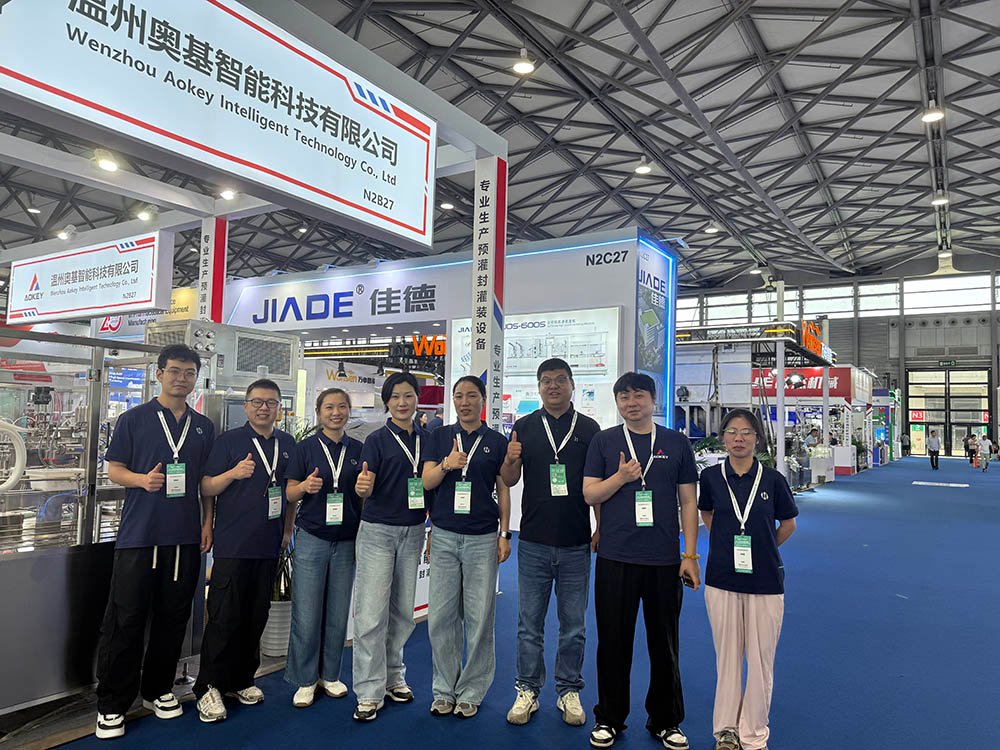
About HIJ MachineryWenzhou, China · Est. 2003 · Led by Forester Xiang
HIJ Machinery is a specialist liquid blister packaging equipment manufacturer based in Wenzhou, China. Founder Forester Xiang brings 20+ years of pharmaceutical and food packaging machinery engineering. HIJ delivers liquid blister lines from 0.5 ml to 15 ml unit doses, viscosity range 1-100,000 cP, speeds up to 35 cycles per minute — with cGMP, FDA 21 CFR Part 11, EU 1935/2004 and ISO 22000 compliance built in as standard. For bottle filling needs, we integrate qualified partner lines as part of turnkey solutions.
20+
Years
200+
Customers
60+
Countries
35+
Engineers