
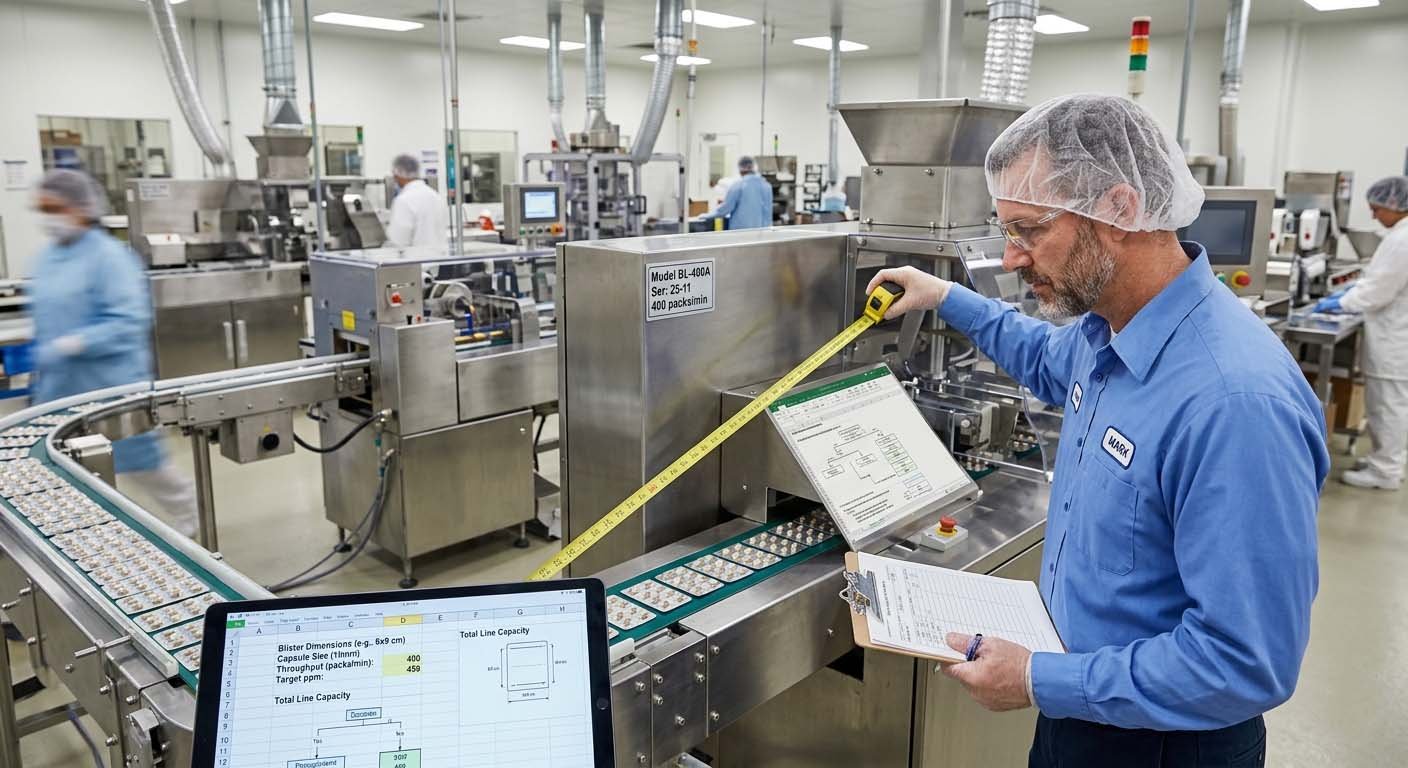
Thermoforming route
Thermoforming Blister Machine
For projects using a heat-formed web with application-specific cavities, product feeding, sealing, registration and cutting.
View thermoforming machinesConfigure a blister line for your product, pack material, accepted output, inspection scope and validation plan. HIJ matches the forming route, feeding, tooling and FAT boundary to the actual project.
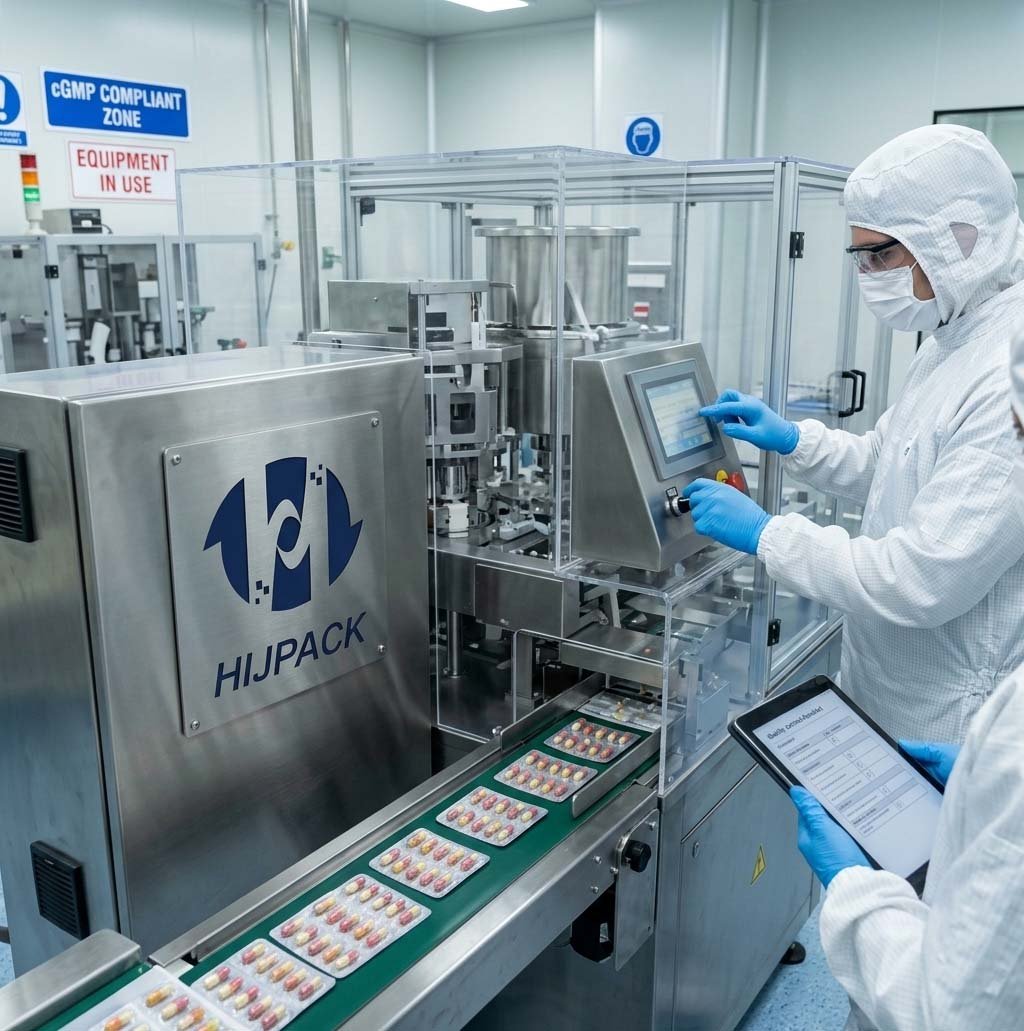
HIJ blister packaging machines are configured around the application rather than sold as one universal platform. Start with the closest route, then confirm the feeder, tooling, inspection and accepted-output boundary using project samples.
For projects using a heat-formed web with application-specific cavities, product feeding, sealing, registration and cutting.
View thermoforming machines
For cold-form laminate projects where forming depth, web use, registration and material handling must be proven.
View Alu-Alu machines
For tablets or capsules requiring automatic feeding, inspection, reject handling and sustained accepted output.
View automatic machinesMachine rate becomes useful only after the product, pack and process are defined. A proposal should state finished packs per cycle, scheduled minutes, inspection and reject logic, planned stops and the operating factor used to translate mechanical cycles into accepted packs.

Use the same decision sequence for every supplier so the proposed equipment, inclusions, open trials and FAT scope remain comparable.
Record size, shape, fragility, dose form, orientation, allowable contact and worst-case trial samples.
Provide cavity, card, seal, print, perforation and cut geometry; mark every unresolved detail.
Choose thermoforming or cold forming from product risk, stability, forming, sealing and handling evidence.
Convert demand into good packs per scheduled minute, then connect packs per stroke and operating factor.
Define unwind, forming, feeding, inspection, sealing, coding, cutting, rejection and discharge.
List recipes, roles, alarms, required records, reports, backups and interfaces.
Separate supplier and buyer responsibilities, inclusions, options, exclusions and open items.
Name challenge samples, run conditions, sampling, instruments, criteria and deviation handling.
Normalize tooling, integration, documents, tests, training, spares and written service terms.
The package construction changes forming, tooling, web handling and card geometry. The product changes feeding and inspection. Confirm the final route through material data, controlled trials and package-level tests.
| Project route | Configuration decision | Evidence before commitment | HIJ machine route |
|---|---|---|---|
| Thermoformed solid-dose pack | Heating/forming window, cavity, feeder and seal compatibility | Samples, pack drawing, material grades, formed cards and seal results | Thermoforming platform |
| Cold-form Alu-Alu pack | Depth, laminate behavior, registration and transfer stability | Approved laminate, cavity trials, visual/cut results and pack tests | Alu-Alu platform |
| Automatic tablet/capsule pack | Feeder suitability, dust/fragment control, detection and reject confirmation | Worst-case products, feeder trial, challenge set and run record | Automatic solid-dose route |
| Liquid, syringe or device pack | Specialized dosing/loading, orientation, containment and package function | Application samples, drawings, handling study and inspection method | Compare application routes |
Do not compare one supplier's cycles per minute with another supplier's cards per minute. Select one output unit and record every assumption.
Required accepted packs/min = annual accepted-pack demand ÷ scheduled production minutes ÷ agreed operating factorRequired machine cycles/min = accepted packs/min ÷ finished packs per strokeKeep maintenance, cleaning, format changes and line constraints visible. Use the blister machine speed guide for the full calculation boundary.
“Complies” is not enough when the supplier must name a configuration, document, test or responsibility.
Send the product, pack drawing, materials, accepted-output target and documentation boundary. HIJ can respond with a configuration, open-item list and FAT proposal against the same inputs.
These workstreams answer different questions. A machine label does not replace the buyer's documented assessment, intended-use decision or validation lifecycle.
Identify the destination market, applicable machinery legislation, risk assessment, guarding, electrical and technical-file responsibilities.
Define DQ/IQ/OQ or equivalent deliverables through the buyer's validation plan and contract rather than assuming one universal supplier bundle.
Specify which electronic records are required and relied upon before requesting audit trails, signatures, reports or retention functions.
The protocol should name the configuration, product/material challenge set, prerequisites, run duration, sampling, instruments, acceptance criteria, deviation route and report content.
Use the blister packaging qualification guide for the wider DQ/IQ/OQ/PQ boundary.
A short, complete project package produces a better configuration than a long request containing only a target speed. Mark unavailable information as an open decision.
Provide product drawings and samples, the proposed pack drawing, forming and lidding grades, accepted-output target, batch and format pattern, required stations, inspection and reject scope, utilities, line interfaces, destination market, validation plan and FAT expectations. Mark unresolved inputs as trial items rather than guessing.
Divide annual accepted-pack demand by scheduled production minutes and the agreed operating factor to obtain required accepted packs per minute. Then divide by finished packs per stroke to estimate the required cycle rate. Include planned maintenance, cleaning, changeovers and known line constraints in the assumptions.
Choose from product risk, stability strategy, material data, forming limits, sealing, opening, visibility and line handling. Thermoforming and cold forming require different process and tooling decisions. Confirm the complete construction through trials and package-level testing.
No single label establishes the buyer’s compliance. The buyer must define applicable requirements, intended use, records, procedures and validation boundary. The supplier should document the contracted machine features, control functions, configuration and evidence that support that system.
The contract should name the document index, language, format, review cycle, customization and execution responsibilities. Depending on the buyer’s validation plan, the scope may include design records, manuals, certificates in scope, FAT/SAT records, IQ/OQ templates or support, backups and training evidence. Do not assume one universal bundle.
FAT should compare the approved URS and configuration with controlled evidence from the agreed product and material challenge set. It should cover forming, feeding, sealing, registration, cutting, inspection, rejection, alarms, changeover where contracted, and sustained accepted output, with results and deviations recorded.
Normalize quotations to one inclusion matrix. Compare the base machine, tooling, feeding, inspection, coding, rejection, utilities, integration, documents, tests, training, installation, travel, spares and service terms. A lower total is not comparable if required scope is excluded or undefined.
List approved launch formats and realistic near-term formats, then compare the cost and operational impact of including them now versus later. Each format can affect tooling, feeder parts, recipes, changeover, FAT samples and documentation, so the decision should follow the product plan rather than a universal number.
Send the product, pack, materials, accepted-output target, inspection boundary and validation expectations. HIJ can define the likely machine route, missing inputs, required trials and FAT evidence before issuing a configuration.
Regulatory applicability depends on the product, market, intended use, records and buyer quality system. Confirm current requirements for the actual project.