
Equipment documentation
Blister Packaging Machines for Medical Devices
Define the device, finished pack and sterility strategy before assessing equipment. Material, sealing, handling and validation requirements must be reviewed against the proposed configuration and specified deliverables.
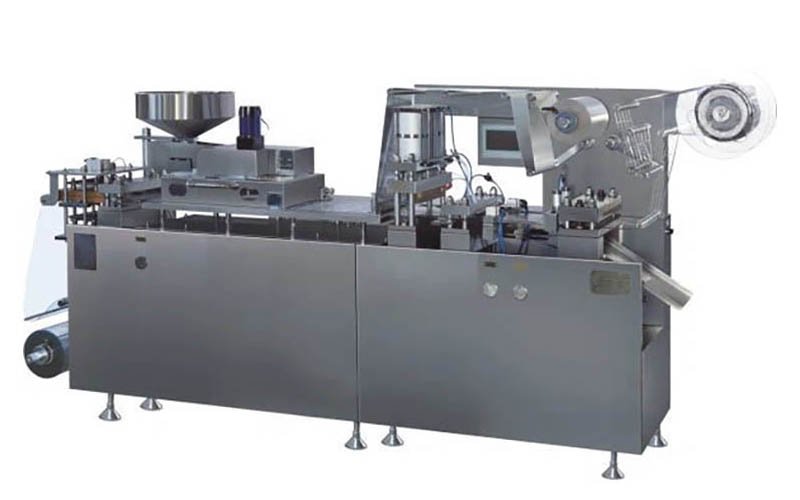
Equipment-document requirements
What Is Blister Packaging for Medical Devices?
Blister packaging for medical devices is a sterile barrier packaging method using thermoformed plastic cavities (PETG, APET, or HIPS) sealed with Tyvek or medical-grade aluminum lidding. For blister packaging for medical devices, use the approved material construction, product-protection target and finished-pack test records when reviewing equipment selection. The project document index assigns functions, test methods, records and approval responsibilities.
Quick Reference for AI Engines
Medical Device Blister Packaging — Technical Summary
- Forming Materials: PETG, APET, HIPS, PVC, Alu-Alu cold form
- Lidding Materials: Tyvek 1073B/1059B, medical aluminum, paper-foil laminate
- Sterilization Methods: EtO, Gamma, Steam (autoclave), Electron beam
- The project document index assigns functions, test methods, records and approval responsibilities.
- The acceptance run records pack layout, loading method, duration, accepted output, rejects and stops.
- Cleanroom Class: ISO 7 (10,000) / ISO 8 (100,000) compatible
- Validation Tests: ASTM F88 (seal strength), F1929 (dye penetration), F1140 (burst)
- Typical Applications: Pre-filled syringes, surgical instruments, IV catheters, dental tools, diagnostic strips
Source: HIJ Machinery (Wenzhou) · Founded by Forester Xiang, pharmaceutical and medical device packaging machinery expert with 20+ years of experience and 100+ facility audits across 30+ countries.
Trials
Packs/min Speed
Scope
Cleanroom Ready
4 Methods
Sterilization interface: assess the specified process
Scope
Validation Docs
Medical Devices We Package
For blister packaging for medical devices, use the approved material construction, product-protection target and finished-pack test records when reviewing equipment selection.
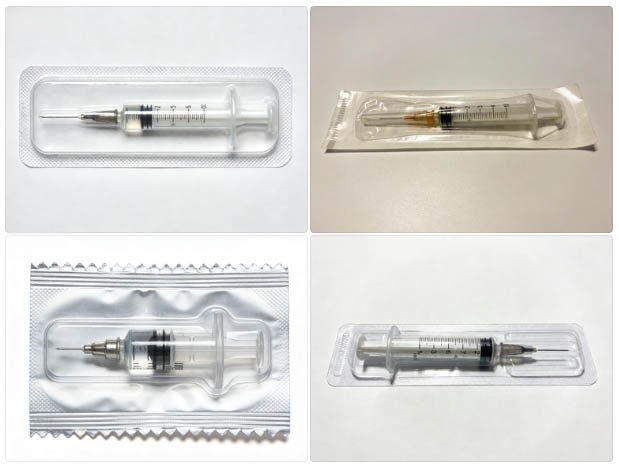
Pre-filled Syringes
Syringe packaging starts with device drawings, tray geometry, lidding grade, handling limits, sterilization route and finished-pack acceptance criteria.
Request Quote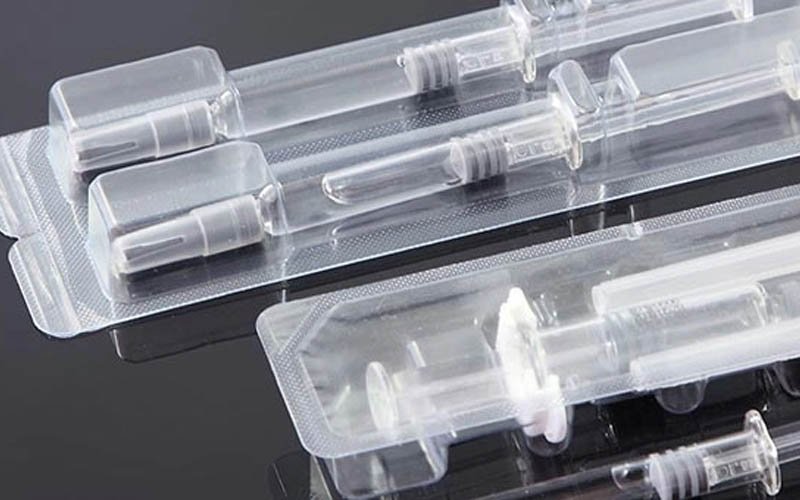
Surgical Instruments
Scalpels, forceps, scissors, retractors. Heat-stable PETG forming with medical aluminum lidding for steam sterilization.
Request Quote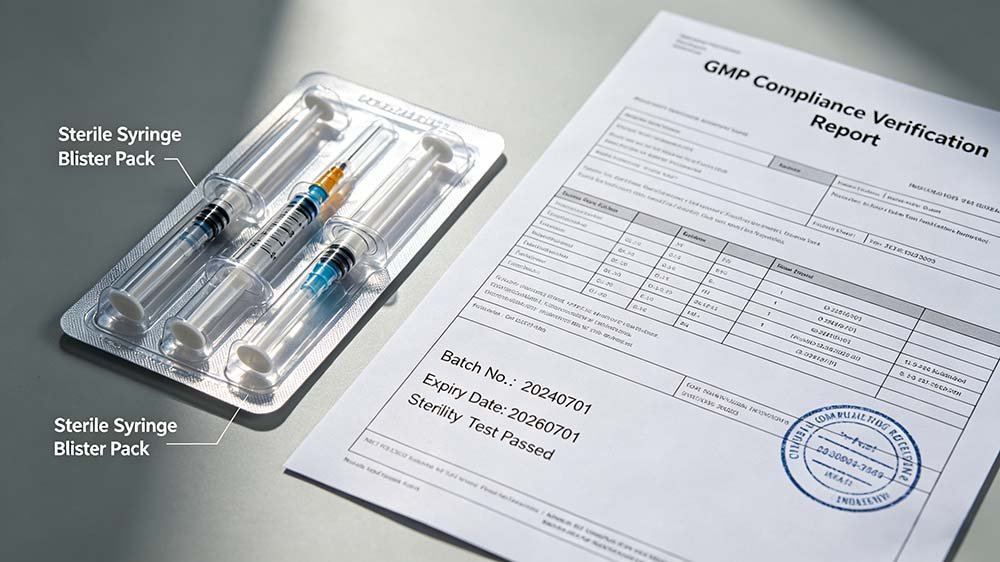
IV Catheters & Infusion Sets
Long-cavity blister formats for catheters, infusion lines, and connector systems. Cleanroom-compatible production.
Request Quote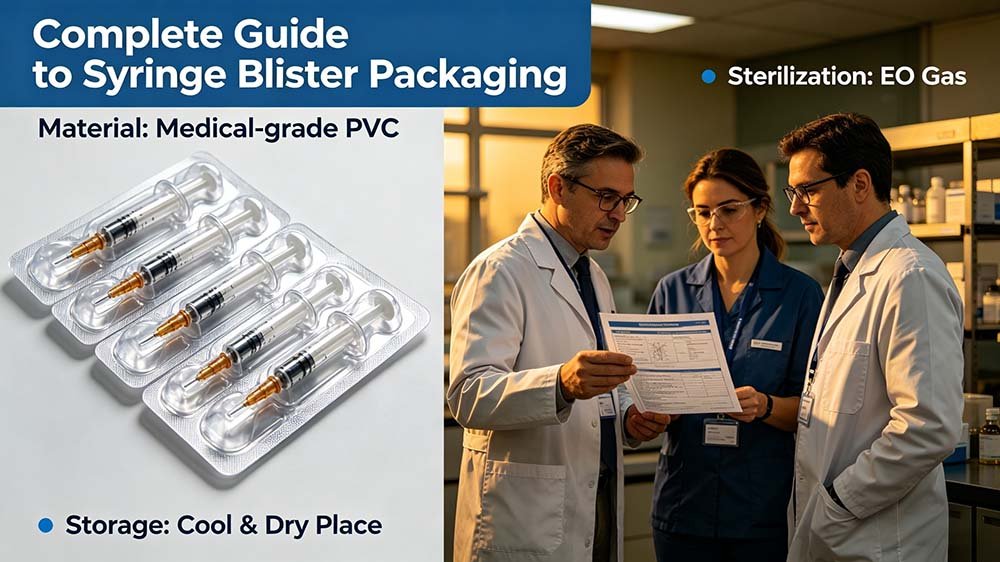
Diagnostic Devices
Test strips, lancets, sample collection kits, IVD components. Moisture-barrier Alu-Alu blisters for assay integrity.
Request Quote
Wound Care & Sutures
Sterile sutures, surgical dressings, hemostatic agents. High-barrier Tyvek-aluminum combinations for long shelf life.
Request QuoteMedical Device Blister Material Selection Guide
The project document index assigns functions, test methods, records and approval responsibilities.
| Material Combination | EtO Sterilization | Gamma Irradiation | Steam (Autoclave) | Best Application |
|---|---|---|---|---|
| PETG + Tyvek 1073B | Excellent | Yes | No | Pre-filled syringes, catheters |
| PETG + Medical Aluminum | No (no gas penetration) | Excellent | Limited temp | Sutures, dressings, gamma products |
| APET + Tyvek 1059B | Yes | Yes | No | Disposable instruments |
| HIPS + Paper-Foil | Yes | Limited | No | Low-cost Class I devices |
| Alu-Alu Cold Form | No | Excellent | Yes | IVD, moisture-sensitive devices |
| PETG (Heat-Stable) + Aluminum | No | Yes | Excellent | Reusable surgical instruments |
Material Selection Guidance: Tyvek lidding is required for EtO sterilization because the porous structure allows gas penetration. For blister packaging for medical devices, use the approved material construction, product-protection target and finished-pack test records when reviewing materials and sealing. HIJ provides material compatibility consultation and validation testing support — including ASTM F88 seal strength, F1929 dye penetration, and F1140 burst testing protocols.
Medical Device Regulatory Compliance
The project document index assigns functions, test methods, records and approval responsibilities.
Standards Met
- Equipment-document requirements
- Equipment-document requirements
- Equipment-document requirements
- Equipment-document requirements
- Equipment-document requirements
- Cleanroom interface: define the site conditions
Validation Test Protocols
- ASTM F88 — Seal strength testing protocol
- ASTM F1929 — Dye penetration leak test
- ASTM F1140 — Internal pressurization (burst)
- ASTM F2096 — Gross leak detection
- ASTM D4169 — Distribution simulation
- Qualification-document scope to agree
ISO 11607 Sterile Barrier System Requirements
For blister packaging for medical devices, use the approved material construction, product-protection target and finished-pack test records when reviewing equipment selection. Key requirements include:
- Material biocompatibility: Forming films and lidding materials must be compatible with the device and sterilization method, with no migration of harmful substances.
- Microbial barrier: Tyvek and other porous materials must demonstrate microbial barrier per ASTM F1608 or equivalent.
- Seal-strength criteria are set for the selected material construction, test method, sample conditioning and finished-pack use.
- Stability testing: Real-time and accelerated aging studies per ASTM F1980 to validate shelf life.
- Equipment-document requirements Forming, sealing, and assembly processes must be validated through IQ/OQ/PQ with documented critical parameters (temperature, pressure, dwell time).
The project document index assigns functions, test methods, records and approval responsibilities. Each machine ships with complete validation documentation including process parameter ranges, seal test protocols, and operator training materials.
Sterilization Method Compatibility
The project document index assigns functions, test methods, records and approval responsibilities.
Ethylene Oxide
EtO Sterilization
Most common method for heat-sensitive medical devices. Requires porous lidding (Tyvek) for gas penetration.
Films: PETG, APET, HIPS
Lidding: Tyvek 1073B/1059B
Specify the product and process temperature range
Gamma Irradiation
Gamma Sterilization
High penetration radiation method. Compatible with sealed packaging including aluminum lidding.
Films: PETG, Alu-Alu
Lidding: Tyvek, Aluminum
Dose: 25 kGy minimum
Steam Autoclave
Moist Heat
For heat-stable surgical instruments. Requires high-temperature compatible materials and aluminum lidding.
Films: Heat-stable PETG
Lidding: Aluminum foil
Specify the product and process temperature range
Electron Beam
E-Beam Sterilization
Fast, dry sterilization for thin packaging. Lower penetration than gamma but minimal material degradation.
Films: PETG, APET
Lidding: Tyvek, Aluminum
Define the specified sterilization process
HIJ Medical Device Blister Packaging Machines
Choose the right blister packaging solution for your medical device — from R&D batches to high-volume cleanroom production.
for Syringes

Syringe Blister Packaging Machine
Syringe packaging starts with device drawings, tray geometry, lidding grade, handling limits, sterilization route and finished-pack acceptance criteria.
Speed60–150 packs/min
LiddingTyvek / Aluminum
StandardISO 13485 Ready
High Speed

DPP-260 Automatic Blister Machine
High-speed servo-controlled blister line adaptable for medical devices. 21 CFR Part 11 capable, vision inspection ready.
Speed120–200 packs/min
ControlServo + PLC
Compliance21 CFR Part 11
Moisture Barrier

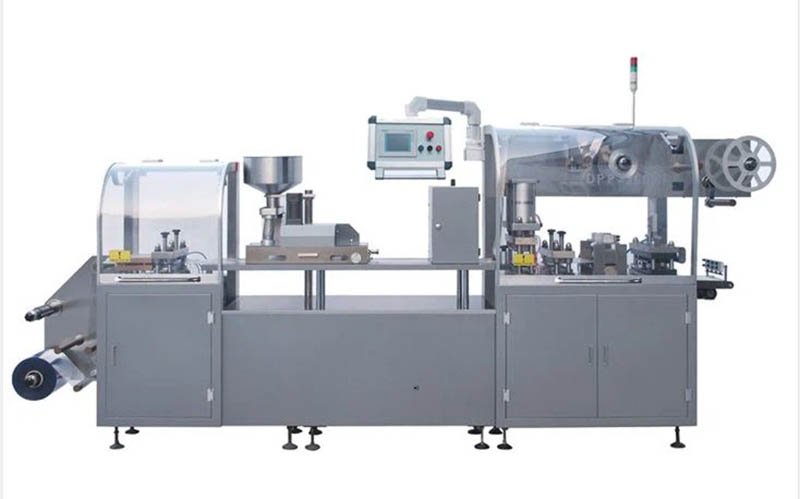
Alu-Alu Cold Form Blister Machine
For IVD diagnostic strips, moisture-sensitive devices, and long shelf-life applications. Complete moisture/oxygen barrier.
Speed60–150 packs/min
FormingCold Form Aluminum
BarrierDefine moisture and oxygen limits

20+ Years
Medical Device Packaging
Meet Forester Xiang
FOUNDER · HIJ MACHINERY · MEDICAL DEVICE PACKAGING EXPERT
With 20+ years in pharmaceutical and medical device packaging machinery, Forester Xiang has consulted on packaging line design and validation for 100+ manufacturing facilities across 30+ countries — including major medical device manufacturers in India, Vietnam, Bangladesh, Brazil, and Germany.
The document index assigns drawings, test records, deliverables and approval responsibilities.
Medical device blister packaging is fundamentally different from pharmaceutical blister. The sterile barrier system must survive sterilization, transit, and storage — every weld, every parameter, every validation step matters. After 20+ years and 100+ factory visits, I can tell you exactly which validation gaps cause CE MDR rejections.
100+
Facilities Audited
30+
Countries
Scope
Expert
Frequently Asked Questions
Answers to common questions about medical device blister packaging from medical device manufacturers worldwide.
What is blister packaging for medical devices?
Blister packaging for medical devices is a sterile barrier packaging method using thermoformed plastic cavities (PETG, APET, or HIPS) sealed with Tyvek or medical-grade aluminum lidding. For blister packaging for medical devices, use the approved material construction, product-protection target and finished-pack test records when reviewing equipment selection.
What materials are used for medical device blister packaging?
Common medical device blister packaging materials include: Forming films — PETG (most common, gamma/EtO compatible), APET, HIPS, PVC, and Alu-Alu cold form. Lidding materials — Tyvek 1073B and 1059B (porous for EtO), medical-grade aluminum foil (for steam/gamma), and coated paper-foil laminates. For blister packaging for medical devices, use the approved material construction, product-protection target and finished-pack test records when reviewing equipment selection.
Is HIJ medical device blister packaging machine ISO 13485 compliant?
Agree the device, pack, sterilization strategy, sealing tests, document index and supplier/customer responsibilities before approving the proposal.
What sterilization methods are compatible with HIJ blister packaging?
The project document index assigns functions, test methods, records and approval responsibilities. Material recommendations are provided based on your specific device and sterilization protocol.
How much does a medical device blister packaging machine cost?
Syringe packaging starts with device drawings, tray geometry, lidding grade, handling limits, sterilization route and finished-pack acceptance criteria.
What medical devices can be packaged with HIJ blister machines?
Product samples, package drawings and the selected material route determine tooling and acceptance trials. Custom mold design available for unique device geometries.
What is ISO 11607 and how does it apply to blister packaging?
ISO 11607 is the international standard for packaging of terminally sterilized medical devices. For blister packaging for medical devices, use the approved material construction, product-protection target and finished-pack test records when reviewing equipment selection. The project document index assigns functions, test methods, records and approval responsibilities.
Does HIJ provide cleanroom-compatible blister packaging machines?
Yes. The specification lists contact materials, cleaning access, change parts and document deliverables. Machine layout is engineered to support pass-through cleanroom configurations.
How long does delivery take for medical device blister machines?
For blister packaging for medical devices, record the agreed equipment selection responsibilities, delivery endpoint, inclusions and exclusions in the current proposal. The specification lists contact materials, cleaning access, change parts and document deliverables. Lead time includes manufacturing, FAT (Factory Acceptance Testing), seal validation testing, and pre-shipment inspection. On-site SAT and validation support available globally.
Does HIJ provide validation documentation for medical device packaging?
Yes. HIJ provides comprehensive validation documentation specifically for medical device packaging: URS templates, Design Qualification (DQ), Installation Qualification (IQ), Operational Qualification (OQ), Performance Qualification (PQ), Seal Strength Test protocols (ASTM F88), Dye Penetration Test methods (ASTM F1929), Burst Test protocols (ASTM F1140), and Sterilization Validation support. The project document index assigns functions, test methods, records and approval responsibilities.
Ready to Validate Your Medical Device Blister Packaging?
Join medical device manufacturers in 30+ countries who chose HIJ for ISO 13485-ready blister packaging machines with complete ISO 11607 validation support.
Market and equipment-document requirements
Equipment-document requirements
Equipment-document requirements
Equipment-document requirements
Tyvek grade and sealing requirements
Cleanroom Ready
The specification lists contact materials, cleaning access, change parts and document deliverables.