
HIJ Machinery · Pharmaceutical line projects
Turnkey Pharmaceutical Packaging Solutions
Plan a pharmaceutical packaging line around your product, pack format and acceptance requirements—not a list of unrelated machine speeds. Discuss blister packing, cartoning and case packing with HIJ Machinery, with capsule filling included where the project requires it.
- Match the product, packaging materials and machine interfaces.
- Define equipment, documentation and site responsibilities before ordering.
- Request a quotation based on your approved configuration.

Configuration-based quoteEquipment + interfaces + agreed services
Start with your packProduct samples, drawings and target output
01 / Define the project
What does a turnkey pharmaceutical packaging line include?
A turnkey pharmaceutical packaging solution coordinates selected machines, product transfers, controls and agreed project services into a defined packaging process. “Turnkey” is not a universal equipment list: the quotation must identify where the line starts, where it ends and who accepts each deliverable.
From the product to the shipping case
For tablets or filled capsules, the packaging project may begin with product feeding into a blister machine and continue through cartoning and case packing. Capsule filling is an upstream operation and should be listed separately when required.
For syringes, review the actual container, closure and downstream pack before selecting equipment. A syringe filling machine listing does not establish that a complete aseptic processing system is included.
For engineering, production and QA teams
Use this page to prepare a pharmaceutical line enquiry: product handling, material compatibility, line balance, documentation and acceptance responsibilities.
For broader packaging automation across different industries, use our turnkey packaging solutions overview. For an individual machine replacement, begin with the relevant equipment category below.
Define the boundary first. Upstream drug manufacture, cleanrooms, building services, separate inspection equipment and third-party modules are not automatically included. Each supplied item and interface needs a named responsible party.
02 / Project planning
A clear route from requirements to handover
Use these review stages to structure the project agreement. The scope, deliverables and approval points should be confirmed with HIJ before the order—not assumed from the word turnkey.
01
Requirements review
Define dosage form, product dimensions, packaging materials, pack drawings, batch sizes and saleable output. Identify the formats that create the greatest handling or changeover challenge.
02
Configuration and layout
Confirm the equipment list, transfers, accumulation, access for cleaning and maintenance, utility connection points and space available at your facility.
03
Scope agreement
List tooling sets, optional inspection and coding, documentation, training and installation responsibilities. Record exclusions and responsibility for buyer-supplied equipment.
04
Factory acceptance
Agree the FAT protocol and representative materials before testing. Review output, product handling, reject functions, changeover and the evidence needed before shipment approval.
05
Site readiness
Coordinate delivery access, lifting arrangements, utilities and installation conditions. Define the planned site test, staffing, travel and service costs in the agreement.
06
Qualification and handover
Allocate document preparation, review, execution and approval. Confirm operator training, spare-parts lists and open-item closure before routine production handover.
03 / Select the equipment route
Pharmaceutical packaging machinery matched to your pack
Choose a route from the finished pack backwards. The examples below are planning sequences, not pre-priced standard lines or a promise that every module is supplied by HIJ.
Tablet blister-to-case line
Prepared tablets → blister packing → cartoning → case packing
Specify tablet geometry and handling limits, cavity arrangement, cards per carton and cartons per case. Establish how tablets arrive at the feeder; tablet manufacture is outside this illustrated packaging boundary.
Capsule filling and packaging
Capsule filling, if required → agreed downstream checks → blister packing → cartoning
Confirm capsule size, formulation and transfer method. HIJ does not supply capsule polishing machines. If polishing is required, source that equipment separately and agree the interfaces and acceptance responsibilities.
Cold-form blister route
Product feeding → cold-form blister packing → cartoning → case packing
Compare cavity size, material structure and pack dimensions with the thermoforming alternative. Select the barrier structure from your product requirements and packaging studies, not the machine name alone.
Pre-filled syringe packaging
Agreed syringe supply stage → protective packing → cartoning → case packing
Define barrel and closure geometry, orientation, protective supports and handling limits. If filling is included, assess it as a separate process scope; sterility controls and aseptic facilities require their own review.
Explore the individual machine categories

Blister packing machines
Review forming method, feeding arrangement, sealing materials and format tooling. Use model-specific specifications for machine limits.
Compare blister packing equipment →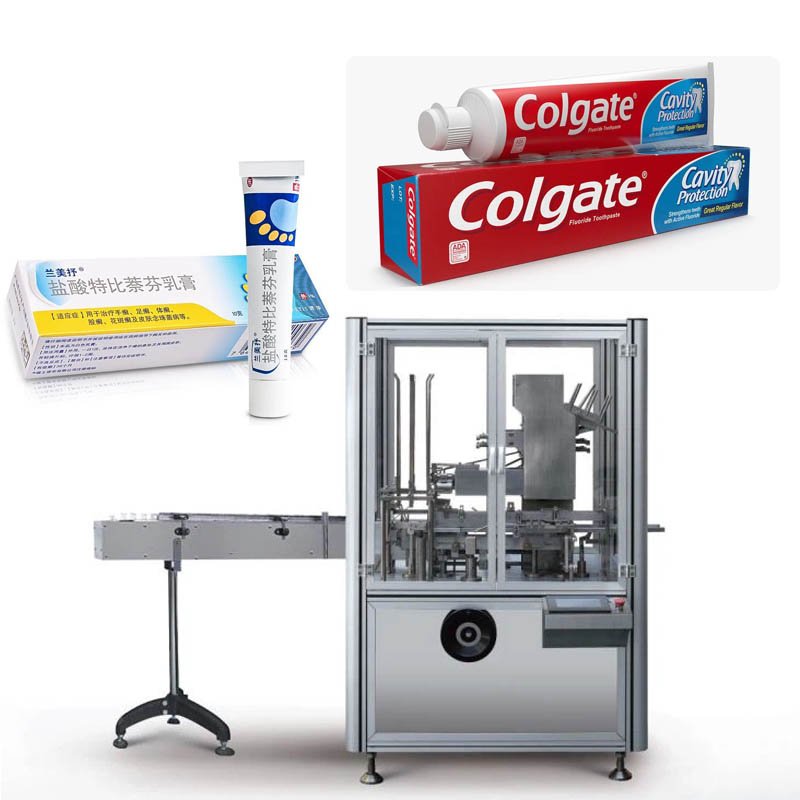
Cartoning machines
Match blister stacks, leaflets and cartons to the infeed and insertion method. Coding and verification are configuration items to confirm.
Review cartoning machine options →Capsule filling machines
Assess the formulation, capsule format, filling method and required batch output before choosing the upstream filler.
View capsule filling equipment →Case packing machines
Define carton orientation, case pattern, closing method and downstream transfer. Case output must be calculated from the actual pack count.
View case packing equipment →Planning a syringe project? Review the pre-filled syringe filling machine range against your container and process requirements.
04 / Evidence and documentation
Agree the qualification support—not a blanket compliance promise
A machine proposal should identify the documents, tests and services actually included. Keep supplier evidence separate from your site's qualification approvals and product release responsibilities.
EU GMP Annex 15: Qualification and Validation describes a risk-based approach, approved documentation and defined responsibilities. It is a reference for project planning, not an HIJ certificate.
| Stage | Evidence to discuss | Responsibility to settle |
|---|---|---|
| URS and design review | Approved requirements, equipment scope and design references. | Who owns requirements, reviews deviations and approves the design? |
| FAT / SAT | Agreed test protocols, recorded results and open-item lists. | Who supplies samples, witnesses tests and approves acceptance? |
| IQ / OQ | Installation and operating checks, supporting equipment records. | Distinguish templates, protocol preparation and executed tests in the quote. |
| PQ | Performance evidence under the site's approved production conditions. | Define site execution, quality oversight and any contracted supplier support. |
| Records and controls | User access, alarms, data handling and required software documentation. | Confirm the actual control configuration and review requirements with your QA team. |
Ask for evidence tied to the proposed equipment. Request the applicable declarations, drawings, manuals and inspection records for the configuration being quoted. A generic badge or a reference to GMP does not establish the qualification of your installed process.
05 / Compare like-for-like quotations
What changes the price of a pharmaceutical packaging line?
HIJ quotations are configuration-based. Compare the complete scope rather than only the base machine price: additional formats, inspection functions, site work and documentation can materially change the project.
Machines and formats
Machine selection, feeding system, forming method, tooling sets, product guides and the range of cartons or cases to be processed.
Interfaces and controls
Conveyors, transfer heights, accumulation, stop/start signals, reject handling and integration with buyer-supplied equipment.
Inspection and coding
Required defect checks, code printing or reading, reject confirmation and any traceability requirements for your project.
Testing and documents
Formats tested, trial materials, FAT scope, requested document set and whether qualification support is templates or executed work.
Site services
Installation, commissioning, training, site test scope, travel conditions and the customer's preparation responsibilities.
Delivery and support
Packing, freight terms, agreed spare parts, service scope and project schedule. Confirm each item in the written quotation.
06 / Define measurable acceptance
Test the complete line with your actual pack
A fast standalone machine does not establish the output of the connected line. Define the acceptance unit, test conditions and allowed losses before comparing proposals.
Translate every machine into the same unit
Blister cards per minute, cartons per minute and cases per minute are different measurements. Convert them using cards per carton and cartons per case, then account for feeding interruptions, rejects and planned changeovers.
Illustration only: 120 blister cards/min ÷ 3 cards/carton = 40 cartons/min before losses. At 20 cartons/case, that equals 2 cases/min. These are arithmetic examples, not HIJ machine specifications or guaranteed output.
Check how the machines respond together
- What happens when the cartoner stops or the blister feeder runs low?
- Where can product accumulate without damage or mix-up?
- How are rejects separated and confirmed?
- How are remaining packs cleared before a format or batch change?
| Test topic | Define before the trial | Evidence to request |
|---|---|---|
| Output and quality | Representative product and materials, test duration, acceptable output and defect criteria. | Good packs, rejects, stoppages and observations recorded separately. |
| Pack integrity | Agreed sealing and pack inspection methods for your material structure. | Identified samples and results against the approved criteria. |
| Detection and rejection | Selected missing-product, leaflet or code challenges where those functions are included. | Challenge results and confirmation that affected packs are segregated. |
| Changeover and cleaning access | Formats to change, tools required and the boundary of the timed task. | Observed steps, access constraints and the final setup record. |
| Line interruption | Upstream and downstream stop conditions, accumulation and controlled restart. | Observed interlock response, product condition and unresolved issues. |
07 / Questions before ordering
Turnkey pharmaceutical packaging FAQ
What equipment is included in a turnkey pharmaceutical packaging line?
The equipment list depends on the product and finished pack. A project may combine blister packing, cartoning and case packing, with capsule filling included when required. Feeders, conveyors, inspection, coding and buyer-supplied modules must be identified separately in the agreed scope.
How much does a pharmaceutical packaging line cost?
HIJ quotes by configuration rather than publishing a universal line price. The quotation depends on the selected machines, tooling sets, interfaces, inspection functions, documentation and site services. Send the product details, pack drawings and target output for a scoped quotation.
How long does a turnkey line take to deliver?
The schedule is confirmed for the agreed configuration and project scope. Tooling approvals, sample availability, purchased components, acceptance testing and site readiness can affect the timeline. Request separate milestones for design approval, FAT, shipment and site work.
Are DQ, IQ, OQ and PQ documents automatically included?
No document or execution scope should be assumed from the word turnkey. Agree the required document list and distinguish templates, prepared protocols, executed tests and review support. Your project agreement should identify who prepares, performs, reviews and approves each activity.
Can a line use both new and existing machines?
This requires a compatibility review. Provide the existing machine drawings, transfer heights, operating speeds, controls information and stop/start requirements. Confirm who is responsible for interface changes, testing and support before including the existing equipment in the proposed line.
Does HIJ supply capsule polishing machines?
No. HIJ does not supply capsule polishing machines. If your capsule process requires polishing, source that equipment separately and define the transfer, control and acceptance responsibilities between the suppliers.
Do machine speed figures establish the finished line output?
No. Convert machine rates into the same finished-pack unit and evaluate the limiting process. Product feeding, pack count, rejects, stoppages and changeovers affect usable output. Confirm acceptance using agreed samples, materials and test conditions.
What should I send if I do not have a finished URS?
Start with the product description, dimensions or samples, packaging drawings, target output, format range and available floor space. Add your destination market and documentation needs. These inputs allow HIJ to discuss the proposed scope and the requirements that still need to be defined.
08 / Start with the right information
Request your pharmaceutical line configuration
Send a concise project brief so we can discuss the equipment route and quotation scope. You do not need a perfect specification to start, but clear pack details make the review more useful.
- Product: tablet, capsule or syringe; dimensions and handling constraints.
- Pack: material structure, blister or tray drawing, carton and case sizes.
- Output: required good packs per hour, pack counts and batch pattern.
- Site: available space, utilities, existing equipment and interfaces.
- Scope: tooling, inspection, documentation, training and site-service requirements.
Discuss the scope with HIJ Machinery
Based in Wenzhou, China. For drawings or photographs, ask the team which transfer method to use; do not assume the website form accepts attachments.