

DPP-250
Review the pharmaceutical blister platform against the product, material pair, pack drawing, loading and required test evidence. Check the offered tooling and change parts for each format.
Review DPP-250 specificationsPlan your Indian site's blister packing project with HIJ Machinery in Wenzhou, China, starting from the product and pack.
A useful blister packaging machine enquiry for India describes the product, approved pack, required accepted output and conditions at the receiving site. Those inputs define the equipment discussion and the quotation boundary.
Choose a route from the product and pack, then review the actual machine configuration. The model pages carry their own specifications; this page connects that choice to the Indian site's project requirements.
Start with the approved forming-web and lidding pair, cavity drawing and product loading arrangement. Compare the DPP-250 or DPP-260 project page against the same pack and accepted-output target.
Start with the approved cold-form laminate, cavity geometry, lidding system and product-protection target. Review the Alu-Alu route and its tooling, feeding and acceptance scope separately from thermoforming.
Identify how finished blisters transfer to cartoning or another downstream operation. Define buffering, orientation, interface signals and the supplier/customer boundary before asking for a combined pharmaceutical line quotation.
Review the pharmaceutical blister platform against the product, material pair, pack drawing, loading and required test evidence. Check the offered tooling and change parts for each format.
Review DPP-250 specifications
Compare the automatic blister equipment configuration using the same pack, sustained accepted-output target, supplied loading functions and inspection/rejection requirements.
Review DPP-260 specifications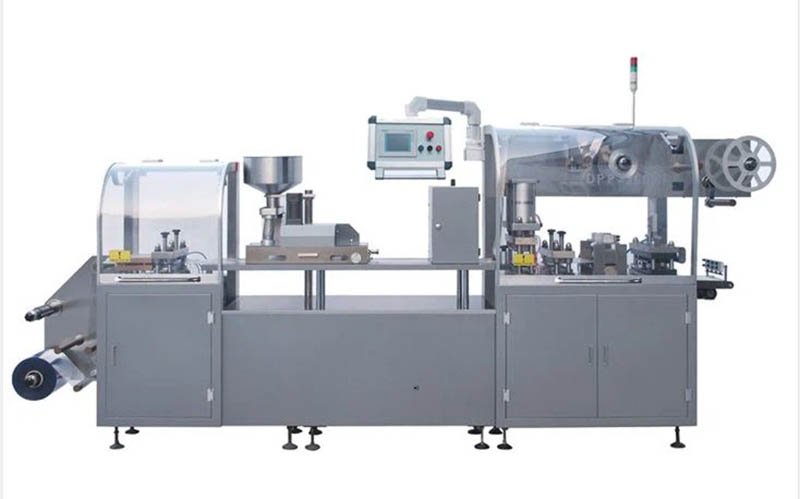
Review the cold-form packaging route when it is selected by the approved package specification. Compare the actual laminate, cavity/tooling scope, layout and acceptance evidence rather than transferring a thermoforming rate.
Review the Alu-Alu routeThe operating conditions come from your production room and project requirements, not a national climate label. Put the following in one technical schedule so the equipment offer and site work can be compared together.
Build the document and acceptance scope into the quotation. Identify required drawings, manuals, parts lists, material records, instrument records and test documents, with the language, revision and approval responsibilities.

Use the existing DPP-250 qualification support page and blister equipment documentation guide for a detailed discussion of records and responsibilities.
Request one itemised quotation covering the selected platform, tooling, loading, inspection, trial/documents and service scope. Keep options and buyer-supplied items separate from the machine price.
Name the handover point, receiving location and who arranges packing, freight, clearance, unloading and positioning. Agree the shipment-document list with the importer and logistics provider.
Request manufacturing, trial, approval, dispatch and site-handover milestones, their start conditions and the separate freight estimate. Avoid treating a catalogue lead time as the schedule for your configured project.
Specify remote assistance, any onsite attendance, training, language, spare parts, travel and applicable service terms. Put responsibilities and exclusions in writing rather than assuming a local service office.
Record currency, quotation validity, payment milestones, included formats and agreed variation procedure. Confirm destination-specific charges with the responsible importer or logistics adviser instead of using a generic tax percentage.
Reuse depends on tooling interfaces, web dimensions, cavity layout, sealing and cutting arrangements, condition and control requirements. Provide the current drawings and tool identification for review. Tooling that fits another machine is not automatically interchangeable.
A model selection does not define the complete test and document scope. Agree the URS, equipment configuration, acceptance criteria, records and supplier/customer responsibilities with the project team, including any qualification work required at the receiving site.
Yes, it can be discussed as part of a wider project scope. Specify blister orientation, transfer height, buffering, interface signals and responsibility for the downstream equipment. The blister platform and the integration work should be identifiable in the quotation.
Send your existing URS or product/pack specification. If those details are already documented, reference the revision and highlight only changes or unresolved requirements.
HIJ can then discuss the equipment route, tooling, test records and delivery scope for your site.