
Protection requirement
Name the moisture, oxygen and light-protection requirement using approved stability and packaging evidence.
Compare forming method, approved web, cavity geometry, product-protection requirement, accepted output and FAT evidence before selecting a blister machine route.



Cold forming shapes an aluminum-based laminate through mechanical deformation. Thermoforming heats a qualified plastic web and shapes it with vacuum, air pressure or an agreed forming method. Neither route is universally better.
Name the moisture, oxygen and light-protection requirement using approved stability and packaging evidence.
Define forming web, lidding web, seal system, artwork, cavity drawing and finished-card criteria.
Measure good blister cards at discharge under named product, web, staffing and run conditions.
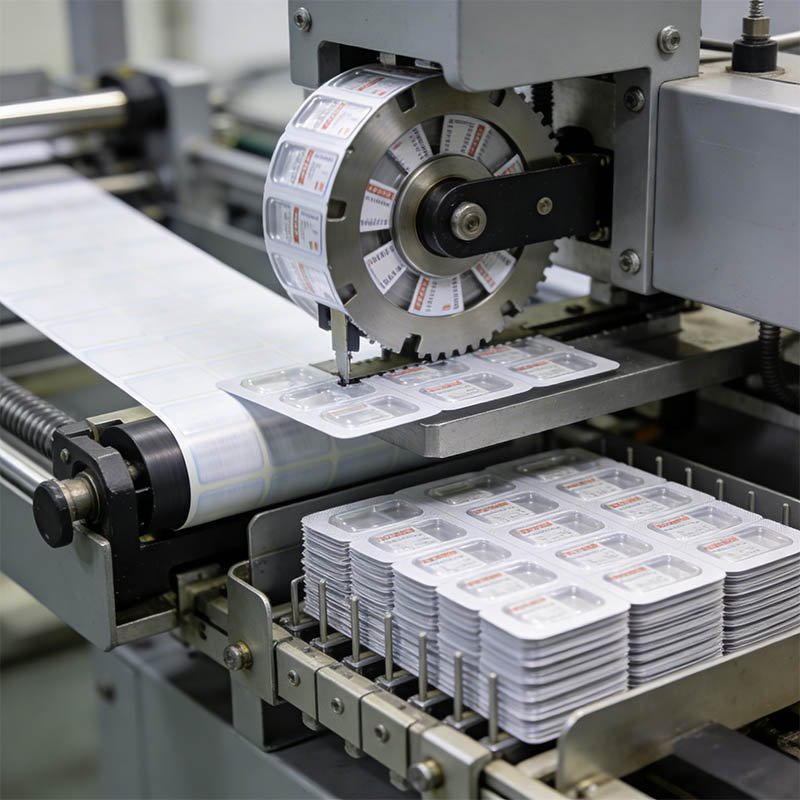
The forming station changes, but the complete line still has to control web handling, product feeding, lidding, sealing, registration, cutting, inspection and reject segregation.
An approved aluminum-based laminate is indexed into matched tooling and mechanically formed to the cavity geometry. The trial must show that the laminate, draw pattern, corner radii and tooling produce usable cavities without unacceptable thinning, wrinkles or damage.
An approved thermoplastic web is heated within a verified operating window and formed to the cavity by the specified vacuum, pressure or combined method. The trial must show repeatable geometry, web tracking and sealing with the actual material construction.
The correct answer depends on the approved product-pack system. Use this matrix to identify what must be supplied, tested and documented before a machine route is frozen.
| Decision input | Cold-form route | Thermoform route |
|---|---|---|
| Forming principle | Mechanical deformation of a qualified aluminum-based laminate | Controlled heating and forming of a qualified plastic web |
| Finished-pack appearance | Typically opaque forming web | Appearance depends on the selected plastic construction |
| Protection decision | Selected when the approved laminate supports the required product-protection strategy | Selected when the qualified plastic and lidding construction supports stability requirements |
| Cavity design | Geometry must respect the verified forming behavior of the laminate | Geometry must match the web, heating window and forming method |
| Material qualification | Confirm laminate supplier, structure, lot and tooling trial | Confirm plastic grade, coating or barrier layer, lot and process trial |
| Output basis | Good cards under the named laminate, cavity and test conditions | Good cards under the named web, heating and test conditions |
| Changeover | Tooling, web path, settings and verification samples must be defined | Tooling, heating recipe, web path and verification samples must be defined |
| Cost comparison | Quote machine, forming tools, laminate, utilities, waste and qualification separately | Quote machine, molds, plastic web, utilities, waste and qualification separately |
| Acceptance evidence | Retain cavity, web, seal, registration, cut and accepted-output results | Retain heat/form window, cavity, seal, registration, cut and accepted-output results |
A material name alone does not establish shelf life. Ask the buyer's packaging, formulation and quality teams to define the evidence boundary before comparing machine platforms.
Identify the moisture, oxygen, light, temperature and handling conditions that can change product quality.
Connect the proposed package to the approved stability program and market-specific storage statement.
Define climatic zones, transport stresses, secondary packaging and expected storage conditions.
Name the forming and lidding grades, suppliers, controlled specifications and incoming checks.
Define the compatible lidding, coating, seal window, inspection method and finished-pack criteria.
Agree the material trials, package tests, stability responsibilities and retained data before order.
Protection depends on the complete material construction, supplier specification, cavity geometry, forming quality, seal and distribution system. Use approved data for the exact pack.
The machine should be configured around the buyer's approved product-pack system and acceptance method—not the other way around.
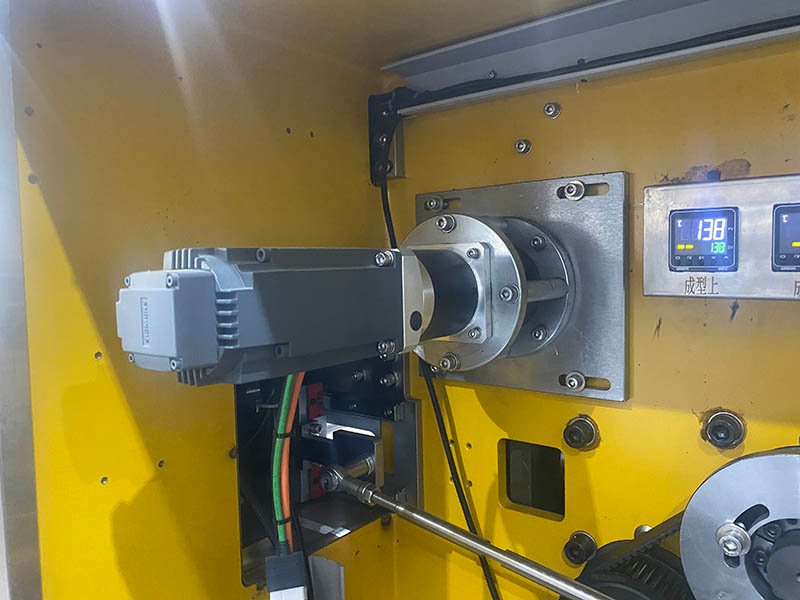
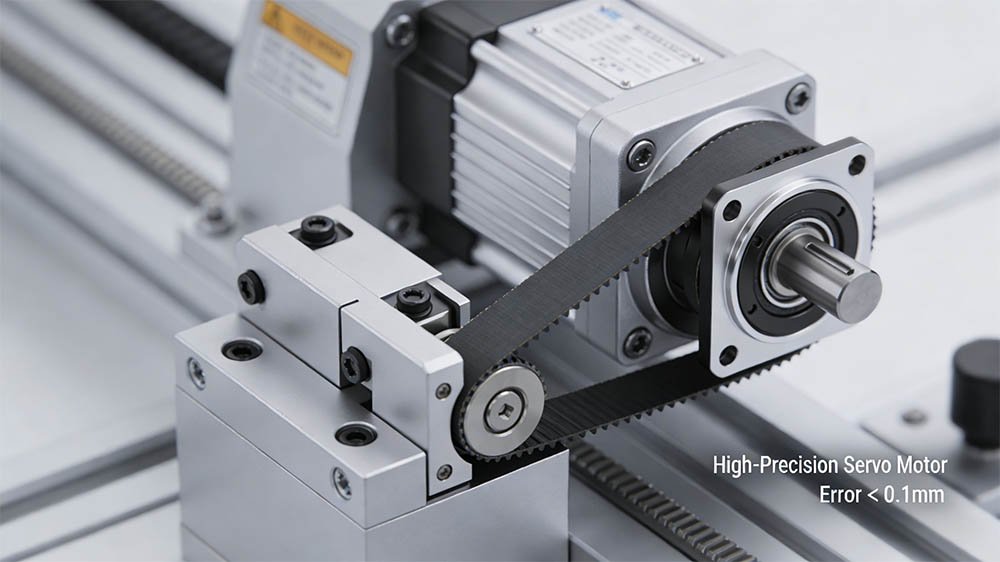
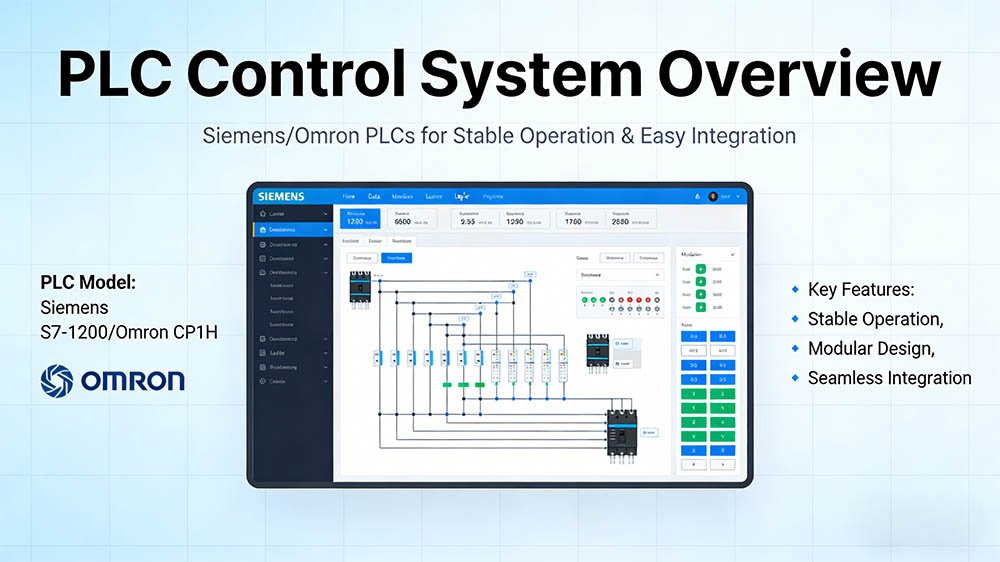
The forming station receives most of the attention, but product feeding, sealing, web registration, cutting, controls and inspection still determine whether the finished cards meet the drawing.

The route should remain conditional until the product, pack and evidence are reviewed together. A supplier can recommend a configuration, but the buyer owns the approved product and validation boundary.
Collect stability data, sensitivity risks, shelf-life target, market conditions and approved packaging constraints.
Approve the cavity drawing, forming web, lidding web, seal, artwork, card layout and finished-pack tests.
If the material decision remains open, run controlled trials using representative product and candidate webs before selecting tooling.
| Decision gate | Question to answer | Required evidence |
|---|---|---|
| Protection | Which complete pack supports the approved shelf-life strategy? | Stability and material-system assessment |
| Geometry | Can the web form the approved cavity without unacceptable defects? | Drawing review and forming trials |
| Feeding | Can representative product enter every cavity correctly? | Product samples and challenge trial |
| Seal | Is there a usable seal window for the approved material pair? | Recorded settings and agreed seal tests |
| Output | Can the complete process meet the accepted good-card target? | Sustained FAT run and reconciliation |
A credible cost comparison starts after the product, pack, format range and acceptance scope are known. Ask suppliers to itemize the same boundary so the proposals are genuinely comparable.
| Cost driver | Input to define | Supplier response required |
|---|---|---|
| Base platform | Forming route, web width, product range and accepted output | Proposed configuration and declared assumptions |
| Tooling | Every cavity, card layout, perforation, cut and format | Included tool sets, change parts, storage and future-format basis |
| Materials | Approved forming and lidding constructions and sourcing plan | Trial quantities, operating assumptions and excluded grades |
| Utilities | Electrical, compressed air, cooling, extraction and site conditions | Consumption basis, connection points and buyer-supplied services |
| Quality scope | Inspection, rejects, records, FAT and qualification support | Included devices, documents, protocols, options and exclusions |
| Lifecycle | Campaigns, changeovers, cleaning, spares, training and service | Maintenance boundary, recommended parts and contracted support |
The protocol should use the approved product, forming web, lidding web, tooling revision, sampling plan and test methods. Retain the settings and raw results needed to explain the final decision.
Record material lots, reel setup, tension, tracking, splices and the response to web faults.
Retain approved samples, settings, cavity measurements and a categorized defect log.
Challenge missing, doubled, damaged or incorrectly oriented product and verify the disposition.
Record the approved operating window and agreed appearance or integrity test results.
Retain printed samples, cut-position results, perforation checks and acceptance limits.
Reconcile total cards, accepted cards, rejects, waste, stops and operator interventions.
Add material-specific forming observations, cavity geometry, thinning or damage criteria, corner quality and tooling alignment to the common FAT record.
Add heat and forming settings, stabilization conditions, web response, cavity geometry and the approved process-window evidence.
A supplier cannot make a reliable cold-form versus thermoform recommendation from the product name alone. Provide controlled inputs and ask for assumptions, options and exclusions in writing.
State the proposed route and explain which buyer inputs, trials and assumptions support it.
Return a marked layout, format matrix, option list, interface boundary and document index.
Propose the FAT prerequisites, duration, sampling, limits, records and deviation workflow.
HIJ can review candidate materials, product samples, cavity drawings, feeding, inspection, accepted output and FAT evidence before proposing a blister-machine configuration.
The resulting quotation should identify the forming route, tooling, included formats, interfaces, tests, documentation, training and site work. Final suitability remains conditional on approved samples, materials and acceptance conditions.

Cold forming mechanically shapes an approved aluminum-based laminate into cavities. Thermoforming heats an approved plastic web and forms it by the specified vacuum, pressure or combined method. The finished package, process settings and tooling therefore require different qualification evidence.
No. The correct route is the one supported by the product's stability strategy, approved material construction, cavity geometry, seal system and distribution requirements. A material family or machine label alone does not establish finished-pack suitability.
Output depends on the machine configuration, web width, card layout, product feeding, inspection, materials and acceptance rules. Compare accepted good cards at final discharge under the same named test conditions instead of applying a universal speed figure.
The total project cost depends on the base platform, tooling, approved webs, utilities, waste, format range, inspection, documentation, qualification and lifecycle needs. Obtain itemized quotations against one common scope before comparing the two routes.
Some platforms may be proposed with route-specific modules or options, but compatibility must be confirmed for the exact machine, tooling, controls, web path and format range. Do not assume that a thermoforming station can be converted to cold forming without an engineered configuration.
Provide the complete forming and lidding constructions, supplier specifications, thickness or coating details, artwork, seal system, storage requirements and representative material lots. Candidate webs should be tied to the buyer's stability and packaging assessment.
Test web handling, forming repeatability, product feeding, seal results, registration, cutting, inspection, rejects, stops, restarts, changeover and sustained accepted output using the agreed products, materials, tools, sampling and acceptance methods.
Send product samples and characteristics, stability and protection requirements, candidate web specifications, cavity and card drawings, format range, accepted-output target, inspection and interface needs, document list and required FAT evidence.
Send the approved product and pack inputs, candidate webs, cavity drawing, accepted-output target and FAT boundary. HIJ can return a configuration and evidence plan for review.