
Product
Dosage form, geometry, fragility, orientation, dust, batch profile, representative samples and handling limits.
Blister-machine proposal comparison
Compare two proposals against one approved product, finished pack, accepted-output target, inspection boundary, document list and FAT method. A model name, catalogue speed or headline price cannot establish an equivalent project.

A defensible comparison
A useful DPP-260 vs Uhlmann blister-machine comparison starts with the buyer's requirement—not with assumptions about either brand. Supply the same inputs, request the same output and make every inclusion, option, exclusion and unresolved trial visible.
Dosage form, geometry, fragility, orientation, dust, batch profile, representative samples and handling limits.
Approved cavity drawing, forming web, lidding, seal system, artwork, registration, perforation and cut criteria.
Feeding, forming, sealing, inspection, rejection, coding, changeover, cleaning and upstream or downstream interfaces.
URS response, trial plan, document index, FAT protocol, raw results, deviation closure and handover responsibilities.
| Decision area | Buyer baseline | DPP-260 response to confirm | Uhlmann response to confirm |
|---|---|---|---|
| Application boundary | Products, format family, batch pattern, room conditions and future range. | Quoted configuration, supported range, assumptions and trial-dependent items. | Use the current supplier proposal or official project documentation; record the same fields. |
| Forming & sealing | Material grades, thicknesses, seal system, barrier target and cavity drawing. | Tooling, web path, usable operating window, controls and evidence planned. | Tooling, web path, usable operating window, controls and evidence planned. |
| Accepted output | Good packs per shift, scheduled time, planned stops, reject and waste rules. | Packs per cycle, verified run condition, yield basis and stated constraints. | Packs per cycle, verified run condition, yield basis and stated constraints. |
| Feeding & handling | Actual samples, orientation, surface behavior, dust, fragility and recovery rules. | Feeder concept, operator touchpoints, challenge conditions and reject handling. | Feeder concept, operator touchpoints, challenge conditions and reject handling. |
| Inspection & data | Defect list, challenge set, detection limit, user roles, records and interfaces. | Included hardware/software, test method, data boundary and unavailable functions. | Included hardware/software, test method, data boundary and unavailable functions. |
| Changeover & cleaning | Format family, product-contact boundary, staffing and approved time definition. | Parts, tools, settings, samples, cleaning method and FAT demonstration. | Parts, tools, settings, samples, cleaning method and FAT demonstration. |
| Documents & services | Language, format, review, approval, execution, site support and handover needs. | Named deliverables, revisions, execution owner, exclusions and commercial status. | Named deliverables, revisions, execution owner, exclusions and commercial status. |
Swipe horizontally to review all comparison columns.
Three comparison layers
Many proposal comparisons fail because these layers are mixed together. A function may be technically possible but not quoted; a quoted function may still depend on product trials; and an accepted result requires a defined test.
What the proposed platform and selected configuration are designed to do within stated product, material and format limits.
What is included in the current price, what is optional, what is excluded and which item remains subject to trial or buyer supply.
What will be tested, under which conditions, against which criterion, with which records retained and who approves the result.
DPP-260 project-fit gate
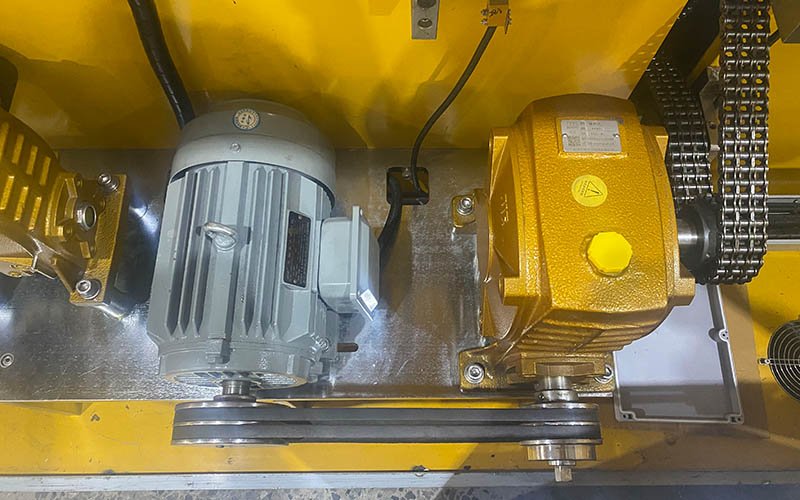
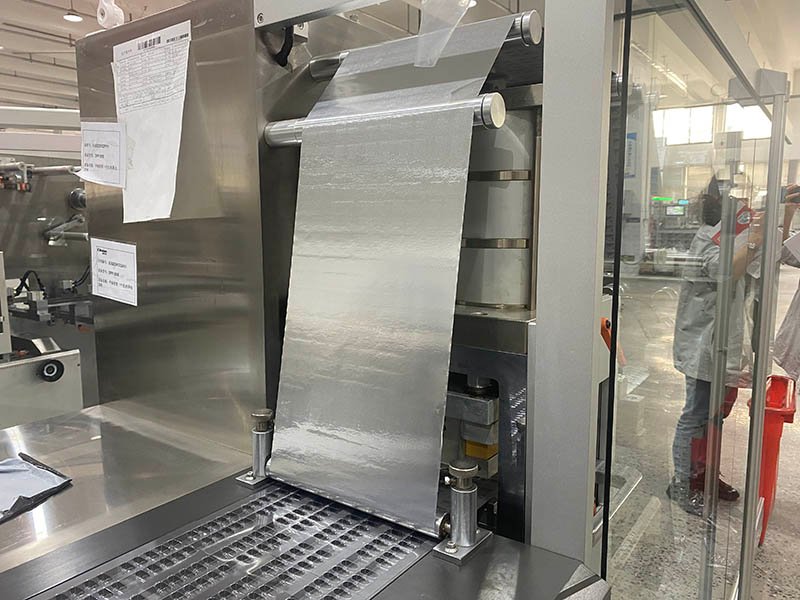
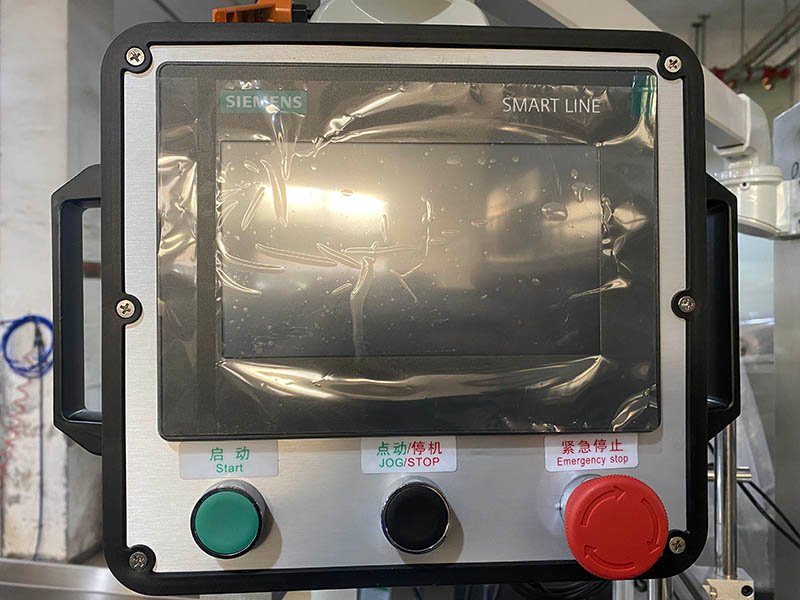
The DPP-260 should be evaluated as a configured blister process, not presented as a universal replacement for a named machine. These gates determine whether HIJ can prepare a meaningful response and whether the buyer can test it.
Accepted-output comparison
Two proposals are not comparable if one quotes a mechanical maximum and the other quotes accepted finished packs. Use the same pack layout, product, materials, run conditions and counting boundary before evaluating output.
Evidence before equivalence
A supplier name, component brand or compliance statement does not by itself establish process suitability, data integrity or finished-pack acceptance. Name the evidence package before the purchase order.
Approved protocol, prerequisites, representative challenge products, material lots, sampling plan, calibrated instruments and objective acceptance limits.
Configuration baseline, settings, start and stop times, total output, accepted output, defects, rejects, waste, interventions and deviations.
Approved report, deviation disposition, drawings, manuals, certificates in scope, backups, spare-parts list, training record and open-item register.
| FAT decision | Method to approve | Evidence to retain | Question answered |
|---|---|---|---|
| Web handling | Material lot, reel setup, tension range, splice and tracking challenge. | Settings, observations, faults, adjustments and sample identification. | Can the exact web feed consistently? |
| Forming repeatability | Approved drawing, challenge cavities, sampling locations and limits. | Samples, measurements, settings and defect log. | Does the web form the approved geometry? |
| Seal process | Agreed seal or integrity test, sampling plan and operating window. | Settings, results, rejected samples and deviation record. | Is there a usable window for the material pair? |
| Registration & cutting | Artwork datum, registration limits, cut-position and perforation criteria. | Printed samples, measurements, settings and inspection results. | Does the finished card match approved controls? |
| Inspection & rejection | Approved challenge set, detection criterion and reject-confirmation method. | Challenge results, reject record, false-reject observations and disposition. | Are defined defects detected and segregated? |
| Sustained run | Run duration, product/material lots, planned stops and accepted-output rule. | Counters, stop log, interventions, rejects, waste and retained samples. | Can the complete process meet the agreed target? |
Swipe horizontally to review the complete FAT matrix.
Responsibility matrix
“Validation documentation included” is too vague for a contract. Compare the availability, language, format, revision, customization, execution and approval status of every document and service.
| Project stage | Deliverables to name | Responsibility questions |
|---|---|---|
| Before purchase order | URS response, scope and exclusion list, preliminary configuration, document index and acceptance strategy. | Who prepares each item? Is it included, optional, buyer-supplied or unresolved? |
| Design stage | Approved drawings, specifications, component and option list, control description, software boundary and risk-review inputs. | Who reviews and approves? How many revisions are included? |
| Before FAT | Approved protocol, prerequisites, products and materials, sampling, instruments, limits and deviation workflow. | Who supplies samples, executes tests, records data and approves deviations? |
| Before shipment | FAT report, configuration baseline, manuals, certificates in scope, backups, spares and open-item register. | Which items are final, draft, conditional or deferred to site? |
| At buyer site | Installation, commissioning, training, SAT and any contracted qualification support. | Who provides labor, utilities, test materials, instruments, travel and approval? |
| During operation | Service access, change notification, replacement-part traceability, maintenance and software-support boundary. | What response, access, data, parts and escalation terms are actually contracted? |
Swipe horizontally to review all responsibility fields.
Lifecycle cost without invented numbers
Do not compare a headline machine price with a different project boundary. Ask for itemized responses, use the same planning horizon and record every assumption that materially changes the result.
Prepare a comparable request
HIJ can prepare a DPP-260 response against the buyer's stated scope. If another supplier proposal already exists, share only the technical requirements, included-scope list and open questions needed for normalization. Remove prices, names or other commercially sensitive fields when they are unnecessary.
The response should identify known requirements, missing information, assumptions and any item that needs samples or trials.
Included equipment, options, tooling, documents, services, exclusions and buyer responsibilities are separated.
The proposed configuration is tied to representative materials, objective criteria, a run method and retained evidence.
Continue the buying decision
Buyer questions
Uhlmann and related model names are trademarks of their respective owner. HIJ Machinery is not affiliated with or endorsed by Uhlmann. This page provides a buyer-side comparison framework and does not claim that differently configured machines are interchangeable.
Move from model names to testable scope
Send the approved inputs you already have. Open items can be recorded as assumptions or trial requirements instead of being hidden behind a generic comparison.