
Aseptic Form-Fill-Seal Technology
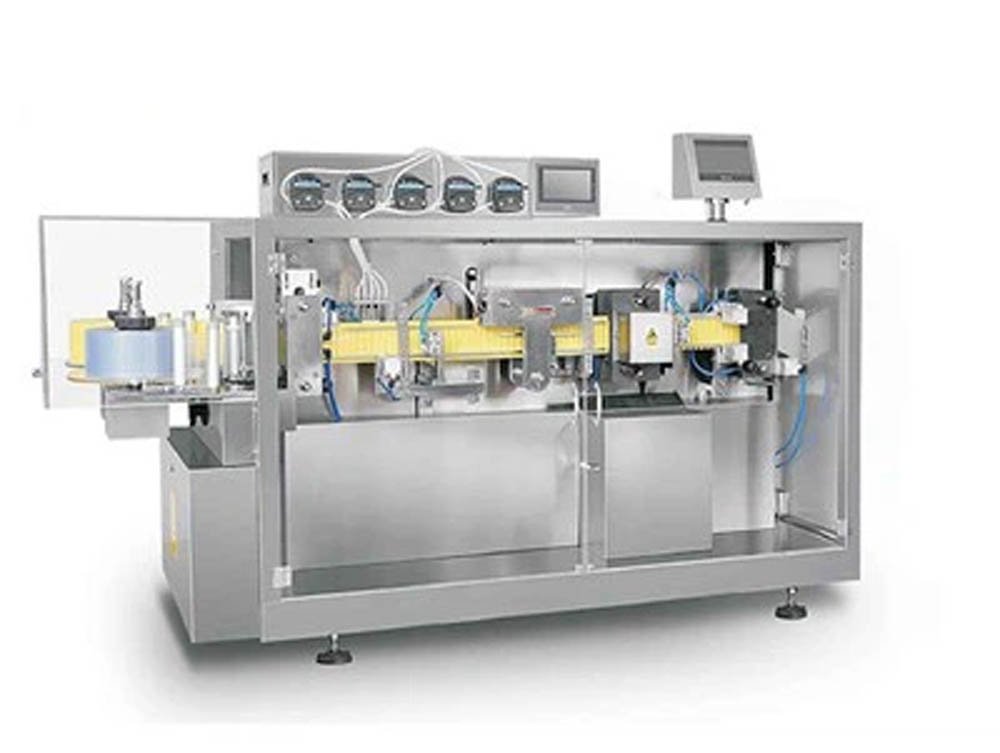
Blow-Fill-Seal (BFS) Machine
One enclosed cycle forms a plastic container, fills it with sterile liquid, and hermetically seals it — with no operator contact and no pre-made bottles. The advanced aseptic standard for eye drops, respules, single-dose pharma, and monodose cosmetics.
Form · Fill · Seal in Seconds
Zero Operator Contact
WHO-GMP Ready
LDPE / HDPE / PP
3-in-1Form·Fill·Seal
Grade AAseptic Zone
0.3–500mlContainer Range
No CapsSealed by Mold
15+ Years OEM Manufacturing
ISO 9001:2015 Quality System
Exported to 40+ Countries
Lifetime Engineering Support
Overview
What Is a Blow-Fill-Seal (BFS) Machine?
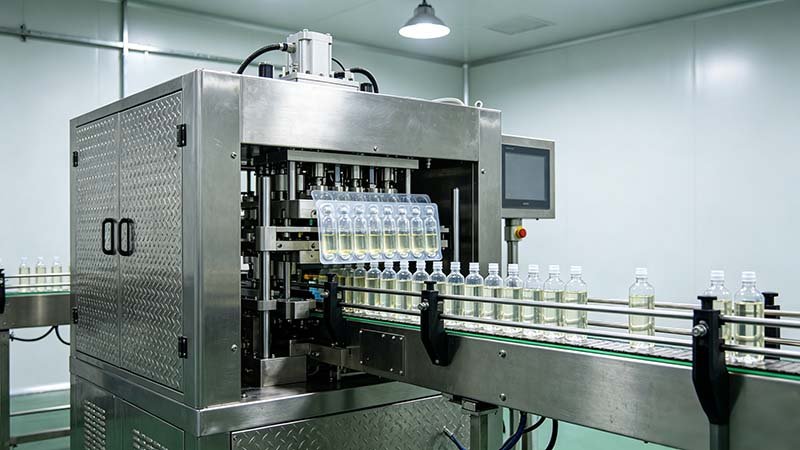
A blow-fill-seal (BFS) machine is an automated system that forms a plastic container, fills it with liquid, and seals it — all in a single, continuous cycle inside one enclosed, sterile-capable chamber. Because the container is created, filled, and closed in seconds without human contact or pre-made bottles, BFS is widely recognized as an advanced aseptic technology for sterile and single-dose liquids.
The process needs no separate container washing, depyrogenation, or capping line, and produces a tamper-evident, unbreakable unit-dose container. HIJ supplies BFS-type plastic-ampoule filling & sealing machines (the GGS plastic ampoule line) configured to WHO-GMP with an optional ISO 5 clean zone — for pharma oral liquids, monodose cosmetics, and liquid supplements.
The Process
How Blow-Fill-Seal Works — 3 Phases
A single uninterrupted cycle inside a sterile air shower, completed in seconds per container.
Phase 1 — Blow
Form the Container
Pharma-grade polymer (LDPE, HDPE or PP) is extruded as a hot parison; the mold closes and the container is blow-molded into its final shape on demand.
Phase 2 — Fill
Dose the Liquid
While still in the mold, sterile product is dosed through a sterile mandrel immediately after forming — no transfer, no exposure to the open room.
Phase 3 — Seal
Hermetically Close
The mold seals the top instantly — no separate cap needed — creating a tamper-evident, sterile unit. The strip is then deflashed and cut to count.
Why BFS
Advantages of Blow-Fill-Seal
Why regulators and manufacturers treat BFS as a benchmark for sterile liquid packaging.
Aseptic, No Human Contact
Forming, filling and sealing happen in one enclosed cycle, dramatically lowering microbial contamination risk.
Fewer Process Steps
No glass washing, depyrogenation, or separate capping line — containers are made on demand, cutting cost and footprint.
Unbreakable & Light
Plastic containers won't shatter like glass, weigh less to ship, and remove the risk of glass shards in product.
Tamper-Evident Single Dose
Each unit is sealed and single-use — ideal for preservative-free, monodose pharma and premium cosmetics.
Flexible Container Shapes
Twist-off ampoules, eye-drop nozzles, luer fittings and nebules can be molded directly into the container.
Continuous High Output
A continuous cycle delivers high throughput with consistent, repeatable fill accuracy.
Comparison
BFS vs. Conventional Glass / Pre-Formed Filling
How blow-fill-seal differs from filling washed glass vials or pre-made plastic bottles.
| Factor | Blow-Fill-Seal (BFS) | Conventional Glass / Pre-Formed |
|---|---|---|
| Contamination Risk | Very low — sealed, no operator contact | Higher — multiple open transfers & handling |
| Containers | Formed on demand inside the machine | Bought, stored, washed & depyrogenated |
| Capping | Sealed by the mold — no caps | Separate capping / crimping line |
| Breakage | Unbreakable plastic, no shards | Glass can shatter |
| Process Steps | One integrated cycle | Wash → sterilize → fill → cap (multi-step) |
| Unit Cost at Volume | Low (resin + on-demand forming) | Higher (container + handling) |
| Best For | Sterile & single-dose liquids | Multi-dose, premium glass presentation |
Formats & Materials
Containers & Resins You Can Run
Resin is selected by product, sterilization method, and the squeeze or rigidity you need.
Ampoules & Nebules
Twist-off single-dose for oral, respiratory and ophthalmic liquids.
Eye-Drop Bottles
Molded dropper tips for preservative-free ophthalmic doses.
Vials & Bottles
From small vials up to larger irrigation / unit-dose bottles.
LDPE · HDPE · PP
Soft squeeze (LDPE), rigid (HDPE), or autoclavable clarity (PP).
Applications
Where Blow-Fill-Seal Is Used
From sterile pharma to single-dose consumer products.
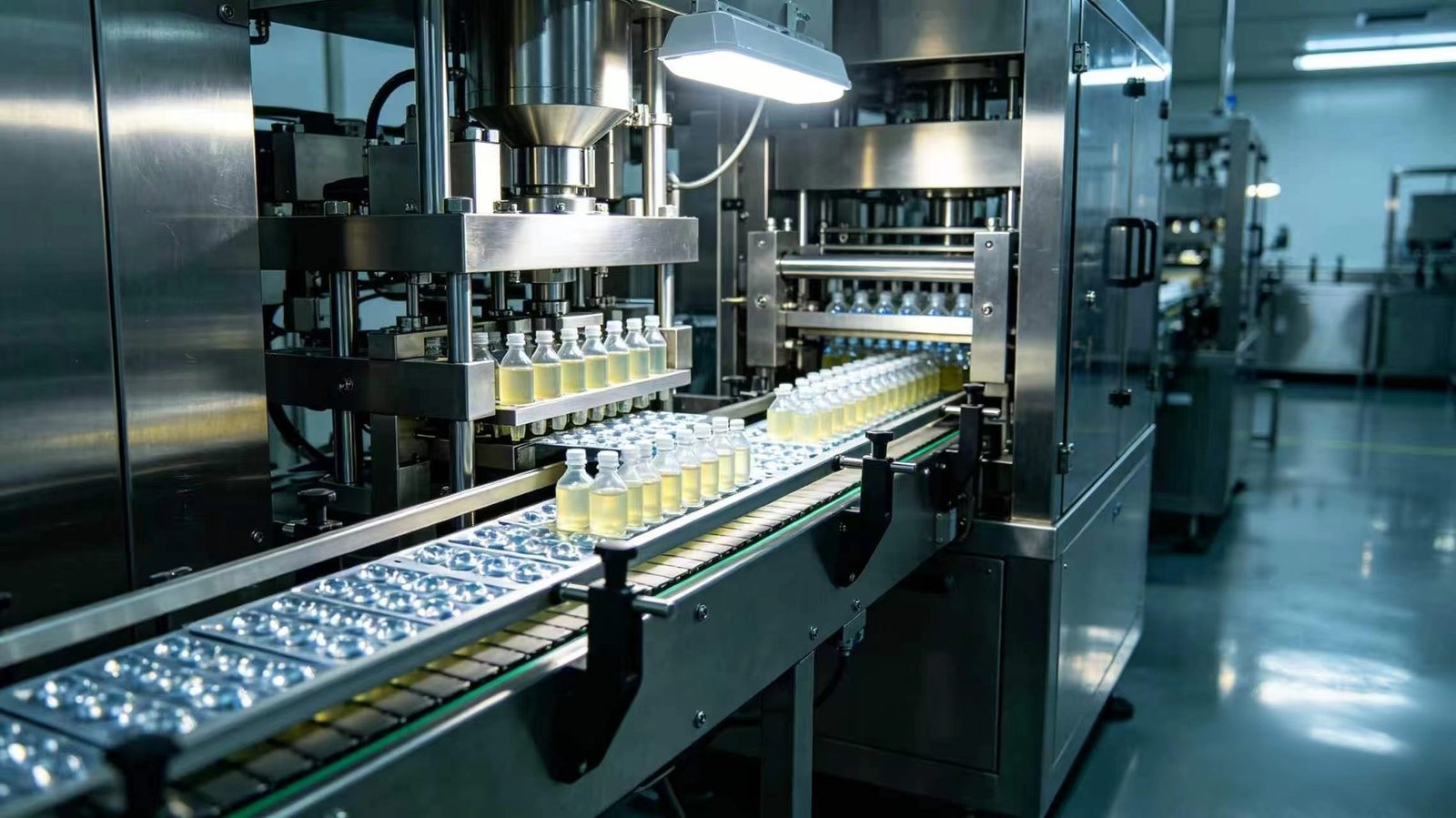
Sterile Pharma
Ophthalmic eye drops, respiratory nebules, irrigation and unit-dose solutions.
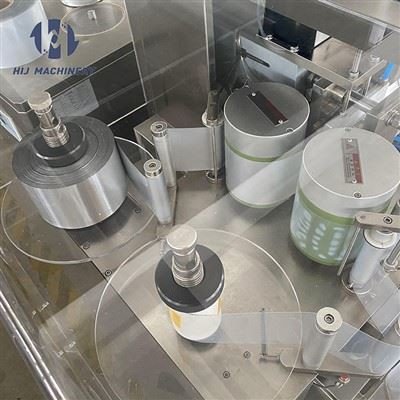
Oral Liquids & Supplements
Single-dose syrups, electrolytes, probiotic and vitamin shots.
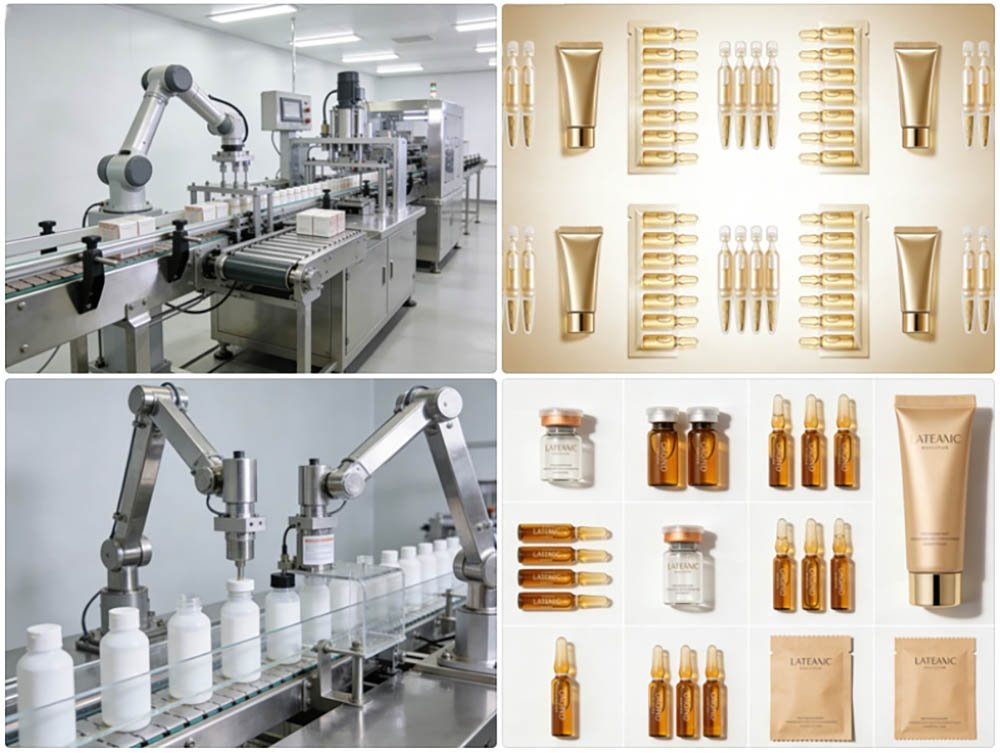
Monodose Cosmetics
Fresh, tamper-proof serum and essence ampoules with premium positioning.
Compliance & Quality
Built Around Aseptic Regulatory Expectations
BFS is recognized internationally as an advanced aseptic process. HIJ builds equipment to support your qualification.
WHO-GMP & cGMP-Ready
Sanitary 316L design and audit-friendly batch control.
Aseptic / Annex 1 Aware
Optional Grade A / ISO 5 air shower over the form-fill-seal zone.
CE Marked
Conformity for safe machinery operation across applicable markets.
IQ/OQ/PQ Support
Validation documentation and FAT/SAT support on request.
Related Equipment
Explore the Filling Range
Part of the full cosmetic & liquid packaging machines range. The plastic-ampoule line is our core BFS-type machine.
Plastic Ampoule Fill-Seal Machine
Our core BFS-type machine for single-dose oral liquids.
Explore →Cosmetic Ampoule Filling Machine
Monodose serum & essence ampoule filling and sealing.
Explore →
Perfume & Essential Oil Filler
Anti-drip filling for volatile, alcohol-based liquids.
Explore →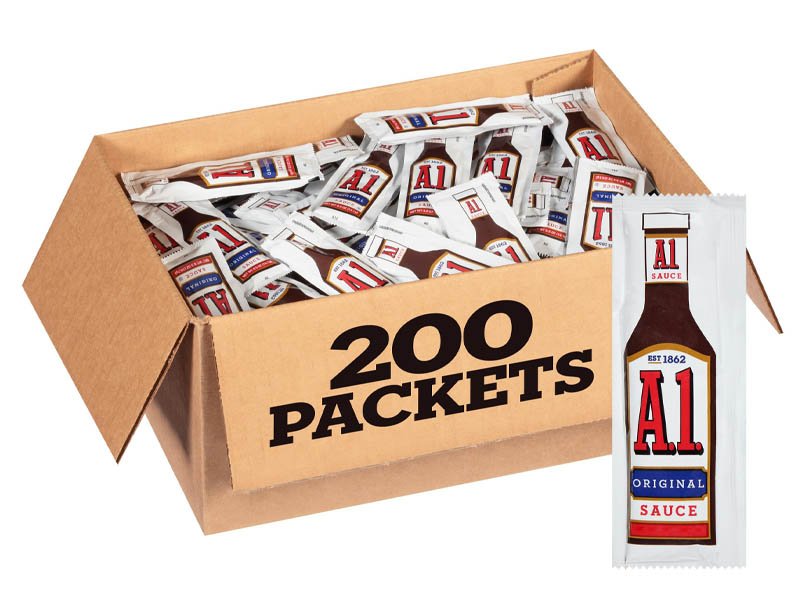
Liquid Food & Syrup Filler
Food-grade filling for honey, syrup and sauce.
Explore →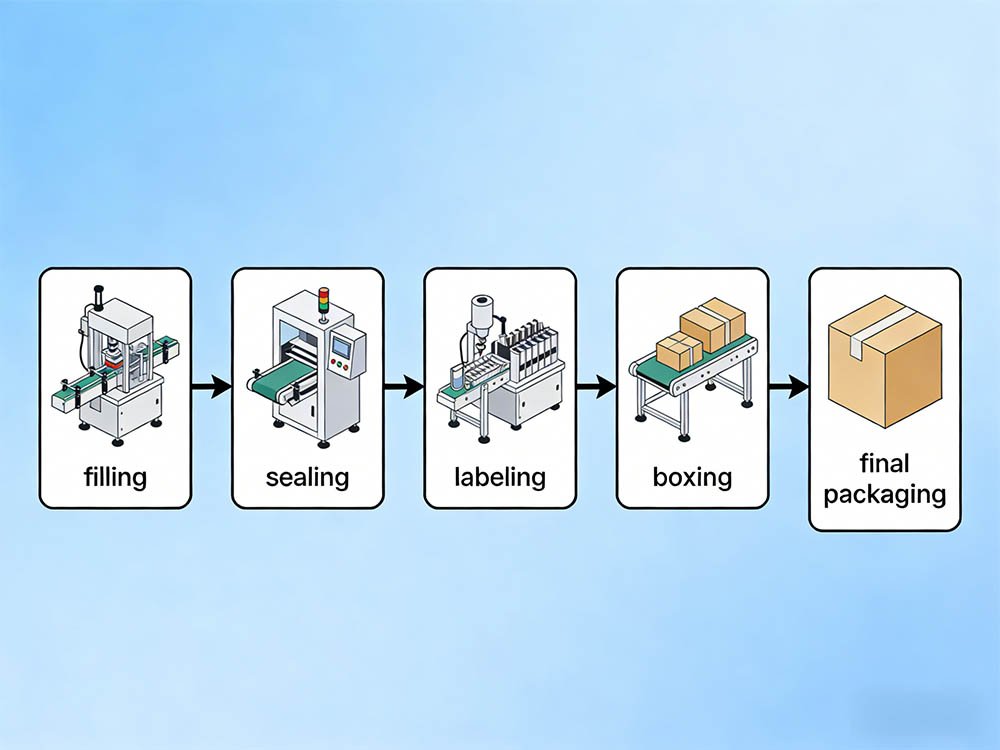
Automatic Filling Line
Integrated fill–seal–code–carton turnkey lines.
Explore →Pricing & ROI Guide
Budget ranges and payback for filling machinery.
Explore →
FAQ
Blow-Fill-Seal — Frequently Asked Questions
What is a blow-fill-seal (BFS) machine?+
A blow-fill-seal machine forms a plastic container, fills it with liquid, and hermetically seals it in one continuous cycle inside a single enclosed, sterile-capable chamber. Because there is no operator contact and no pre-made bottles, BFS is recognized as an advanced aseptic technology for sterile and single-dose liquids.
How is BFS different from conventional aseptic filling?+
Conventional filling buys, stores, washes and depyrogenates containers, then fills and caps them in separate steps with multiple open transfers. BFS forms the container on demand and fills and seals it in the same enclosed cycle with no caps, removing several contamination-prone steps and cutting cost.
What products is blow-fill-seal used for?+
BFS is widely used for sterile pharma such as ophthalmic eye drops, respiratory nebules, irrigation and unit-dose solutions, and increasingly for single-dose oral liquids, liquid supplements and monodose cosmetic serums where a tamper-evident, preservative-free dose is valuable.
What plastics are used in BFS containers?+
The most common resins are LDPE for soft, squeezable nebules and eye-drop bottles, HDPE for rigid bottles, and polypropylene (PP) where clarity or autoclave sterilization is needed. Resin is selected by the product, the seal type, and the sterilization method.
Does HIJ supply a true aseptic BFS machine?+
HIJ supplies BFS-type plastic-ampoule filling and sealing machines (the GGS series) that form, fill and seal plastic ampoules in one enclosed cycle, configured to WHO-GMP with an optional ISO 5 laminar-flow zone. Tell us your product, dose and sterility requirements and our engineers will recommend the right configuration.
Specify Your Blow-Fill-Seal Project
Tell us your product, container format, dose, and sterility requirements — our engineers will return a tailored BFS-type configuration, clean-zone options, turnkey scope, and price.