
HIJ Factory · Cosmetic Packaging Machines
Cosmetic Ampoule Filling Machine
A precision serum ampoule filler that micro-doses essences and serums into plastic or glass ampoules — then fills and seals in one clean, GMP-ready pass.
CE & GMP Compliant
120+ Countries Served
N₂ Flush Option
±0.5%Dose Accuracy
0.5–30 mlPer Ampoule
What It Is
What is a cosmetic ampoule filling machine?
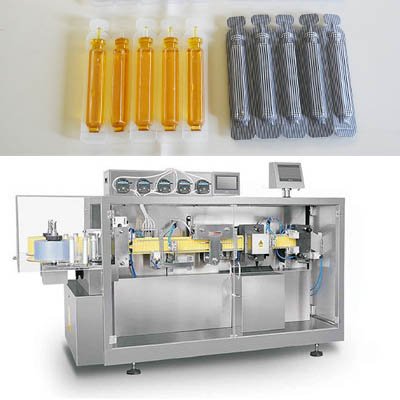
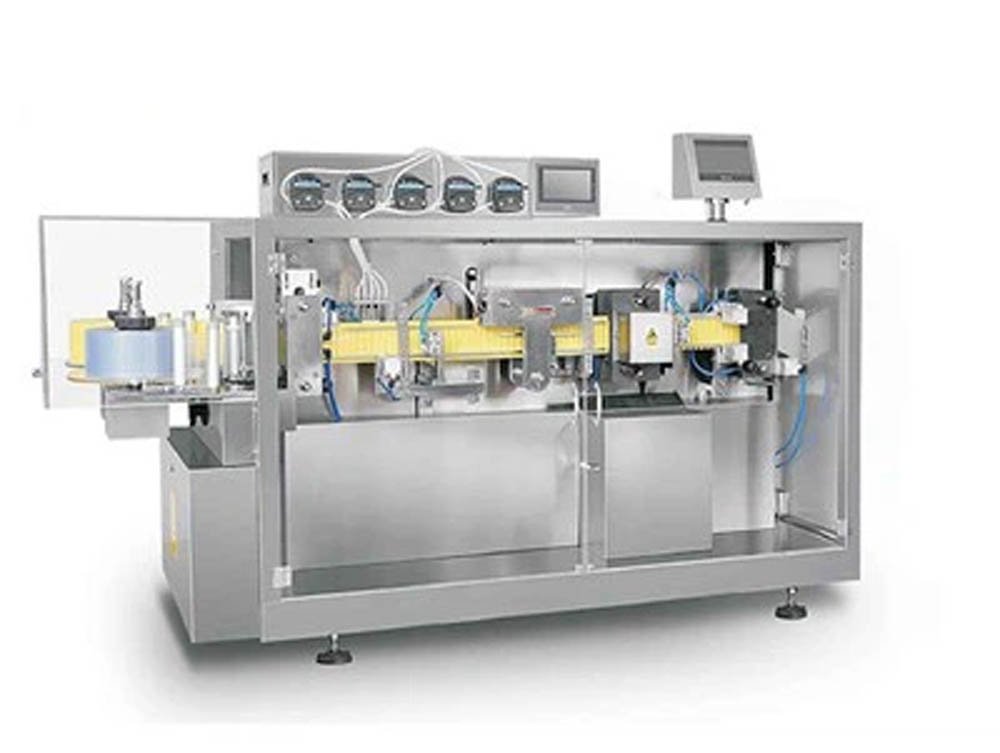
A cosmetic ampoule filling machine is an automatic system that doses a precise volume of serum, essence or active liquid into single-use ampoules and seals each one immediately. Acting as a dedicated serum ampoule filler, the HIJ machine handles plastic mono-dose ampoules and glass ampoules from 0.5 to 30 ml.
Designed for skincare brands and contract manufacturers, it pairs servo or peristaltic micro-dosing (±0.5% accuracy) with diving, no-drip nozzles and an optional nitrogen flush to protect oxygen-sensitive actives such as vitamin C and hyaluronic acid. It runs standalone or inside a complete turnkey cosmetic packaging line.
0.5–30 mlFill volume per ampoule
±0.5%Dosing accuracy
Up to 6,000Ampoules per hour
Plastic + GlassAmpoule compatibility
Why HIJ
Built for high-value serums, down to the last drop
Every HIJ cosmetic ampoule filling machine is engineered around micro-dosing precision, product protection and zero waste.
Micro-Dose Precision
Servo or peristaltic dosing holds ±0.5% accuracy on small 0.5–30 ml serum shots — valuable actives are never overfilled.
Diving No-Drip Nozzles
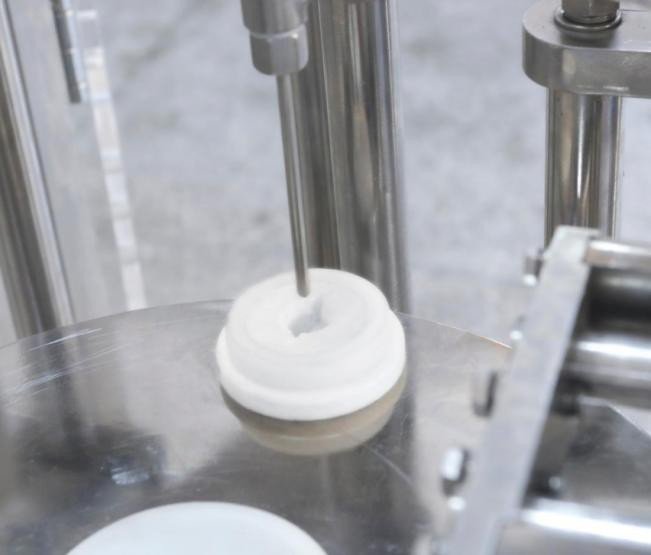
Bottom-up diving nozzles fill below the surface to stop foaming, splashing and dripping on thin serums.
Nitrogen Flush Option
Optional N₂ purge before and after filling protects vitamin C, hyaluronic acid and other oxygen-sensitive actives.
Fill & Seal In One Pass
Heat sealing for plastic ampoules and tip sealing for glass — airtight, tamper-evident, in a single cycle.
GMP Stainless Build
SUS304/316L contact parts, tool-free strip-down and CE compliance for cosmetic and pharma-grade hygiene.
PLC + HMI Recipes
Touchscreen recipe memory stores dose, speed and seal settings per product for fast, repeatable changeovers.
How It Works
From empty ampoule to sealed serum in 5 steps
1
Ampoule feeding
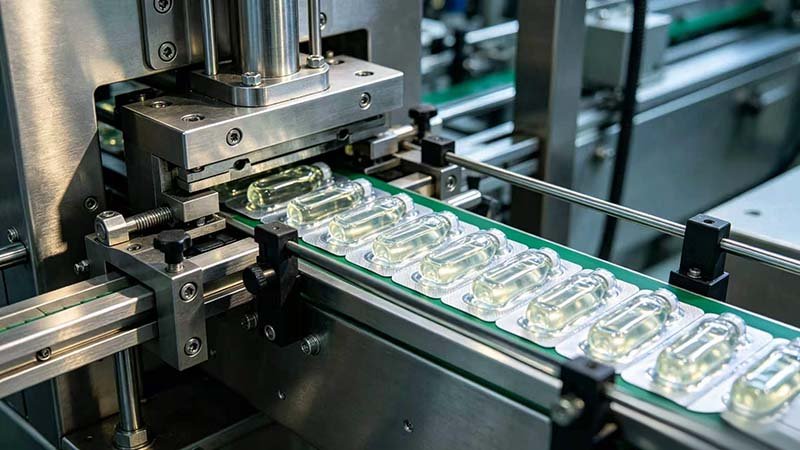
Plastic or glass ampoules are fed and indexed into holders, ready for filling.
2
Optional N₂ pre-flush
Nitrogen displaces oxygen inside the ampoule to protect sensitive actives before filling.
3
Micro-dose filling
Diving no-drip nozzles dose the exact serum volume from the bottom up — no foam, no spill.
4
Sealing
Heat sealing closes plastic ampoules; glass ampoules are tip-sealed for an airtight, tamper-evident finish.
5
Coding & eject
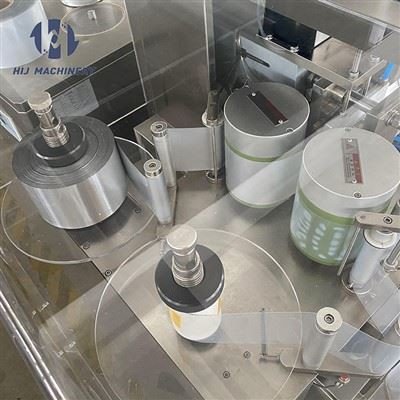
Batch/date coding is applied and finished ampoules are collected, ready for cartoning.
Specifications
Cosmetic ampoule filling machine specs
Representative parameters for the HIJ automatic serum ampoule filler. Configurations are tailored to your ampoule and product.
| Output speed | Up to 6,000 ampoules / hour (head & volume dependent) |
|---|---|
| Filling volume | 0.5–30 ml (multi-range, quick-change) |
| Filling accuracy | ±0.5% — servo / peristaltic dosing |
| Filling heads | 2 / 4 / 6 / 8 heads (configurable) |
| Ampoule types | Plastic mono-dose & twist-off · glass ampoules |
| Sealing method | Heat seal (plastic) · tip seal (glass) |
| Product protection | Optional nitrogen (N₂) flush |
| Coding | Batch number + expiry date |
| Control system | PLC + touchscreen HMI, recipe memory |
| Contact material | SUS304 / SUS316L stainless steel |
| Compliance | CE · GMP-ready design |
* Final specs vary by ampoule format, serum viscosity and required output. Ask for a spec sheet matched to your project.
Applications
One filler for every serum format
From facial essences to scalp treatments, the HIJ cosmetic ampoule filling machine doses thin liquids and light oils with equal precision.
 Facial Serums & Essences
 Active Concentrates
 Hair & Scalp Serums
 Single-Dose Treatments
Ampoule Compatibility
Plastic or glass — one configurable platform
Tell us your ampoule format and the HIJ serum ampoule filler is set up with the matching dosing and sealing head — airtight every time.
Plastic mono-dose ampoules
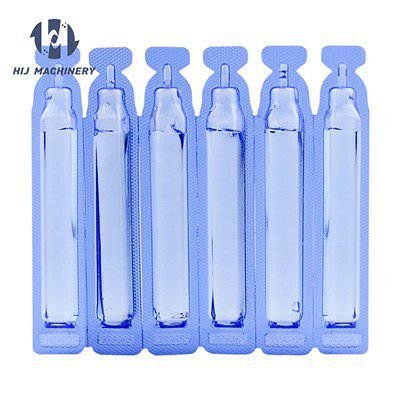
Blow-formed or pre-formed plastic ampoules, heat-sealed with a twist-off or snap top for clean single use.
Twist-off & snap ampoules
Consumer-friendly opening for at-home skincare ampoules and professional spa treatment courses.
Glass ampoules
Tip-sealed glass ampoules for premium serums and concentrates needing maximum barrier protection.
Why Choose HIJ
A cosmetic filling machine manufacturer brands rely on
HIJ designs, builds and exports cosmetic and pharmaceutical packaging machinery from our own factory — not a trading desk. That means direct engineering support, transparent pricing and a serum ampoule filler tuned to your exact product.
- In-house R&D and production with full FAT before shipment
- Turnkey lines: ampoule filling, cartoning, case packing & coding
- CE documentation and GMP-ready hygienic design
- Remote commissioning, video support and spare-parts kits
- Trusted by skincare brands & contract manufacturers worldwide
Explore related cosmetic packaging machines
FAQ
Cosmetic ampoule filling machine FAQs
What does a cosmetic ampoule filling machine do?
It automatically doses a precise volume of serum or essence into single-use ampoules and seals each one in the same cycle. The HIJ machine works as a dedicated serum ampoule filler for both plastic and glass ampoules.
What fill volumes and speeds are supported?
Fill volume ranges from 0.5 to 30 ml with ±0.5% dosing accuracy. Output reaches up to 6,000 ampoules per hour depending on the number of filling heads and the dose size.
Can it protect oxygen-sensitive serums?
Yes. An optional nitrogen (N₂) flush purges oxygen before and after filling, protecting actives such as vitamin C, retinol and hyaluronic acid for a longer shelf life.
Does it fill plastic and glass ampoules?
Yes. Plastic mono-dose and twist-off ampoules are heat-sealed, while glass ampoules are tip-sealed. The machine is configured to your chosen ampoule format.
Is the machine GMP and CE compliant?
Yes. Product-contact parts are SUS304/316L stainless steel, the design is GMP-ready for hygienic cleaning, and machines ship with CE documentation. Validation support is available on request.
Can HIJ supply a complete turnkey ampoule line?
Yes. The ampoule filling machine integrates with cartoning, labeling, case packing and coding for a full turnkey line. Request a free turnkey quote and HIJ engineers design the layout around your product and output.
Get your cosmetic ampoule filling machine quote today
Tell us your ampoule type, serum and target output. Our engineers reply within one business day with a tailored, all-in turnkey quote — free, no obligation.
Reply within 1 business day · Your details stay confidential