
HIJ Factory · Cosmetic Packaging Machines
Cosmetic Sachet Packaging Machine
A precise sample sachet filler that forms, doses and seals serum, cream and lotion sachets — multi-lane, high-speed and GMP-ready, built by HIJ.
CE & GMP Compliant
120+ Countries Served
Multi-Lane Output
±1%Dose Accuracy
0.5–30 mlPer Sachet
What It Is
What is a cosmetic sachet packaging machine?
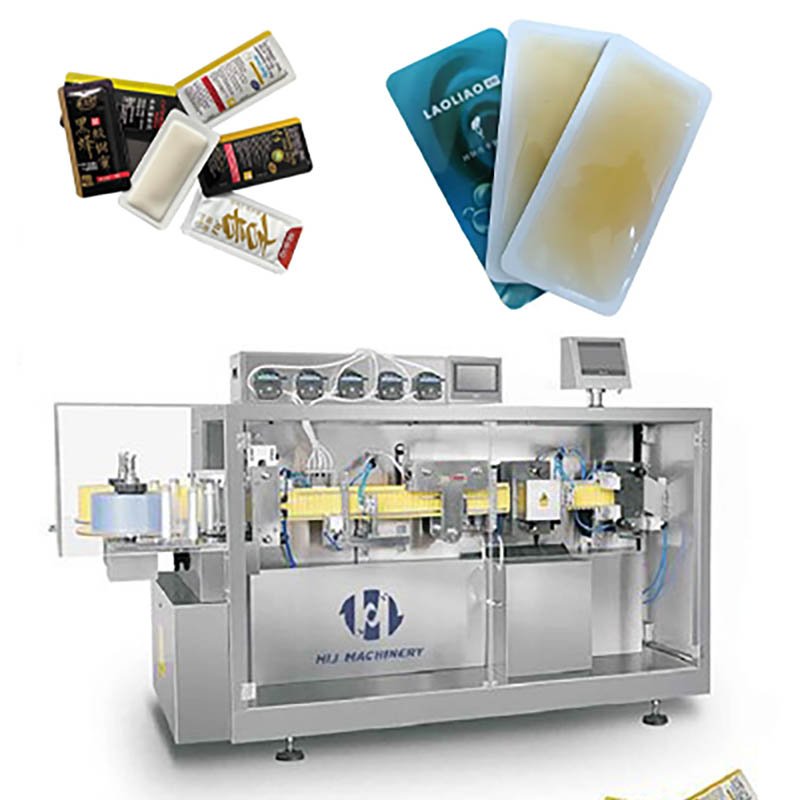
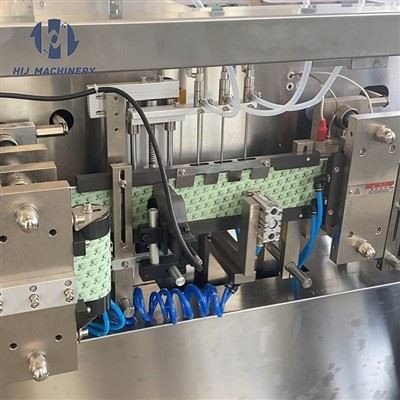
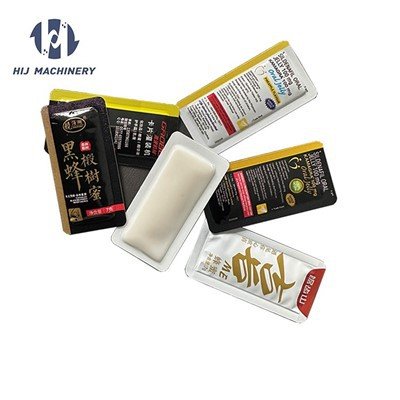
A cosmetic sachet packaging machine is an automatic form-fill-seal (FFS) system that makes a sachet from roll film, doses a precise amount of serum, cream, gel or lotion into it, then seals all sides — in one continuous cycle. Acting as a dedicated sample sachet filler, the HIJ machine produces four-side-seal, three-side-seal and stick-pack sachets from 0.5 to 30 ml.
Built for skincare brands and contract manufacturers, it runs in single or multi-lane layouts for high-volume sample runs, with piston dosing for creams and peristaltic dosing for thin liquids, tear-notch and date coding. It works standalone or inside a complete turnkey cosmetic packaging line.
0.5–30 mlFill volume per sachet
±1%Dosing accuracy
Up to 600Sachets / min (multi-lane)
3 styles4-side · 3-side · stick
Why HIJ
Built for fast, accurate cosmetic sample sachets
Every HIJ cosmetic sachet packaging machine balances multi-lane speed, exact dosing and clean, leak-free four-side seals.
Multi-Lane Output
2, 4, 6 or 8 lanes multiply throughput — up to 600 sachets per minute for high-volume sampling campaigns.
Dual Dosing Systems
Piston dosing for thick creams and gels, peristaltic for thin serums and liquids — ±1% accuracy throughout.
4-Side / 3-Side / Stick
Switch sachet style and size from the touchscreen to suit serum, cream, mask essence or shampoo samples.
Tear-Notch & Coding
Easy-tear notches, optional hang holes and batch/date coding are applied inline in the same cycle.
GMP Stainless Build
SUS304/316L contact parts and hygienic, tool-free strip-down with CE compliance for cosmetic-grade output.
PLC + HMI Recipes
Touchscreen recipe memory stores sachet size, dose and seal settings per product for fast changeovers.
How It Works
From roll film to sealed sachet in 5 steps
1
Film unwinding & forming
Laminate or foil film is unwound, printed registration is read, and the sachet pocket is formed.
2
Side sealing
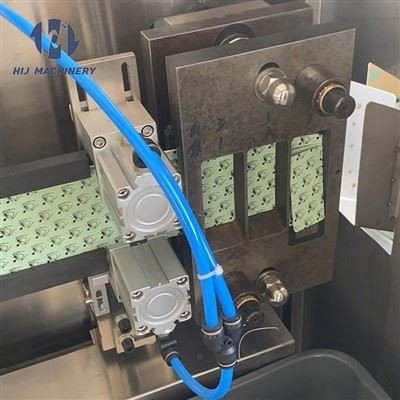
Heated jaws seal the vertical sides of each sachet across every lane simultaneously.
3
Precise dosing
Piston or peristaltic pumps fill the exact serum or cream volume with no drip or stringing.
4
Top sealing & coding
The top seal closes the sachet airtight, then batch/date code and tear notch are applied.
5
Cutting & eject
Sachets are cut to single units or strips and discharged, ready for cartoning.
Specifications
Cosmetic sachet packaging machine specs
Representative parameters for the HIJ automatic sample sachet filler. Configurations are tailored to your sachet and product.
| Output speed | Up to 600 sachets / minute (multi-lane dependent) |
|---|---|
| Filling volume | 0.5–30 ml (multi-range, quick-change) |
| Filling accuracy | ±1% — piston / peristaltic dosing |
| Lanes | 1 / 2 / 4 / 6 / 8 lanes (configurable) |
| Sachet styles | Four-side seal · three-side seal · stick pack |
| Film material | Laminate / aluminum foil roll film |
| Finishing | Tear notch, hang hole (optional), batch/date coding |
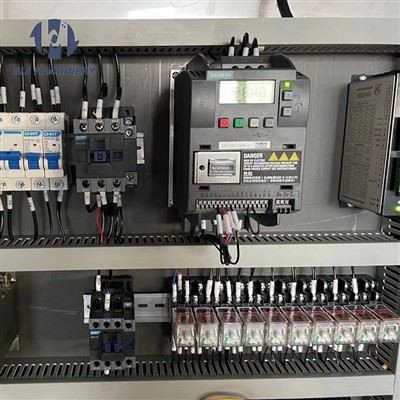
| Control system | PLC + touchscreen HMI, recipe memory |
| Contact material | SUS304 / SUS316L stainless steel |
| Power supply | 220V / 380V, 50/60Hz (customizable) |
| Compliance | CE · GMP-ready design |
* Final specs vary by sachet style, product viscosity and required output. Ask for a spec sheet matched to your project.
Applications
One filler for every cosmetic sample
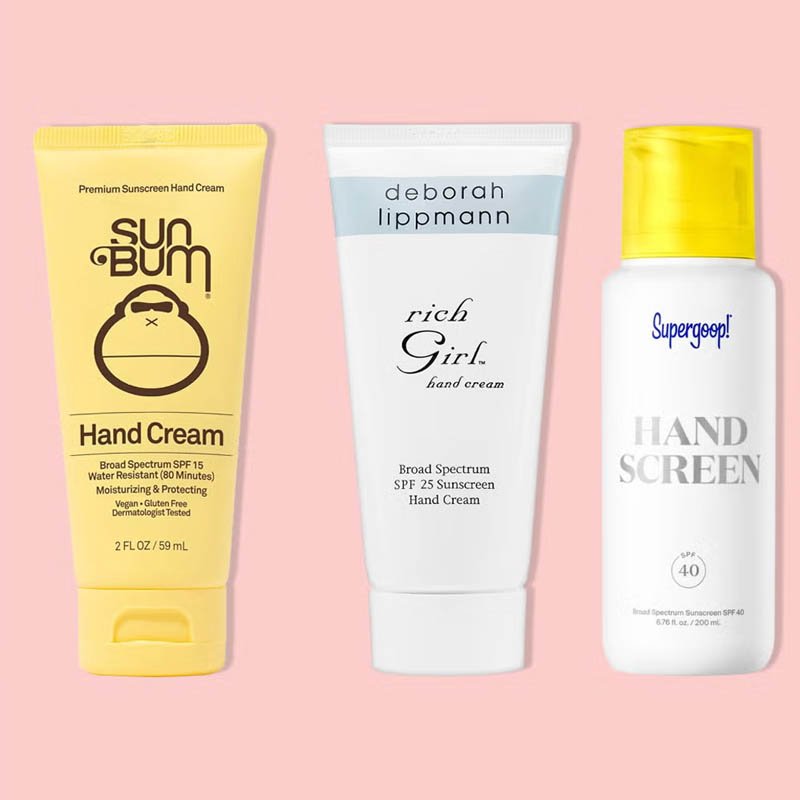
From watery essences to rich creams, the HIJ cosmetic sachet packaging machine doses each product into a clean, branded sample sachet.
 Serum & Skincare Samples
 Cream & Lotion Sachets
 Sunscreen & SPF Samples
 Liquid & Essence Sachets
Sachet Styles
Four-side, three-side or stick pack
Tell us your sample format and the HIJ sample sachet filler is set up with the matching forming and sealing tooling — airtight and on-brand.
Four-side-seal sachet
Flat, premium sample sachet with full-bleed print on both faces — the classic skincare sample format.
Three-side-seal sachet
Cost-effective single-fold sachet for creams, gels and mask essence at higher speed.
Stick pack
Slim, on-the-go format for serums, ampoule-style essences and single-dose treatments.
Why Choose HIJ
A cosmetic packaging machine manufacturer brands rely on
HIJ designs, builds and exports cosmetic and pharmaceutical packaging machinery from our own factory — not a trading desk. That means direct engineering support, transparent pricing and a sample sachet filler tuned to your exact product.
- In-house R&D and production with full FAT before shipment
- Single & multi-lane sachet machines and turnkey lines
- CE documentation and GMP-ready hygienic design
- Remote commissioning, video support and spare-parts kits
- Trusted by skincare brands & contract manufacturers worldwide
Explore related cosmetic packaging machines
FAQ
Cosmetic sachet packaging machine FAQs
What does a cosmetic sachet packaging machine do?
It forms a sachet from roll film, doses a precise amount of serum, cream, gel or lotion, and seals it airtight in one cycle. The HIJ machine works as a sample sachet filler for four-side-seal, three-side-seal and stick-pack formats.
What fill volumes and speeds are supported?
Fill volume ranges from 0.5 to 30 ml with ±1% dosing accuracy. Multi-lane layouts (2/4/6/8 lanes) reach up to 600 sachets per minute for high-volume sampling.
Can it fill both thin liquids and thick creams?
Yes. Peristaltic dosing handles thin serums and essences, while piston dosing handles creams, gels and lotions. The dosing system is matched to your product during quoting.
What sachet styles can it make?
Four-side-seal, three-side-seal and stick packs, with easy-tear notches and optional hang holes. Sachet size and style change quickly from the touchscreen.
Is the machine GMP and CE compliant?
Yes. Product-contact parts are SUS304/316L stainless steel, the design is GMP-ready for hygienic cleaning, and machines ship with CE documentation.
Can HIJ supply a complete turnkey sachet line?
Yes. The sachet packaging machine integrates with cartoning, case packing and coding for a full turnkey line. Request a free turnkey quote and HIJ engineers design the layout around your output.
Get your cosmetic sachet packaging machine quote today
Tell us your sachet style, product and target output. Our engineers reply within one business day with a tailored, all-in turnkey quote — free, no obligation.
Reply within 1 business day · Your details stay confidential