
HIJ Factory · Cosmetic Packaging Machines
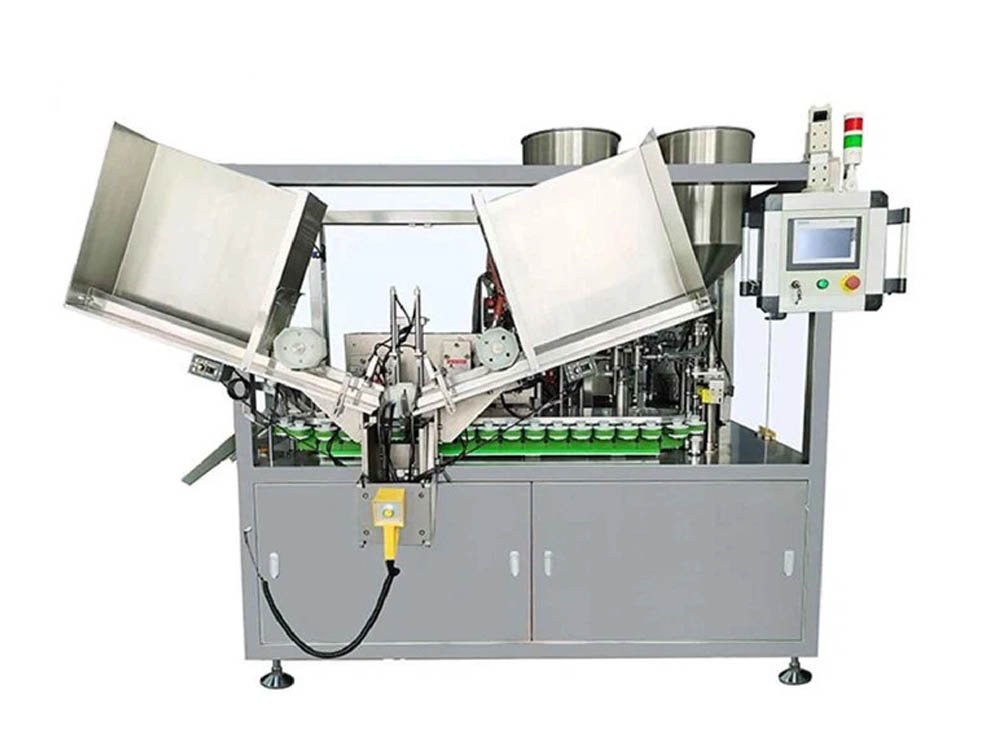
Cosmetic Tube Filling Sealing Machine
Automatically fill and seal plastic, laminate and aluminum tubes for creams, lotions, serums and sunscreen — in one GMP-ready, turnkey line built by HIJ.
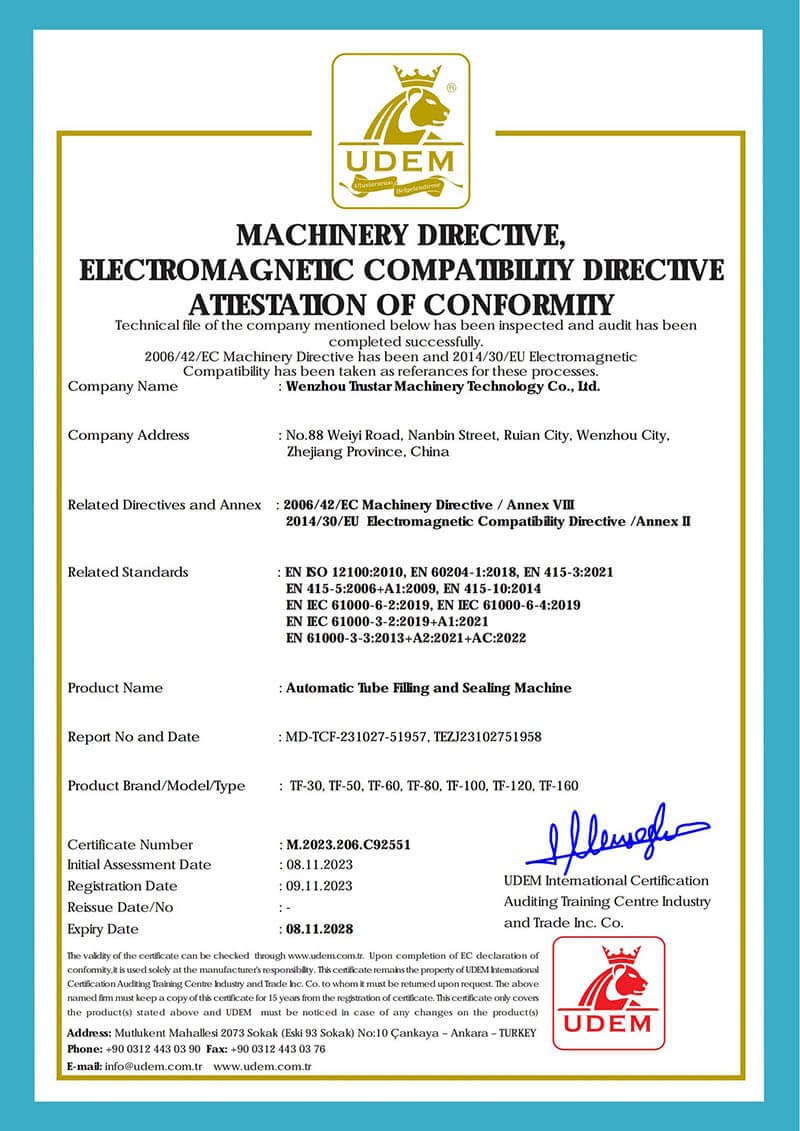
CE & GMP Compliant
120+ Countries Served
12-Month Warranty

±0.5%Fill Accuracy
60–120Tubes / Min
What It Is
What is a cosmetic tube filling sealing machine?
A cosmetic tube filling sealing machine is an automatic system that loads an empty tube, fills it with a precise dose of cream, lotion, gel or serum, then seals the tail of the tube — all in one continuous cycle. HIJ machines handle plastic, laminate (ABL/PBL) and aluminum tubes using hot-air sealing for plastic/laminate and fold-and-crimp sealing for aluminum.
Built for skincare and personal-care brands and contract manufacturers, the HIJ line combines servo-driven piston filling (±0.5% accuracy), automatic tube orientation by eye-mark, date/batch coding and tail trimming. It runs as a standalone unit or as part of a complete turnkey cosmetic packaging line.
60–120Tubes per minute
±0.5%Filling accuracy
5–250 mlVolume range
3 typesPlastic · Laminate · Aluminum
Why HIJ
Engineered for accurate, high-speed tube packaging
Every HIJ cosmetic tube filling sealing machine is built around dosing precision, fast changeover and clean, leak-free seals.
Servo Piston Filling
Servo-driven pistons deliver ±0.5% volumetric accuracy with no dosing drift, even on thick creams and gels.
Eye-Mark Orientation
Photoelectric eye-mark registration rotates each tube so logos and seams align perfectly before sealing.
Hot-Air Tail Sealing
Precise hot-air sealing for plastic & laminate tubes and fold-crimp sealing for aluminum — clean, even seams.
Date & Batch Coding
Integrated embossing or printing adds batch number and expiry date to the seal in the same cycle.
GMP Stainless Build
SUS304/316L contact parts, tool-free strip-down and CE compliance for cosmetic and pharma-grade hygiene.
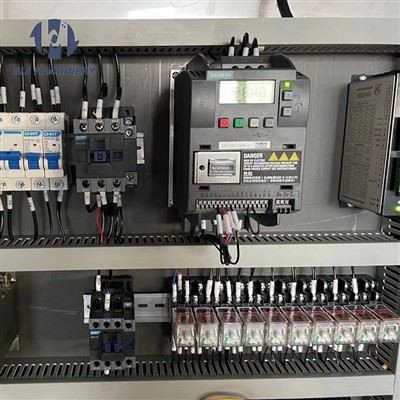
PLC + HMI Control
Touchscreen recipes store fill volume, temperature and speed per product for fast, repeatable changeovers.
How It Works
From empty tube to sealed product in 5 steps
1
Tube loading
Empty tubes are fed into holders automatically or by hand and indexed to the fill station.
2
Eye-mark orientation
A sensor reads the printed eye-mark and rotates each tube to the correct sealing position.
3
Precise filling
The servo piston dispenses the exact dose with bottom-up, no-drip nozzles to avoid air pockets.
4
Heating & sealing
Hot air softens the tail (or fold-crimp for aluminum); jaws press a clean, leak-proof seal.
5
Coding, trimming & eject
Batch/date code is embossed, the tail is trimmed and the finished tube is ejected.
Specifications
Cosmetic tube filling sealing machine specs
Representative parameters for the HIJ automatic model. Configurations are tailored to your tube and product.
| Output speed | 60–120 tubes / minute (model dependent) |
|---|---|
| Filling volume | 5–250 ml (multi-range with quick-change nozzles) |
| Filling accuracy | ±0.5% — servo piston dosing |
| Tube types | Plastic (PE), laminate (ABL / PBL), aluminum |
| Tube diameter | Ø10 – Ø50 mm |
| Sealing method | Hot-air (plastic/laminate) · fold & crimp (aluminum) |
| Coding | Batch number + expiry date (emboss or print) |
| Control system | PLC + touchscreen HMI, recipe memory |
| Contact material | SUS304 / SUS316L stainless steel |
| Power supply | 220V / 380V, 50/60Hz (customizable) |
| Compliance | CE · GMP-ready design |
* Final specs vary by tube material, product viscosity and required output. Ask for a spec sheet matched to your project.
Applications
Fills & seals tubes for every cosmetic product
From rich creams to lightweight serums, the HIJ cosmetic tube filling machine handles the full skincare and personal-care range.
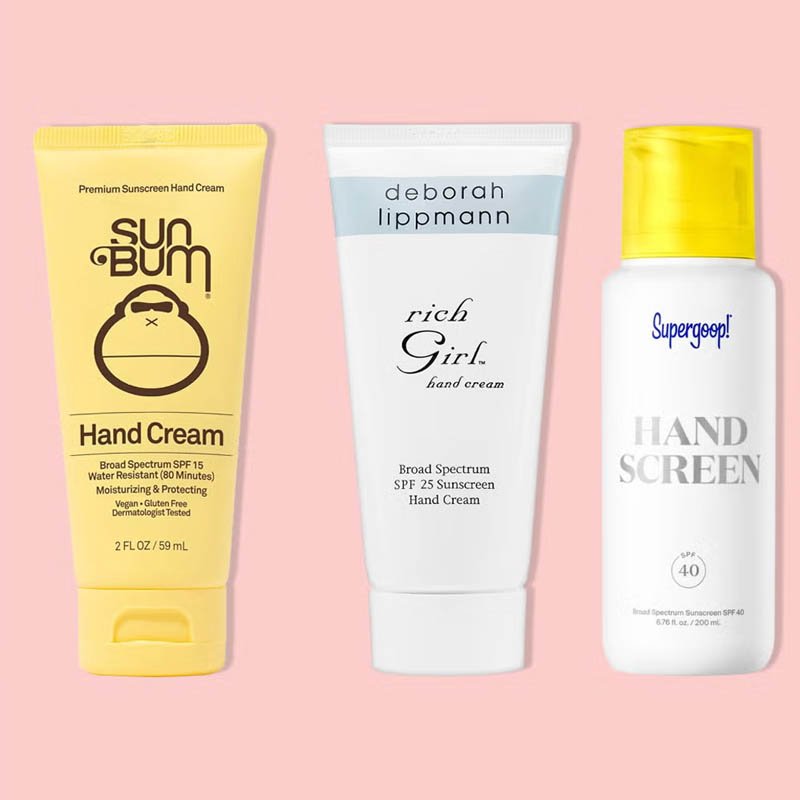 Creams & Hand Creams
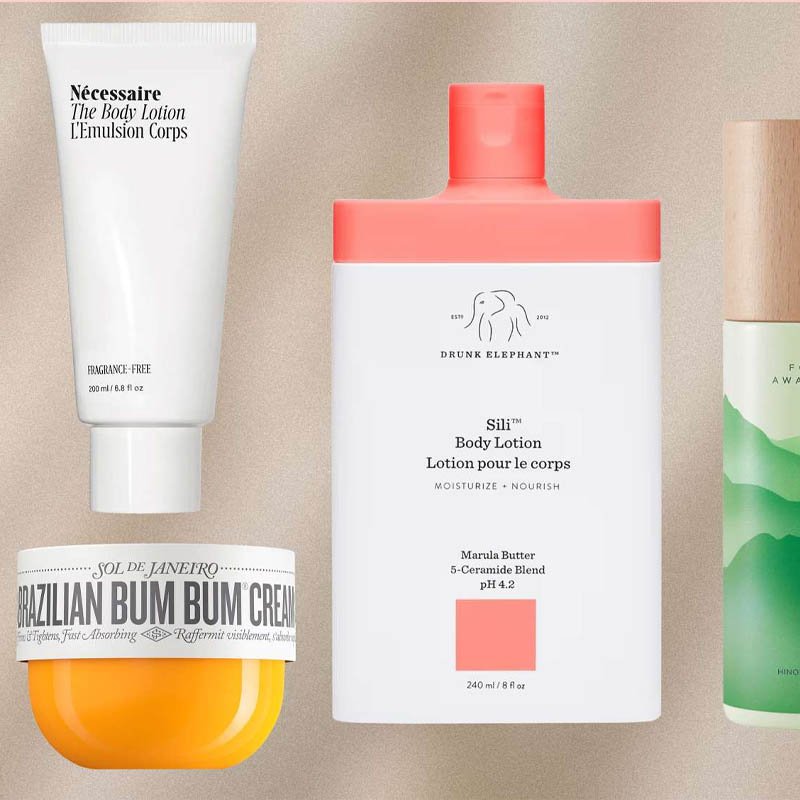 Body Lotions
 Serums & Samples
 Sunscreen & SPF
Running sunscreen or mineral SPF creams? Those formulas reach 100,000–250,000 cps and need a heated stirring hopper and vacuum de-aeration — see the dedicated sunscreen tube filling machine (TF-60) configured for exactly that duty.
Tube Compatibility
One machine, three tube technologies
Tell us your tube material and the HIJ cosmetic tube filling sealing machine is configured with the matching sealing head — no compromise on seam quality.
Plastic (PE) tubes
Hot-air sealing produces clean, flexible seams ideal for creams, gels and toothpaste-style products.
Laminate (ABL / PBL) tubes
Barrier laminate sealing keeps oxygen-sensitive serums and actives stable with a glossy, branded seal.
Aluminum tubes
Fold-and-crimp sealing with batch coding for ointments, color cosmetics and pharma-grade creams.
Why Choose HIJ
A cosmetic packaging machine manufacturer brands rely on
HIJ designs, builds and exports cosmetic and pharmaceutical packaging machinery from our own factory — not a trading desk. That means direct engineering support, transparent pricing and machines tuned to your exact product.
- In-house R&D and production with full FAT before shipment
- Turnkey lines: tube filling, cartoning, case packing & coding
- CE documentation and GMP-ready hygienic design
- Remote commissioning, video support and spare-parts kits
- Trusted by skincare brands & contract manufacturers worldwide

Explore related cosmetic packaging machines
FAQ
Cosmetic tube filling sealing machine FAQs
What types of tubes can the machine fill and seal?
The HIJ cosmetic tube filling sealing machine handles plastic (PE), laminate (ABL/PBL) and aluminum tubes. Plastic and laminate tubes are sealed with hot air, while aluminum tubes use fold-and-crimp sealing with batch coding.
How fast is a cosmetic tube filling and sealing machine?
Output typically ranges from 60 to 120 tubes per minute depending on the model, tube size and product viscosity. We size the machine to your target volume during quoting.
How accurate is the filling?
Servo-driven piston filling achieves ±0.5% volumetric accuracy across a 5–250 ml range, with no dosing drift even on thick creams and gels.
Is the machine GMP and CE compliant?
Yes. Product-contact parts are SUS304/316L stainless steel, the design is GMP-ready for hygienic cleaning, and machines ship with CE documentation. Validation support is available on request.
Can HIJ supply a complete turnkey cosmetic packaging line?
Yes. The tube filling sealing machine integrates with cartoning, case packing, labeling and date coding for a full turnkey line. Request a free turnkey quote and our engineers will design the layout around your product and output.
Do you ship and install internationally?
HIJ exports to 120+ countries with crating, documentation, remote commissioning, installation video guides and spare-parts kits. On-site engineer support can be arranged.
Get your cosmetic tube filling sealing machine quote today
Tell us your tube type, product and target output. Our engineers reply within one business day with a tailored, all-in turnkey quote — free, no obligation.
Reply within 1 business day · Your details stay confidential