
Anti-Drip · Volatile-Liquid Ready
Perfume & Essential Oil Filling Machine
An automatic filling and capping system engineered for volatile, alcohol-based fragrances and essential oils — diving anti-drip nozzles, solvent-safe SUS 316L + PTFE wetted parts, and ±0.5% dosing that protects every drop of high-value liquid.
Diving Anti-Drip Nozzles
Explosion-Proof Option
PTFE / Viton Seals
CE Marked
1–150mlFill Range
2–12Filling Heads
±0.5%Dosing Accuracy
ExExplosion-Proof Opt.
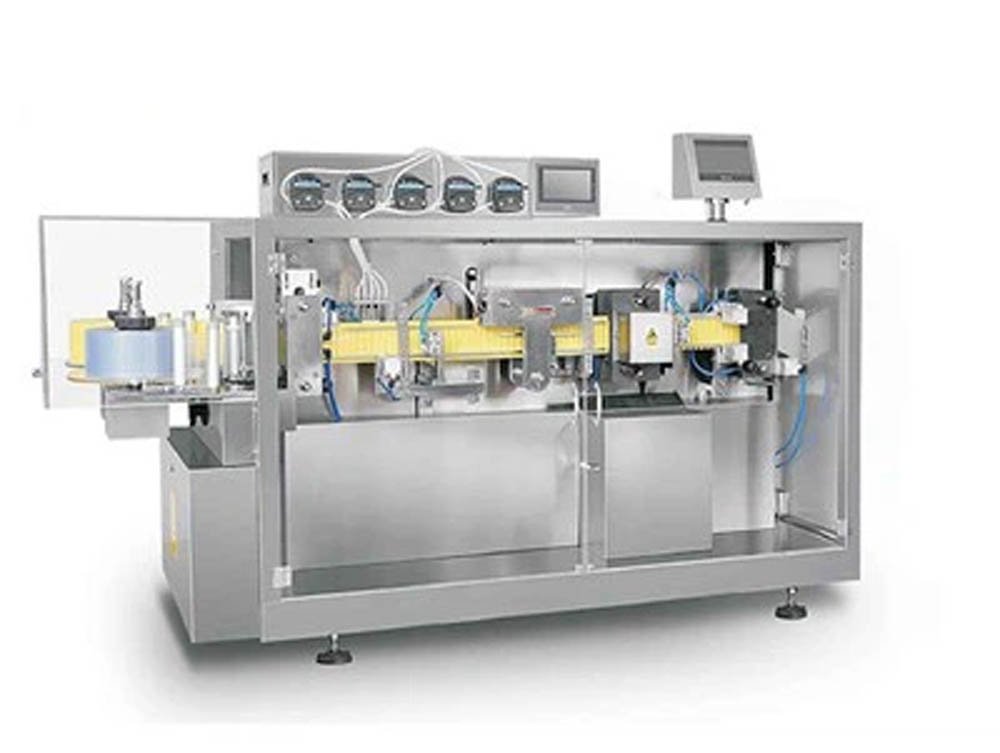
15+ Years OEM Manufacturing
ISO 9001:2015 Quality System
Exported to 40+ Countries
Lifetime Engineering Support
Overview
What Is a Perfume & Essential Oil Filling Machine?
A perfume filling machine is an automatic system that doses a precise volume of fragrance or essential oil into bottles and then caps, crimps, or screws them closed. Because perfumes and essential oils are volatile, alcohol-based or solvent-rich liquids, the machine uses diving anti-drip nozzles, a sealed fluid path, and solvent-resistant materials to prevent foaming, spillage, evaporation loss, and seal damage that standard liquid fillers can't handle.
The HIJ Perfume & Essential Oil Filling Machine handles everything from 1 ml roll-ons and dropper bottles to 150 ml eau-de-parfum flacons, with 2–12 heads and ±0.5% accuracy to eliminate giveaway on expensive fragrance. Available with an explosion-proof (Ex) package for ethanol-vapor environments and integrated crimping/capping, it is built to CE and ISO 22716-friendly standards.
Technical Data
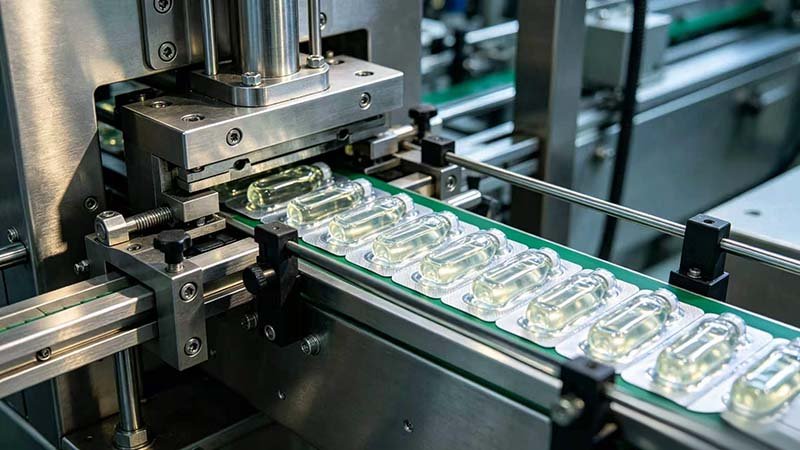
Configurable Filling Platform — Key Specifications
Heads, dosing technology, capping type, and Ex rating are configured to your fragrance, bottle, and output target.
| Application | Perfume, EDT/EDP, essential & aroma oils, roll-on, dropper serums |
|---|---|
| Filling Range | 1 ml – 150 ml (5 / 10 / 30 / 50 / 100 ml typical) |
| Filling Heads | 2 / 4 / 6 / 8 / 12 (configurable) |
| Dosing Technology | Piston / flow-meter / peristaltic (by viscosity & value) |
| Dosing Accuracy | ±0.5% – ±1% |
| Output | Up to ~40–80 bottles/min (head & format dependent) |
| Anti-Drip System | Diving (bottom-up) nozzles + positive shut-off, no foam / no spill |
| Wetted Materials | SUS 316L + PTFE / Viton seals (alcohol & essential-oil safe) |
| Capping | Spray-collar crimping / screw cap / press cap / dropper / roll-on ball |
| Bottle Types | Glass & plastic, narrow & wide neck |
| Control | PLC + HMI touchscreen, no-bottle-no-fill detection |
| Options | Explosion-proof (Ex) package, N₂ blanketing, laminar flow hood, vacuum filling |
| Compliance | CE · ISO 9001:2015 build · ISO 22716-friendly |
Why This Machine
Built for Volatile, High-Value Liquids
Six engineering choices that stop evaporation loss, spillage, and seal failure.
Diving Anti-Drip Nozzles
Nozzles dive to the bottle base and rise as it fills — no foaming, no splashing, and a clean cut-off with zero drip on narrow-neck flacons.
Explosion-Proof Ready
An optional Ex package handles flammable ethanol vapor safely — essential for high-alcohol perfume and cologne lines.
±0.5% Dosing
Servo piston or flow-meter metering keeps fill volume tight, so you stop giving away expensive fragrance on every bottle.
Solvent-Safe Materials
SUS 316L paths with PTFE/Viton seals resist alcohol and aggressive essential oils that swell or crack ordinary rubber.
Integrated Crimp & Cap
Spray-collar crimping, screw, press, dropper, and roll-on heads finish the bottle in one pass — fill to closed.
Fast Format Change
Recipe-driven PLC + tool-light changeover moves between 5 ml testers and 100 ml flacons in minutes.
Process
How the Filling & Capping Cycle Works
Five continuous stages — from empty bottle to a sealed, leak-tight finished unit.
Feed
Bottles are loaded and indexed under the filling heads with no-bottle-no-fill detection.
Dive & Fill
Nozzles dive to the base and dose precisely while rising, preventing foam, spill and evaporation.
Insert
Spray collars, pump assemblies or dropper inserts are placed onto the neck.
Crimp / Cap
The collar is crimped or the cap is torqued to a leak-tight, tamper-resistant seal.
Discharge
Finished bottles exit to labeling or cartoning, ready for downstream packing.
Applications
One Platform, Every Fragrance Format
Wherever a clean, precise pour of volatile liquid matters.
Perfume, EDP & Cologne
High-alcohol fragrances into glass flacons with crimped spray collars and zero-drip precision.
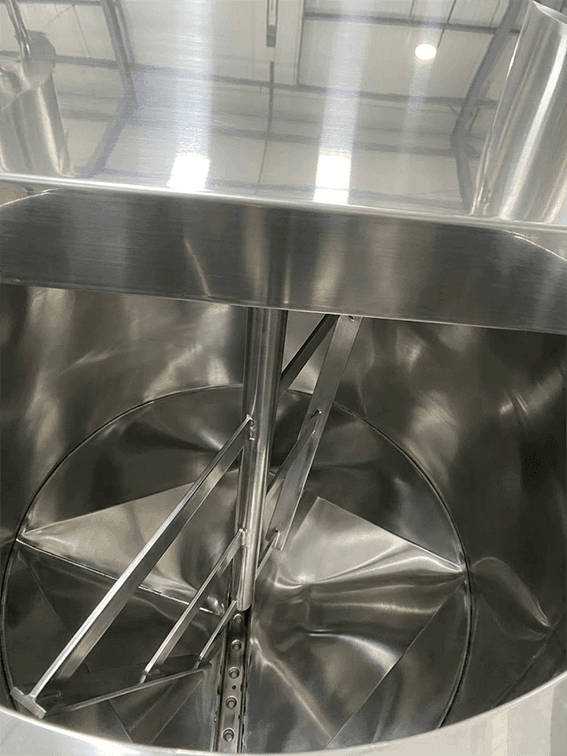
Essential & Aroma Oils
Pure and blended oils into dropper bottles — solvent-safe paths handle citrus, mint and terpene-rich oils.
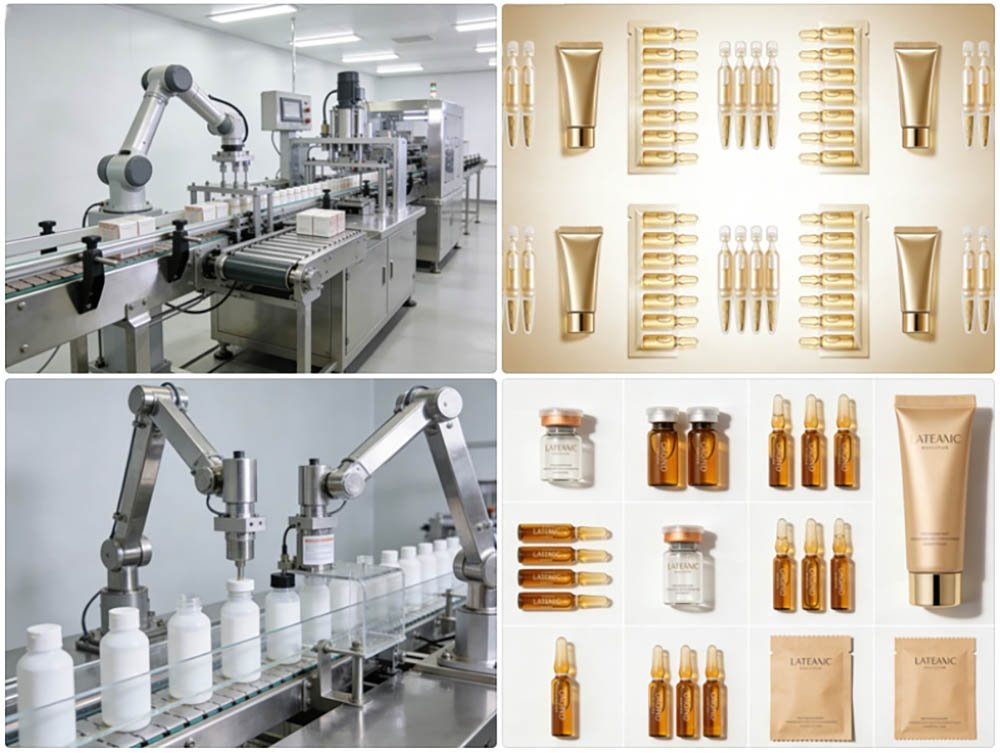
Roll-On & Cosmetic Oils
Facial oils, beard oils, roll-on attars and serum drops with roll-on ball and dropper assembly.
Safety & Quality
Engineered for Flammable-Liquid Compliance
Fragrance lines run on alcohol — so safety and material compatibility are designed in, not bolted on.
Explosion-Proof (Ex)
Optional Ex-rated motors, wiring and controls for ethanol-vapor zones.
ISO 22716-Friendly
Hygienic, cleanable design aligned with cosmetic GMP good practice.
CE Marked
Conformity for safe machinery operation across applicable markets.
Material Validation
Seal & gasket compatibility checked against your specific formula on request.
Related Equipment
Complete Your Liquid & Cosmetic Line
Part of the full cosmetic packaging machines range. Pair the perfume filler with upstream mixing and downstream packing.
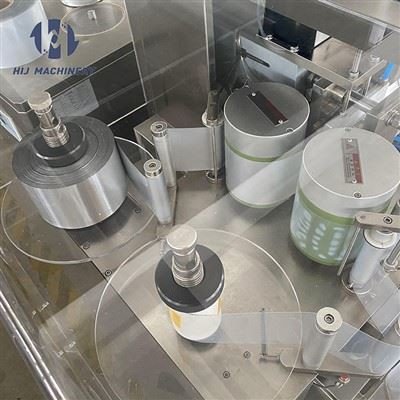
Cosmetic Ampoule Filling Machine
Single-dose serum & essence ampoule filling and sealing.
Explore →
Tube Filling & Sealing Machine
Creams, balms and gels into laminate or plastic tubes.
Explore →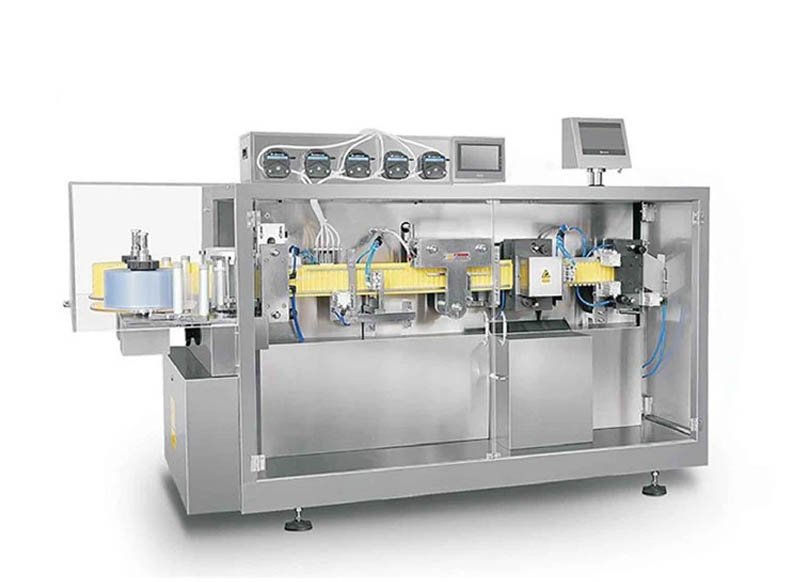
Cream Filling Machine
Viscous creams & lotions into jars and bottles, no dosing drift.
Explore →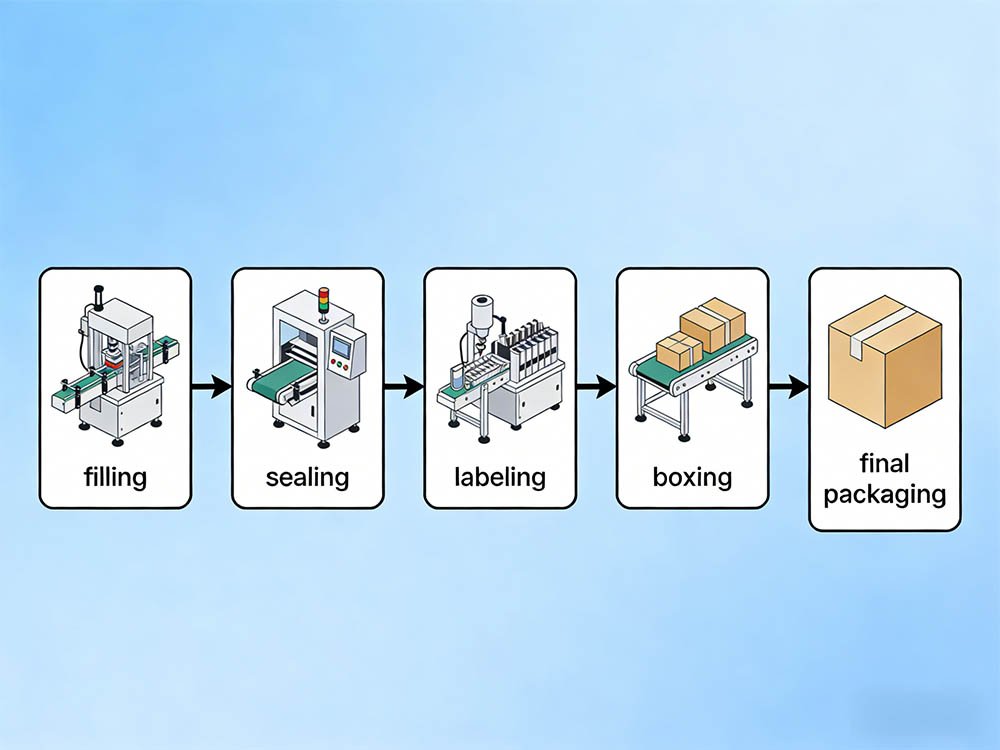
Automatic Cosmetic Filling Line
Integrated fill–cap–label–carton turnkey lines.
Explore →Oral Liquid Ampoule Machine
BFS single-dose plastic ampoule filling & sealing.
Explore →Pricing & ROI Guide
Budget ranges and payback for cosmetic packaging machinery.
Explore →
FAQ
Frequently Asked Questions
Why do perfumes need a special filling machine?+
Perfumes and colognes are high-alcohol, volatile liquids that foam, splash and evaporate with ordinary fillers, and their solvents attack standard rubber seals. A perfume filling machine uses diving anti-drip nozzles, a sealed fluid path, SUS 316L with PTFE/Viton seals, and an optional explosion-proof package to fill them cleanly and safely.
Can the same machine fill essential oils and roll-ons?+
Yes. The platform handles pure and blended essential oils, facial and beard oils, roll-on attars and dropper serums. Dosing technology (piston, flow-meter or peristaltic) and capping heads (dropper, roll-on ball, screw or crimp) are configured to each bottle and viscosity.
What fill volumes, speed and accuracy can it achieve?+
Standard fill range is 1 ml to 150 ml with ±0.5% to ±1% accuracy. With 2 to 12 heads, output reaches roughly 40 to 80 bottles per minute depending on volume and bottle format. Tight accuracy is key to stop giving away expensive fragrance on every unit.
Is an explosion-proof version required for alcohol-based fragrance?+
For high-alcohol perfume and cologne with flammable ethanol vapor, an explosion-proof (Ex) package — Ex-rated motors, wiring and controls — is strongly recommended and often required by local safety codes. We configure the Ex level to your facility's zone classification.
What is the lead time and what support do you provide?+
Typical lead time is 45 to 70 days depending on heads, capping type and Ex options. Every machine includes installation guidance, operator training, a spare-parts kit and lifetime remote engineering support. Request a quote for a project-specific timeline.
Get Your Perfume Line Quoted Today
Tell us your fragrance, bottle, fill volume, and target output — our engineers will return a tailored configuration, Ex options, turnkey scope, and price.