
Can the product arrive consistently?
Define supply temperature, mixing, holding, replenishment and any tendency to foam, settle, string or trap air.
Liquid and semi-fluid single-dose packaging
Configure a sachet filling and sealing machine around the real product, finished pack, laminate, dose range and accepted output. HIJ reviews product behavior, dosing, web handling, sealing, coding, inspection and FAT evidence as one project scope.
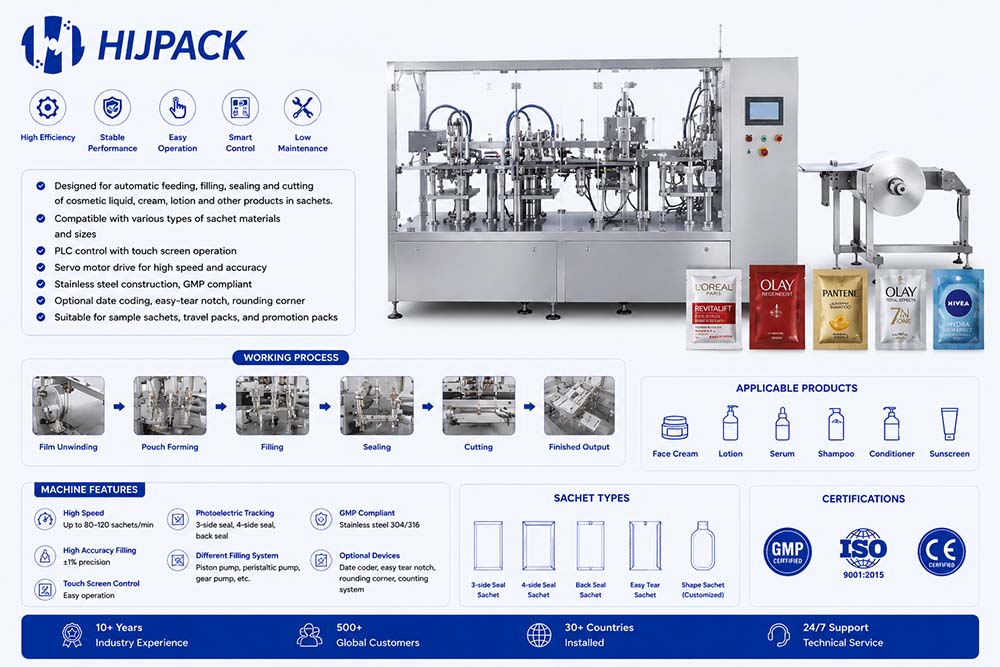
Quick selection answer
A roll-fed sachet filling machine forms a pack from flexible web, meters the configured product, seals the sachet, applies the agreed code and cuts or groups the finished format. The useful purchase question is whether one defined configuration can repeatedly deliver acceptable finished sachets with your product and laminate.
Define supply temperature, mixing, holding, replenishment and any tendency to foam, settle, string or trap air.
Choose the product path, pump and nozzle only after representative trials establish the useful operating window.
Keep product out of the seal land and agree how seal appearance, strength or integrity will be evaluated.
Count good coded sachets after rejects, stops and interventions—not only empty-web cycles.
Scope boundary: this page covers liquid and semi-fluid sachet projects supported by HIJ's verified application pages. Powder or granule dosing should be treated as a separate technical review rather than assumed from the term “sachet filler.”
Route selector
Similar single-dose packs can come from different material paths. Freeze the finished-pack drawing and opening method first, then compare the correct equipment family.
Product-to-dosing fit
A product name or one viscosity value does not define the filler. Product trials should expose feeding, aeration, cut-off, seal contamination and cleaning risks before the pump and nozzle are frozen.
Review small-dose repeatability, dripping, air entry, container compatibility and product migration toward the seal area.
Control product supply, fill profile, headspace and line speed so foam does not compromise dose measurement or sealing.
Evaluate assisted feed, temperature, trapped air, stringing, nozzle shut-off and the method used to clean product-contact parts.
Trial rule: use a representative production batch and the intended laminate. Water trials can confirm basic movement, but they do not prove dosing or sealing performance for a different product.
Complete operating sequence
A useful supplier proposal names the complete path and the interfaces between stations. Missing details often reappear later as options, manual work or acceptance disputes.
Control the approved web, tension, splice and tracking conditions.
Align artwork, eye mark, seal area, code and cut position where required.
Create the agreed folds, lanes or cavities without damaging the laminate.
Meter product while controlling drip, stringing, bubbles and seal contamination.
Apply the approved sealing window and readable variable information.
Separate, count, inspect and route the finished format as specified.
Machine and application evidence
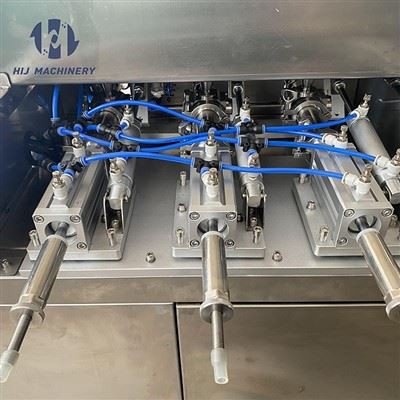

Skincare samples: confirm dose, opening, print and seal cleanliness.

Liquid single doses: confirm product compatibility and the intended use boundary.
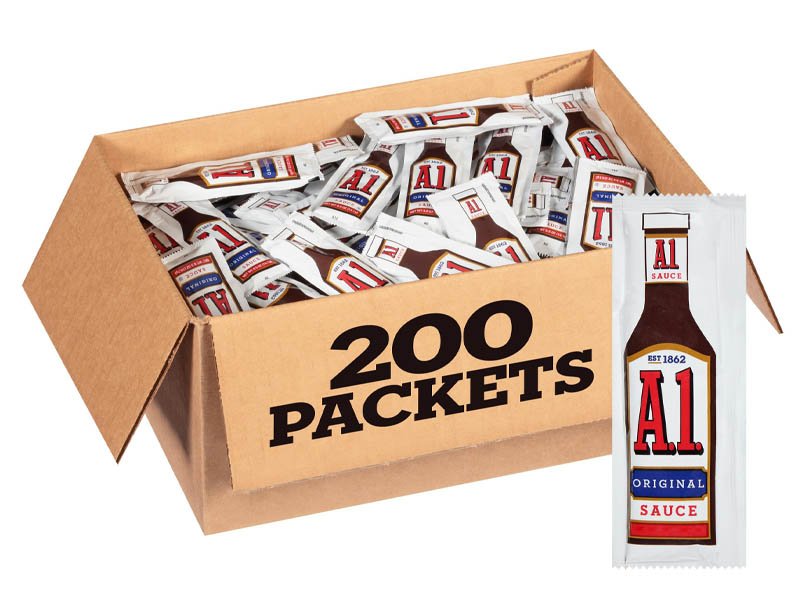
Ask which product, pump, lane count, tooling, film and test conditions apply to every demonstration. The approved quotation, drawings and FAT protocol—not a generic image—must define the supplied machine.
Product and pack matrix
Complete the inputs below before asking suppliers to compare speed or price. Where a value is not yet approved, label it as an assumption and define how it will be closed.
| Decision area | Buyer input | Supplier response | Acceptance evidence |
|---|---|---|---|
| Product | Formula family, sample, density/flow behavior, temperature and cleaning limits. | Product feed, pump, hose, nozzle, contact materials and declared limitations. | Representative trial, settings and individual dose results. |
| Dose | Nominal contents, range, permitted result and approved measurement method. | Configured dosing range, change parts, adjustment and sampling proposal. | Individual results, sampling record and agreed calculation. |
| Sachet | Finished drawing, seal width, opening, code area, cut and grouped format. | Tooling concept, lane arrangement, change parts and format exclusions. | Approved samples, dimensions, appearance and opening checks. |
| Laminate | Full structure, thickness, roll width, print repeat, core and winding direction. | Web path, tension, registration and proposed seal-window assumptions. | Material identity, web observations and agreed seal or integrity test. |
| Output | Accepted sachets per minute or shift, staffing, run length and reject definition. | Proposed configuration, limiting station, stated conditions and exclusions. | Recorded good output, stops, rejects, waste and interventions. |
| Project scope | Coding, inspection, discharge, utilities, documents, FAT and site responsibilities. | Included hardware, options, interfaces, documents, services and open items. | URS response, document index, FAT report and approved closure plan. |
Swipe the table horizontally →
Output and price comparison
Mechanical cycles do not automatically equal sellable output. Quotation value also depends on what the supplier includes around the base platform.
Good coded sachets at discharge after agreed rejects, stops and interventions, using the nominated product, laminate, staffing and run duration.
Base platform + product path + dosing + tooling + controls + evidence + delivery/site boundary.
FAT and handover
An effective FAT connects the approved product and materials to a test method, acceptance rule and retained record. It does not rely on an unloaded demonstration or a generic checklist.
Identify product batch, film lot, artwork, tooling revision, code data and approved reference samples.
Agree duration, staffing, replenishment, planned stops, restart conditions and accepted-output target.
Challenge selected web, registration, code, temperature, missing-product or reject conditions where applicable.
Keep settings, dose results, seal checks, rejects, waste, stoppages, deviations and final disposition.
Buyer responsibility: supplier documents and FAT records can support qualification. They do not replace the buyer's quality system, product compatibility work, process validation or release decision.
Related equipment routes
This commercial hub owns broad sachet-filler selection. The pages below own product- or format-specific decisions, helping buyers reach the correct inquiry path without duplicate content.
Buyer questions
Project inquiry
Send the product sample, target dose, finished sachet drawing, laminate, accepted output and required evidence. HIJ can return a route recommendation, option boundary and itemized technical scope for review.