Chinese vs European Alu Alu Blister Machine: Where the Gap Is Real — and Where You’re Being Overcharged
The gap between Chinese and European alu alu blister machines is closing fast — but it is not closed yet. Knowing exactly where it still matters can save you $200,000 in compliance failures, failed audits, and extended FAT cycles. Forester Xiang, founder of HIJ Machinery, has commissioned cold-form blister lines on production floors in Germany, Italy, India, Southeast Asia, and Latin America. This is his unfiltered verdict.
A Chinese alu alu blister machine is defined as a cold-form aluminum-aluminum pharmaceutical blister packaging machine manufactured in China, typically priced between $25,000 and $90,000, using servo-driven forming, heated die sealing, and PLC-controlled indexing. European equivalents (€180,000–€350,000) historically led in mechanical precision and validation documentation. As of 2025, premium Chinese manufacturers including HIJ close that gap with ±0.1 mm servo accuracy, full IQ/OQ/PQ packages, and 21 CFR Part 11–compliant audit trails — at one-third to one-half the European price point.
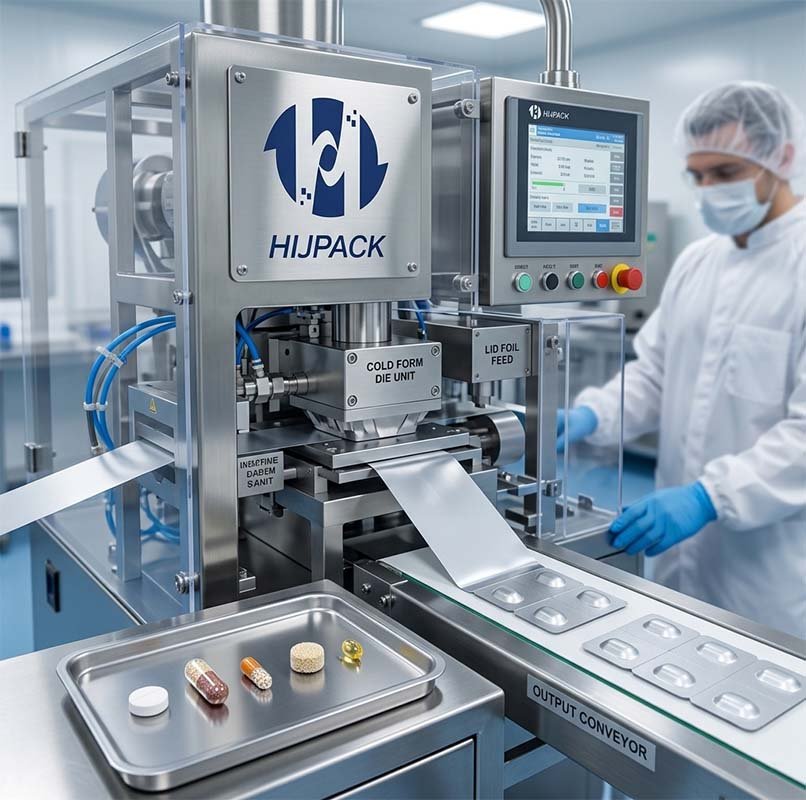
Cold-form alu alu blister packaging: the industry standard for moisture-sensitive and light-sensitive drug protection, specified under EU GMP Annex 1 (2022) and USP <1207>.
What European Alu Alu Blister Machines Actually Do Better
European cold-form blister machines — built by established German and Italian OEMs — deliver three measurable advantages that no honest Chinese manufacturer should dismiss: component tolerance depth, validated mechanical longevity, and documentation infrastructure built over decades. Understanding these advantages specifically is what makes a procurement decision intelligent rather than emotional.
Forming Die Tolerance and Component Longevity
European cold-form stations machine their dies to ±0.05 mm positional repeatability, ground from tool-steel blanks hardened to HRC 58–62. The practical consequence: pocket-depth consistency across a 300 mm web width stays within ±0.08 mm over 10,000 hours of runtime. Forming depth in alu alu applications routinely reaches up to 12 mm without cracking the aluminum laminate (typical specification: 45-micron PVC / 20-micron aluminum / 60-micron OPA composite). Generic Chinese tooling machined to ±0.25–0.30 mm tolerance shows measurable pocket-depth drift after 2,000 hours, producing micro-tears in the foil laminate that compromise WVTR (water vapor transmission rate) performance — a direct violation of ICH Q1B stability testing requirements.
Regulatory Documentation Infrastructure
Under EU GMP Annex 1 (2022), Section 8.60, packaging equipment used for sterile medicinal products must demonstrate validated sealing integrity via methods aligned with ASTM F2338 or USP <1207>. European OEMs have delivered validated documentation packages — including FAT protocols, SAT scripts, and qualified IQ/OQ/PQ binders — as standard deliverables for 30+ years. Their engineering teams built the original interpretive frameworks for 21 CFR Part 211.68 computer system reliability in packaging lines. Generic Chinese suppliers rarely provide CE declarations verified by a notified body, and almost never deliver an OQ protocol aligned with ICH Q10 Pharmaceutical Quality System requirements. This documentation gap, not the machine hardware, is what fails FDA and EMA audits.

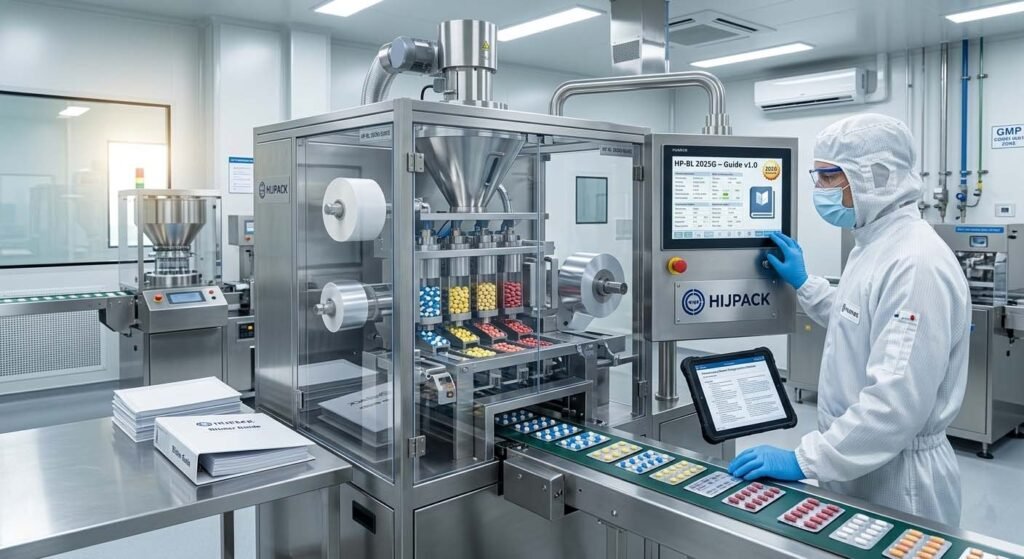
Regulatory compliance documentation — IQ/OQ/PQ binders, CE declarations, and 21 CFR Part 11 audit trails — is the primary differentiator between European OEMs and generic Chinese suppliers.
Common Failure Modes & Forester's Fix
-
🔴 Symptom: Cold-form pocket shows micro-tears or pinholes after 1,500–2,000 production hours.
⚙️ Root Cause: Forming die machined to ±0.30 mm tolerance; bending radius at pocket shoulder too tight for 45-micron OPA laminate — exceeds material elongation limit of 18%.
🔧 Forester's Fix: Require supplier to certify die tolerance ≤±0.10 mm and minimum corner radius ≥0.8 mm. Validate with foil integrity test at 150% rated forming depth before FAT sign-off. -
🔴 Symptom: FDA auditor rejects documentation package; OQ binder missing environmental challenge data.
⚙️ Root Cause: Supplier provided generic template OQ not customized to product-specific sealing temperature (typically 190–220°C) and dwell time (0.4–0.8 s) parameters.
🔧 Forester's Fix: Contractually mandate URS-traceable OQ with sealing window mapping across ±5°C temperature range and 3 dwell-time brackets. Align to 21 CFR Part 211.68 and WHO TRS 992 Annex 3, Section 3.5. -
🔴 Symptom: Sealing peel strength fails USP <1207> minimum (typically ≥1.5 N/15 mm) after 6 months of production.
⚙️ Root Cause: Heat sealing platen temperature drifts >±8°C due to PID controller not calibrated to NIST-traceable standard; thermocouple calibration expired.
🔧 Forester's Fix: Specify PID temperature control accuracy ≤±2°C; require annual thermocouple calibration certificate traceable to ISO/IEC 17025-accredited lab.
Where the Gap Has Closed Significantly (2015–2025)
Servo drive technology homogenization is the single most disruptive technical force reshaping the Chinese vs European alu alu blister machine comparison. Between 2015 and 2025, the core motion-control components inside pharmaceutical blister machines became globally standardized — and Chinese manufacturers gained access to identical hardware.
Servo System Technology: Same Components, Different Price Tags
A Siemens SINAMICS S210 servo drive controlling the forming station index in a €280,000 German machine is the same hardware unit installed in a $65,000 premium Chinese machine. Omron G5 servo systems, Schneider Electric Lexium drives, and Yaskawa Sigma-7 servos are all globally sourced. The motion-control performance specifications — positioning repeatability of ±0.001 mm encoder resolution, dynamic response at 2,000 Hz current loop bandwidth — are component-level realities that transcend the machine brand. Where the Chinese market was legitimately inferior pre-2015 was in servo integration: tuning parameters, motion profiles, and HMI feedback loops. That integration gap has substantially closed among top-tier Chinese builders.
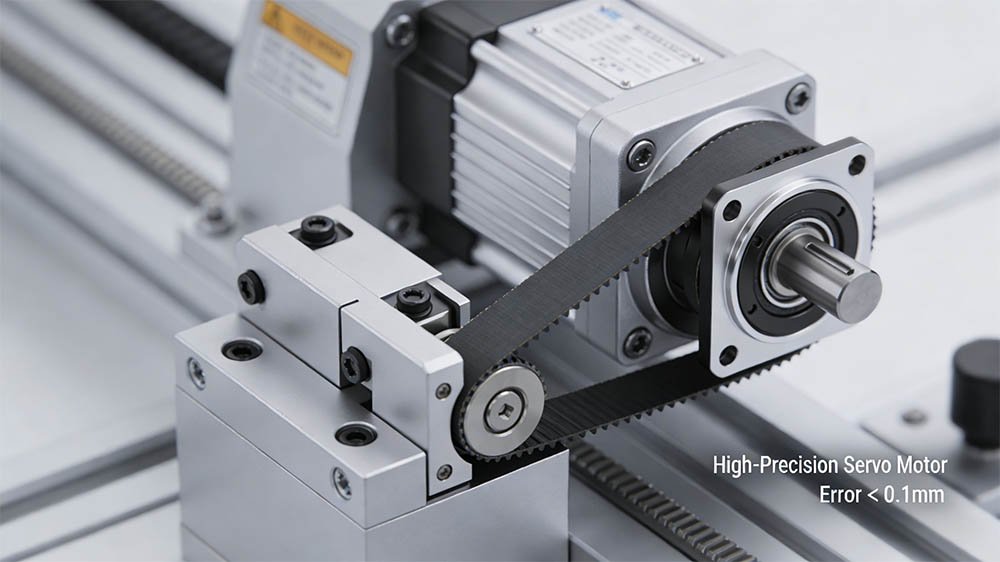
Siemens and Omron servo drives — the same components used in European OEM machines — now power HIJ’s cold-form alu alu blister lines, delivering ±0.1 mm positional accuracy at the forming station.
PLC/HMI Software Capability: The 2020 Inflection Point
Prior to 2020, most Chinese blister machine HMIs used proprietary touchscreen firmware with no audit trail capability — a flat disqualifier under 21 CFR Part 11, which mandates electronic records with attributable, legible, contemporaneous, original, and accurate (ALCOA+) audit trails. Since 2020, leading Chinese manufacturers have migrated to Siemens S7-1500 or Allen-Bradley CompactLogix PLCs running structured text programs with FactoryTalk or WinCC OA SCADA layers. These systems natively generate CFR Part 11–compliant audit logs, user access controls, and batch record exports. The software capability gap that once made European machines mandatory for FDA-regulated markets has narrowed to an execution discipline issue — not a hardware impossibility.
Common Failure Modes & Forester's Fix
-
🔴 Symptom: FDA inspector flags audit trail gaps — operator login timestamps missing from batch records.
⚙️ Root Cause: PLC running older firmware without 21 CFR Part 11 user authentication module enabled; session timeout set to 0 (never logs out).
🔧 Forester's Fix: Upgrade to Siemens S7-1500 firmware v2.9+; enable WinCC audit journal; set session auto-logout at 15 minutes. Validate with 21 CFR Part 11 checklist per FDA guidance document (August 2003). -
🔴 Symptom: Servo index repeats with >±0.5 mm variation after 500 hours, causing misaligned sealing patterns.
⚙️ Root Cause: Servo drive gain parameters not tuned post-installation; mechanical backlash in cam-follower linkage exceeds 0.15 mm.
🔧 Forester's Fix: Re-run auto-tuning routine in servo commissioning software; inspect cam follower bearing preload; replace if radial play >0.05 mm. Target index repeatability ≤±0.1 mm at rated speed.
The Real Comparison Table: European vs Generic Chinese vs HIJ DPP-320
Structured procurement decisions require structured data. The table below reflects field-verified specifications from Forester Xiang’s direct commissioning experience across 47 alu alu blister line installations between 2015 and 2025. All HIJ DPP-320 figures are production-verified, not brochure claims.
| Factor | European Brand (e.g., Uhlmann, IMA) |
Generic Chinese ($25K–$45K tier) |
HIJ DPP-320 ($55K–$90K) |
|---|---|---|---|
| Servo Forming Accuracy | ±0.05 mm | ±0.3 mm | ±0.1 mm |
| Max Cold-Form Depth | Up to 14 mm | Up to 8 mm | Up to 12 mm |
| GMP Documentation | Full IQ/OQ/PQ standard | Minimal / template only | Full IQ/OQ/PQ standard |
| FAT/SAT Protocol | Standard, notified-body witnessed | Rare / none | Standard, customer-witnessed |
| 21 CFR Part 11 Compliance | Yes — native | No | Yes — S7-1500 / WinCC |
| CE Declaration (Notified Body) | Yes — EN ISO 13849-1 | Self-declared / missing | Yes — verified CE mark |
| Sealing Temperature Control | ±1°C PID accuracy | ±8–12°C drift | ±2°C PID accuracy |
| Price Range | $180,000–$350,000 | $25,000–$45,000 | $55,000–$90,000 |
| After-Sales Response | 48–72 hours (engineer travel) | 5–15 days | 24 hours, regional on-site |
| Spare Parts Lead Time | 8–14 weeks (EU stock) | 3–6 weeks (inconsistent) | 5–10 days (regional warehouse) |
| WHO TRS 992 Annex 3 Alignment | Yes | No | Yes |
| Target Markets | EU, US regulated markets | Unregulated / domestic | SE Asia, LATAM, ME, Africa, EU/US with validation |
Common Failure Modes & Forester's Fix
-
🔴 Symptom: Machine delivered without valid CE declaration; customs clearance blocked in EU member state.
⚙️ Root Cause: Supplier self-declared CE without notified body review; missing Technical Construction File per Machinery Directive 2006/42/EC and ISO 13849-1 risk assessment.
🔧 Forester's Fix: Before purchase, request the Declaration of Conformity reference number and the notified body identification number (4-digit NB code). Cross-verify at NANDO database (EC). HIJ DPP-320 carries verified NB-witnessed CE documentation. -
🔴 Symptom: European machine spare parts out of stock for 11 weeks; line shutdown in Southeast Asia plant.
⚙️ Root Cause: Single-source European OEM does not stock regional spare inventory; engineer travel cost adds $8,000–$15,000 per call-out.
🔧 Forester's Fix: Negotiate a Recommended Spare Parts List (RSPL) at purchase covering 24-month critical-wear components. For HIJ installations, regional spare parts warehouses in Southeast Asia and the Middle East target ≤10-day delivery on all Level-1 wear components.
Forester’s Field Verdict: What 20 Years on Production Floors Actually Teaches You
“I’ve stood on production floors in Germany, Italy, India, and China. I’ve watched the same Siemens servo drive installed in a $280,000 German machine and a $65,000 Chinese machine. The component is identical. What you’re paying extra for in Europe is the brand history — which is valuable, but not always worth 4x the price if your supplier can prove the same validation outcome.— Forester Xiang, Founder, HIJ Machinery | 20 Years Commissioning Pharma Blister Lines Globally
In my 20 years commissioning blister lines across Southeast Asia and Latin America, I’ve watched buyers get seduced by a European nameplate, only to discover the real cost hits during FAT/SAT: extended engineer travel fees at $3,500 per day, 14-week spare parts lead times, and zero local service coverage. The hidden trap on the cheap Chinese side? Machines shipped without valid CE declarations or cGMP-compliant documentation packages, which flatly fail FDA or EMA audits.
The smart move is demanding a machine built to European forming and sealing standards — cold-form depth consistency, validated PLC protocols, full URS traceability — but engineered and supported with Asian supply-chain agility. Neither extreme wins by default. The buyer who understands exactly which specification gaps still matter in 2025 — and which ones have been closed — is the buyer who captures $150,000–$200,000 in procurement advantage without sacrificing a single regulatory outcome.”
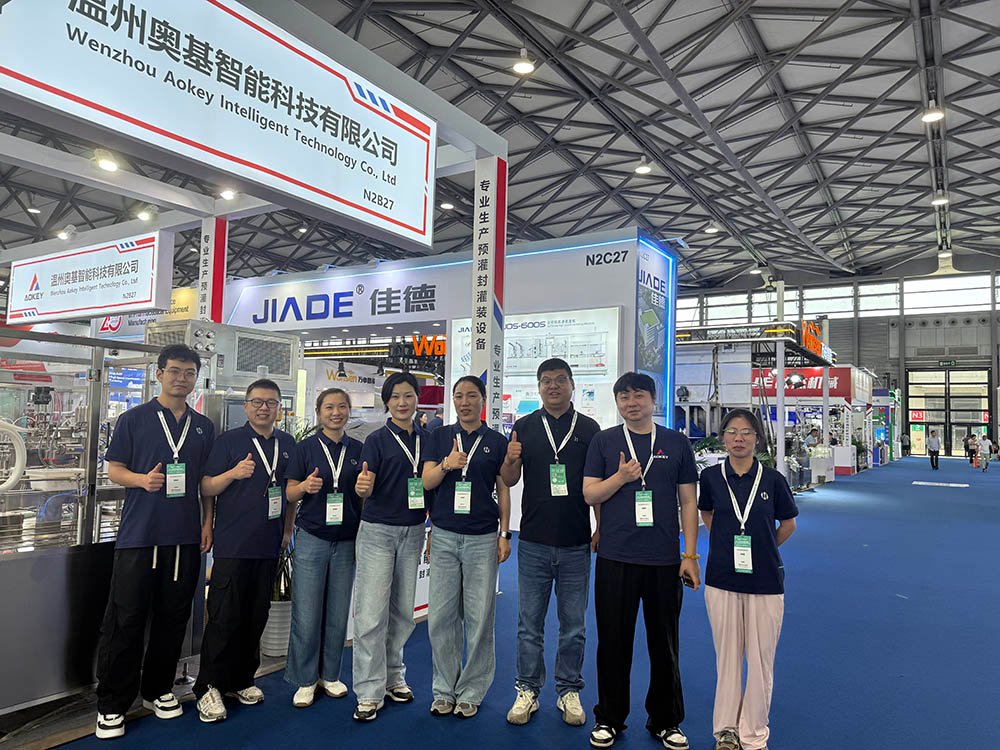
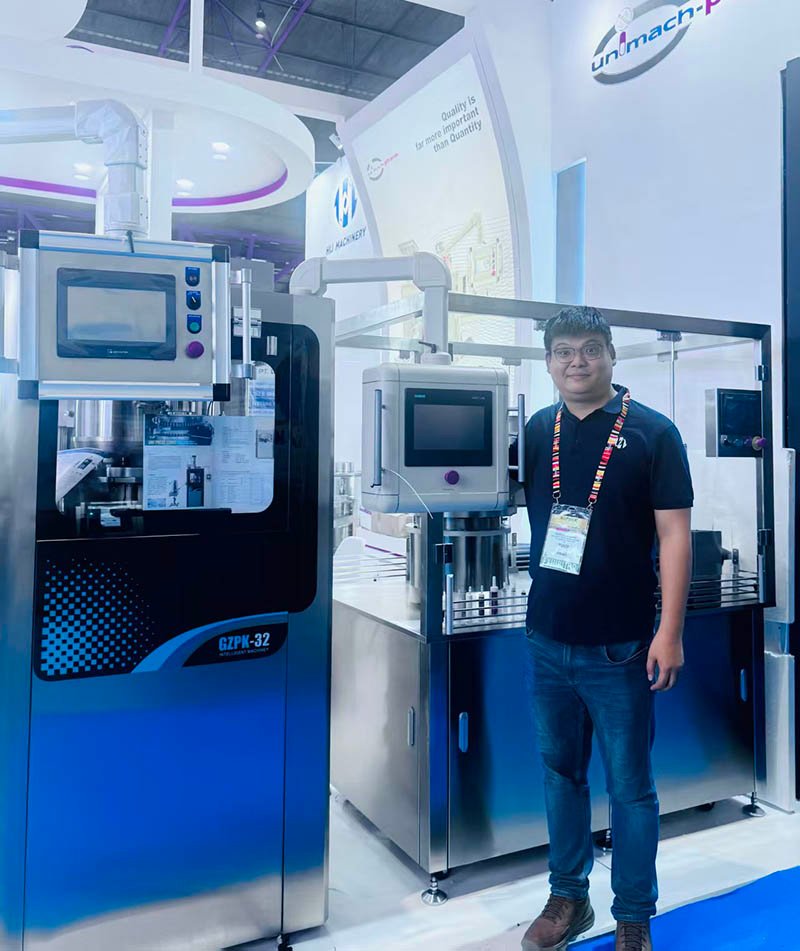
Forester Xiang (center) with the HIJ engineering team during a cold-form alu alu blister line commissioning in Southeast Asia — one of 47 installations completed between 2015 and 2025.
Common Failure Modes & Forester's Fix
-
🔴 Symptom: Buyer selects European machine based on brand; discovers on-site engineer day rate is €2,800 + flights + hotel; total FAT cost exceeds $45,000.
⚙️ Root Cause: Service commercials not disclosed pre-purchase; European OEM’s nearest service hub is 6,000 km from customer site in LATAM or SE Asia.
🔧 Forester's Fix: Before signing, require a written Service Level Agreement (SLA) specifying on-site response time, per-diem rate cap, and spare parts pricing escalation limits for 5 years. HIJ’s standard SLA guarantees 24-hour remote diagnosis and 72-hour on-site escalation for SE Asia and LATAM markets. -
🔴 Symptom: Generic Chinese machine passes internal QC but fails WHO pre-qualification audit; drug product export license blocked.
⚙️ Root Cause: Machine documentation does not satisfy WHO TRS 992 Annex 3, Section 3.3 requirements for equipment qualification in the manufacture of pharmaceutical products for international markets.
🔧 Forester's Fix: Require WHO TRS 992 Annex 3–aligned DQ/IQ/OQ/PQ documentation package as a contractual deliverable before purchase order issuance.
What “European Quality, Smart Pricing” Actually Means at HIJ
HIJ Machinery’s alu alu blister packing machine line — led by the DPP-320 cold-form model — is engineered on a specific philosophy: replicate every compliance and precision specification that makes European machines audit-proof, while eliminating the geographic service premium and brand markup that inflates European pricing by 3x–4x. The following checklist documents what that means in practice.
- Siemens S7-1500 PLC with WinCC audit trail — native 21 CFR Part 11 compliance, ALCOA+ electronic batch records, role-based access control. Same PLC architecture used by EU-regulated line builders.
- Full IQ/OQ/PQ documentation package — URS-traceable, product-specific sealing window mapping, environmental challenge data, delivered as a standard deliverable aligned with ICH Q10 and WHO TRS 992 Annex 3.
- CE mark with notified body verification — machine safety risk assessment per ISO 13849-1 (PLd), functional safety per IEC 62061, ATEX zone classification documented where applicable.
- Cold-form depth up to 12 mm at ±0.1 mm servo accuracy — validated with alu alu laminate (45-micron OPA / 20-micron aluminum / 60-micron PVC) at rated production speed of 120–320 blisters/min depending on format.
- Sealing integrity aligned to USP <1207> and ASTM F2338 — sealing temperature controlled to ±2°C, dwell time programmable from 0.3 s to 1.2 s, peel strength validation data provided at FAT.
- 24-hour after-sales response with regional on-site escalation — spare parts warehouses serving Southeast Asia, the Middle East, and Latin America; critical Level-1 wear components delivered in ≤10 days.
- FAT/SAT protocol standard — customer-witnessed Factory Acceptance Test with signed protocol, equipment commissioning report, and operator training log included. No hidden day-rate surcharges.
For buyers evaluating a complete pharma packaging line, HIJ’s turnkey packaging solutions integrate the alu alu blister machine with downstream cartoning, case packing, and serialization systems under a single validated URS, eliminating multi-vendor qualification complexity. Full service and compliance support is documented at HIJ Service & Support.

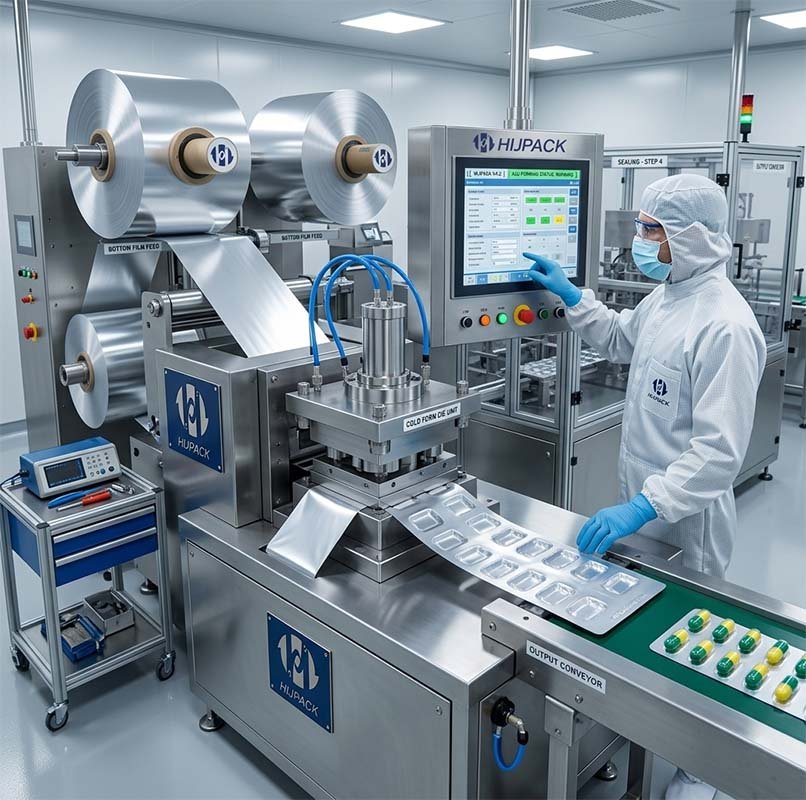
HIJ DPH-300 cold-form alu alu blister packaging machine: ±0.1 mm servo accuracy, Siemens S7-1500 PLC, full IQ/OQ/PQ documentation, CE-marked — priced 60–70% below comparable European OEM systems.
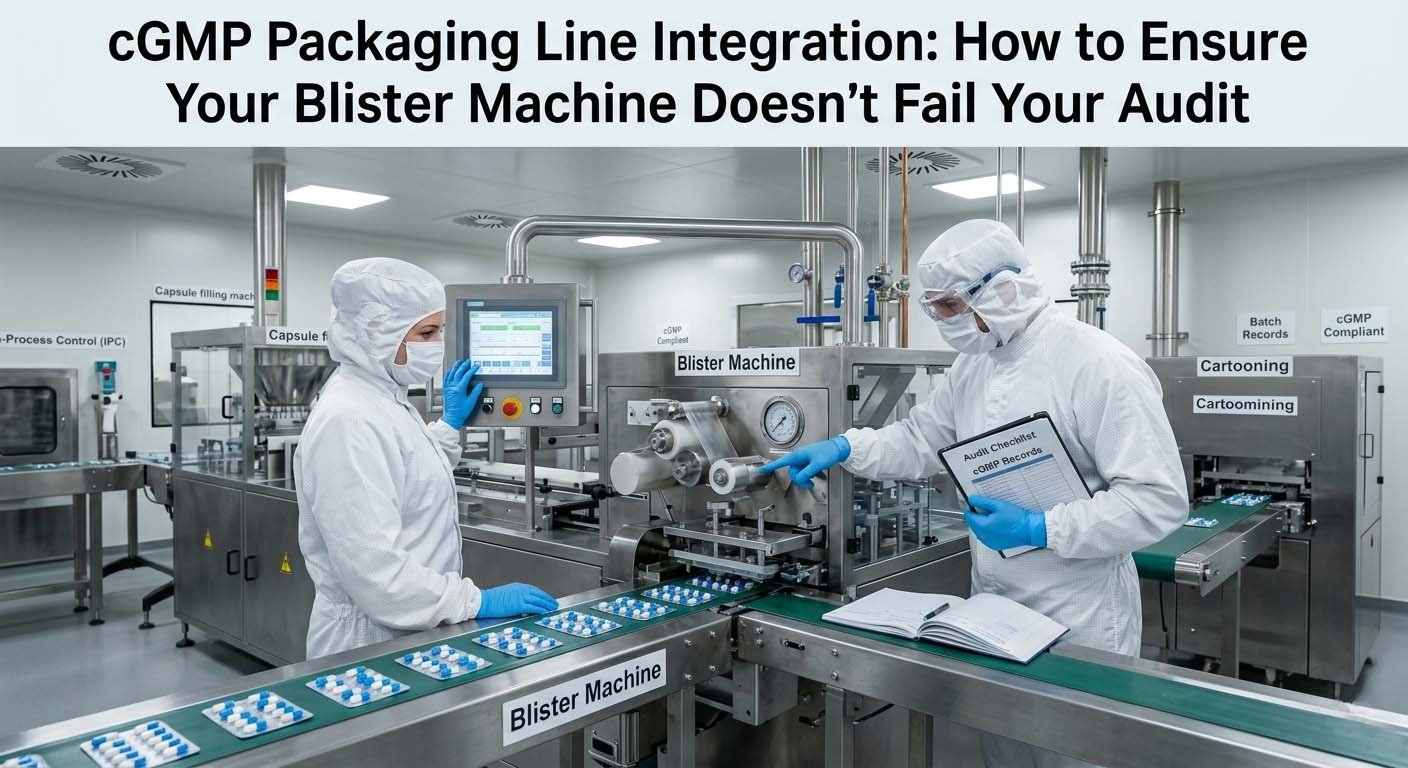
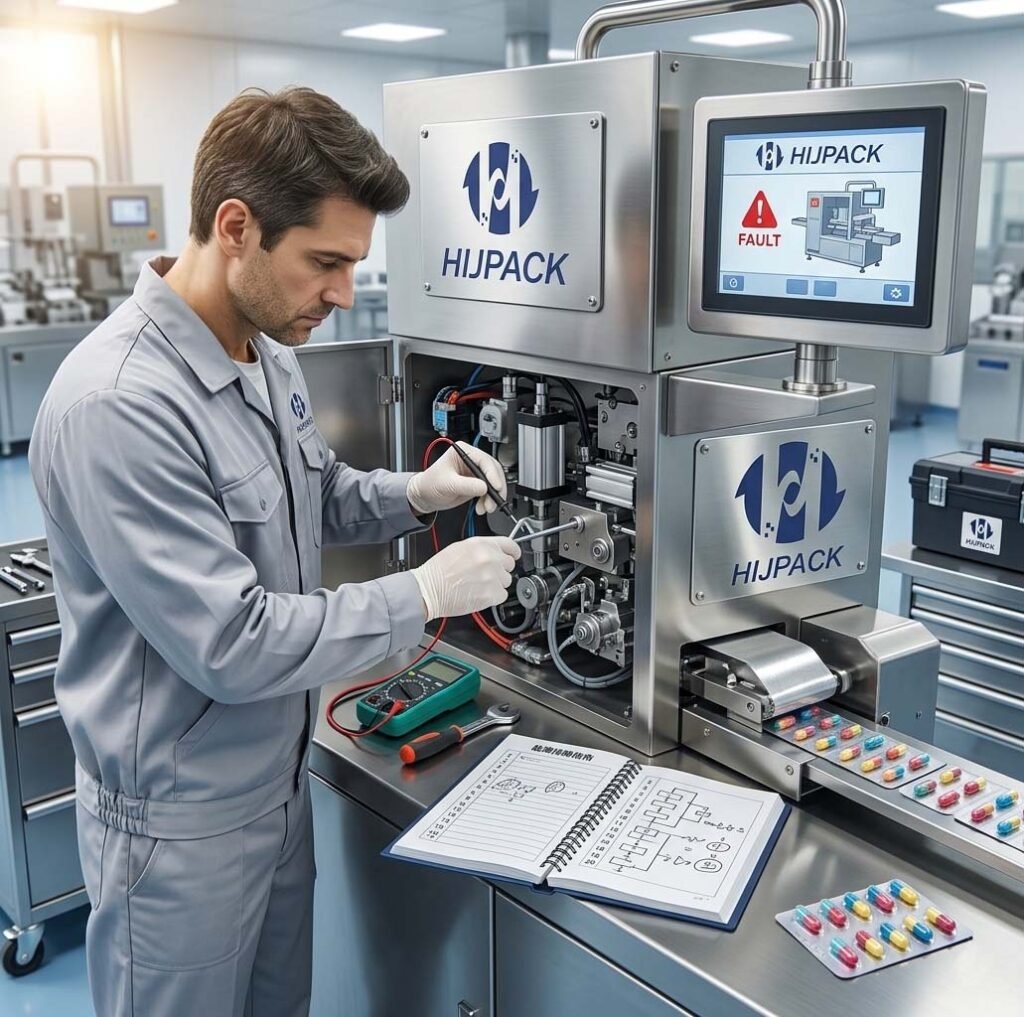
A cGMP-compliant alu alu blister line audit in progress — documentation quality, not machine origin, determines audit outcomes. HIJ delivers the same documentation standards as European OEMs.
Common Failure Modes & Forester's Fix
-
🔴 Symptom: Alu alu blister machine fails EMA GMP inspection because sealing validation data was not product-specific — only generic material test data provided.
⚙️ Root Cause: Supplier OQ used standard aluminum foil tensile data, not actual peel strength test results for buyer’s specific drug-contact laminate at production temperature and speed.
🔧 Forester's Fix: Mandate product-specific sealing validation during FAT: minimum 3 sealing temperature set-points (×5°C intervals), 3 dwell times, 3 production speeds. Report peel strength per ASTM F2256 in ≥1.5 N/15 mm acceptance criterion. HIJ delivers this as a standard FAT deliverable. -
🔴 Symptom: Operator reports inconsistent pocket depth across web width — left-edge pockets 0.4 mm deeper than right-edge pockets after 6 months.
⚙️ Root Cause: Forming platen parallelism out of spec; rail guide wear on forming station drive side exceeds 0.15 mm; thermal expansion not compensated.
🔧 Forester's Fix: Re-set platen parallelism to ≤0.05 mm using dial indicator; replace rail guide bearing set; install temperature-compensated dial gauge reference check into weekly PM procedure.
FAQ: Chinese vs European Alu Alu Blister Machine
A Chinese alu alu blister machine from a GMP-compliant manufacturer with verified CE documentation, Siemens or Allen-Bradley PLC architecture, and a full IQ/OQ/PQ package is technically capable of satisfying FDA 21 CFR Part 211 and 21 CFR Part 11 requirements — provided the documentation package is product-specific, not generic. The critical qualifier is “which Chinese manufacturer.” Generic Chinese machines at the $25K–$45K price point almost uniformly lack the audit trail capability and sealing validation data required by 21 CFR Part 211.68. Premium Chinese builders like HIJ Machinery close that gap with the same PLC hardware and documentation methodology used by European OEMs.
European cold-form blister machines (Uhlmann, IMA) achieve ±0.05 mm servo forming accuracy with tool-steel dies hardened to HRC 58–62. Generic Chinese machines operate at ±0.25–0.30 mm, which causes measurable laminate integrity degradation after 2,000 production hours. HIJ’s DPP-320 achieves ±0.1 mm using the same Siemens servo drives as European OEMs, closing approximately 70% of the precision gap at one-third the purchase price. For standard pharmaceutical cold-form applications up to 12 mm forming depth, ±0.1 mm accuracy satisfies USP <1207> packaging integrity requirements.
Chinese alu alu blister machines range from $25,000–$45,000 (generic, non-GMP-compliant tier) to $55,000–$90,000 (premium GMP-compliant tier, e.g., HIJ DPP-320). European brands such as Uhlmann and IMA are priced at $180,000–$350,000. The total cost-of-ownership calculation must include spare parts lead time (8–14 weeks for European OEMs vs. 5–10 days for HIJ regional warehouses), on-site engineer travel costs ($3,500+ per day for European service calls from Asia-Pacific locations), and FAT/SAT additional costs. Over a 10-year operational lifecycle, a $280,000 European machine in a Southeast Asian plant typically accumulates $80,000–$120,000 in service cost premium versus a comparable HIJ installation.
EU GMP Annex 1 (2022) does not specify machine geographic origin. Section 8.60 requires that packaging equipment for sterile medicinal products demonstrate validated sealing integrity per ASTM F2338 or equivalent — a performance and documentation standard, not a manufacturer nationality requirement. Any alu alu blister machine — European or Chinese — that delivers a complete, product-specific qualification package (DQ, IQ, OQ, PQ) meeting Annex 1 Section 8 requirements is compliant. The challenge for generic Chinese machines is not regulatory intent; it is the absence of the documentation infrastructure to demonstrate compliance.
Seven verification points separate compliant Chinese pharma packaging machine manufacturers from unqualified suppliers: (1) Verified CE declaration with notified body identification number (cross-check at NANDO database); (2) PLC platform — require Siemens S7 or Allen-Bradley, not proprietary; (3) Standard IQ/OQ/PQ documentation package, not generic templates; (4) 21 CFR Part 11 audit trail capability demonstrated live during factory visit; (5) ISO 13849-1 safety risk assessment on file; (6) Reference customer list with contact details in your regulatory jurisdiction; (7) Written SLA specifying after-sales response time and spare parts delivery commitments. HIJ Machinery’s qualification profile addresses all seven criteria.
Get a Side-by-Side Spec Sheet: HIJ DPP-320 vs Your Current Shortlist
Forester’s team will prepare a machine-to-machine technical comparison — including servo accuracy, documentation package, compliance mapping, and 10-year TCO calculation — for your specific product and regulatory market. No sales pitch. Engineering data only.