Pharmaceutical packaging engineering guide
This guide is written for pharmaceutical production, packaging development, engineering, quality and procurement teams. It focuses on how those functions should transfer requirements from product data into a machine URS, supplier scope, FAT plan and qualification strategy.
If you need the basic equipment definition first, read what a blister packaging machine is. If your team is already comparing models and requesting quotations, use the HIJ blister packing machine selection page. This article connects the pharmaceutical application decision to the procurement and acceptance process.
The correct decision sequence for a pharmaceutical blister project
Starting with a model number or headline speed reverses the engineering sequence. The pack function and manufacturing evidence should lead the equipment specification.
- Define the product and market requirement Document dosage form, geometry, sensitivity, handling risks, target markets, storage conditions, labeling needs and the intended patient-use features. Identify which assumptions still require confirmation.
- Develop the packaging system Select candidate forming and lidding structures, cavity geometry, card layout and opening concept. Demonstrate suitability for the particular product through the applicable development and stability program.
- Establish the process and control strategy Define the critical material attributes, process parameters, in-process checks, inspection logic, reject handling and acceptance criteria needed to make the approved pack consistently.
- Translate the process into a URS Specify what the equipment must do, what evidence the supplier must provide and which responsibilities remain with the manufacturer. Include interfaces to printers, inspection systems, cartoners and site data systems.
- Verify, qualify and maintain the lifecycle Use design review, FAT, SAT and risk-based qualification activities to demonstrate that the installed system supports the approved process. Changes after release should follow the site’s quality and change-control procedures.

What the pharmaceutical blister packaging system includes
The system is wider than a plastic cavity and foil lid. Its performance comes from the interaction of the product, all packaging components, the manufacturing process, equipment controls and the conditions under which the package is stored and used.
What must be protected? What can damage the dose during feeding, forming, sealing, storage or opening?
Product data, handling trials, risk assessment and approved development assumptions.
Which forming web, lidding material, cavity and card layout are suitable for the product and intended use?
Material specifications, pack drawings, supplier data and product-packaging study results.
Which variables must be controlled to form, fill, seal, inspect and convert the approved pack?
Development trials, approved recipes, sampling plan, test methods and acceptance criteria.
Can the proposed machine execute the process across priority SKUs at the required accepted output?
Design documents, application trials, FAT results, alarm tests and interface verification.
How will recipes, tooling, materials, cleaning, maintenance and changes remain controlled?
Procedures, qualification records, training, calibration, maintenance and change-control records.
FDA guidance on container closure systems makes an important boundary explicit: a packaging system found acceptable for one drug product is not automatically assumed to be suitable for another. Specifications and acceptance criteria should be supported by data for the particular product and packaging system.
Forming and lidding materials: choose the pack before the platform
Thermoformed structures and cold-form laminates create different manufacturing and pack-design constraints. A thermoplastic web can support a visible cavity and efficient material use. A cold-form aluminum-containing laminate offers a different barrier profile but produces an opaque cavity and generally needs more web area around a formed pocket.
The supplier should not decide the material structure from machine preference alone. Packaging development should consider product sensitivity, intended shelf life, storage conditions, cavity geometry, opening behavior, print needs, material supply, machinability and waste. The chosen structure then becomes an equipment requirement.
Do not copy generic barrier numbers into the URS
Published film data can support screening, but the final package includes formed areas, seals, scores, perforations and process variation. Define the material specification and finished-pack acceptance criteria using the product’s development evidence. The pharmaceutical blister packaging materials guide covers this decision in more detail.
For teams comparing the two forming routes, use the dedicated guide to thermoforming versus cold-form blister packaging. That comparison should be completed before a machine platform is frozen.
Process control map: what each station must demonstrate
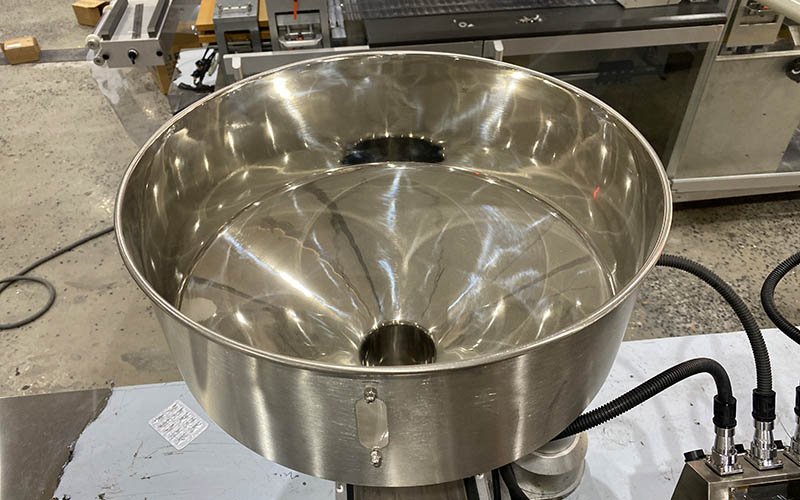
A blister machine moves a base web through forming, feeding, inspection, sealing and conversion operations. The exact station set varies, but each function needs a defined input, controlled action and observable result.
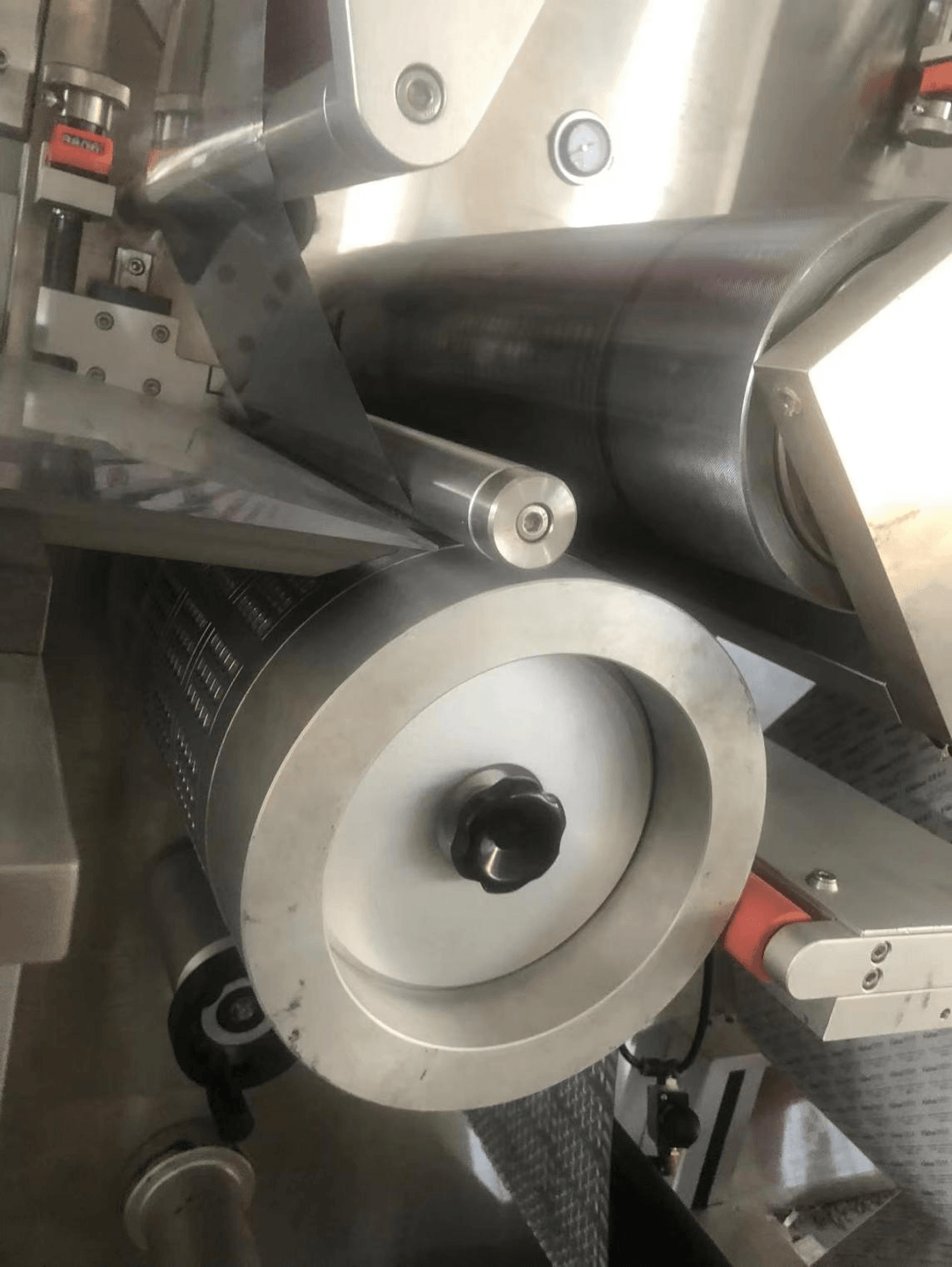
Unstable tension, tracking or registration can shift cavities, print and punching position.
Material range, roll handling, splice approach, sensors, tracking and fault response.
An unsuitable process window can produce incomplete cavities or uneven material distribution.
Tooling, recipe control, material-specific trials, cooling, cavity dimensions and start-stop behavior.
Products may bridge, misorient, abrade, crack or remain outside the cavity.
Representative samples, feeder design, contact materials, dust control, orientation and accepted fill rate.
A detection claim may be incomplete if the defect library, reject boundary or reconciliation logic is unclear.
Defects detected, challenge samples, sensitivity, reject tracking, stop logic and fail-safe behavior.
Material, tool, pressure, temperature, dwell and line motion interact to determine seal formation.
Approved material pair, process window, recipe security, uniformity, test method and defined acceptance criteria.
Wrong, missing or poorly positioned information and damaged cards can pass downstream.
Code source, content control, verification, perforation, punch registration and card discharge.
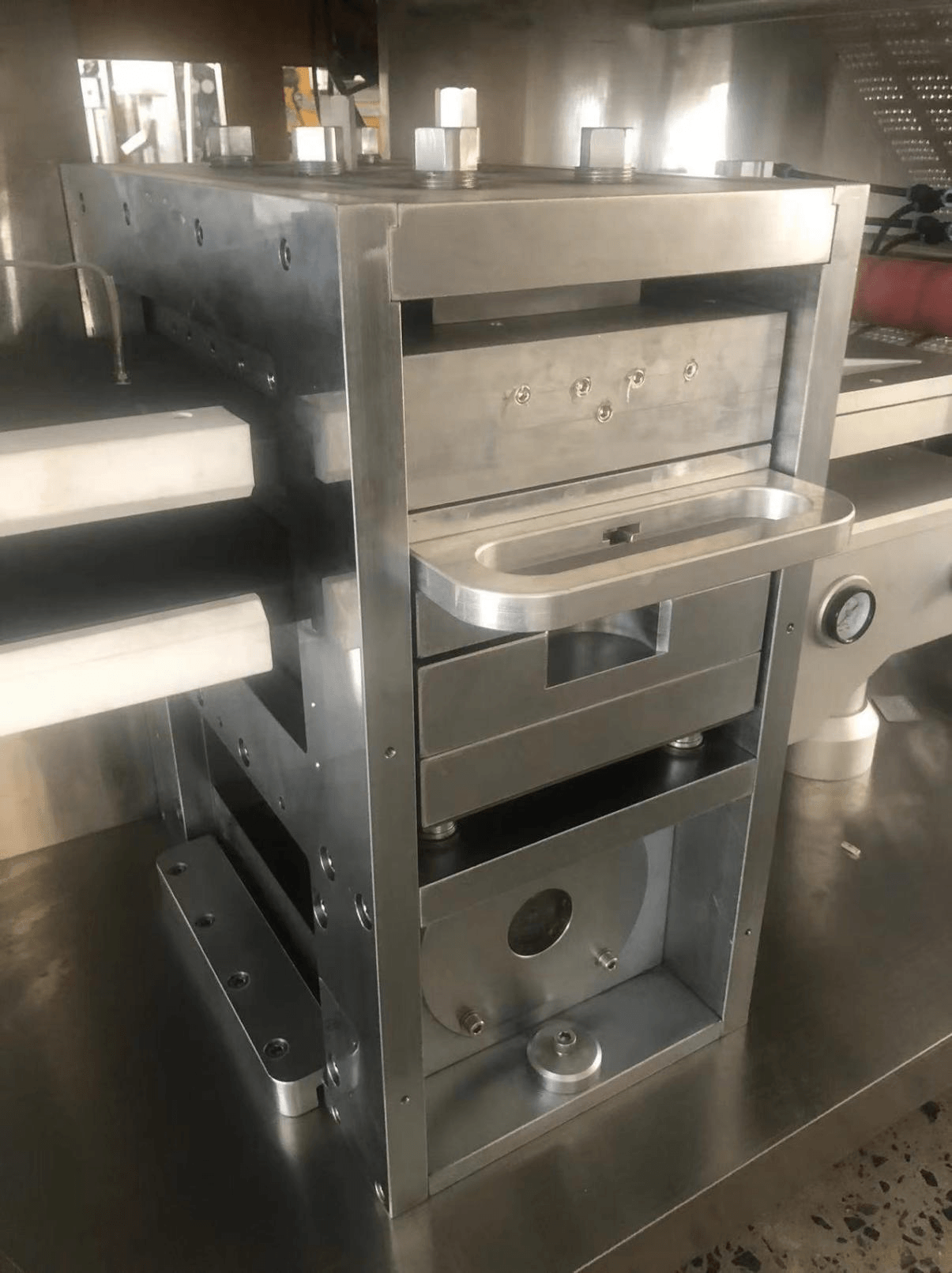
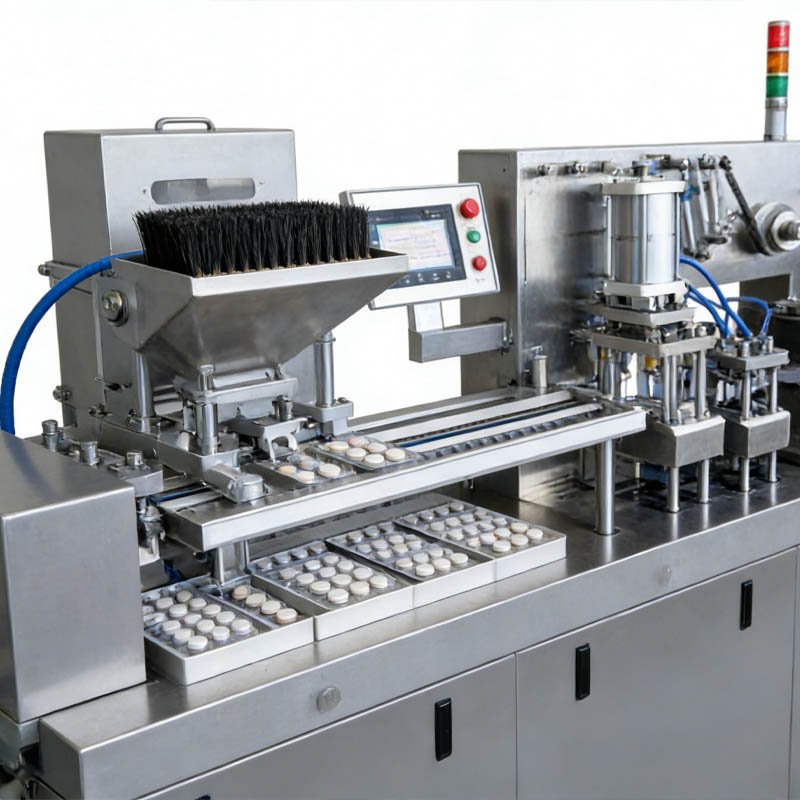
The detailed operating sequence is covered in how a blister packing machine works. This guide focuses on what the pharmaceutical manufacturer must define and verify around that sequence.
Equipment architecture: match the machine to the production task
Machine selection is not a simple low-speed versus high-speed choice. Architecture should follow product mix, format range, accepted output, changeover strategy, inspection needs, room constraints and downstream integration.
Standalone blister machine
Appropriate when finished cards can be collected or transferred independently. The scope must still define discharge, reject handling, coding and how accepted cards are reconciled.
Integrated blister-cartoning line
Required when cards, leaflets and cartons must move as one controlled system. Line speed, buffering, stop logic, product tracking and reject ownership must be agreed across machines.
Compare sustained accepted output on the agreed product and format. Do not treat nominal cycles per minute as usable production capacity. Feeder recovery, inspection rejects, material splices, format changes, cleaning and downstream stops all affect the delivered result.
Qualification is a manufacturer-led lifecycle, not a supplier certificate
A supplier can provide design documents, test records, manuals, calibration information and protocol support. The pharmaceutical manufacturer remains responsible for defining intended use, approving the strategy and integrating the equipment into its pharmaceutical quality system.
EU GMP Annex 15 describes qualification and validation across the lifecycle and bases their scope and extent on justified, documented risk assessment. It does not turn every machine feature into a universal requirement. The same principle applies when computerised functions are within scope: intended use and risk determine what must be specified and verified.
Does the proposed design address the approved user requirements and identified risks?
URS traceability, drawings, component list, material declarations, control narrative and risk review.
Does the built machine perform agreed functions before shipment?
Protocol, representative materials, challenge tests, alarm checks, output trial, deviations and closeout.
Is the delivered system installed as approved with required utilities and documents?
Installation checks, equipment identification, utilities, manuals, drawings, calibration and spare parts.
Do functions and controls operate across the justified operating ranges and challenge conditions?
Approved tests, recipe and access checks, alarms, interlocks, process ranges and deviation records.
Can the process repeatedly produce acceptable packs under routine manufacturing conditions?
Site-approved protocol, production materials, trained operators, sampling, test results and quality approval.
The number of runs, samples and challenge conditions should come from the site’s protocol and risk rationale. A supplier should not promise a universal qualification duration or claim that a template alone makes the machine compliant.
What belongs in a pharmaceutical blister machine URS?
The URS should be testable. Statements such as “high speed,” “GMP machine” or “suitable for all tablets and capsules” are not acceptance criteria.
- Product and format: dimensions, shape, orientation, fragility, dust, coating, sample variation, blister drawing and priority SKUs.
- Materials: forming and lidding specifications, roll dimensions, print registration, splice rules and approved alternatives.
- Output: sustained accepted output by priority format, test duration, permitted rejects and conditions for the demonstration.
- Feeding: feeder type, contact materials, orientation, change parts, cleaning and sample quantity for trials.
- Inspection: defects, challenge samples, detection boundary, reject action, reconciliation and response to system failure.
- Controls: recipes, users, alarms, data, interfaces, backup, time synchronization and site system connections based on intended use.
- Changeover and cleaning: access, tools, line clearance, parts identification, cleaning method and documented expectations.
- Documentation: drawings, manuals, lists, certificates, FAT records, protocol support, training and service deliverables.
- Site interfaces: utilities, room layout, line direction, material flow, extraction, cooling and downstream equipment.
Use the blister packing machine URS guide to structure the specification, then convert each important requirement into an observable FAT or site test.
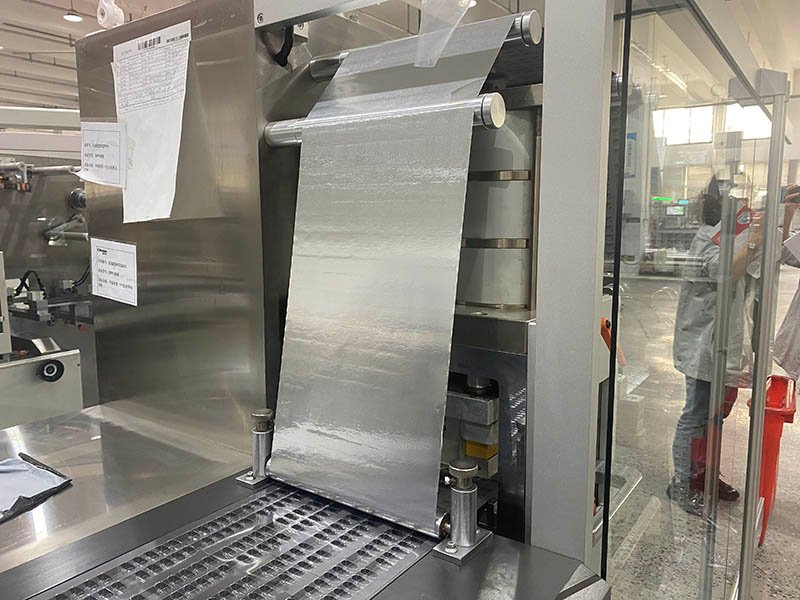
FAT: buy evidence, not a demonstration
A useful FAT is agreed before the visit and uses representative product, packaging materials and formats. It should test acceptance criteria, alarms, interlocks, reject logic, change parts, documentation and the conditions used to demonstrate output.
Weak FAT statement
“Machine runs normally at full speed.”
Testable FAT statement
Identify the product, materials, format, accepted-output target, trial duration, permitted interventions, reject criteria and records that must be retained.
Document deviations and ownership. If a required production material is unavailable at FAT, record the limitation and define the later verification activity instead of treating a substitute-material run as final evidence. The blister machine FAT checklist provides the detailed execution sequence.
Supplier evaluation: questions that expose scope gaps
- Which assumptions in the quotation still require product or material trials?
- Which feeder and inspection functions are included for each priority SKU?
- How is sustained accepted output defined and demonstrated?
- Which drawings and documents are submitted for approval before manufacture?
- Which alarms, interlocks and failure modes will be challenged at FAT?
- What is included in tooling, change parts, cleaning parts and initial spares?
- Which qualification documents are supplier templates and which must be authored or approved by the site?
- Who owns interfaces to the coder, vision system, cartoner and site data systems?
- What requires HIJ confirmation in the final contract, and what is already verified?
Continue the pharmaceutical blister packaging decision
Pharmaceutical blister packaging FAQs
What is pharmaceutical blister packaging?
It is a product-specific primary packaging system in which a formed cavity contains a dosage unit and a lidding material closes the cavity. Suitability depends on the product, packaging components, pack design, manufacturing process and supporting development data.
Which blister material is best for pharmaceutical products?
There is no universal best material. Selection should be based on product sensitivity, stability requirements, cavity geometry, storage conditions, opening needs, machinability, supply and the demonstrated performance of the finished package.
What are the main steps in the pharmaceutical blister packaging process?
The usual sequence is forming-web unwinding and control, cavity forming, product feeding, inspection, lidding-web handling, sealing, coding or marking, perforation and cutting, followed by finished-card inspection and controlled discharge. The exact station set and order depend on the approved pack and line scope.
Does buying a GMP-ready blister machine make the process compliant?
No. Equipment features and supplier documents can support the manufacturer’s quality system, but compliance depends on intended use, facility controls, procedures, qualification, validation, training, maintenance and routine operation.
What is the difference between FAT and qualification?
FAT verifies agreed functions at the supplier before shipment. Site qualification confirms the installed equipment and its operation within the manufacturer’s approved lifecycle strategy. FAT evidence may support qualification when its use is justified and controlled, but it does not automatically replace site responsibilities.
How should blister machine output be specified?
Specify sustained accepted output for the agreed product, materials and format over a defined test period. State permitted rejects, interventions, feeder conditions and downstream interfaces. Do not rely only on nominal cycles per minute.
When should a cartoner be included in the project?
Include cartoning when blister cards, leaflets, cartons, coding and rejection must operate as one controlled line. Define buffering, transfer, stop logic, product tracking and reject ownership across the complete system.
What should a buyer send before requesting a quotation?
Send representative product information and samples, material specifications, blister and card drawings, priority SKUs, accepted-output requirements, inspection scope, utilities, room layout, line interfaces and documentation expectations. Clearly mark items that still require confirmation.
Primary references
- FDA: Container Closure Systems for Packaging Human Drugs and Biologics
- 21 CFR 211.94: Drug product containers and closures
- 21 CFR 211.122: Materials examination and usage criteria
- 21 CFR 211.130: Packaging and labeling operations
- European Commission: EudraLex Volume 4, including Annex 15
- ICH Q1A(R2): Stability Testing of New Drug Substances and Products
Turn the packaging decision into a testable machine scope
Send HIJ the product information, proposed materials, pack drawing, priority SKUs, accepted-output target and documentation requirements. We will separate verified requirements from open assumptions before proposing the blister machine and line boundary.
Request a Pharmaceutical Blister Review