Opens in a new tab
Get Quote

Alu-Alu Blister Machine Price

Get an itemized quote for your cold-form pack: machine, tooling, feeding and selected options. HIJ Machinery builds the quotation around your product, pack layout and agreed supply scope.

Request a quotation

Quoted to configuration. Tooling, options and delivery scope are confirmed in the written offer.

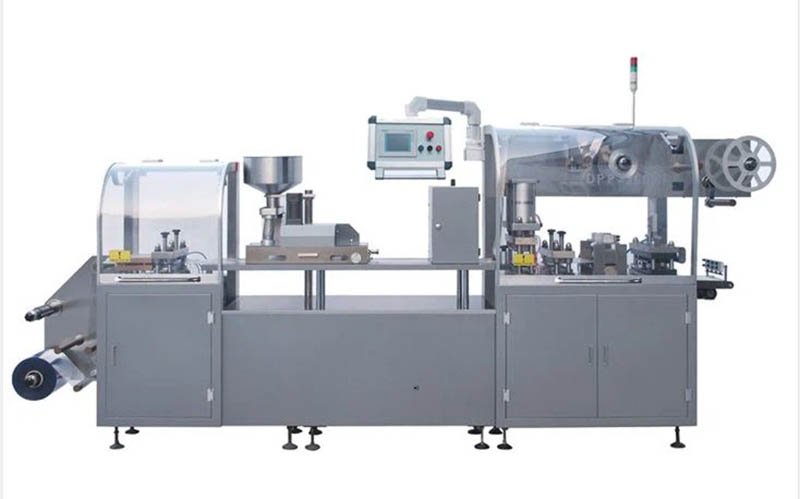
HIJ Alu-Alu blister machine with transparent safety enclosures and control panel

The machine and the selected options belong in the same quotation.

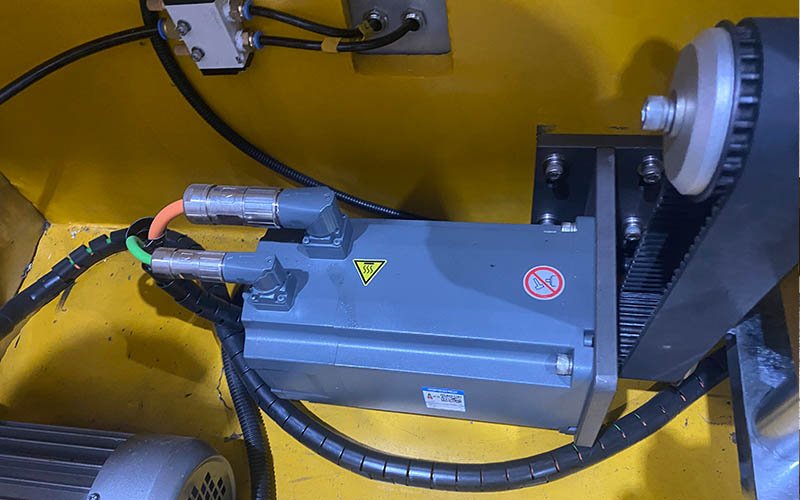
HIJ servo drive component reference; selected configuration must be confirmed

Start with the right scope

Alu-Alu blister packing machine price is configuration-specific. The forming and sealing tooling, product feeder, control options, inspection scope and delivery requirements all affect the quotation. A machine-only offer and an installed packaging project are different budgets; compare them against the same pack drawing and acceptance requirements.

Choose the buying situation closest to yours. These are quotation review routes, not fixed models, price bands or promises that every option is included.

One defined pack

Focus the offer on one agreed cold-form blister layout, the matching feeder and tooling, and a product trial. Keep additional formats and downstream equipment separate so the base scope is clear.

Ask for a machine-and-format quotation with the trial and acceptance scope identified.

Several pack formats

Compare a defined format list rather than an open-ended changeover claim. Identify what each format needs: forming and sealing tooling, punching tools, guides, feeder change parts and stored settings where applicable.

Ask for the base machine plus an itemized format schedule, including what can be shared.

A connected packaging line

Define the handover from the blister machine to the next process. Review pack orientation, transfer method, buffering, line signals and responsibility for integration alongside the blister-machine scope.

Ask for separate machine, interface and downstream-equipment scope; agree who tests the complete line.

What changes the price?

The useful comparison is not simply automatic versus high-speed. It is what the proposed configuration must do with your product and packaging material.

Your blister layout

Pack dimensions, pocket geometry, forming depth and web layout determine the tooling review. Include the finished pack drawing and the proposed forming and lidding materials; a tablet count alone does not define a format.

Product feeding

Tablet or capsule shape, dimensions and flow behaviour influence the feeder selection. Review the proposed feeding arrangement with real samples, including how it is accessed and cleaned. Do not price every dosage form as the same feeding task.

Output and changeovers

Compare accepted blister packs per minute for the agreed layout—not a cycle-rate headline from another material route. Your batch pattern and format changes also affect the useful configuration. Identify the operating conditions to be demonstrated during the trial.

Control and inspection

The DPP-260/360K technical reference distinguishes mechanical web traction from optional servo web feed. The selected drive, inspection checks, reject handling and any data functions should be named individually in the offer, not inferred from a PLC or servo label.

Review the Alu-Alu machine configuration before finalizing the pricing scope.

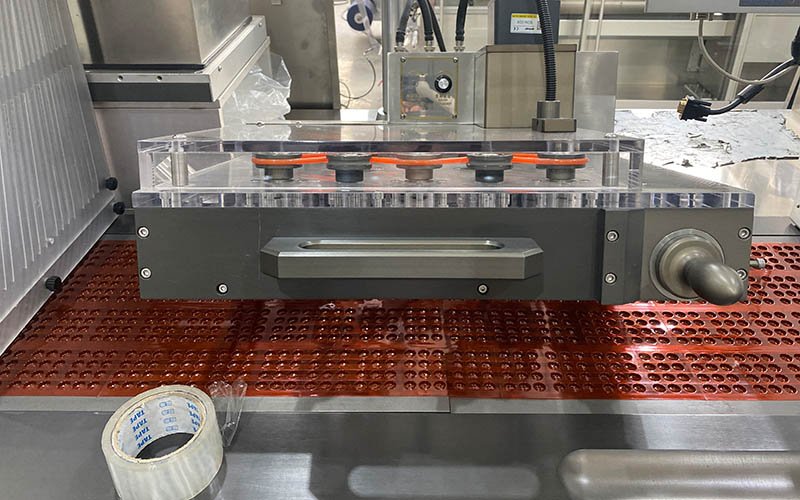
HIJ blister-machine loading station and formed-web path, equipment reference
Loading-station reference; feeder and packaging-material scope are selected for the project.

See what you are buying

The equipment reference documents replaceable tooling and selectable feeding arrangements. That makes the configuration schedule more useful than a generic premium tier: it tells you what is fitted, what is optional and which pack the offer covers.

The photographs show HIJ equipment and component references. They do not establish a cold-form output rating or make a pictured option standard supply.

What should the offer cover?

Use this schedule to compare supplier quotations line by line. Each item needs a stated scope, quantity or responsibility; this is a review checklist, not a claim that every item is supplied as standard.

Offer itemScope to identifyCommercial check
Machine and materialsNamed configuration, product application, forming and lidding materials, and the pack layout used for selection.Record the proposed configuration and any material or application limits.
Tooling and formatsList the included format sets and their drawing references. Identify forming, sealing, punching and feeder change parts as applicable.Price additional formats separately; identify shared and format-specific parts.
Feeding and controlsName the feeder, feed-drive arrangement, controls and selected options. Describe any inspection and reject functions.Separate required functions from optional upgrades and define how each is tested.
Acceptance and documentsIdentify the factory trial, samples and materials required, agreed acceptance criteria, manuals, drawings and any qualification support.Distinguish supplying documents from reviewing, executing and approving site qualification.
Installation and utilitiesDefine equipment positioning, connections, site work, training and any support attendance. Obtain the selected configuration's utility schedule.Name the responsible party and whether travel, site services or auxiliary equipment are included.
Spares and serviceList supplied spares, recommended wear parts, support channels and the written service and warranty scope.Identify optional stock, replacement-part ordering references and service exclusions.
Delivery and commercial termsState the quotation currency, delivery basis and named location, packing scope, payment milestones, validity and proposed delivery schedule.Distinguish supplier charges from freight, local clearance, taxes and plant delivery costs.

For document responsibilities and approval boundaries, see Alu-Alu qualification and validation scope.

Machine price to project budget

Build the budget in layers. Keep one-time purchase and start-up costs separate from recurring production costs, and count an item only once if it is already included in the supplier's offer.

Equipment purchase

Start with the agreed machine scope. Add only the tooling, feeder options, inspection, accessories and interfaces that are separately priced. A lower headline number is not a saving if it excludes parts the production format requires.

Arrival and start-up

Add the logistics and site costs allocated to your project: freight and insurance where applicable, local clearance and charges, inland transport, utilities work, installation, training and qualification activities. Obtain destination-specific charges from your logistics and local advisers rather than using one universal landed-cost percentage.

Running the pack

Evaluate packaging materials, product losses during setup, labour, utilities, wear parts, maintenance and changeover time. Use your own shift pattern, material cost and accepted-pack output. This is the basis for a cost-per-pack comparison, not a promised payback period.

For investment review, divide the relevant operating cost by accepted saleable packs over the same period. Model more than one utilization level. A machine's maximum cycling rate alone is not a reliable return-on-investment forecast.

Compare like for like

Send competing suppliers the same pack drawing, materials and product brief. Compare the proposed technical solution and acceptance scope before the final price—not manufacturer nationality or a list of component brands.

  • Use the same product, pocket layout and cold-form material route in both offers.
  • Compare accepted-pack output, trial conditions and the handling of non-conforming packs.
  • Normalize the format sets, inspection, documentation and support scope before comparing totals.
  • Check the delivery basis and cost responsibilities before treating two totals as equivalent.

A component brand does not, by itself, prove that two machines have equivalent capability. Likewise, a higher automation label does not establish whether the selected system fits your batch size, operators or changeover pattern.

If the packaging route is still undecided, review cold forming versus thermoforming before requesting equivalent offers.

Move from budget to offer

Reuse your existing brief

Already shared a URS, drawing or material specification with HIJ? Reference that file and revision. Add only missing details or changes; there is no need to fill out the same equipment questionnaire again.

Resolve the open choices

Discuss the unresolved feeder, format, inspection or line-interface decisions. If only an early pack concept is available, identify the assumptions first and separate a budgetary discussion from a final configuration offer.

Review the written scope

Check the itemized configuration, commercial terms, testing responsibilities and exclusions together. Where a trial is required, agree the product, materials and acceptance criteria before treating the proposed performance as confirmed.

Order questions

Can one tooling set cover different products?

Not automatically. Products may share a blister layout only if the pocket geometry, pack dimensions and feeding arrangement are suitable. A change in shape, size, count or web layout can require different tooling or feeder parts. Have each proposed format reviewed rather than treating one set as universal.

Is Alu-Alu capability just an upgrade to a PVC machine?

Do not assume it is a simple upgrade. Cold forming and thermoforming use different forming processes, and compatibility depends on the actual machine, stations, tooling and controls. For an existing machine, provide its model, serial number and installed configuration for a feasibility review before budgeting a conversion.

What if my pack drawing changes after quotation?

Identify the revised drawing and ask for the affected scope to be reviewed before ordering. Changes can affect tooling, feeding, material use, the proposed operating rate and the delivery schedule. Keep the accepted drawing revision linked to the final quotation and acceptance plan.

Can I use the same price after changing currency or delivery destination?

Use the currency, validity period and delivery basis stated in the written quotation. A different currency, named delivery location or allocation of freight and local charges may require an updated offer. Confirm those changes before comparing the revised total with the original.

Request a scoped quotation

Discuss your Alu-Alu blister pack with HIJ Machinery. Reference the brief you already have and tell us what has changed or remains undecided. The next step is a configuration and supply-scope review—not another copy of the same RFQ checklist.

Request a quotation

Final price, inclusions and commercial terms are those agreed in the written quotation.

HIJ DPP-260 blister packing machine in the workshop, equipment platform reference
HIJ equipment reference. Confirm the selected cold-form configuration in your offer.

Let's Design Your Production Line

Share your requirements and I'll personally craft a solution that maximizes your efficiency and profitability.