
Softgel blister
packaging machine
Configure blister packaging around your finished softgel, pack structure and production target. Compare feeding, tooling, forming and inspection scope before ordering.
Request a project quotation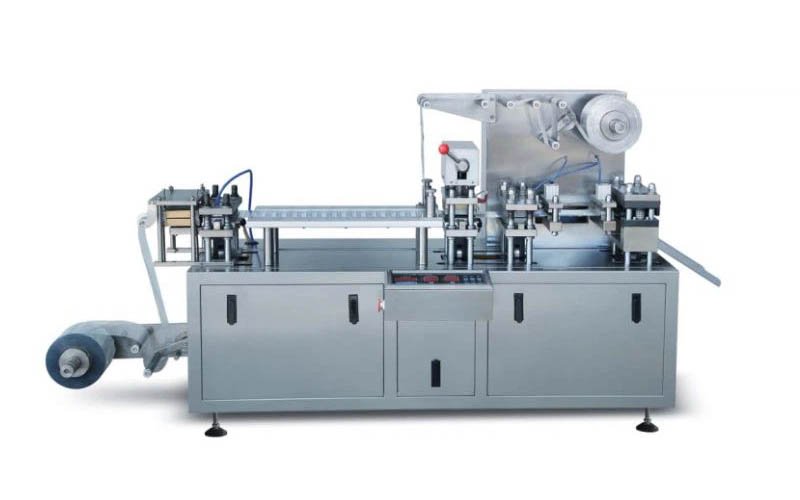
Start with the softgel
A softgel blister packaging machine places finished soft gelatin capsules into individual pockets, seals the lidding material and cuts the web into cards. The starting point is the filled product and its approved pack drawing—not a shell-size label alone.
The scope here is finished-softgel blister packaging. Softgel manufacture, filling and drying are separate upstream processes.

- Shape and variation
- Review the filled length, width and thickness, dimensional variation and the way the product rests in the pocket. Include the intended orientation, pocket clearance, seal land and opening method on the drawing.
- Surface and handling
- Assess the actual samples through feeding, transfer and placement. Record sticking, rolling, marking or deformation limits relevant to your product, together with the handling and cleaning conditions required by your team.
- Finished-pack format
- Define softgels per card, card dimensions, print registration and any downstream carton requirements. For a mixed portfolio, review the tablet-and-capsule changeover requirements separately from the softgel-specific feeding and tooling.
Compare forming routes
Compare the actual film or laminate grades with the required package protection, pocket geometry and sealing process. Select the route through your product and pack evaluation rather than assigning one material to every softgel formulation.
Compare the forming, tooling and sealing requirements below. The finished softgel, pack drawing and material grade remain the basis of the configuration review.
| Review point | Thermoformed film | Cold-form laminate |
|---|---|---|
| Formed pocket | The plastic forming web is heated and formed before product loading. Match the material, cavity geometry and forming method. | The laminate is mechanically formed before product loading. Match the pocket geometry, draw requirements and tooling. |
| Lidding and sealing | Specify the lidding web and sealing window for the selected forming film. | Specify the compatible lidding web and sealing window; cold forming does not remove the sealing review. |
| Pack protection | Review the exact film construction and finished-package evidence against your product requirements. | Review the exact laminate construction and finished-package evidence against the same requirements. |
| Format and output | Confirm cavities per card, web layout, feed performance and accepted finished-pack output. | Confirm the cavity layout, material handling and accepted output for the proposed cold-form setup. |
For the equipment route and model-specific information, review the Alu-Alu blister packing machine page. Product stability and finished-pack acceptance belong to the agreed product/package evaluation, not to a machine-name or material-name guarantee.
Choose the equipment scope
Start with the product path and the proposed pack layout, then match the machine platform, feeder and format parts. The DPP-250 model page provides a separate equipment route; the general capsule blister machine pillar covers the wider capsule equipment range.
For the documented DPP-260 platform, the technical schedule describes vibrating presentation and feed-level control, plastic forming, flat-plate heat sealing and missing-product detection/removal. Use the DPP-260 model information when reviewing that platform. The softgel-specific feeder, cavity set and trial conditions are part of the proposed configuration.

Machine and format parts
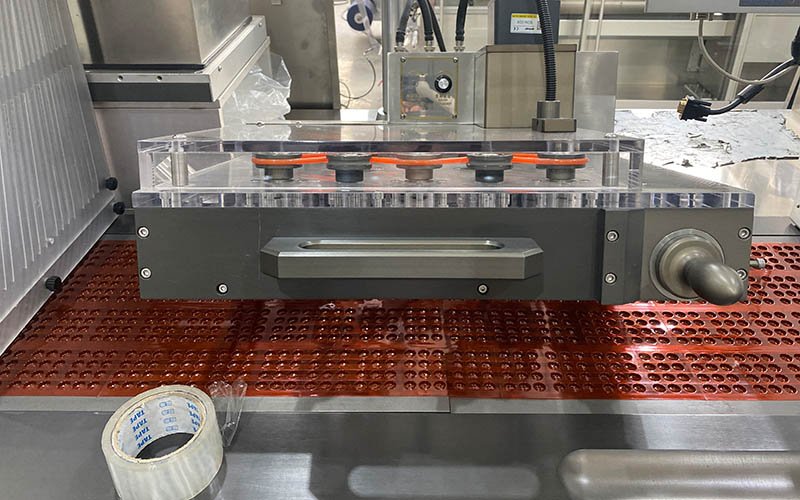
Specify the frame/layout, forming and sealing assemblies, product-contact and transfer parts, guides and cutting tools. Identify which items change with each SKU and which are shared across the approved formats.
Inspection and control options
List the checks to be supplied, reject handling, code verification, operator access and record requirements. Name any additional camera or software functions in the quotation and agree how their operation will be demonstrated.
Line interfaces
Confirm the accepted blister-card orientation, discharge height, accumulation and the connection to cartoning or other downstream equipment. Review line balance using the same finished-pack units and production conditions.
Agree the sample trial
Set the product, material lots, drawing revision, run duration and acceptance criteria before the trial. The record should connect the proposed hardware and settings with the finished packs actually examined.
First, define the format.
Use representative filled softgels and the intended forming/lidding materials. Approve the pocket and card drawings, the feed arrangement and the challenge samples relevant to the agreed checks.
Then, follow the product.
Observe replenishment, singulation or presentation, transfer and pocket placement. Record handling marks, misplaced products and other agreed observations without assuming a tablet feeder is interchangeable.
Next, challenge the checks.
Review missing-product response, sealing, coding and reject handling as ordered. Include a stop/restart sequence and the treatment of affected packs. Distinguish machine-function tests from package-quality tests.
Finally, record acceptance.
Record the run time, accepted cards, rejects and stops. Convert to softgels per minute using the actual number per card, and compare the result with the agreed target. Retain the settings, samples and results against the tested configuration.
Price the whole configuration
A useful machine quotation identifies what is included, what is optional and what remains a buyer responsibility. Ask for the equipment and format schedule together with the trial basis so that two proposals can be compared on the same scope.
Open the quotation scope checklist
- Equipment and tooling
- Machine platform, product feeder, forming/sealing/cutting tools, contact and transfer parts, plus the number of approved product/card formats.
- Inspection and software
- Included sensors and reject checks, optional camera/code checks, access/record requirements and the agreed function tests.
- Utilities and installation
- Electrical supply, air and other utilities, footprint, access, delivery configuration and site interfaces for the ordered build.
- Test and documentation
- Drawings, manuals, agreed FAT records and qualification-support documents. Assign supplier and buyer responsibilities for document review, site qualification and approval.
- Delivery and support
- Packing and shipment scope, commissioning/training arrangements, spare and change parts, service coverage and contractual timing.
Price and delivery are confirmed against the selected configuration and agreed commercial terms. Use the DPP-250 validation support page for documentation planning and the turnkey pharmaceutical solutions page when several machines need coordinated scope. About HIJ provides the company context.
Buyer questions
Can we change the softgel supplier?
Recheck the filled dimensions, surface behaviour and handling variation when the product or supplier changes. Compare the new samples with the approved format and trial basis, then identify any feeder, guide, tooling or setting changes. A familiar product name does not establish interchangeability.
Can existing tooling be reused?
Compare the actual tooling drawings and installed parts with the new product, card and material specifications. Record the assemblies that can be retained and those that need replacement or adjustment. Agree the confirmation run for the revised configuration rather than treating reuse as automatic.
Can the project include cartoning?
Define blister-card dimensions and orientation, cards per carton, leaflet and closure requirements, and the interface between machines. The blister cartoning machine page is the related equipment route. Compare the line using accepted finished packs and the same operating assumptions, not isolated maximum speeds.
Send the URS, product brief or drawings you already have. Add only the missing filled-sample information, selected materials, production target or ordered options; there is no need to repeat an existing specification in another questionnaire.
For an existing line, include the machine/format identification and the change you need. For a new line, include the intended destination and installation interfaces so that supply, documentation and support scope can be priced together.
Browse the blister-machine range or the tablet blister equipment route for a different project.