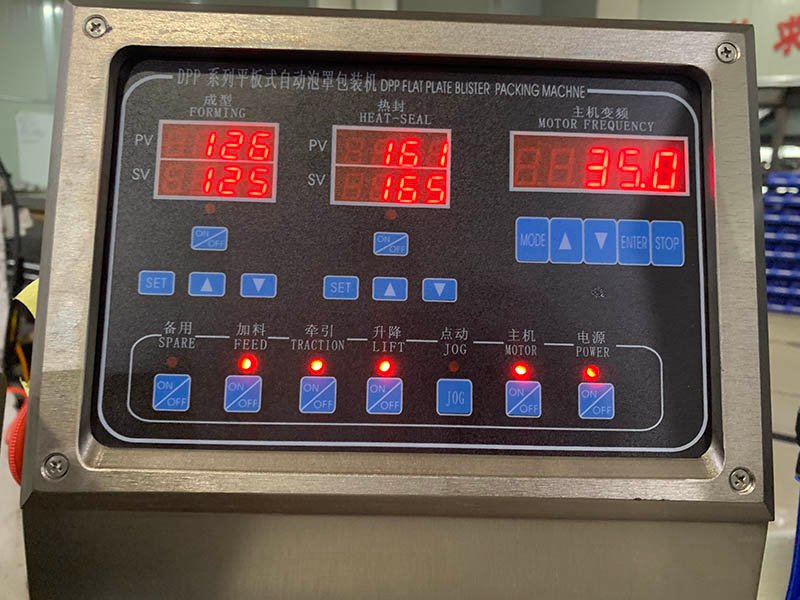
Chocolate blister machine price
Get a configuration-based chocolate blister packing machine price, with itemised tooling, loading, testing and delivery scope for your project.
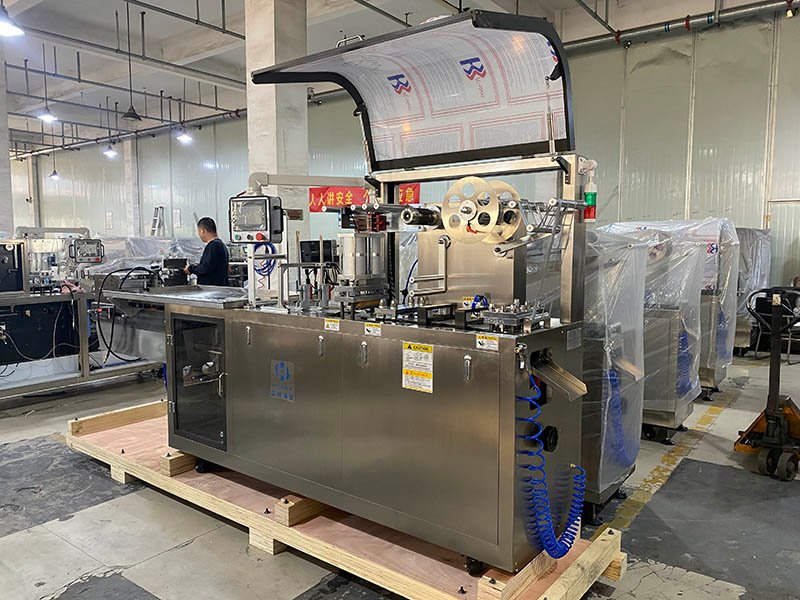
Price follows the scope
A chocolate blister machine quotation covers a defined packaging job. Compare the same product, pack drawing, loading method and acceptance target before comparing totals.
The chocolate blister packing machine page explains the equipment route. This page focuses on what changes the quotation and what each offer should contain.
- Product and pack
- Chocolate dimensions, condition, cavity layout, forming web and lidding pair.
- Production target
- Accepted finished packs, loading arrangement, run duration and changeover pattern.
- Supply boundary
- Tooling, inspections, documents, site services and the named delivery point.
Your itemised quotation
Ask for a priced supply schedule that separates the selected machine, optional equipment and buyer-supplied items. An item absent from a summary price is not automatically included.
- Platform and controls
- Identify the offered platform, electrical supply, controls, guarding and supplied alarms. Match the machine configuration to the technical schedule, not a model label alone.
- Pack tooling
- List forming, sealing, punching or cutting parts and the pack drawings they serve. State the supplied sets, spare change parts and which additional formats are separately priced.
- Loading and discharge
- Define manual tasks and supplied feeders, supports, transfer parts and discharge equipment. Include product orientation and how packs reach the next operation.
- Checks and rejection
- Name the supplied checks, reject conditions, reject handling and recovery sequence. Distinguish product-presence checks from seal-integrity or laboratory testing.
- Trial and acceptance
- State sample/material responsibilities, trial duration, accepted-pack criteria and recorded results. Identify additional trials and any testing outside the equipment supplier's scope.
- Documents and handover
- List drawings, manuals, parts lists, agreed test records, language and revision requirements. Specify the required equipment or contact-material documents instead of assuming a universal certificate bundle.
- Installation and service
- Separate remote assistance, onsite work, travel, training and spare parts. Define the service period, exclusions and response arrangements in the written offer. Review the service and support scope when allocating these tasks.
- Delivery and commercial terms
- Record currency, quotation validity, payment milestones, packing, named handover point and freight responsibility. Request the manufacturing, trial and dispatch schedule, its start conditions and the separate freight estimate in the dated quotation. Identify taxes, local clearance and site costs separately with the responsible parties.
What changes the cost
Product handling, pack design and the amount of supplied automation change the machine scope. A lower total is only comparable when those boundaries match.
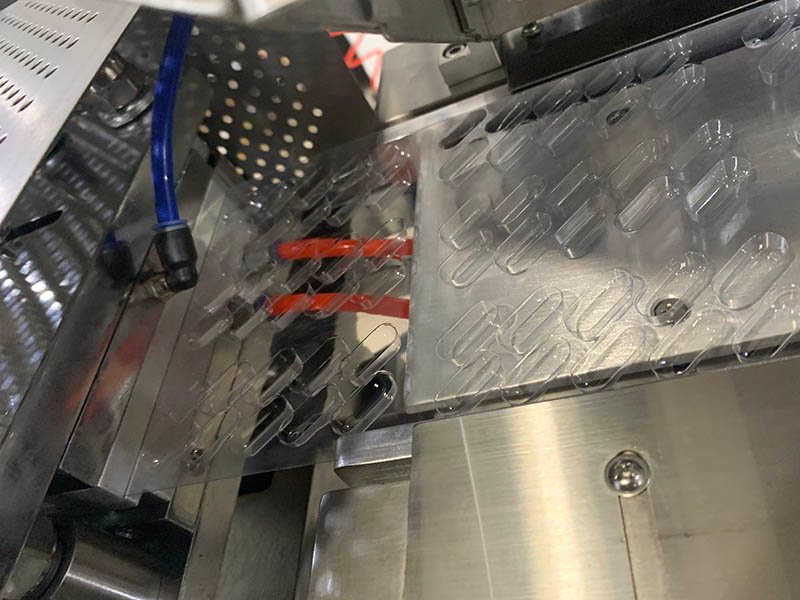
Product handling
Fragility, surface finish, filling condition, orientation and allowable contact marks influence the loading arrangement. Include representative product samples, not just a nominal piece size.
Pack layout and materials
Cavity geometry, web dimensions, lidding clearance and the approved material pair determine tooling and process work. A change in shape or material can require a different tool or another trial.
Loading and output
Specify accepted finished-pack output and the operator tasks that remain. Automatic feeding is a separate supply decision; a catalogue cycle rate does not establish usable chocolate-pack output. Use the higher-output project review to set that basis.
Format changes
Compare the number of approved pack formats, change parts, adjustment tasks and cleaning access. A low initial tooling scope may shift cost into later format additions and changeovers. For frequent short runs, review the small-batch selection inputs.
Inspection and controls
The selected detection points, reject logic, operator interface and line signals define the controls work. Request the function list and acceptance method for each supplied option.
Site and service scope
Utilities, room conditions, access, document language and onsite attendance can alter the project boundary. Separate equipment work from buyer-side building, utility and local compliance tasks.
Another chocolate shape
Recheck the approved cavity drawing, supports, loading orientation and required change parts. Compare the tooling sets and trial work added to the original quotation.
Automatic loading
Define what feeds the machine, what the operator still handles and how interruptions recover. Compare the supplied feeder, controls, rejection and trial scope, not only the automation label.
Downstream cartoning
Identify transfer height, pack orientation, buffering, signals and responsibility for each interface. Price the blister cartoning equipment and integration work separately from the blister platform. For a wider project, define a separate turnkey packaging scope.
Set the delivery boundary
An equipment quotation is one part of the installed project cost. Use the same handover point and service boundary when comparing offers; do not mix an equipment-only total with a delivered-and-installed total.
Before release
Agree the product and pack revisions, supplied equipment and tooling, acceptance criteria, document index and unresolved options. Tie the quotation revision to those agreed inputs.
Before dispatch
Define the agreed trial records, outstanding actions, export packing, handover documents and shipment-release conditions. Manufacturing completion and delivery to the buyer's site are different milestones.
At the destination
Allocate freight, clearance, unloading, positioning, utilities and site preparation. Confirm applicable import charges with the relevant freight or customs specialist; a generic percentage is not a project budget.
During handover
Record installation, training, acceptance, spares and service responsibilities. Payment method, milestone triggers, warranty scope and change procedures belong in the current written commercial terms.
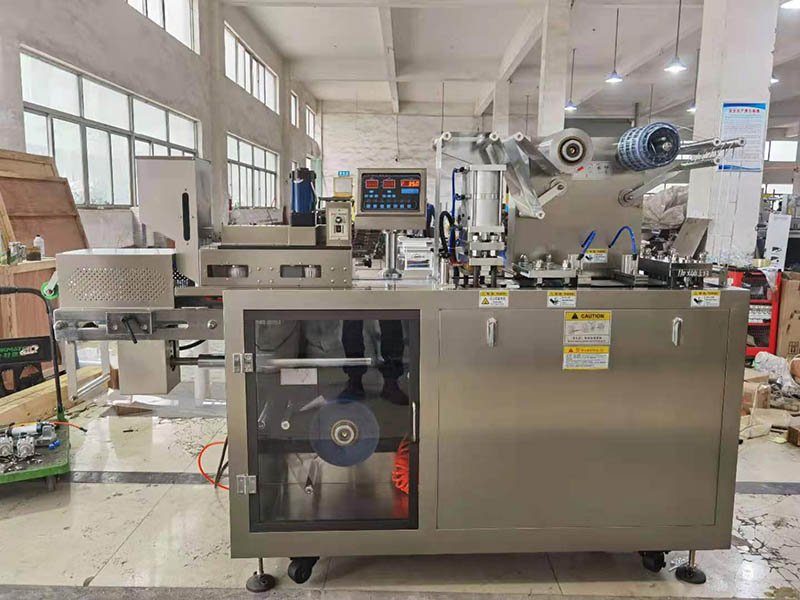
Budget for ongoing operation. Keep forming web, lids, trial waste, spare parts, cleaning, operator time and format-change work separate from the equipment purchase. Base quantities on the approved pack and actual operating plan, and identify supply terms for consumables and replacement parts.
Compare the evidence
Make the technical schedules comparable before selecting a supplier. Keep the evidence linked to the quoted product, pack, machine configuration and document revision.
Review HIJ Machinery's company background alongside the named equipment, documents and service scope, rather than comparing suppliers by country alone.

- Product and pack identity
- Product description, condition and representative samples; dimensioned pack drawing and material grades. These identify what the offer and trial actually cover.
- Tooling and change parts
- A tool list against each approved format, plus the adjustment and replacement parts included. Clarify which future formats require separate work.
- Acceptance record
- Agreed loading method, run duration, accepted packs, rejects, stops and product/pack checks. Keep machine-function tests separate from package-quality or material testing.
- Supply and service record
- Itemised equipment list, options, exclusions, drawings, document index and handover tasks. Use the same boundaries to compare headline totals.
Keep price changes traceable. If a drawing, material, loading method or delivery boundary changes, ask for the affected quotation lines to be revised rather than treating an earlier total as unchanged.
For a detailed format review, use the existing custom mould guide and packaging materials guide.
Quotation questions
Can existing tooling be reused?
Reuse depends on the tooling interfaces, web dimensions, cavity layout, sealing and cutting arrangement, condition and control requirements of the offered machine. Provide the current drawings and tool identification for an interface review. A tool used on another machine is not automatically interchangeable.
What if the pack changes after quotation?
Send the revised drawing or material specification with its revision reference. Ask which tooling, loading, controls and trial items change, then agree a revised technical and commercial schedule before approving that change.
Can cartoning be purchased later?
It can be treated as a separate procurement stage, but first define pack orientation, transfer height, buffering, line signals and interface ownership. A blister-machine quotation by itself does not establish the performance or supply scope of a future combined line.
Which figures should I approve?
Ask for one revision-controlled quotation that identifies the applicable equipment schedule, drawings, acceptance criteria and agreed deviations. Resolve conflicting figures in writing before approval. Website examples are not a substitute for the project's agreed configuration.
Request your quotation
Share your existing product and pack specification. If you already have a URS or supplier quote, reference that document and highlight only changes, exclusions or unresolved decisions.
HIJ can then discuss an itemised equipment, tooling, trial and delivery scope for your chocolate packaging project.