
Small-batch chocolate packing
Configure chocolate blister packing equipment around your batch sizes, format changes, operator tasks and available workspace.
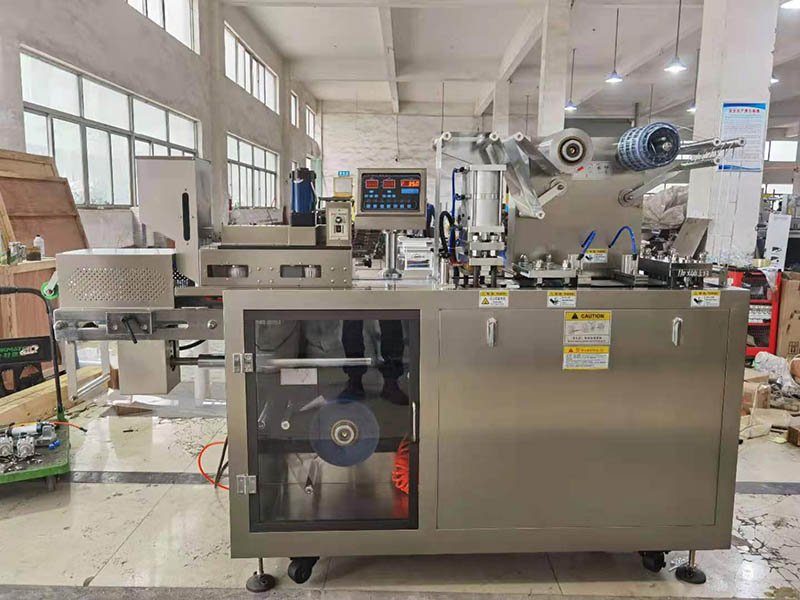
Choose a batch pattern
A chocolate blister packing machine for small business should fit the product, pack and daily operating routine. Monthly volume alone does not describe the job: a repeat format and a sequence of short, changing orders place different demands on the equipment and team.
Start with representative chocolates, a pack drawing and the number of formats you intend to run. Review product size, surface condition and orientation alongside the cavity layout, forming web and lid. The chocolate machine range explains the wider equipment route.
Repeat one format
Keep a defined product, cavity layout and material pair together. Review loading, replenishment, pack checks and discharge over the planned batch rather than a brief machine demonstration.
Record the batch quantity, accepted finished packs, stops and manual tasks. If sustained output is the main purchasing question, use the high-speed production review to compare the run records on a consistent basis.
Frequent format changes
List the product and pack revisions that change between orders. Identify the tooling, change parts, material rolls and settings associated with each one, then include preparation, cleaning and first-pack checks in the batch plan.
Agree where change parts will be stored and who confirms the new format before production resumes. The custom mould guide supports the drawing and tooling discussion; it does not establish a universal changeover time.
Assorted chocolates
Define the position and count of each chocolate shape in the pack. Review the smallest and largest pieces, surface condition and how the operator or offered feeder presents each piece to its cavity.
Agree how an incomplete assortment is found and handled, and keep product replenishment organised for the selected layout. A trial with one shape is not a substitute for reviewing the intended assortment.
Plan the operator work
Build the crew plan from the tasks that happen together. Assign the loading, replenishment, checking and discharge work for the proposed setup before deciding whether one person can cover a batch.
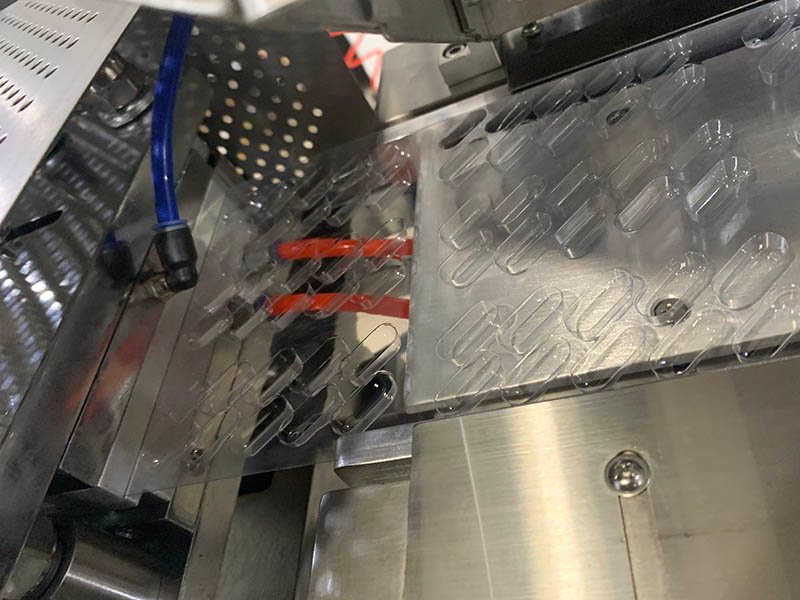
Prepare the batch
Identify the current product, pack drawing, tooling and material grades. Include startup checks, available supplies and the person authorised to release the first acceptable packs. Keep instructions and setting records accessible to the people doing the work.
Present the chocolates
Define orientation, cavity positions and the tasks left to manual loading. Review how product is brought to the loading area without obstructing access, and how surface marks, sticking or broken pieces are handled during the agreed trial.
Replenish and check
Allocate product, film and lid replenishment alongside pack checks and fault response. Review which activities overlap with production and which need a planned stop. An automatic forming or sealing step does not remove every manual task.
Collect finished packs
Agree the discharge position, collection containers and treatment of rejected packs. Include counting, order separation and transfer to the next operation. Review any blister cartoning interface separately rather than assuming it is included with a small machine.
Stop and restart
Name the person responsible for alarms, short stops and restart checks. Record the handling of packs left in the equipment and the checks needed before continuing the order. Compare the proposed crew plan during the actual loading and collection arrangement.
Change formats cleanly
Treat a format change as part of the production schedule. The task includes preparation and release checks as well as replacing the physical parts.

Before the change
Keep the next product, pack drawing, material specification and identified change parts ready. Plan product clearance and cleaning responsibilities, including which areas must be accessed. Assign trained personnel and follow the supplied isolation and change-part instructions.
During the change
Record the tooling and adjustment parts fitted for the new format. Confirm the required settings against the approved record, and check the forming-web and lid arrangement. Use the supplied instructions for cleaning, assembly and access rather than assuming every platform changes in the same way.
Release the next batch
Review the first complete packs for product position, cavity shape, sealing area, print or cut alignment and the agreed quality checks. Identify who approves restart and retain the format and setting references with the batch record. The packaging materials guide supports the web and lid discussion.
Fit the working area
Plan the whole working area around the proposed layout. The machine's base dimensions do not include every space needed for people, open guards, material rolls, cleaning or service access.
| Layout item | What to confirm |
|---|---|
| Access and service | Check the proposed layout, access points and maintenance clearances against the room. Include the delivery route, doors, turns and handling plan before approving installation. |
| Materials and packs | Allow for incoming chocolates, film and lid rolls, change parts, rejected packs and finished-pack collection. Keep these movements clear of the operator's working and access areas. |
| Site supply | Confirm the offered electrical supply and any air, cooling or other service requirements from the equipment schedule. Allocate connection, isolation and site-preparation responsibilities; do not assume an existing outlet or compressor is sufficient. |
| Product conditions | Define how chocolate reaches the loading area and is held between batches. Review the product's surface and handling condition with the pack materials and process window during the agreed trial. |
Use the supplier's layout and utility schedule for the actual installation. Approve the machine position, access routes and utility connections together.
Define the supply scope
Ask for an itemised quotation linked to the product, pack formats, batch plan and site information. Use the chocolate machine price and quotation page to compare the same commercial scope.
First production format
Identify the offered platform, first tooling set, loading arrangement, checks and discharge equipment. Agree the representative product and materials, trial window, accepted-pack criteria and the records required for review.
Future formats
Separate additional tools, change parts, spare parts and possible loading upgrades from the first format. Record the interfaces and information needed to review them later; a future upgrade is not automatically included in the original scope.
Handover and support
List the supplied drawings, operating instructions, training tasks and service responsibilities. Review HIJ's company background and service and support scope alongside the offered equipment and documents, rather than relying on a generic warranty or training promise.
Small-batch questions
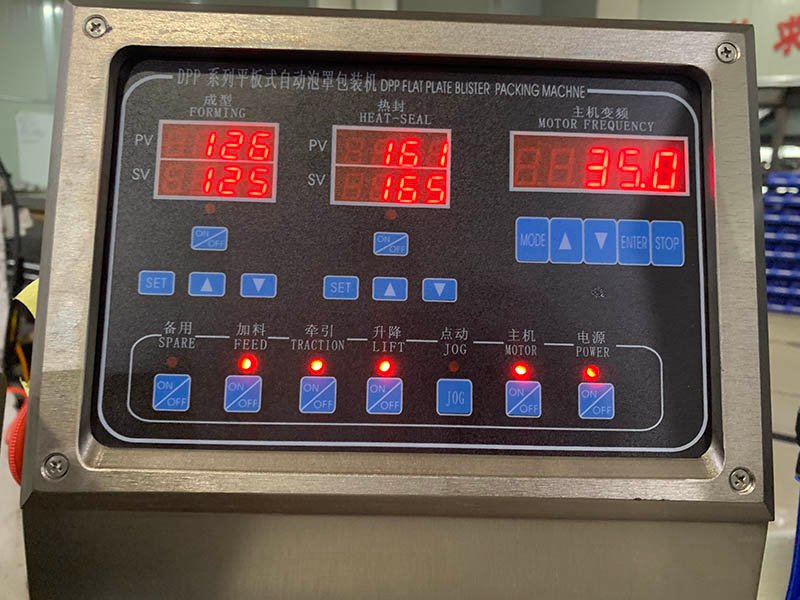
Can I use preformed trays?
Confirm whether the offered setup forms cavities from roll stock or loads and seals purchased trays. Tray size, support, lid handling and sealing interfaces must be reviewed separately; a web-forming machine is not automatically a tray sealer.
Can seasonal tooling be stored?
Keep the tool identity, pack drawing revision and setting records together. Follow the supplied storage and maintenance instructions, protect the working surfaces and confirm tool condition before reuse. Storage does not remove the need for first-pack checks when a seasonal format returns.
Can loading be automated later?
Treat it as a defined upgrade review. Check machine space, product presentation, timing, controls, guarding and the output target before agreeing the feeder scope. Keeping an interface drawing helps that review, but does not guarantee that any future feeder will fit.
Discuss your batch setup
Send your existing product and pack specification with the batch pattern and planned site. Reference the current revision and highlight only decisions still open.
HIJ can review the equipment, tooling, site and trial scope for an itemised quotation.