
Feeding Technology Compared
Servo vs Pneumatic Syringe Feeding
A data-driven comparison of servo-driven and pneumatic feeding systems for syringe blister packaging — placement accuracy, damage rates, cost, and which technology delivers better ROI.
Servo
±0.2mm
vs
Pneumatic
±0.8mm
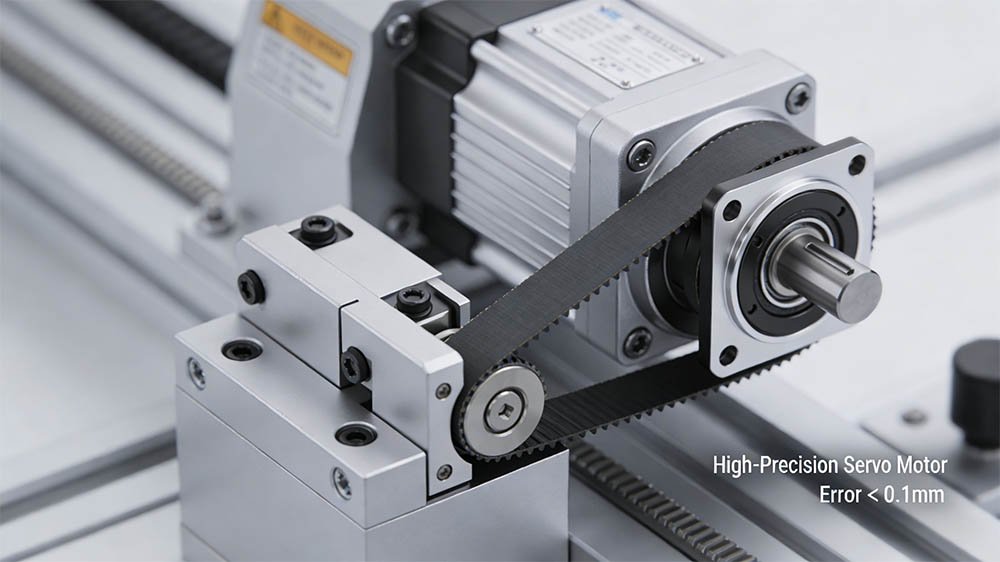
Servo or Pneumatic Feeding: Which Is Better?
For syringe blister packaging, servo-driven feeding outperforms pneumatic feeding in nearly every metric that matters. Servo systems deliver ±0.2mm placement accuracy versus ±0.8mm for pneumatic, reduce syringe damage rate from around 0.8% to under 0.05%, and maintain consistent performance regardless of air pressure fluctuations on the production floor.
Pneumatic feeding remains cheaper to purchase and is acceptable for low-speed, low-value disposable syringe runs. But for high-speed production, prefilled syringes, or any operation where syringe damage is costly, servo-driven feeding pays back its premium within months through reduced waste. The HIJ-260S uses servo-driven multi-track feeding as standard.
Side-by-Side Data
Servo vs Pneumatic: Complete Comparison
Objective performance data across the metrics that determine your line's yield, uptime, and total cost of ownership.
| Metric | Servo-Driven | Pneumatic |
|---|---|---|
| Placement Accuracy | ±0.2 mm | ±0.8 mm |
| Syringe Damage Rate | < 0.05% | ~0.8% |
| Speed Consistency | ✓ Independent of air pressure | ✗ Varies with line pressure |
| Max Throughput | 6,000+ packs/hr | ~3,000 packs/hr |
| Changeover (Recipe-Based) | ✓ < 5 min, stored recipes | ✗ Manual re-adjustment |
| Glass PFS Compatibility | ✓ Gentle controlled force | ✗ Risk of breakage |
| Energy Efficiency | Higher (electric) | Lower (continuous air) |
| Maintenance | Low (fewer wear parts) | Higher (seals, valves) |
| Purchase Cost | Higher upfront | Lower upfront |
| Total Cost of Ownership | ✓ Lower over 3 years | ✗ Higher (waste + downtime) |
How Each Works
The Technology Behind Each System
Understanding the mechanics explains why servo feeding consistently outperforms pneumatic in precision applications.
Recommended
Servo-Driven Feeding
Electric Precision
Servo motors use closed-loop electronic control with encoder feedback to position syringes with exact, repeatable accuracy. Each movement is precisely programmed and verified in real time, independent of external conditions.
Advantages
- ±0.2mm repeatable accuracy
- Recipe-based instant changeover
- Gentle force control for glass PFS
- Consistent at any speed
- Minimal wear parts, low maintenance
Trade-off
- Higher upfront cost (recovered via waste savings)
Pneumatic Feeding
Air-Powered Economy
Pneumatic systems use compressed air cylinders to push syringes into pockets. Movement depends on air pressure, which fluctuates with factory demand, temperature, and compressor cycling — causing variable placement.
Advantages
- Lower purchase cost
- Simple, well-understood technology
- Adequate for low-speed disposable runs
Disadvantages
- ±0.8mm accuracy, position drift
- ~0.8% syringe damage rate
- Speed varies with air pressure
- Risk of breaking glass PFS
- Higher maintenance (seals, valves)
The Real Cost
Why Servo Wins on Total Cost
The pneumatic system's lower purchase price is offset by syringe waste. Here's the math for a typical line running 6,000 syringes/hour.
Annual Waste Comparison (6,000 syringes/hr, 16 hrs/day, 300 days)
Metric
Pneumatic
Servo
Annual syringes processed
~28.8M
~28.8M
Damage rate
0.8%
0.05%
Syringes wasted/year
~230,000
~14,400
Waste cost (@ $0.20/syringe)
~$46,000
~$2,900
Annual Savings with Servo
~$43,000 / year
From reduced syringe waste alone — before counting downtime and rejected-batch savings
Which Should You Choose?
Decision Guide
Choose Servo If...
- You package prefilled syringes (PFS)
- You handle fragile glass syringes
- You run high-speed production (4,000+ packs/hr)
- Syringe cost is high (biologics, vaccines)
- You need fast format changeover
- You want lowest 3-year total cost
Pneumatic May Suffice If...
- You run only low-volume disposable syringes
- Budget is the absolute top priority
- Speed requirements are under 2,000 packs/hr
- Syringe cost is very low
- You rarely change syringe formats
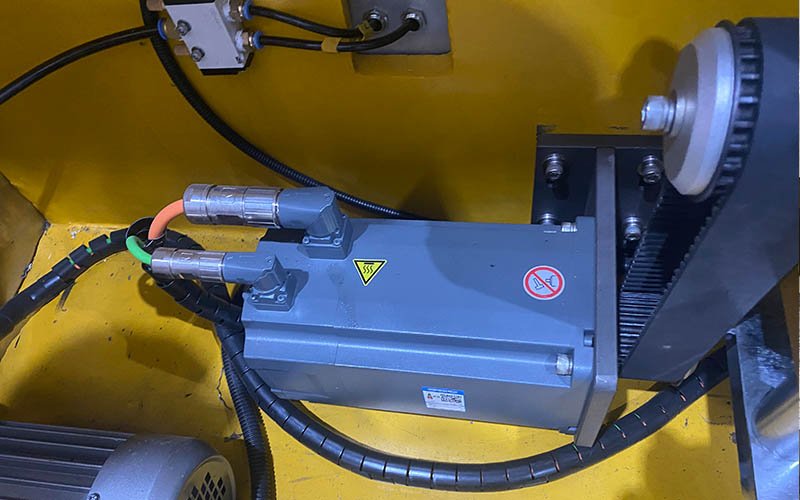
Servo as Standard
HIJ-260S Uses Servo-Driven Feeding
We build the HIJ-260S syringe blister packing machine with servo-driven multi-track feeding as standard — because at scale, the waste savings make it the obvious choice for serious producers.
- ±0.2mm servo placement accuracy
- <0.05% syringe damage rate
- Recipe-based changeover under 5 minutes
- Gentle force control for glass PFS
- Siemens servo drives, low maintenance
Engineer's Insights
What 20 Years of Installations Taught Us
Beyond the spec sheet, these are the real-world factors that determine which feeding system serves you best.
Air Pressure Isn't Constant
Pneumatic accuracy drops when multiple machines draw air simultaneously, or when compressors cycle. Servo systems are immune to this — a major reason pneumatic lines see inconsistent quality across shifts.
Glass PFS Demand Servo
For glass prefilled syringes, pneumatic force is too blunt — breakage rates become unacceptable. Servo's controlled force ramp is essentially mandatory for high-value glass PFS packaging.
Changeover Time Adds Up
Pneumatic systems need manual re-adjustment for each syringe size. Servo recipe storage cuts changeover from 30+ minutes to under 5 — huge for contract packagers running diverse orders.
Maintenance Is Hidden Cost
Pneumatic cylinders, seals, and valves wear and leak, requiring regular replacement. Servo systems have fewer wear parts, lowering both maintenance cost and unplanned downtime.
Energy Costs Favor Servo
Generating compressed air is energy-intensive and often leaks. Electric servo drives consume power only during motion, cutting energy cost meaningfully over a machine's lifetime.
The Break-Even Is Fast
For most production volumes above 2 million syringes/year, servo pays back its premium in under 12 months through reduced waste alone — making it the lower-cost option over the machine's life.
Feeding System FAQ
Common Questions on Syringe Feeding Systems
Is servo feeding always better than pneumatic?
For precision, glass PFS, high speed, and high-value syringes — yes, servo is clearly superior. For low-volume, low-value disposable syringe runs where budget is the top priority and speed is under 2,000 packs/hour, pneumatic can be a reasonable economy choice. But for most serious production, servo's lower waste makes it the better long-term value.
How much more does a servo feeding system cost?
Servo-driven feeding typically adds $8,000–$20,000 to the machine price versus pneumatic, depending on the number of axes and tracks. However, for a line processing 2+ million syringes/year, the reduced waste (from 0.8% to under 0.05% damage) usually recovers this premium within 6–12 months.
Why does pneumatic feeding damage more syringes?
Pneumatic cylinders apply force as a relatively blunt push, and the force varies with air pressure fluctuations. This causes position drift and inconsistent insertion force, which crushes or misaligns syringes — especially fragile glass barrels. Servo motors apply precisely controlled, repeatable force with a gentle ramp profile.
Can a pneumatic machine be upgraded to servo later?
Retrofitting pneumatic to servo is technically possible but rarely cost-effective — it requires new motors, drives, controllers, and recalibration, often costing more than the original price difference would have. It's far more economical to specify servo feeding at the time of purchase if you anticipate needing it.
Does servo feeding require more maintenance?
No — the opposite. Servo systems have fewer wear parts than pneumatic systems, which rely on seals, valves, and cylinders that wear and leak over time. Servo drives mainly require periodic inspection and occasional encoder checks, resulting in lower maintenance cost and less unplanned downtime.
What feeding system does the HIJ-260S use?
The HIJ-260S uses servo-driven multi-track feeding as standard, delivering ±0.2mm placement accuracy and under 0.05% syringe damage. It supports gentle force control for glass prefilled syringes and recipe-based changeover under 5 minutes. This is a core reason customers choose it over lower-cost pneumatic alternatives.
Spec the Right Feeding System for Your Line
Tell us your syringe type, production volume, and budget. Our engineers will recommend the optimal feeding configuration and show you the real ROI math for your specific case.