
Syringe Blister Packing Machine Price Guide
Compare the cost of the equipment scope your syringe project needs: platform, format tools, loading, inspection and downstream transfer. Build a usable budget from an itemized quotation, site costs and your own accepted-output assumptions.
Start with a syringe or pack drawing and target output. Ask HIJ for the current price, included equipment and open technical decisions.
How much does a syringe blister packing machine cost?
Request a current quotation for the specified syringe, pack, loading route and output. A standalone blister platform, a custom syringe-loading system and an integrated blister-cartoning line have different purchase boundaries, so one universal price is not a useful project budget.
Identify the required configuration
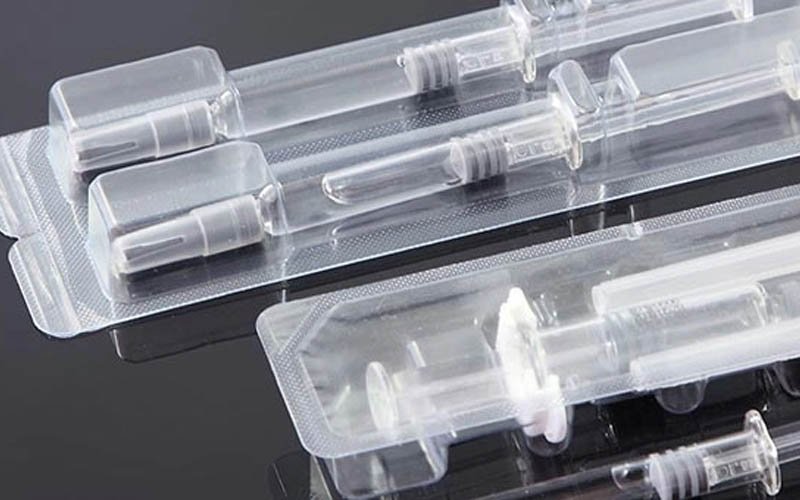
Specify whether the product is an empty assembled syringe, an accessory kit or an already filled and closed PFS. Provide assembled dimensions, units per blister and the intended pack. These inputs establish the tooling and handling discussion.
Ask for an itemized price
Request separate identification of the machine, format tools, loading, inspection, interfaces, trial scope and support. Confirm the currency, quotation validity, payment terms, delivery basis and exclusions in the supplier response.
Compare the installed project
Add the agreed transport, destination, site preparation, installation and qualification responsibilities to the equipment scope. Compare the same accepted output and product/pack requirements before choosing between offers.
Identify whether a number is an early budget estimate, a quotation for a defined configuration or a contracted price. Record the assumptions and validity date. A material change, added format or revised loader can require an updated technical scope and commercial response.
Compare three syringe blister equipment scopes
Use a scope table before requesting a price. Confirm every included function explicitly; the scope names below do not establish a standard feature package or a fixed price tier.
| Purchase scope | What to define | Why the quotation changes |
|---|---|---|
| Blister platform and format tools | Forming, sealing, cutting, traction, coding and the nominated production tools; manual tasks or fixtures. | Product and pack dimensions, material, tool count and the supplied stations. |
| Blister system with syringe loading | Incoming presentation, orientation, contact points, supply/replenishment, automatic or assisted loading and inspection. | Custom handling, accessories, sensors, trial work and the agreed accepted output. |
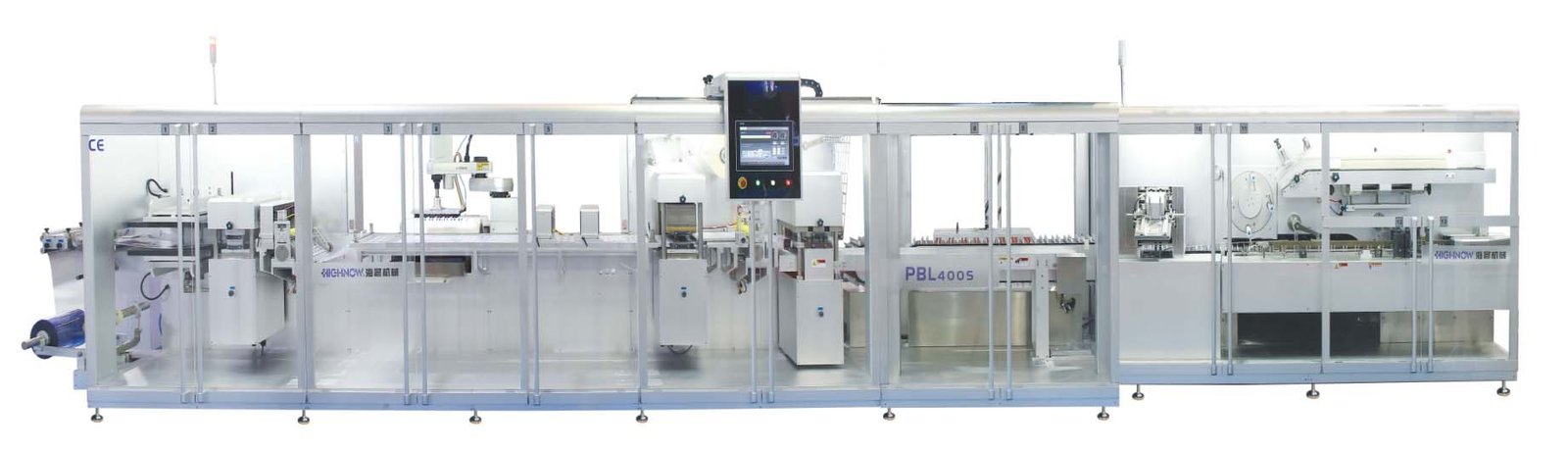
| Integrated blister-cartoning line | Blister system plus transfer, buffers, carton/leaflet handling, coding, rejects and line handshakes. | Additional equipment, interfaces, final-output boundary and commissioning scope. |
For product-specific engineering, review the empty disposable syringe and accessory route or the prefilled syringe blister packaging route. Their drawings and handling requirements should travel with the price request.
Compare configurations for my syringeWhat determines the final syringe blister machine price?
The price follows the work needed to deliver the agreed package and output. Ask how each proposed option addresses your requirement and whether it is included, optional or outside the supplier scope.
Product geometry and format tools
A longer assembly, larger flange, needle shield or accessory pocket changes the cavity and tool layout. Additional formats can add forming, sealing, cutting, guide and loading parts. Identify the whole format family before comparing the tool allowance.
Loading and incoming supply
Manual placement, fixture-assisted loading, tray transfer and custom automatic feeding involve different equipment and operator tasks. Specify the component presentation and handling limits. An automatic forming platform does not establish that syringe feeding is included.
Material and opening method
The forming web, lidding, coating, cavity draw and opening design influence tools and sealing trials. Confirm the material system rather than pricing an undefined promise to run PVC, Alu-Alu, medical paper or Tyvek on every configuration.
Inspection and reject control
Name the missing-product, accessory, orientation, code or pack defects that must be checked. Sensor/camera scope, challenge samples, tracking and reject handling belong in the quotation. A generic vision label does not define the accepted capability.
Accepted output and line interface
Higher required output can change loading, tool layout, buffering and downstream transfer. Define packs versus syringe pieces and the counting location. An integrated cartoner adds equipment and final-output responsibilities that a blister-only price does not include.
Documents and project services
Agree drawings, manuals, test records, qualification support, record functions, training and installation. List deliverables and exclusions. Do not infer a validated control system or a full qualification package from a PLC brand or a regulatory badge.
Use model data to frame the scope, then request the price
The supplied equipment files support platform and project discussions. They do not establish a current price list for all syringe configurations or a universal commercial package.
| Reference route | What the equipment source describes | Price-request boundary |
|---|---|---|
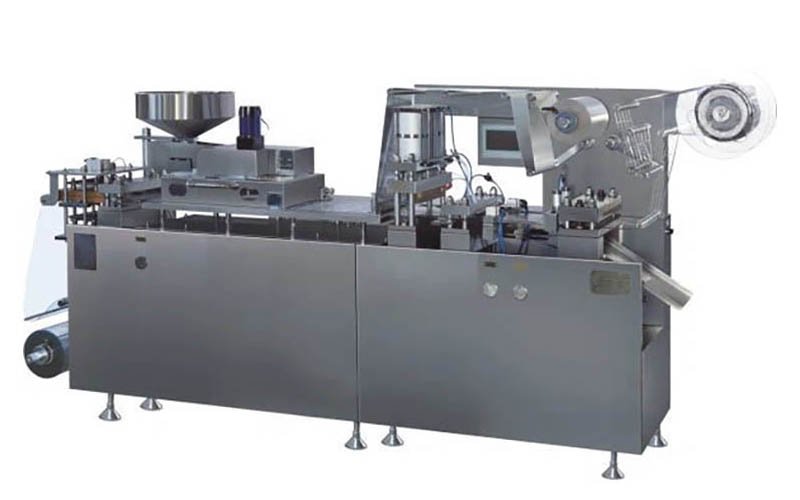
| DPP-260/360K platform | Flat-plate blister reference; 245 × 112 mm forming area; standard Alu/PVC reference blanking speed of 40 cycles/min. | Confirm product/pack fit, model suffix, tools, material and separately specified syringe loading. |
| DPP site reference | 11 kW total power; 4470 × 1100 × 1740 mm; approximately 0.25 m³/min compressed-air flow in the source. | Obtain the final utilities and layout including auxiliaries, loader, discharge and maintenance space. |
| PBL-400S/400SF project | Glass-PFS and ampoule PVC/ALU blister/cartoning project with an 8,000 pcs/h target. | Quote the actual integrated scope and verify the output unit; the project target is not a universal blister-packs/h result. |
Ask the response to identify which source/model reference applies and what changes for your product. Platform cycle counts and project requirements are not measured accepted-output guarantees. The catalog tablet/capsule feeder is not evidence of a supplied syringe loader.
Use the syringe blister packing machine overview for platform fit and the blister-cartoning equipment page when the purchase boundary extends to cartons.
Compare supplier quotations on the same equipment scope
Prepare one requirement list and ask each supplier to respond against it. Leave unresolved items visible rather than comparing totals that include different assumptions.
| Quotation line | Question to resolve | Evidence or commercial detail |
|---|---|---|
| Machine and format tooling | Which platform, stations and production formats are supplied? | Model suffix, layout, approved pack drawings and tool list. |
| Product handling | Who supplies incoming trays, fixtures, replenishment and component placement? | Loading concept, contact points, operator tasks and representative trial. |
| Inspection and rejection | Which nominated defects are checked and how are rejects tracked? | Function list, challenge method and acceptance criteria. |
| Material and utilities | Which web/lidding combination and site services are assumed? | Material schedule, utility schedule and included auxiliaries. |
| Interfaces and discharge | Does the quote stop at the blister exit or include the cartoner? | Buffer/transfer scope, signals, count boundary and responsibility list. |
| Trial, documents and services | Which FAT, manuals, training and installation tasks are included? | Named deliverables, planned test format, exclusions and service terms. |
| Commercial basis | What currency, validity, delivery basis and payment milestones apply? | Written quotation terms and separately priced options. |
Keep quotation revisions tied to the current drawing, format list and acceptance plan. Adding an accessory loader, another cavity format or a downstream line interface can change both the price and testing schedule. Record the final included configuration before placing the order.
Build the total project budget beyond the machine price
Use the quotation delivery basis and the destination/site plan to identify costs that sit outside the equipment total. Obtain current estimates from the responsible parties; this guide does not assign universal freight, duty or installation amounts.
Equipment, tools and agreed options
Include the supplied platform, production formats, loader, inspection and any cartoner. Identify whether auxiliaries, spare parts, trial materials and additional tooling are included in that total or priced separately.
Transport and destination costs
Clarify packing, transport, insurance, destination handling, customs and taxes according to the agreed commercial terms. Name the destination and who arranges each item. Avoid counting the same freight or insurance allowance twice.
Site preparation and startup
Review electrical, air, cooling, floor/layout access and any connected equipment work. Allocate installation, training, startup material, qualification support and customer site testing. Agree travel and service-cost treatment before budgeting.
Record the currency and conversion assumptions if costs arrive in several currencies. State which taxes are included or recoverable in the customer’s own budget. A change to destination, delivery terms or site scope requires a corresponding budget review.
Estimate operating cost per accepted syringe pack
Use costs and accepted packs from the same period. Compare the same product, quality criteria and production volume when evaluating a new configuration against your existing process.
| Operating input | Include in the comparison | Keep the measurement consistent |
|---|---|---|
| Packaging material | Forming web, lidding, layout utilization, setup material and rejects. | Actual material spend for the defined accepted packs. |
| Staffed production | Loading, accessory replenishment, inspection, discharge packing and routine change tasks. | Actual hours and the customer’s applicable labor costs. |
| Utilities and upkeep | Energy, air/cooling, consumables, wear parts and planned maintenance. | Comparable cost period and included operating scope. |
| Batch and format mix | Run lengths, format changes, startup material and routine replenishment. | The planned production mix, not only the easiest format. |
| Accepted output | Finished blisters or completed cartons at the defined discharge. | Same counting unit, test boundary, rejects and elapsed time. |
Name the cost categories included in the numerator. Keep capital investment separate from operating cost unless your own model explicitly allocates it. Do not divide a full-kit cost by syringe units and compare it with a blister-only figure.
Compare your operating-cost assumptions
Enter your own investment, annual costs and accepted annual pack count. Use an itemized supplier quotation and a consistent production baseline to develop the inputs.
Your comparison
Enter all four inputs to view the illustration.
- Estimated annual operating saving
- —
- Baseline operating cost per accepted pack
- —
- Proposed operating cost per accepted pack
- —
- Simple payback illustration
- —
This arithmetic uses your assumptions. It excludes financing, tax effects, discounting and changes in demand, and does not predict actual production savings or project returns.
Estimated annual saving is baseline cost minus proposed cost. Each cost per pack divides the annual cost by the common accepted annual pack count. Simple payback divides incremental investment by a positive annual saving. With zero or negative saving, the illustration shows no payback from operating savings. Values stay in this page and are not submitted.
Use accepted output to support the investment comparison
A price comparison becomes useful when the output assumptions refer to the actual format, loading and quality boundary. Request the supplier’s test plan and identify what has been demonstrated and what remains an estimate.
Define the counting location
State syringes per blister and blisters per carton. Measure accepted packs at the agreed discharge over the agreed elapsed test time. A machine-cycle counter or project pieces/h requirement is not a substitute for final accepted-pack evidence.
Include normal production work
Agree the test treatment of loading/replenishment, staffing, material changes, stops and rejected packs. Include the expected batch mix and format changes in the customer’s annual model instead of extrapolating one short demonstration without qualification.
Review downside assumptions
Consider lower incoming supply, slower accessory placement, additional tooling, startup rejects or reduced demand where relevant. Revise the operating comparison when a trial changes the assumptions; retain the evidence and the model date.
The syringe blister machine process guide helps identify station boundaries. Ask which operation limits sustained output in the quoted configuration.
Price the acceptance scope before approving the purchase
Agree what the supplier demonstrates and what the customer performs at the site. A clear test and document list helps prevent different expectations about startup, qualification and included support.
Product, material and tool trial
Name the syringe/kit samples, production pack, forming web and lidding. Agree fit, retention, handling defects, seal/opening checks and any customer tests. Identify approved substitutes and the limits of what they demonstrate.
Run and challenge evidence
Agree accepted-output units, elapsed time, staffing and materials. Include nominated missing/misplaced component challenges, reject tracking and stop/restart tests. Record results and open issues against the purchase criteria.
Handover and continuing support
List drawings, manuals, configuration/tool lists, training, spares and the support contact/process. Agree any qualification documents, record functions, warranty terms and on-site responsibilities explicitly rather than assuming standard inclusion.
Use the syringe blister machine URS guide to collect requirements. Ask for the project delivery schedule after the configuration and trial scope are agreed, then connect payment and acceptance milestones to the written commercial terms.
Discuss trial and quotation responsibilitiesResolve these questions before comparing the final totals
A smaller initial equipment total can cover less tooling, loading or support. Identify the operational consequence of each exclusion and decide which tasks your site will provide.
Are the compared packs identical?
Check syringe state, accessory count, materials, cavity drawing, formats and accepted output. If the products or loading responsibilities differ, revise the comparison table before assessing the price difference.
Are optional functions necessary?
Connect each proposed option to a named requirement and acceptance method. Confirm whether a camera, extra format, cartoner or record function is required for this project, and request its separate scope and price.
Are site tasks and open items owned?
Assign utilities, incoming presentation, trial materials, destination arrangements, installation and customer validation. Keep unresolved decisions visible with the quotation revision so they can be settled before contract approval.
You do not need to finish every site document before the first discussion. Send the product and target output, then ask HIJ to identify the proposed configuration, missing inputs and next trial steps. Complete the scope before relying on a final price.
Syringe blister packing machine price FAQ
Answers about configuration, tooling, loading, installed costs and a comparable project quotation.
Is there one fixed syringe blister packing machine price?
Why can two syringe blister quotations have very different totals?
What should the base machine quotation identify?
Does automatic syringe loading always cost the same?
How does the number of syringe formats affect price?
Are PVC, Alu-Alu, medical paper and Tyvek options interchangeable?
Is an integrated cartoner included in the blister machine price?
Are installation, freight and destination charges included?
Does a PLC brand prove validated electronic records or full qualification?
How should operating cost per pack be calculated?
Does the cost illustration guarantee savings or a payback period?
What should I send to get a useful current price?
Send a short syringe blister quotation request
Begin with the product and purchase boundary. Ask for the current configuration and price together so the response can be reviewed by purchasing, production and quality teams.
Make the price request specific
Identify an empty syringe kit or an already filled assembly and explain how the components arrive. Include the desired finished pack and accepted output. If a cartoner is required, add that boundary to the inquiry.
Copy the outline and complete the details you have. Mark unresolved items for discussion. Copying does not send an inquiry, and the cost illustration above does not replace the supplier quotation.
Request a price for the configuration you need
Send the syringe and pack inputs to review tooling, loading, inspection and line boundaries. Ask HIJ for an itemized current quotation and the assumptions that need sample trials or site confirmation.
Start my syringe blister price discussion