
HIJ Factory · Cosmetic Packaging Machines
Wet Wipes Packaging Machine
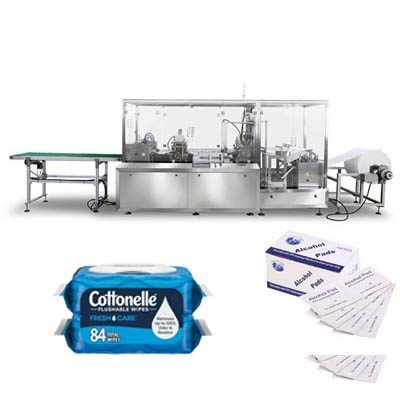
Fold, dose, fill and seal baby, makeup-remover and disinfecting wipes on one automatic line — built by HIJ, a dedicated wet wipes machine manufacturer.
CE & GMP Compliant
120+ Countries Served
Single & Multi-Pack
40–120Packs / Min
5–120Wipes / Pack
What It Is
What is a wet wipes packaging machine?
A wet wipes packaging machine is an automatic system that unwinds nonwoven fabric, folds and cuts it to a set wipe count, injects a metered dose of lotion or sanitizing liquid, then forms, fills and seals the finished pack — all in one continuous line. HIJ builds both single-piece (sachet) and multi-piece (5–120 wipes) wet wipes machines.
As an established wet wipes machine manufacturer, HIJ supplies servo-controlled lotion dosing, hygienic stainless construction and re-seal lid/label application for baby wipes, makeup-remover wipes, disinfecting and alcohol wipes. Each line runs standalone or as part of a complete turnkey cosmetic packaging line.
40–120Packs per minute
5–120Wipes per pack
±1%Lotion dosing accuracy
Single + MultiPack formats
Why HIJ
Engineered for fast, hygienic wet wipes production
Every HIJ wet wipes packaging machine balances throughput, accurate lotion dosing and clean, leak-free seals.
High-Speed Output
Servo-driven motion delivers 40–120 packs per minute, with high-speed single-piece sachet models for sampling runs.
Precise Lotion Dosing
Metering pumps inject the exact lotion or sanitizer volume per pack at ±1% accuracy — no dry or soggy wipes.
Adjustable Fold & Count
Z-fold or cross-fold with a set wipe count from 5 to 120 per pack, changed quickly from the touchscreen.
Lid / Label & Coding
Re-seal plastic lids or labels are applied automatically, with batch and expiry coding in the same cycle.
Hygienic Stainless Build
SUS304 frame and food-grade liquid path keep production clean and easy to sanitize between batches.
PLC + HMI Control
Touchscreen recipes store fold, count, dose and seal settings per product for fast, repeatable changeovers.
How It Works
From nonwoven roll to sealed pack in 5 steps
1
Unwinding & feeding
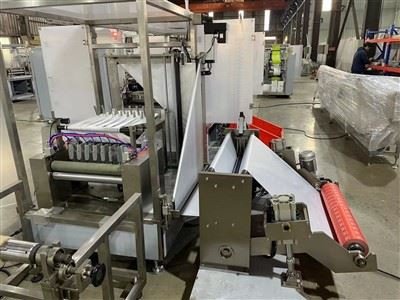
Nonwoven spunlace fabric is unwound and fed at controlled tension into the folding unit.
2
Folding & cutting
Z-fold or cross-fold forms the wipe, which is cut and stacked to the exact count per pack.
3
Lotion dosing
A metering pump injects the precise lotion or sanitizing liquid volume into the stack.
4
Bag forming & sealing
Film is formed around the stack and the pack is sealed airtight to lock in moisture.
5
Lid, coding & eject
A re-seal lid or label is applied, batch/date code printed, and the finished pack discharged.
Specifications
Wet wipes packaging machine specs
Representative parameters for the HIJ automatic line. Configurations are tailored to your wipe size, count and pack format.
| Output speed | 40–120 packs / minute (model dependent) |
|---|---|
| Wipes per pack | 5–120 sheets (adjustable) |
| Pack format | Single-piece sachet & multi-piece soft pack |
| Folding | Z-fold / cross-fold, servo controlled |
| Lotion dosing | Metering pump, ±1% accuracy |
| Lid / labeling | Re-seal plastic lid or label applicator |
| Coding | Batch number + expiry date |
| Control system | PLC + touchscreen HMI, recipe memory |
| Frame / liquid path | SUS304 stainless · food-grade contact parts |
| Power supply | 220V / 380V, 50/60Hz (customizable) |
| Compliance | CE · GMP-ready design |
* Final specs vary by wipe dimensions, fabric, pack count and required output. Ask for a spec sheet matched to your project.
Applications
One machine for every wet wipe
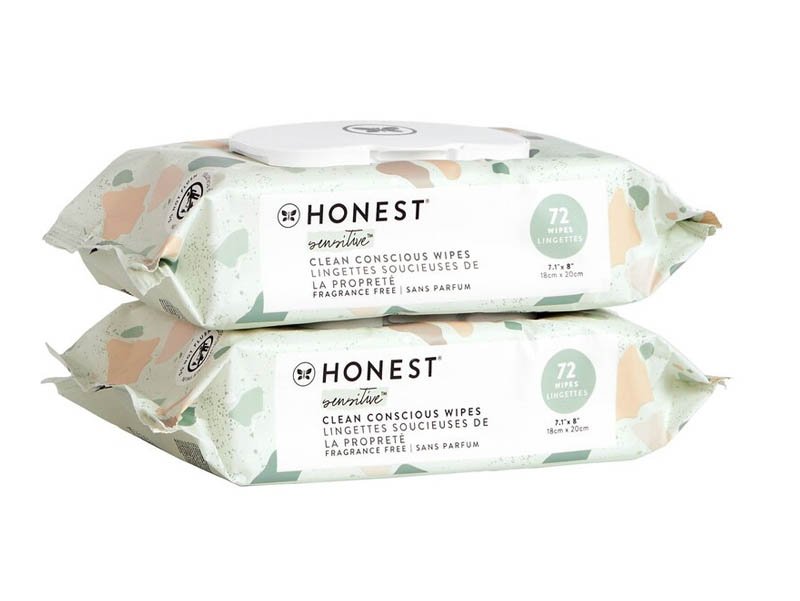
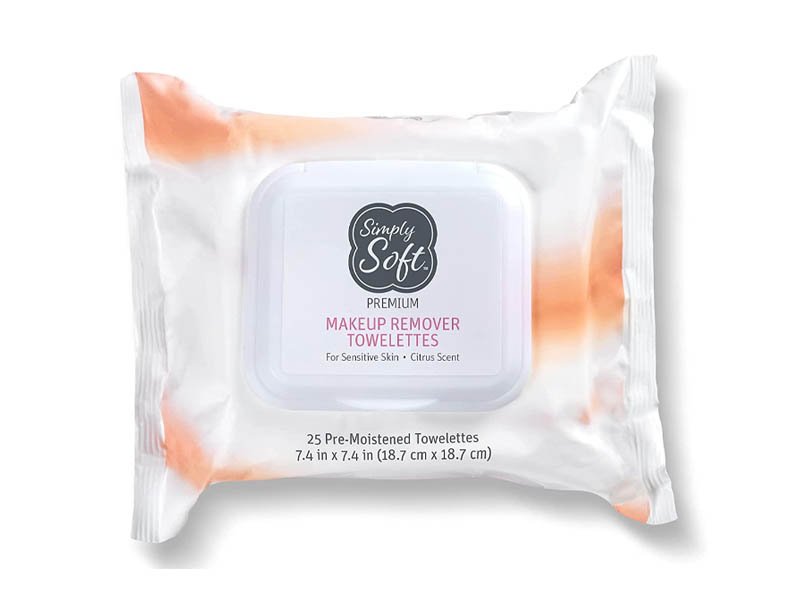
From gentle baby wipes to alcohol disinfecting wipes, the HIJ wet wipes packaging machine adapts fabric, fold, dose and pack to each product.
 Baby Wipes
 Makeup-Remover Wipes
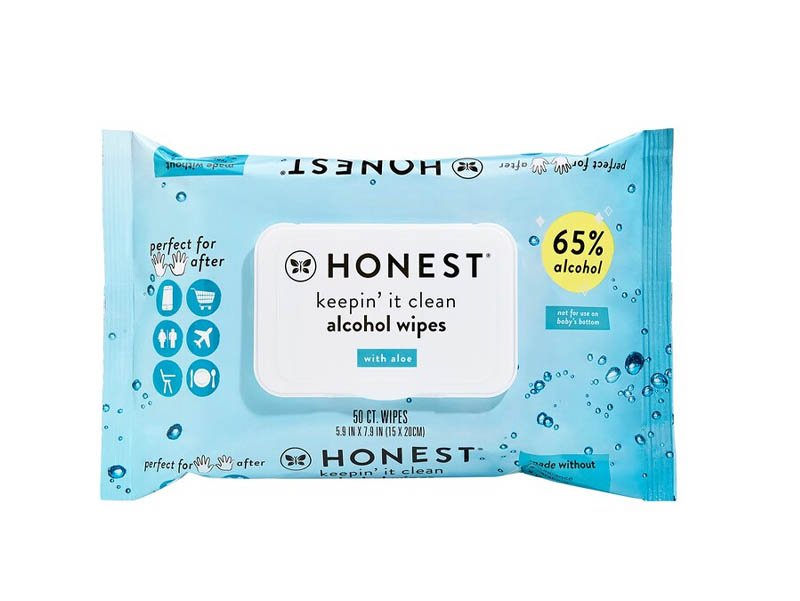 Disinfecting Wipes
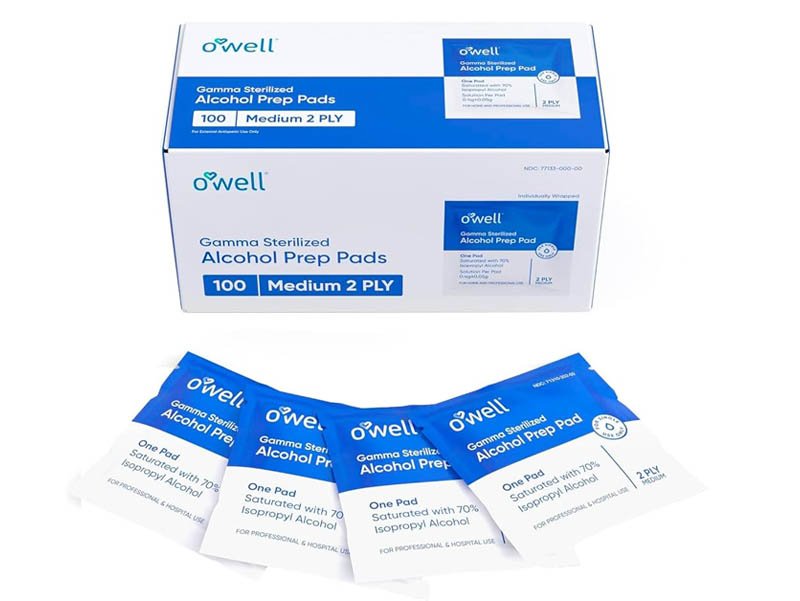 Alcohol Wipes
Machine Types
Single-piece, multi-piece or full line
Tell us your daily volume and pack style; as a wet wipes machine manufacturer, HIJ configures the right model — or a complete production line.
Single-piece (sachet) wipes machine
High-speed individual sachets ideal for hotels, restaurants, sampling and travel packs.
Multi-piece soft-pack machine
5–120 wipes per pack with re-seal lid for baby, makeup-remover and household wipes.
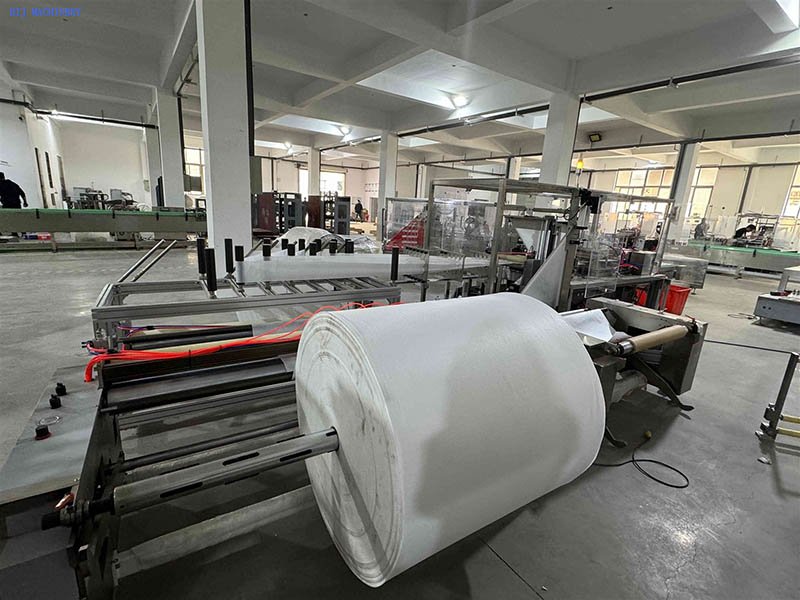
Turnkey wet wipes production line
Folding, dosing, packing, lid applying, cartoning and case packing integrated end to end.
Why Choose HIJ
A wet wipes machine manufacturer you can build with
HIJ designs, builds and exports wet wipes and cosmetic packaging machinery from our own factory — not a trading desk. That means direct engineering support, transparent pricing and a line tuned to your wipe, fabric and output.
- In-house R&D and production with full FAT before shipment
- Single-piece, multi-piece & complete turnkey wet wipes lines
- CE documentation and GMP-ready hygienic design
- Remote commissioning, video support and spare-parts kits
- Trusted by personal-care brands & contract manufacturers worldwide

Explore related cosmetic packaging machines
FAQ
Wet wipes packaging machine FAQs
What does a wet wipes packaging machine do?
It unwinds nonwoven fabric, folds and cuts it to a set wipe count, doses lotion or sanitizing liquid, then forms, fills and seals the pack in one automatic line. HIJ builds both single-piece and multi-piece wet wipes machines.
How fast is the machine and how many wipes per pack?
Output ranges from 40 to 120 packs per minute depending on the model, with 5 to 120 wipes per pack. High-speed single-piece sachet models run faster for sampling and travel packs.
What products can it package?
Baby wipes, makeup-remover wipes, disinfecting and alcohol wipes, antibacterial, household and pet wipes. Fold, count, lotion dose and pack size are all adjustable.
Is HIJ a wet wipes machine manufacturer or a trader?
HIJ is a manufacturer with in-house R&D and production. Machines are factory-tested (FAT) before shipment and backed by direct engineering support, remote commissioning and spare-parts kits.
Is the machine hygienic and CE compliant?
Yes. The frame is SUS304 stainless with a food-grade liquid path for easy sanitizing, the design is GMP-ready, and machines ship with CE documentation.
Can HIJ supply a complete turnkey wet wipes line?
Yes. The packaging machine integrates with lid applying, cartoning, case packing and coding for a full turnkey line. Request a free turnkey quote and HIJ engineers design the layout around your output.
Get your wet wipes packaging machine quote today
Tell us your wipe type, pack format and target output. As a wet wipes machine manufacturer, our engineers reply within one business day with a tailored, all-in turnkey quote — free, no obligation.
Reply within 1 business day · Your details stay confidential