Wet Wipes Materials · Packaging Engineering Guide
Compare film structures with supplier data, actual product stability and a verified sealing window—not a material name alone.
The short answer: no film family is automatically best
A wet wipe can fail even when the film data sheet looks strong. The converted package also depends on folds, seals, openings, print, storage, transport and the interaction between liquid and every material layer. Your approval process must test the finished pack with the actual wipe and formula.
For the equipment context, first review the wet wipes packaging machine range. This guide focuses on material selection and how that choice changes the machine specification.

Start with the product protection requirement
Write the protection requirement before choosing a film sample. The following inputs define what must be demonstrated:
Product inputs
- Liquid formula, volatile components and active ingredients.
- Liquid dose and wipe-to-liquid ratio.
- Nonwoven chemistry, folded dimensions and pack count.
- Required shelf life and acceptable product change.
- Opening, reclosure and consumer-use requirements.
Distribution inputs
- Temperature, humidity and light exposure.
- Transport vibration, compression and altitude where relevant.
- Retail display, e-commerce and case configuration.
- Target-market labeling and material claims.
- Collection, recycling or composting route claimed on pack.
How the main film approaches differ
The names below describe broad approaches, not one universal specification. Two films sold under the same family can use different layers, adhesives, coatings and sealants.
| Film approach | Why buyers consider it | What must be verified |
|---|---|---|
| Polyolefin-based structures | Flexible structures using PE, PP or related layers can support printing, sealing and common wet-wipe formats. | Exact layers, barrier, sealant, stiffness, chemical compatibility, recyclability claim and machine window. |
| Foil-containing laminates | A foil layer may be considered when the project needs stronger light, gas or moisture protection. | Pinholes, flex-crack risk, seal construction, laminate bond, metal detection implications and actual stability. |
| Coated high-barrier films | Coatings can add barrier without using a visible foil layer. | Barrier after printing and converting, coating durability, sealing surface and supplier consistency. |
| Paper-based or paper-look laminates | Used when appearance or fiber content is part of the pack brief. | Actual layer composition, barrier, seal layer, recyclability route, tear behavior and moisture response. |
| Mono-material designs | Designed to align more closely with a defined plastic recycling stream. | Local collection route, design-for-recycling criteria, barrier, stiffness, seal window and print system. |
| Compostable or biodegradable materials | May support a defined end-of-life strategy where suitable systems exist. | Applicable test standard, certification scope, disposal conditions, shelf life, barrier and machine performance. |
Terms such as recyclable, compostable and biodegradable are not interchangeable. Approve any pack claim against the intended market, test method and real disposal route.
Compare the technical data that changes pack performance
| Data point | Why it matters | Buyer question |
|---|---|---|
| Layer structure | Identifies the print, barrier, adhesive and seal layers. | What is the full structure and nominal tolerance? |
| Water-vapor transmission | Helps assess moisture loss under stated test conditions. | Which method, temperature, humidity and unit were used? |
| Oxygen transmission | May matter for formulas or ingredients sensitive to oxygen. | Which method and conditioning state were used? |
| Light protection | May be relevant for light-sensitive formulas or printed-pack requirements. | What transmission or opacity evidence is available? |
| Seal initiation and operating window | Defines the useful temperature, pressure and dwell range. | Is the window wide enough for the planned line rate and variation? |
| Seal strength and failure mode | Shows whether the seal resists handling without damaging consumer opening. | How are peel, burst, leak and channel failures evaluated? |
| Coefficient of friction and stiffness | Affect unwind, tracking, folding, forming and discharge. | Are values specified for the machine-facing surfaces? |
| Chemical compatibility | The liquid can affect layers, adhesives, inks and seals. | Has the actual formula been tested through the required shelf life? |
| Roll and print specification | Controls loading, registration and multi-lane geometry. | Are width, diameter, core, splice, winding and eye-mark data controlled? |
Never compare two barrier values without the test method and conditions. A lower number from one data sheet may not be directly comparable with another result measured under different conditions.
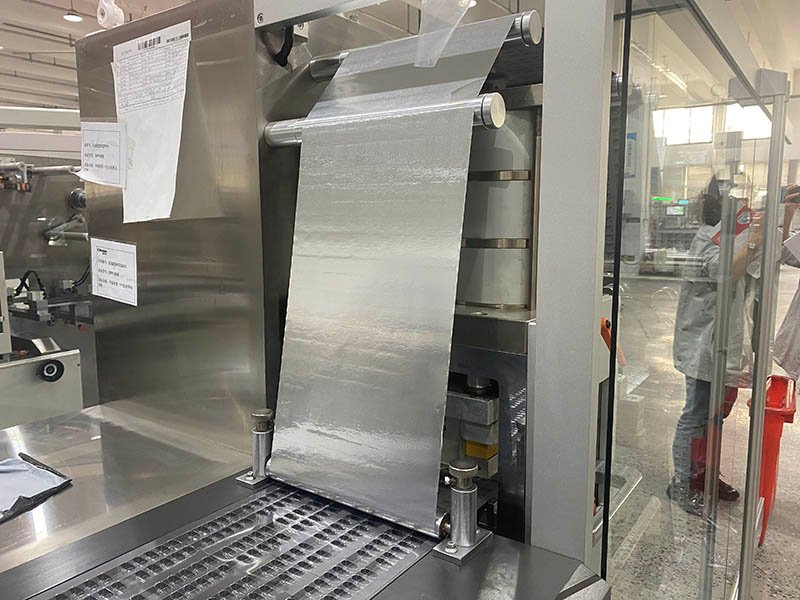
What the film choice changes on the machine
A machine cannot be declared compatible with a material family in the abstract. Confirm the exact roll and structure against the following interfaces:
- Unwind and web control: roll weight, core, brake or drive, tension range, edge guidance and splice handling.
- Print registration: eye mark, repeat length, artwork orientation, code location and inspection method.
- Forming and folding: stiffness, curl, friction, fold memory and contact with guides or plates.
- Sealing: jaw pattern, temperature, pressure, dwell, cooling and seal-contamination tolerance.
- Cutting and discharge: cut quality, static, pack stiffness, accumulation and reject behavior.
- Multi-lane geometry: lane pitch, slit accuracy, print-to-lane alignment and lane-by-lane seal consistency.
For a parallel individual-sachet project, review the multi-lane high-speed wet wipes packing machine, then ask HIJ to confirm the specific film roll, pack drawing and seal test—not only the material name.
Validate the finished pack before approving the film
- Review supplier documents. Confirm the full film specification, tolerances, declarations, test methods, roll drawing and change-notification process.
- Run a sealing-window study. Vary the approved machine settings deliberately and identify the range that produces acceptable seals.
- Challenge the package. Use defined leak, peel, burst or other pack-integrity methods appropriate to the design.
- Test the actual product. Fill the intended wipe and liquid, then study mass change, appearance, odor, chemistry and seal condition over the required storage program.
- Test distribution and use. Include transport, compression, opening and reclosure where they apply to the finished pack.
- Control future changes. Define incoming checks and require approval when the supplier, layer structure, adhesive, ink, coating, sealant or roll construction changes.
Put film evidence into the URS and FAT
Provide representative production film before the FAT and define what acceptance means. A useful protocol records:
- Film manufacturer, structure, roll dimensions, artwork and batch identification.
- Machine recipe and the permitted setting range.
- Registration, tracking, splice, cutting and seal results.
- Lane-by-lane checks for multi-lane equipment.
- Start, stop, restart and changeover behavior.
- Accepted packs, rejects, stops and unresolved actions during a sustained run.
The FAT does not replace shelf-life or regulatory testing. It proves that the machine and project film can run together under the agreed factory test conditions.
Frequently asked questions
What is the best packaging film for wet wipes?
There is no universal best film. Select the structure from the formula, required shelf life, barrier, seal performance, distribution conditions, consumer opening and verified material claim. Compare supplier data and test the finished pack.
What packaging film should be used for alcohol wipes?
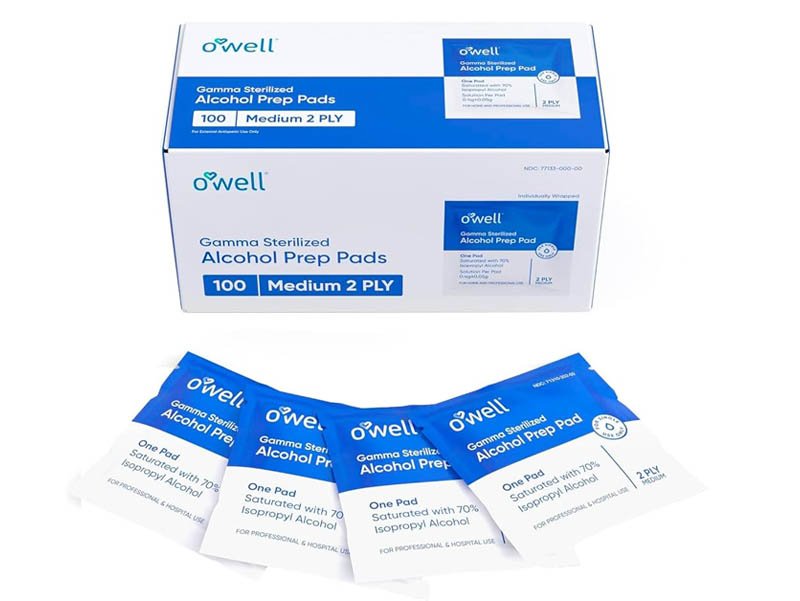
Alcohol-containing products need a structure and seal that control product loss and remain compatible with the formula. A foil-containing or other high-barrier laminate may be considered, but the final choice must be supported by supplier data and finished-pack stability and integrity testing.
How thick is wet wipes packaging film?
There is no single correct thickness. It depends on the layer structure, pack size, mechanical requirements, barrier, print, sealing process and supplier tolerances. Use the approved film specification and confirm it against the machine and finished-pack tests.
Can one wet wipes machine run different films?
Possibly, if the roll geometry, web properties, registration, sealing range, cutting and pack handling fit the machine. Each approved film should have a verified recipe and changeover method based on an actual material trial.
What film data should a supplier provide?
Request the complete layer structure, nominal thickness and tolerances, barrier test values with methods and conditions, seal window, strength, friction, roll specification, print and ink information, declarations, certifications where applicable, and a material change-notification process.
How should wet wipes film seals be verified?
Establish a sealing window across temperature, pressure and dwell, then use defined package-integrity methods such as leak, peel or burst tests appropriate to the pack. Include normal variation, contaminated-seal challenges where relevant, and finished-product stability.
Are biodegradable and compostable wet wipes films the same?
No. The terms describe different claims and conditions. Confirm the applicable test standard, certification scope, disposal environment and local collection route. Do not approve a pack claim from the marketing description alone.
Does changing the film supplier require revalidation?
It requires a documented impact assessment. Re-test when the supplier, layers, adhesive, coating, ink, sealant, friction, roll construction or other critical property changes. Even an apparently equivalent purchasing description can affect sealing and machine performance.
Verify the film before you freeze the machine specification
Send HIJ the film data sheet, roll drawing, wipe, liquid, finished pack drawing and target output. We will identify the missing inputs and propose a material trial and FAT boundary.
Request a Film Compatibility Review