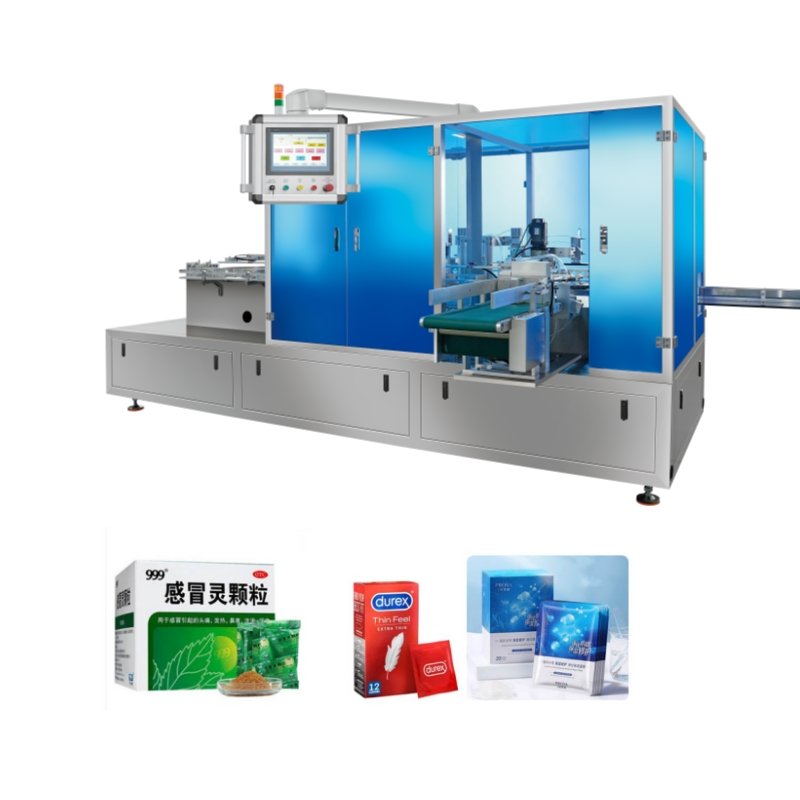
Wet Wipes Line Selection · Engineering Guide
Choose lane count from required good packs, product mix and verified line efficiency—not from a headline speed or the lowest machine price.
The short answer: buy the capacity you can keep busy
Neither architecture is automatically better. The correct comparison uses good packs delivered—not theoretical cycles—and includes the complete line scope: nonwoven feed, folding, cutting, liquid dosing, film handling, sealing, coding, inspection, rejection and downstream packing.
If you have not selected the pack format yet, first review the wet wipes packaging machine range. This article compares lane architecture after the product and pack concept are defined.
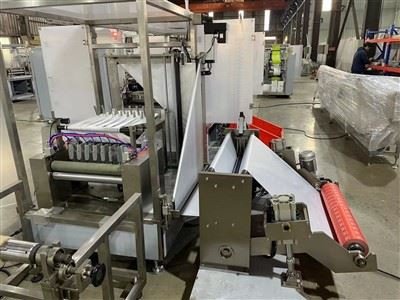
First separate pack format from lane count
“Single-lane versus multi-lane” is not the same decision as “single wipe versus multi-wipe pack.” A lane is a parallel production path. Pack count describes how many wipes go inside one finished package. Mixing these two decisions produces inaccurate quotations.
| Question | What it defines | What the supplier needs |
|---|---|---|
| How many wipes per pack? | Single-piece sachet or multi-piece soft pack | Folded wipe dimensions, wipe count, pack dimensions and opening method |
| How many lanes? | How many packs are processed in parallel | Required good output, web width, lane pitch, dosing and inspection concept |
| How many SKUs? | Changeover frequency and recipe range | Nonwoven, liquid, film, artwork and format list for each SKU |
A multi-lane individual-sachet machine and a multi-piece soft-pack machine solve different jobs. Do not compare their speeds or prices as if they were alternatives for the same package.
Single-lane vs multi-lane: the decision factors that matter
| Decision factor | Single-lane architecture | Multi-lane architecture |
|---|---|---|
| Capacity structure | One production path; capacity can be added through another independent cell | Several paths run in parallel on one platform |
| Demand fit | Useful when forecasts are uncertain or orders are divided across formats | Useful when repeat demand can occupy the combined capacity |
| Changeovers | One cell can change while another cell continues if multiple machines are installed | One format change can affect all lanes on the platform |
| Process control | Fewer simultaneous paths to set, observe and troubleshoot | Lane-to-lane dosing, web tracking, seals and rejection must remain balanced |
| Capacity density | More floor area and interfaces may be needed when several independent machines are added | Can concentrate more output in one machine footprint, subject to the final layout |
| Production risk | A stop affects one path; multiple cells can provide redundancy | A central stop can interrupt all lanes, so maintainability and recovery matter more |
| Investment comparison | Compare the complete installed cell, not the base machine alone | Include all lane tooling, inspection channels, utilities and downstream capacity |
Calculate required rate from good packs, not catalogue speed
Start with the quantity of saleable packs your operation must deliver. Remove planned breaks, cleaning and changeover time before you calculate the required nominal rate.
Target good packs per shift ÷ planned running minutes = required good packs per minute
Required good packs per minute ÷ verified operating efficiency = required nominal packs per minute
Use your own measured efficiency when available. For a new project, request separate supplier assumptions for changeovers, stops and quality losses instead of accepting one unexplained percentage.
Run the calculation for the peak SKU and for the actual production mix. A machine can satisfy the annual total but still fail the weekly schedule if several products compete for the same changeover window.
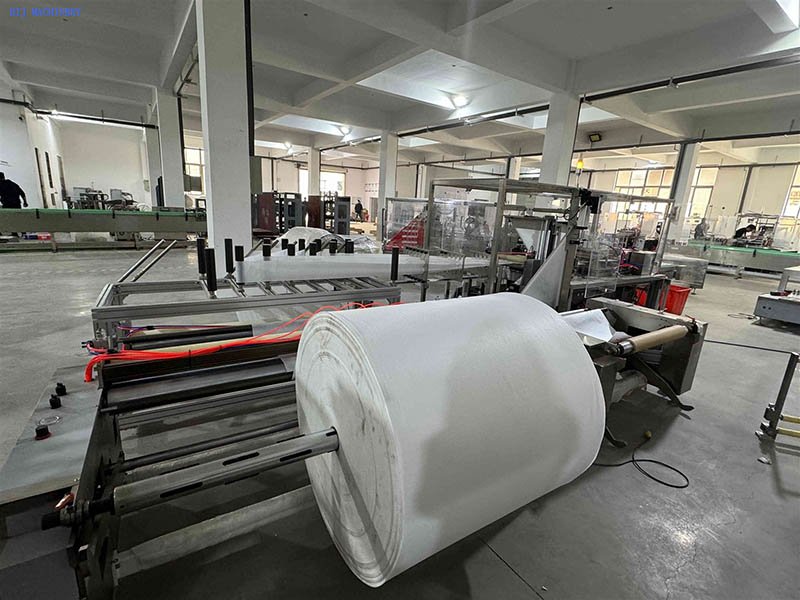
Compare cost per 1,000 good packs on the same scope
Machine price alone cannot tell you which lane architecture is economical. Ask each supplier for the same boundary: machine, format parts, liquid system, coding, inspection, rejection, conveyors, commissioning, documentation, spares and training.
(Annualized equipment + labor + materials + utilities + maintenance + quality losses) ÷ annual good packs × 1,000
Calculate at a conservative volume, the expected volume and the maximum validated volume. This exposes a common risk: a multi-lane machine can show a low theoretical unit cost while running, yet carry a high unit cost if demand leaves it idle. Multiple single-lane cells can cost more per unit at high utilization but may protect flexibility when orders change.
Single-lane tends to fit when
- Demand is still being proven.
- You need independent cells for different products.
- Frequent changeovers dominate the schedule.
- Phased capacity expansion is valuable.
- A stop must not remove all production capacity.
Multi-lane tends to fit when
- Repeat demand can keep the lanes occupied.
- One product family runs for long campaigns.
- Floor-space efficiency is important.
- Upstream preparation and downstream packing match the combined rate.
- Your maintenance team can support a more integrated platform.
Check the complete line around the machine
Higher combined output can move the bottleneck away from the packaging machine. Confirm these interfaces before you approve the architecture:
- Nonwoven supply: roll dimensions, splicing method, web tension and storage close to the line.
- Liquid preparation: batch size, hold time, filtration, transfer and feed stability at peak demand.
- Dosing: dose range, lane-to-lane variation, start/stop behavior and cleanability.
- Film and sealing: roll geometry, registration, seal window, leak test method and changeover sequence.
- Inspection and rejection: code, registration, seal or pack-presence checks plus physical reject confirmation.
- Downstream handling: accumulation, counting, cartoning, case packing and access for manual intervention.

Put lane performance into the URS and FAT
A supplier demonstration is useful only when its acceptance criteria match your project. Define the evidence before the machine is built.
| Evidence | What to define | Why it changes the decision |
|---|---|---|
| Sustained production run | Duration, actual materials, target rate, good packs and documented stops | Shows usable output instead of a short peak |
| Lane balance | Dose, registration, seal and reject results by lane | Reveals whether combined output is consistent |
| Changeover | Start condition, end condition, people, tools, adjustments and accepted first pack | Shows how product mix affects available time |
| Fault and restart | Web break, low liquid, missing material, inspection failure and restart sequence | Shows recovery time and risk across all lanes |
| Line interface | Upstream supply, downstream accumulation and stop signals | Confirms the factory can use the machine output |
For an industrial individual-sachet project, compare these requirements with the multi-lane high-speed wet wipes packing machine. Treat all listed specifications as reference values until HIJ confirms them against your material and pack drawing.
A practical five-step selection path
- Freeze the product and pack concept. Define wipe material, unfolded and folded size, liquid, dose, pack count, film and finished dimensions.
- Build the production calendar. List monthly good packs by SKU, campaign length, planned shifts, cleaning and changeovers.
- Calculate required nominal rate. Use planned running minutes and a transparent efficiency assumption.
- Compare equal line scopes. Include all format parts, inspection, utilities, downstream equipment, commissioning and documentation.
- Approve with evidence. Put sustained output, lane balance, changeover and recovery tests into the URS and FAT protocol.
Frequently asked questions
Is a multi-lane wet wipes machine always faster?
Multiple lanes create the potential for more combined output, but the accepted rate depends on the wipe, liquid, film, pack dimensions, inspection scope and verified line efficiency. Compare sustained good packs from your material trial, not lane count alone.
What is the difference between lane count and wipes per pack?
Lane count is the number of parallel production paths. Wipes per pack is the number of folded wipes inside each finished package. They are separate design decisions and should be stated separately in the enquiry.
How do I calculate the required wet wipes machine speed?
Divide target good packs per shift by planned running minutes, then divide that result by the verified operating efficiency. Repeat the calculation for the peak SKU and the real product mix.
Is a single-lane machine always cheaper?
Not necessarily. Compare the same installed scope, including format parts, dosing, coding, inspection, rejection, conveyors, commissioning, spares and downstream equipment. Also calculate cost per 1,000 good packs at realistic utilization.
When does a multi-lane machine make sense?
It becomes attractive when stable repeat demand can occupy the combined capacity, long campaigns reduce changeover losses, and upstream liquid and material supply plus downstream packing can match the planned output.
What should I send a supplier for an accurate comparison?
Send representative nonwoven, liquid and film; wipe and pack drawings; dose and seal requirements; SKU list; target good output; shift calendar; coding and inspection scope; utilities; downstream interface; and required FAT documents.
What should a multi-lane FAT prove?
It should prove sustained production with project materials, good output, lane-to-lane dosing and seal consistency, inspection and rejection, changeover, fault recovery and upstream/downstream signal behavior.
Can one wet wipes machine run several products?
Possibly, but the supplier must confirm that the web width, folding method, dose range, film, sealing window and finished pack dimensions fit one platform. Ask for the required tooling, recipe changes and demonstrated changeover method.
Send the project inputs before you compare lane count
HIJ will review your wipe, liquid, film, pack drawing, production calendar and inspection scope, then return a single-lane or multi-lane recommendation with the assumptions visible.
Request an Engineering Review