Opens in a new tab
Get Quote
Operator-assisted · powder and granule dosing

Small Capsule Filling Machine for Small-Batch Production

Configure a compact semi-automatic capsule filler around your capsule size, formulation, target dose, batch rhythm, operator plan and acceptance method—not a headline speed alone.

Up to 20,000/hPublished maximum output
00#–4#Published capsule-size range
Powder / granuleDocumented dosage forms
3 stationsFeeding, filling and closing

Final output and fill performance depend on approved capsules, formulation flow, tooling, settings, operator method and test conditions.

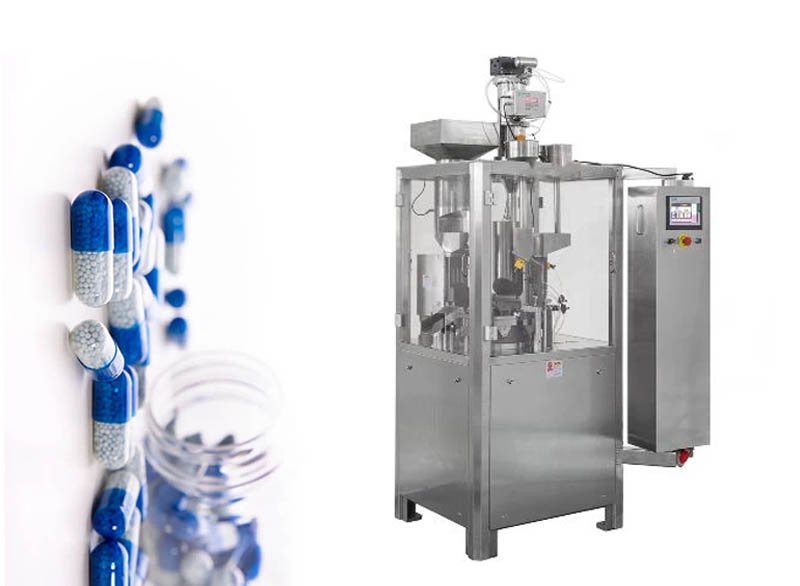
Small semi-automatic capsule filling machine with separate operating stations
Compact semi-automatic capsule filling platform. Confirm the final supplied configuration against the approved quotation and drawings.
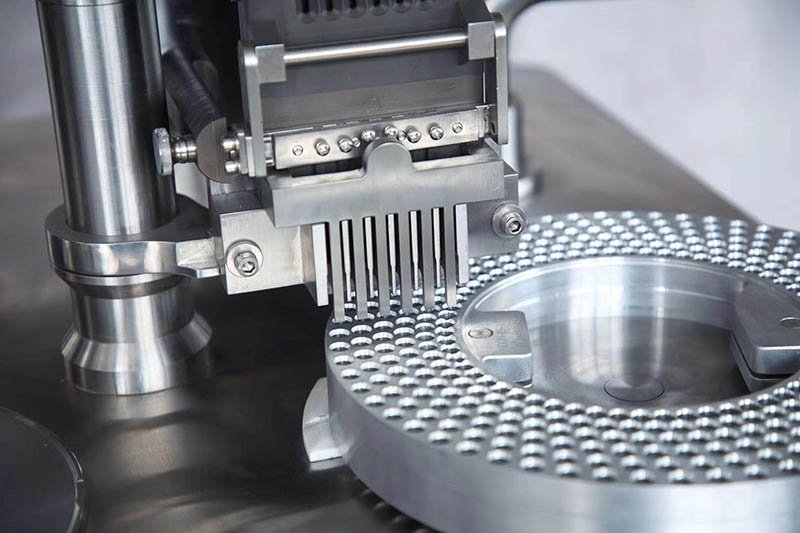
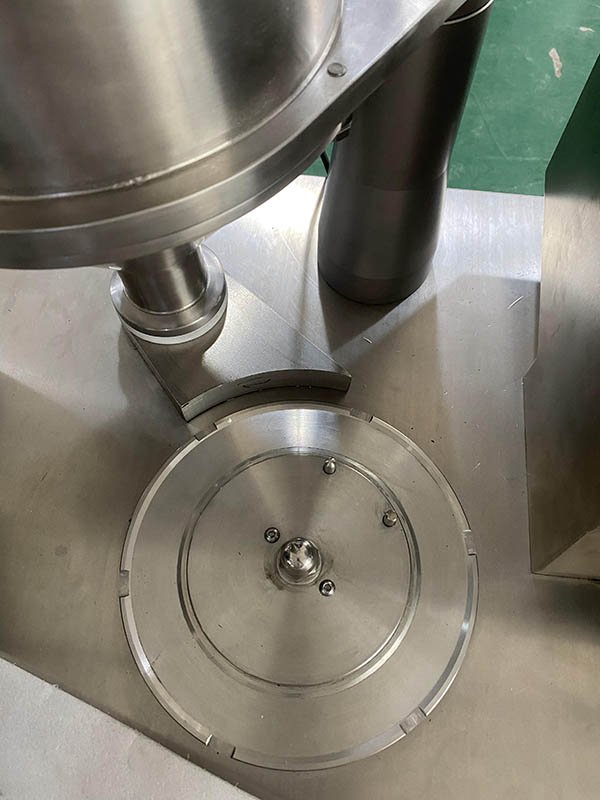
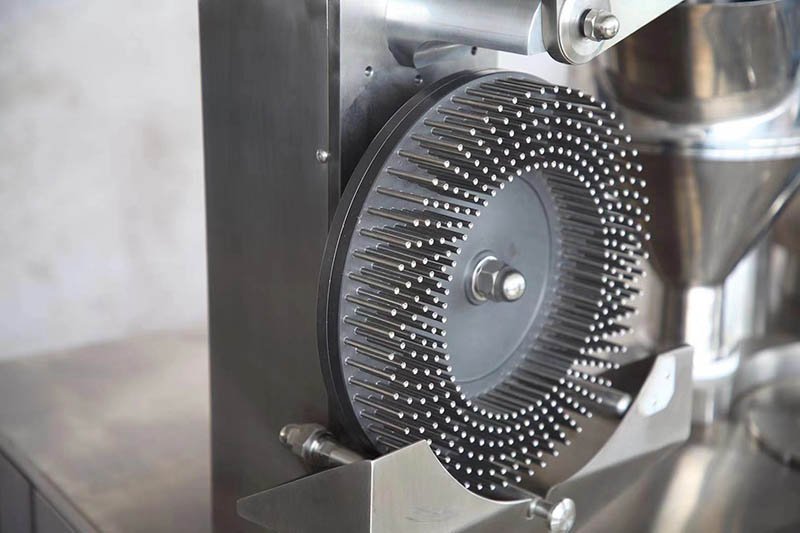
Capsule feeding and dispensing station Powder filling station on a small capsule filler Capsule closing and locking station
Selection boundary

Choose the operating model before choosing the machine

A small capsule filling machine is not a miniature fully automatic line. Operators move or control intermediate work between dedicated feeding, filling and closing stations.

Good starting fit

Flexible small-batch projects

  • Powder or granule formulations with a defined fill target.
  • Capsule sizes within the documented 00#–4# tooling range.
  • Teams that can staff the transfer, observation and adjustment steps.
  • Campaigns where changeover flexibility matters more than an integrated automatic cycle.
  • Buyers willing to prove batch time with their real capsule and formulation.
Choose another route when

The process needs more integration

  • Required sustained good output exceeds an operator-assisted batch plan.
  • Automatic feeding, rejection, recipe control or line data are required.
  • Containment, cleaning or qualification scope needs a different machine architecture.
  • The application is liquid-in-hard-capsule or requires a dedicated sealing process.
  • Downstream inspection, counting or blister packing must be line-balanced.
Capacity check: compare accepted capsules per completed batch and per staffed shift. Include loading, manual transfer, adjustments, replenishment, rejects, cleaning and changeover—not only the published maximum output.
Three-station workflow

See where the machine works—and where the operator works

The source configuration separates capsule feeding, powder or granule filling and capsule closing. Intermediate handling remains operator-assisted.

1Empty capsule feeding and orientation station

Feed and separate

Load the approved empty capsules, establish stable orientation and confirm reliable cap/body separation before transferring the filled plate.

2Auger powder dosing station for capsules

Meter the formulation

Set the powder or granule feed, monitor the bed and verify the fill target with an agreed sampling and weighing method.

3Capsule closing and locking operation

Close and inspect

Join the cap and body, observe capsule damage or incomplete locking, then route acceptable capsules to collection or the agreed next process.

What three inverters control

The source technical document describes separate inverter control for the capsule-feeding turret, powder-feeding turret and powder-feeding auger. This gives the operator three relevant speeds to coordinate during setup.

  • Stabilise capsule presentation before increasing batch pace.
  • Match material replenishment to the dosing condition.
  • Record settings used for every accepted sample set.
Formulation and tooling review

A representative sample trial is the real configuration test

Capsule size alone does not establish output or fill performance. Powder flow, density, segregation, moisture sensitivity and capsule variation change the operating window.

Capsule

State shell material, supplier, size, colour, locking style and acceptable defect definitions.

Formulation

Provide representative powder or granule, bulk-density data and any flow or segregation concern.

Fill target

Define nominal fill, approved test method, sample quantity and acceptance window.

Batch plan

Define batch size, product mix, operator count, changeovers and required accepted output.

Trial evidence to retain

  • Sample identity and preparation method
  • Installed capsule-size tooling
  • All relevant machine settings and adjustments
  • Raw weight data, rejects, stops and observations
  • Photos or video tied to the tested configuration

Do not approve from appearance alone

A clean capsule and a short successful run do not prove the agreed batch requirement. Define run duration, sample locations, accepted-capsule count, interventions and closeout criteria before testing.

Send Samples and Acceptance Inputs
Published technical data

Verify every specification against the final quotation

These figures come from the supplied machine document. They define a review boundary, not a universal performance guarantee.

ItemPublished referenceBuyer verification before order
Maximum output20,000 capsules/hourProve accepted output with the agreed capsule, material, operator method and run condition.
Capsule sizes00#–4#List every required size; a dedicated mold/change-parts set is required for each size.
Dosage formsPowder and granuleSubmit representative material and define the fill target and test method.
Electrical supply380 V ±10%, 50/60 Hz, 3 phaseConfirm site voltage, frequency, phase and plug/termination before manufacture.
Installed power2.21 kWConfirm the final machine and accessory load in the approved electrical documentation.
Machine dimensions1290 × 685 × 1600 mmCheck access, operator clearance, material handling and maintenance space.
Net weight330 kgConfirm floor, movement, unloading and installation arrangements.
Packed dimensions1300 × 1150 × 1700 mmReconfirm the final packing list and shipping dimensions before logistics booking.
Gross weight560 kgUse the final shipping document—not this reference—for freight planning.

Output

20,000 capsules/hour maximum.
Verify accepted output under the agreed production condition.

Capsule range

00#–4#.
Specify each required size and its dedicated mold set.

Dosage forms

Powder and granule.
Submit representative material and a fill-weight method.

Utilities

380 V ±10%, 50/60 Hz, 3 phase; 2.21 kW.
Reconfirm the site supply and final load.

Machine envelope

1290 × 685 × 1600 mm; 330 kg net.
Include access and operator clearance.

Shipping reference

1300 × 1150 × 1700 mm; 560 kg gross.
Use final documents for freight booking.

Nonstandard voltage: the source document states that other voltage configurations can be requested. Put the exact site supply in the RFQ so it can be confirmed in writing.
Scope control

Turn “one machine” into an itemized project scope

Ask the quotation to separate the base machine, every capsule-size mold, utilities, collection arrangements, documents, testing, packing and service boundary.

Base configuration

  • Feeding, filling and closing stations
  • Documented stainless-steel body and worktable
  • Electrical configuration and control components
  • Water-cycle vacuum-pump requirement and connection

Format and product parts

  • One identified capsule-size mold per ordered size
  • Product-contact and change-parts list
  • Setup, removal and cleaning instructions
  • Recommended wear and spare parts

Optional line boundary

  • Vacuum material feeding where required
  • Capsule discharge and collection arrangements
  • Metal detection, counting or blister packing
  • Conveying, collection and room interfaces
Confirm what is included now

A historical source quotation included a water-cycle vacuum pump and one capsule-size mold. That past package is not a current offer; request a fresh itemized scope for this project.

Quote-ready inputs

Send one controlled brief—not “price please”

A useful quotation should show the selected configuration, assumptions, exclusions and evidence plan as separate line items.

1. Capsule

Shell, supplier, sizes, locking style and samples.

2. Product

Powder or granule, density, flow concerns and samples.

3. Dose

Target fill and accepted test method.

4. Production

Batch size, shift plan and required accepted output.

5. Site

Voltage, frequency, phase, air, vacuum and room access.

6. Scope

Molds, collection, documents, FAT and agreed line interfaces.

Buyer questions

Small capsule filling machine FAQ

What is a small capsule filling machine?

It is a compact operator-assisted machine that separates empty hard capsules, meters a supported powder or granule formulation and closes the filled capsules across dedicated stations. Operators still manage intermediate transfer, setup, observation and cleaning.

How many capsules can this machine fill per hour?

The supplied technical document publishes a maximum output of 20,000 capsules per hour. Actual accepted output depends on the capsule, formulation, fill target, tooling, operator method, stops, rejects and test condition, so confirm capacity with a representative trial.

Which capsule sizes are supported?

The published range is 00# through 4#. Each required size needs the correct mold or change-parts set, and the ordered size list should appear explicitly in the final quotation.

Can it fill both powder and granules?

The source document lists powder and granule dosage forms. Send a representative sample because flow, density, segregation and fill target determine the practical dosing setup and acceptance method.

Is this machine fully automatic?

No. It uses separate feeding, filling and closing stations with operator-assisted intermediate work. If you need an integrated indexed cycle with automatic transfer and broader control functions, review an automatic capsule filling machine instead.

What information is needed for an accurate quotation?

Provide capsule specifications and samples, formulation and sample, target fill, batch and shift plan, required accepted output, site utilities, required molds, collection arrangements, documentation, testing and agreed downstream interfaces.

Project inquiry

Build the quotation around your real capsule and formulation

Send the six inputs above. HIJ can return an itemized machine, tooling, option, test and line-boundary scope for review.

Let's Design Your Production Line

Share your requirements and I'll personally craft a solution that maximizes your efficiency and profitability.