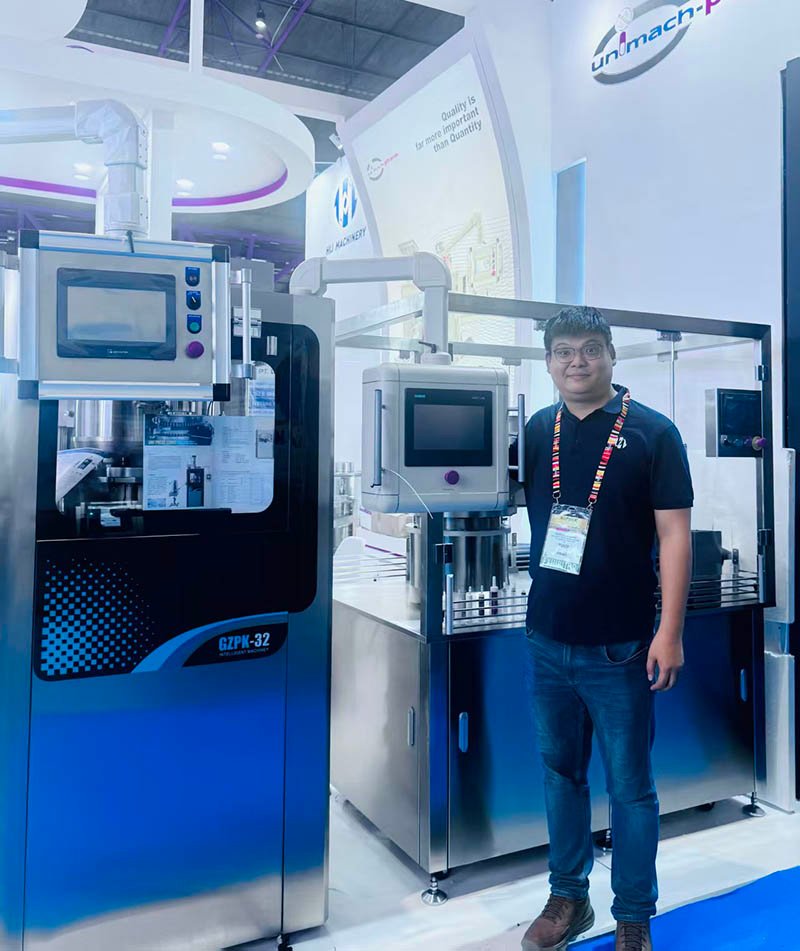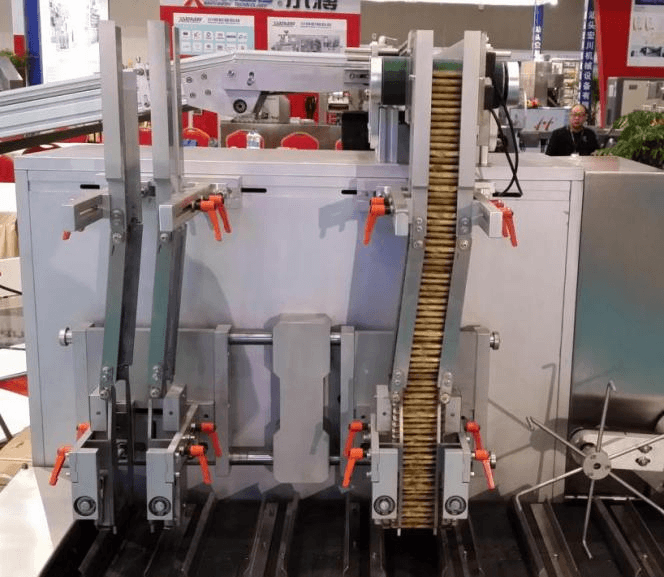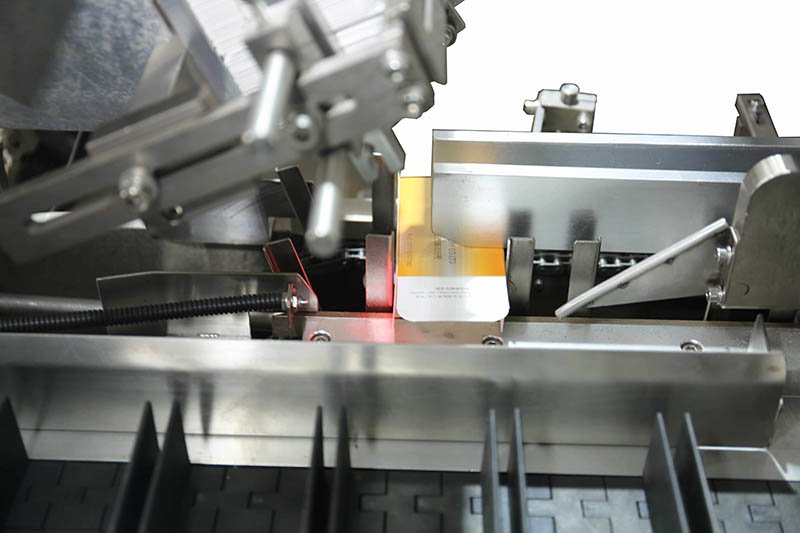
A useful capsule filler FAT is a controlled comparison between the approved URS and the machine that will actually ship. It records the delivered configuration, test material, operating settings, raw results, alarms, stops, deviations and authorised release decision. It is not a showroom demonstration and it does not replace site qualification.

What a capsule filling machine FAT must prove before shipment
The factory acceptance test should answer one commercial question: does the completed machine match the purchased scope closely enough to release it for shipment? For a capsule filler, that means more than switching on the motor. The buyer should be able to confirm the machine identity and options, run the agreed capsule and fill-material challenge, inspect the product and reject paths, challenge relevant controls, and close or formally assess every deviation.
European Commission GMP Annex 15 identifies FAT as an appropriate stage for confirming equipment against the URS or functional specification at the vendor site before installation. It also allows justified FAT tests to support later qualification when transport and installation cannot affect the tested function. That makes traceability and evidence quality essential.
Freeze the protocol before the FAT date
Start from a controlled URS and approved machine specification. The protocol should identify who supplies the test capsules and fill material, how much is available, how the machine will be configured, which instruments will be used, who may approve deviations and what evidence must be delivered. If product shipment is difficult, agree a representative material and document why it is suitable.
| Protocol input | Define before travel or remote witness | Why it matters |
|---|---|---|
| URS traceability | Requirement ID, test step, expected result and evidence location | Prevents important requirements from disappearing inside a generic demonstration. |
| Machine configuration | Model, serial identity, dosing principle, capsule sizes, options, utilities and control version | Proves that the tested equipment is the equipment intended to ship. |
| Test material | Capsule supplier and size, fill material or justified surrogate, lot identity and available quantity | Capsule separation and dosing behavior depend on the actual input materials. |
| Operating points | Approved setpoints, sustained run conditions and any planned challenge conditions | Separates a controlled test from an improvised run. |
| Sampling and methods | Sample locations, quantities, test instruments, calculations and acceptance rules | Makes the result reproducible and reviewable. |
| Deviation route | Classification, owner, due date, retest rule and shipment effect | Stops unresolved problems from being hidden in meeting notes. |
If the URS is not yet testable, use the capsule filling machine GMP validation guide to define responsibilities and documentation before the FAT protocol is approved.
Capsule filling machine FAT checklist
The checklist below is a test-family map, not a source of universal pass limits. Your approved URS, process knowledge, risk assessment and agreed test method must supply the project-specific values.
1Identity and scope
- Machine, dosing module and major option identity
- Format-parts list and capsule-size coverage
- Utilities, guards, extraction and line-interface scope
- Approved drawings and configuration list
2Documents and certificates
- URS compliance matrix and open deviations
- Operation, cleaning and maintenance manuals
- Applicable material and calibration records
- Electrical, pneumatic and parts documentation
3Safety and utilities
- Emergency-stop and guard-interlock response
- Loss or abnormal state of applicable utilities
- Safe reset and restart behavior
- Labels, access and visible workmanship review
4Capsule handling
- Orientation and feeding stability
- Cap/body separation and transfer
- Handling of unseparated or missing capsules
- Closing, locking, discharge and observed damage
5Dosing performance
- Agreed material preparation and machine settings
- Individual or grouped weight method as approved
- Raw results, calculations and sample identity
- Adjustments, stops and resulting data exclusions
6Reject and fault challenges
- Defined defective-capsule challenge
- Reject confirmation and reconciliation
- Product-shortage and process alarms
- Fault message, machine response and recovery
7Controls and records
- Setpoint range and recipe functions included in scope
- User roles and authorised changes where specified
- Counters, batch information and data export where specified
- Control/software version record and backup handover
8Changeover and cleaning
- Correct parts and assembly checks
- Changeover sequence and first-off confirmation
- Product-contact access and removal
- Cleaning instructions, tools and inspection access
9Sustained run
- Agreed production condition and duration
- Good output separated from total cycles
- Stops, rejects, interventions and causes
- Samples tied to time or run location
10Closeout and release
- Deviation and punch-list review
- Required retests and objective closure evidence
- Shipping preservation, loose parts and spares
- Authorised pass, conditional release or hold decision
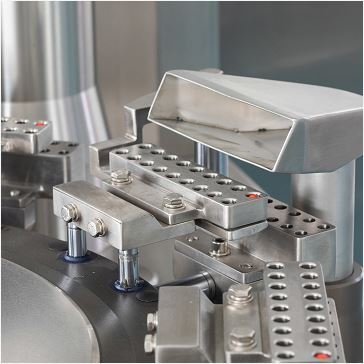
Turn capsule-filler functions into observable tests
A strong FAT describes the challenge and the expected machine response. “Alarm works” is too vague. State the initiating condition, expected alarm or interlock, permitted machine movement, reject behavior, reset sequence and evidence. Only test functions that are part of the ordered configuration; list unavailable or site-level functions as exclusions rather than marking them passed. For visual checks, weighing and physical reject verification, use the capsule inspection machine guide to define the test scope and evidence.
| Function | Practical FAT challenge | Evidence to retain | Acceptance basis |
|---|---|---|---|
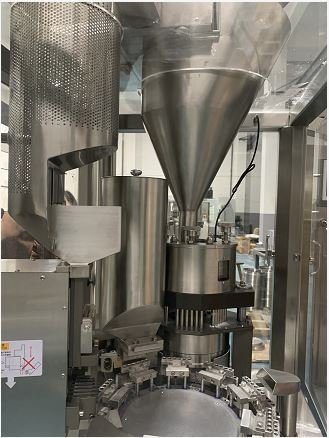
| Capsule separation | Run the agreed capsule format and observe orientation, separation and transfer through the defined operating point. | Capsule identity, settings, run observations, faults and sample results. | Approved URS and agreed defect method. |
| Fill-weight control | Stabilise the material bed and collect defined samples without silently removing inconvenient data. | All raw weights, tare method, calculations, settings, time/location and adjustments. | Approved product or project specification. |
| Reject path | Introduce or simulate an agreed known fault without creating an unsafe condition. | Challenge count, detection response, reject count and reconciliation. | Functional specification and risk assessment. |
| Guard/interlock | Challenge the identified guard or interlock in the approved machine state. | Expected response, actual response, safe reset and retest result. | Approved safety and functional requirements. |
| Alarm recovery | Create the agreed shortage or process fault and follow the documented recovery sequence. | Alarm text/code, machine response, operator actions and post-recovery product handling. | Functional description and operating procedure. |
| Line interface | Simulate agreed upstream/downstream permissive, start, stop or fault signals. | I/O list reference, signal state, response and timing where specified. | Approved line-control specification. |
Record data that survives quality review
The FAT report should preserve enough context for another reviewer to understand what happened. Record the machine and format configuration, material identity, environmental or preparation conditions that matter, approved procedure, instrument identity and calibration status where applicable, every raw result, every calculation, every stop or adjustment, and the people who performed and reviewed the test.
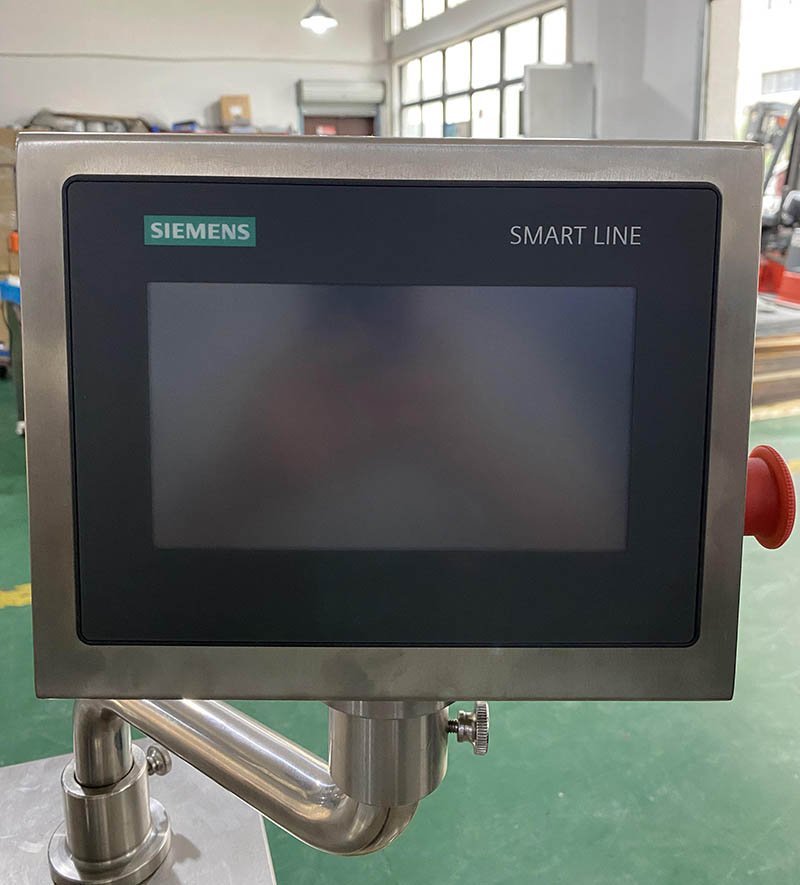
For automated or electronic functions, verify only the controls purchased for the project. Under 21 CFR 211.68, automated equipment used in drug-product manufacture is subject to written calibration, inspection or checking programmes and records, while computer-related systems require appropriate control over authorised changes and accurate input/output. A FAT can demonstrate delivered functions, but site procedures, access governance, backup and lifecycle controls remain part of the manufacturer’s system.
- Raw measurements: retain every included observation with units and sample identity.
- Operating context: record speed/setpoints, capsule, formulation and installed tooling.
- Interventions: record adjustments, refills, stops, restarts and exclusions with reasons.
- Traceability: connect each test to its URS requirement and protocol step.
- Deviations: document impact, correction, retest and authorised disposition.
- Evidence index: label photos, videos, printouts and data files so they can be found later.
Decide pass, conditional release or hold
Not every open action has the same shipment impact. The FAT report should classify deviations and document the decision by authorised buyer and supplier representatives. A cosmetic correction may be closable before dispatch with photo evidence; an unresolved capsule-handling or safety failure may require correction and witnessed retest.
Send these inputs with the RFQ
The most effective time to control FAT scope is before the purchase order is signed. Include the test material, document package and witness method as priced line items. For the machine itself, review the automatic capsule filling machine; for the process sequence, see how an automatic capsule filling machine works.
- Capsule shell material, sizes, supplier and representative samples
- Fill material, dose, approved tolerance and test method
- Sustained good-output requirement and batch/shift pattern
- Dosing, containment, extraction and cleaning configuration
- Alarm, interlock, recipe, access and data requirements
- Upstream/downstream signals and physical interfaces
- URS compliance matrix and mandatory document index
- Witness location, remote evidence, retest and release rules
To compare the financial scope around tooling, auxiliaries, controls, documents and service, use the automatic capsule filling machine price guide.
Official references used for this checklist
Frequently asked questions
What should be included in a capsule filling machine FAT?
Include machine and document verification, safety and utility checks, capsule feeding and separation, dosing performance, rejection and fault challenges, alarms and interlocks, specified control/data functions, changeover and cleaning access, a sustained run, raw-data review, deviations and an authorised release decision.
What are the acceptance criteria for a capsule filler FAT?
There is no single universal set of values. The approved URS, product specification, process knowledge, risk assessment and agreed test method should define capsule format, test material, operating conditions, sample plan, fill-weight evaluation, allowable defects, sustained output and required evidence before the test starts.
How long should a capsule filling machine FAT run?
The run duration should be justified by the project and long enough to challenge the agreed sustained operating condition, material replenishment, sampling and relevant interventions. Do not select a generic duration without considering available test material, intended batch pattern, risk and acceptance method.
Can FAT replace IQ, OQ or PQ?
No. FAT occurs at the supplier before shipment. Suitable FAT evidence may support later qualification when the approved strategy allows it and transport or installation cannot affect the tested function, but site installation, operation and product-specific performance still require the manufacturer’s controlled qualification approach.
Who approves a capsule filling machine FAT?
The protocol should name the authorised buyer and supplier representatives. The regulated manufacturer retains responsibility for deciding whether the evidence and deviations are acceptable within its quality system; the supplier executes or supports the agreed tests and provides the machine records and corrective actions.
Send your capsule size and supplier, formulation, dose and tolerance, sustained good output, controls, data requirements, document index and witness method. HIJ will map them into a configuration-specific machine scope and FAT checklist.
Send FAT and RFQ Inputs