
Industrial Dosing Technology
Cosmetic Cream Filling Machines That Eliminate Emulsion Breakdown & Dosing Drift
Engineering professional ±0.5% high-viscosity piston and lobe pump dosing systems optimized for skin creams, organic body butter, hair masks, and premium face gels. Built strictly to ISO 22716 sanitary standards.
A cosmetic cream filling machine is a high-viscosity dosing machine that accurately fills creams, lotions, balms, masks and body butters into jars, bottles or tubes using servo-driven piston or rotary-lobe pumps. HIJ cosmetic cream fillers — from small and manual units to fully automatic lines — achieve ±0.5% accuracy on shear-sensitive emulsions, built to ISO 22716 cosmetic GMP.

±0.5%
Volumetric Precision
< 20 Mins
Sanitary Changeover
Cosmetic Cream Filling Machinery — Quick Reference Specifications
Hygienic automatic dosing platforms engineered for premium skincare brands and OEM cosmetics manufacturers.
Fluid Viscosity Range
1,000 cps up to 250,000 cps (lotions to dense body butters)
Contact Metals
AISI 316L Stainless Steel mirror polished to Ra < 0.4µm
Nozzle Dynamics
Bottom-up diving nozzle stroke with anti-drip positive shut-off
Regulatory Conformance
ISO 22716 GMP Cosmetics, CE, and US FDA 21 CFR compliant
Packing the same cream in tubes as well as jars? Pair this filler with a tube filling and sealing machine for creams — same piston dosing principle, with hot-air sealing for PE and laminated tubes.
Solving the Shear-Stress Challenge: Protecting Delicate Cosmetic Emulsions
Delicate cosmetic creams are highly sensitive to shear stress. High velocity or tight mechanical clearances in standard packaging equipment can cause structural separation. This breaks down high-viscosity emulsions into watery layers, ruining formulation stability before they reach the consumer.
HIJ Machinery designs its fluid pathways with oversized sanitary bores, smooth-curve flow channels, and low-RPM rotary piston stroke profiles. By controlling flow velocity using programmable PLC servo drives, our machinery safely fills complex micro-emulsions and delicate liposomes without altering formulation texture or skin feel.
Why Viscosity Management Matters:
- Prevents separation of natural and organic cream matrices.
- Maintains constant flowability of dense body butters up to 250,000 cps.
- Eliminates cavitation and micro-bubbles in translucent cosmetic gels.
Specialized Hot-Pour Configuration
For dense hair clays, skin balms, and wax-based formulations, HIJ supplies dual-jacketed hoppers with internal thermal fluid heating. Combined with continuous helical scrapers, this system ensures the material maintains thermal uniformity, preventing cold spots and micro-solidification inside the dispensing block.
Request Hot-Pour Blueprint
Dosing Pump Selection Guide
Selecting the right dosing mechanism for your specific formulations determines your final line efficiency and fill precision.
| Pump Technology | Ideal Applications | Dosing Precision | Shear Force Level | Changeover Speed |
|---|---|---|---|---|
| Servo Rotary Piston | High-viscosity creams, ointments, clays, skin pastes | ±0.5% (industry leading) | Low-Medium | 15 minutes (toolless clamp) |
| Sanitary Rotary Lobe | Organic emulsions, particulate gels, delicate scrub suspensions | ±0.8% - ±1.0% | Ultra-Low (shear-safe) | 25 minutes |
| Peristaltic Pump | Low-viscosity skincare serums, essential oils, small vials | ±1.0% | Zero-Shear | 5 minutes (tubing swap) |
| Coriolis Mass Flow Meter | Premium skin lotions, premium high-value anti-aging serums | ±0.6% | Low | Fully Automated CIP |
Hygienic Cleanroom Dosing Implementations
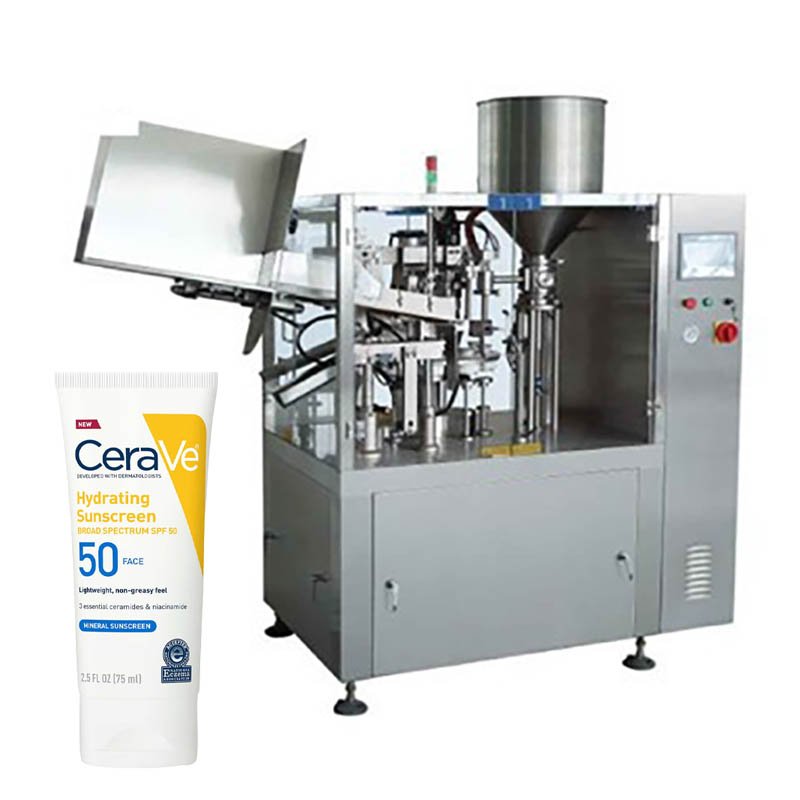
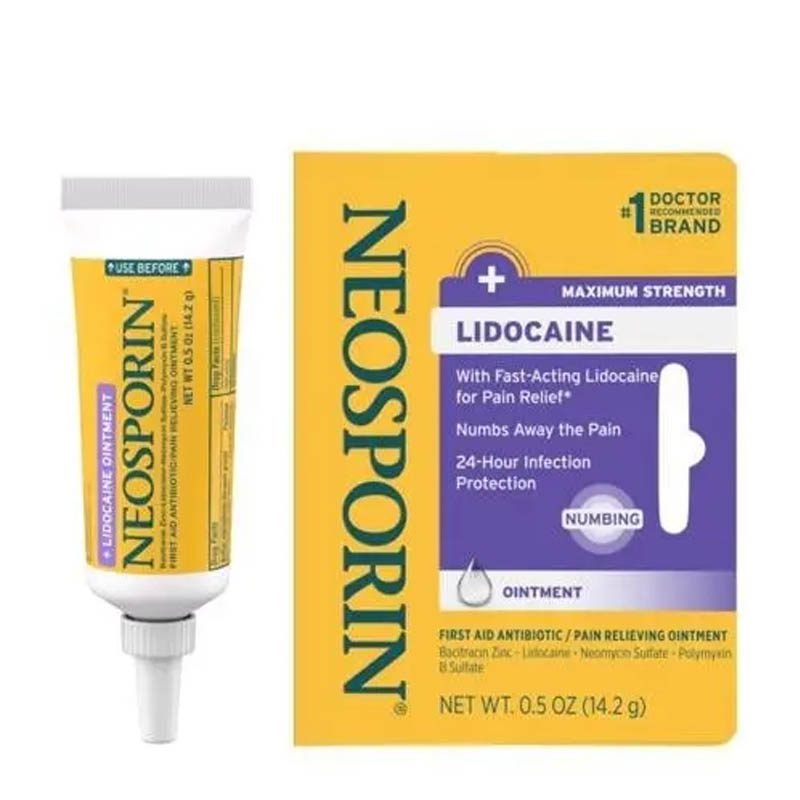
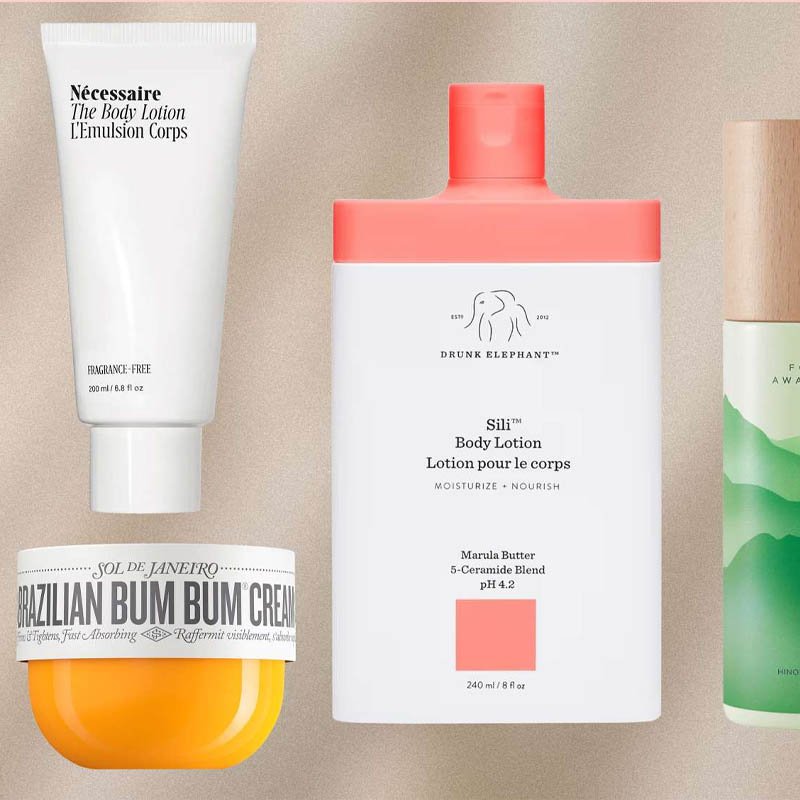
Hygienic Cleanability (CIP/SIP)
Microbiological contamination is a critical concern in cosmetic production, where organic ingredients can harbor bacteria. HIJ cosmetic cream filling equipment is built from the ground up for absolute sanitation.
Our CIP integration loop allows for automated cycle cleaning, sanitizing, and flushing. High-pressure spray balls inside our hoppers eliminate residue with zero mechanical disassembly required, significantly reducing downtime.
Strict ISO 22716 Cosmetic GMP Compliance Framework
HIJ Machinery constructs its equipment to strict regulatory benchmarks, simplifying factory audits and product compliance for skincare brands entering the US, European, and East Asian markets.
1
No Dead-Leg Joints
Every weld is continuously purged with argon gas to prevent micro-pitting, crevice corrosion, and bacterial buildup.
2
FDA-Compliant Elastomers
We utilize medical-grade PTFE, Viton, and silicone seals that withstand both highly acidic cosmetic formulations and high CIP clean temperatures (up to 95°C).
3
Positive Nitrogen Purge
Integrated inert gas blanketing systems inside our hoppers protect sensitive active ingredients from oxidation during the dosing cycle.
Turnkey Automation
Complete Cosmetic Cream Filling & Packaging Lines
Integrate your dosing, filling, capping, labeling, and secondary cartoning processes into one seamless, high-throughput production system overseen by a single operator.
Linear Automatic Cream Line
Engineered for high-volume factories handling single or multiple bottle and jar dimensions. Scalable from 2 to 12 active filling nozzles.
- Average output: 40 - 100 bottles per minute.
- Quick-adjust bottle guide tracks with variable-speed control.
- Synchronized indexing with diving nozzle mechanisms.
- Seamless integration with linear capping and dynamic labeling systems.
Monoblock Rotary Packaging System
Perfect for cleanrooms with limited floor space. Performs container loading, nitrogen purging, high-precision filling, insert placement, and capping on a single space-saving starwheel.
- Average output: 25 - 50 containers per minute.
- Ultra-compact footprint, designed for cleanroom spaces.
- Toolless mechanical starwheels for rapid shape changeovers.
- Integrated torque feedback monitors capping consistency.
Optimized Dosing for Diverse Cosmetic Applications
Skin Creams & Moisturizers
Maintains the delicate balance of oil-in-water skin creams and thick moisturizing lotions, ensuring uniform skin-feel and smooth emulsion texture.
Cosmetic Gels & Serums
Anti-aeration diving nozzles prevent micro-bubbles and air pockets, ensuring crystal-clear clarity in high-end cosmetic serums.
Peels & Particulate Scrubs
Specialized rotary lobe pumps safely dose formulations with exfoliating particulates, organic hulls, or beads without crushing the abrasive elements.
Ointments & Pastes
High-thrust pneumatic and servo-driven piston filler blocks ensure consistent dosing accuracy for extremely viscous mud masks and medicinal pastes.
Forester Xiang's Insights
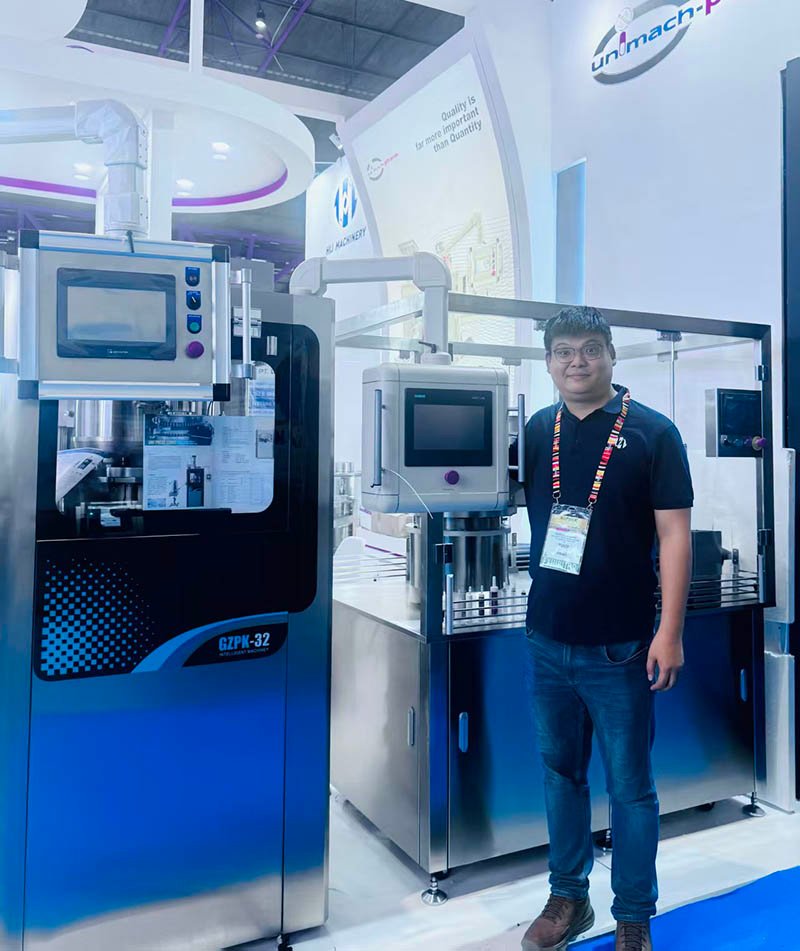
Common GMP Validation Pitfalls in Cosmetic Dosing Systems
"In my 20 years auditing over 100 cosmetics and pharmaceutical factories, the most common equipment failures I see aren't with basic motors or software. They're with the gaskets and fluid seals."
"Many suppliers use cheap, porous elastomers that absorb water and product residue. Over multiple cleaning cycles, these gaskets degrade, creating bacterial breeding grounds that contaminate entire production batches. At HIJ, we solve this by using pure, solid PTFE and high-temperature Viton gaskets on all product-contact joints, helping our clients easily pass stringent ISO 22716 validation audits."
Forester Xiang
Founder & Principal Engineer, HIJ Machinery
Avoid These Common Sourcing Mistakes:
- Non-purged sanitary welds: Pitted, non-purged stainless steel welds collect product residue and are impossible to sanitize.
- Inflexible mechanical valves: Standard slide-gate valves can pinch, shear, and break down delicate cosmetic creams.
- Lack of real-time temperature tracking: Hot-pour cosmetics require precise thermal monitoring to prevent clogging inside nozzle assemblies.
Frequently Asked Questions
Get direct, technical answers regarding cosmetic cream packing and dosing machinery configurations.
How does a cosmetic cream filling machine handle different formulation viscosities?
HIJ cosmetic cream filling machines utilize servo-driven rotary piston pumps or rotary lobe pumps paired with heated, jacketed hoppers and mechanical agitators. By keeping high-viscosity emulsions warm (up to 80°C) and using positive-displacement pneumatic or servo-driven plungers, we maintain high flowability and an accuracy of ±0.5% for products ranging from watery serums to thick, cold-cream body butters.
What pump technology is best: rotary piston, lobe pump, or flow meter?
The choice depends on your formulations. Servo rotary piston pumps offer the highest mechanical dosing precision (±0.5%) for viscous skincare creams and ointments. Rotary lobe pumps are ideal for larger particulates or shear-sensitive formulas where emulsion breaking must be prevented. Coriolis mass flow meters provide the ultimate toolless, hygienic, and highly flexible filling for premium products but carry a higher initial investment.
How does HIJ prevent cosmetic emulsions from separating or breaking during filling?
We prevent emulsion breaking by utilizing low-shear fluid pathways, sanitary smooth-bore tri-clamp connections, and variable-speed servo dosing. By adjusting filling speeds throughout the cycle—starting slow, accelerating, then decelerating near the top (bottom-up filling)—we minimize shear forces and prevent product separation or air entrapment.
Is the cream filling equipment ISO 22716 and FDA CFR Title 21 compliant?
Yes. All product contact surfaces on HIJ cosmetic machinery are built with pharmaceutical-grade stainless steel AISI 316L (standard mirror finish Ra < 0.4µm). Elastomers and gaskets are constructed of FDA-approved PTFE or Viton. The structural sanitary layouts align directly with ISO 22716 GMP guidelines for cosmetics cleanroom installations.
How long does a complete product changeover take on an HIJ automatic cream filling line?
With our toolless quick-clamp design and programmable HMI recipe storage, a full mechanical tooling changeover for different container sizes or shapes takes less than 20 minutes. Sanitization and flush cycles are automated through our integrated Clean-in-Place (CIP) systems, saving hours compared to traditional tear-down procedures.
Can your cosmetic packaging lines handle hot-pour formulations like lip balms and waxes?
Yes. We configure specialized lines with dual-jacketed oil-heated hoppers, temperature sensor loops, and heated nozzle manifolds. These features keep hot-pour cosmetic formulations flowing in a liquid state (up to 85°C) to prevent premature solidification during filling and dosing operations.
What is the typical production capacity of an HIJ automated cream filling line?
Production output ranges from 20 to 45 containers per minute on our compact monoblock rotary systems, and upwards of 60 to 120 containers per minute on our multi-lane linear automatic lines, depending on container geometry, nozzle configuration, and emulsion viscosity.
How does the bottom-up filling mechanism work to prevent cosmetic product aeration?
Our servo-driven diving nozzles sink directly to the bottom of the container before dispensing. As the cream is injected, the nozzles rise in perfect synchronization with the rising liquid level. This bottom-up filling method ensures the nozzle tip remains submerged, preventing air entrapment, bubbling, or void spaces in cosmetic jars and tubes.
Do you offer a small or tabletop cosmetic cream filling machine?
Yes. For startups, samples and low-volume production, HIJ offers small and semi-automatic cosmetic cream filling machines that dose creams, balms, masks and lotions accurately at lower output, with the option to scale to a fully automatic rotary or linear line later as your volume grows.
Is a manual cosmetic cream filling machine available?
Yes. A manual cosmetic cream filling machine suits very small batches, R&D and sampling, where an operator triggers each fill. As volume increases, a semi-automatic or automatic servo rotary-piston filler delivers tighter ±0.5% consistency and higher output with far lower labour per unit.
Hygienic Cosmetic Packaging Platforms
Maximize line efficiency by combining precise liquid dosing with our complete range of primary and secondary packaging platforms.
Pillar: Cosmetic Systems
View our complete range of cosmetic filling, sealing, and multi-lane packing lines.
Cream Tube Sealing
Specialized plastic and metal tube filling and sealing systems for creams and ointments.
Serum Ampoule Filling
Precision unit-dose packaging systems for single-use skincare serums and active ingredients.
Turnkey Lines
Custom, end-to-end lines from primary liquid filling to secondary cartoning and case packing.
Ready to Engineer Your Cosmetic Cream Line?
Discuss your specific viscosity, container geometry, and throughput requirements directly with Forester Xiang's engineering team.
Request Factory Floor PlanHIJ Machinery (Wenzhou) Co., Ltd.
Specialized pharmaceutical and cosmetic packaging machinery manufacturer. Providing European-quality automated equipment with smart pricing. Certified to ISO 22716, WHO GMP, cGMP, and CE standards.
Engineering HQ Details
Founder: Forester Xiang (20+ Years Experience, 100+ Factory Audits)
Email: [email protected]
WhatsApp: +86 13868822120
Global Pillar: https://hijpackingmachine.com/