
HIJ Factory · Turnkey Cosmetic Solutions
Skincare Packaging Line
A complete, turnkey skincare production line — HIJ integrates every skincare packaging machine from mixing and filling to capping, labeling, coding and case packing.
CE & GMP Compliant
Single-Source Integration
120+ Countries Served
Filling→CaseEnd-to-end line
1 supplierSingle source
What It Is
What is a skincare packaging line?
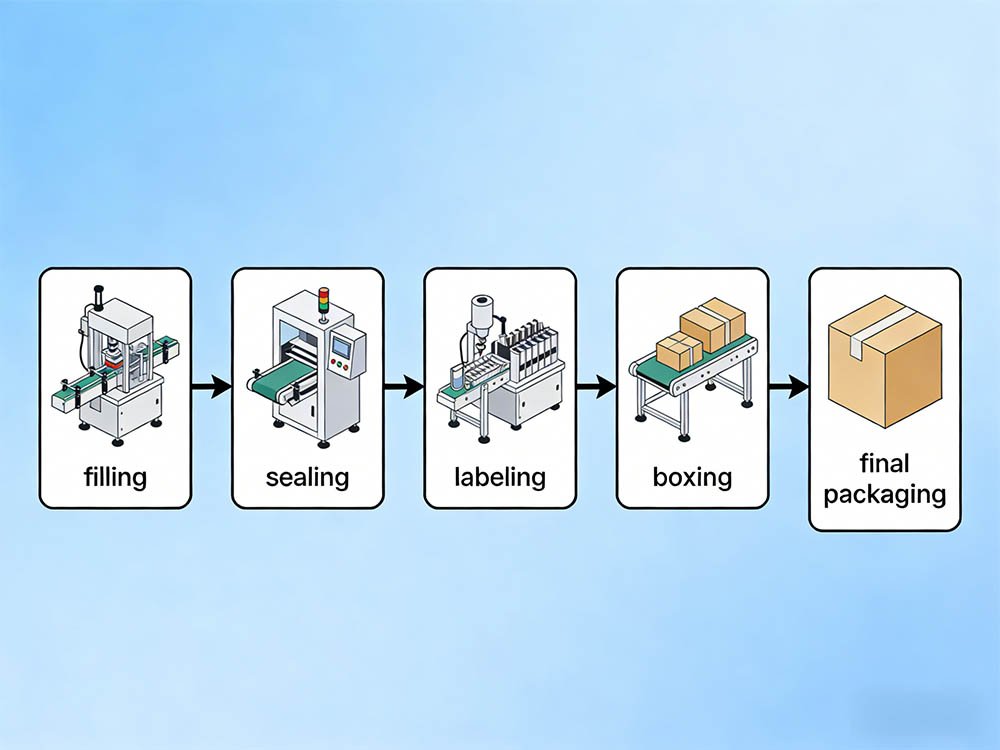
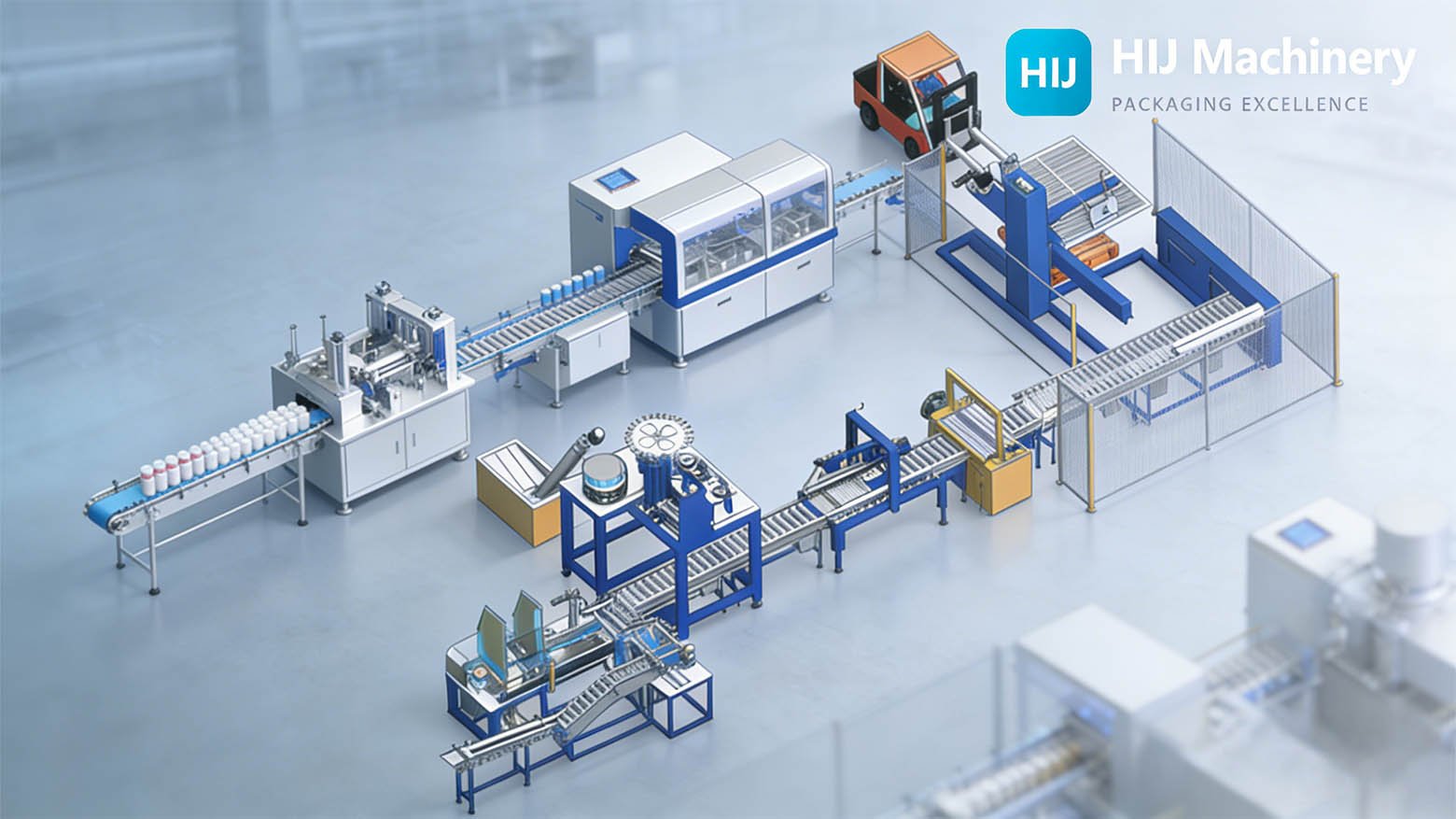
A skincare packaging line is an integrated series of skincare packaging machines that takes a finished product from bulk to retail-ready pack — mixing, filling, capping, sealing, labeling, coding, then cartoning and case packing — in one synchronized flow. HIJ designs each skincare production line around your products, containers and target output.
Whether you fill creams into jars, serums into ampoules, lotions into tubes or essences into sachets, every skincare packaging machine in the line is supplied, integrated and supported by HIJ as a single source — with GMP-ready hygiene, CE documentation and factory acceptance testing before shipment.
Mix → CaseFull end-to-end line
ModularScale stages as you grow
Single sourceOne supplier, one warranty
CE · GMPHygienic, documented
Line Flow
From bulk product to packed carton in 6 stages
1
Mixing & preparation
Vacuum emulsifying or mixing tanks homogenize creams, lotions and serums ready for filling.
2
Filling
Servo dosing fills jars, bottles, tubes, ampoules or sachets to ±0.5% accuracy.
3
Capping & sealing
Caps, pumps or droppers are placed and torqued; tubes and sachets are heat-sealed.
4
Labeling & coding
Self-adhesive labels are applied and batch/expiry codes printed inline.
5
Cartoning
Filled containers and leaflets are loaded into folding cartons automatically.
6
Case packing & palletizing
Cartons are collated into shipping cases and prepared for the pallet — end of line.
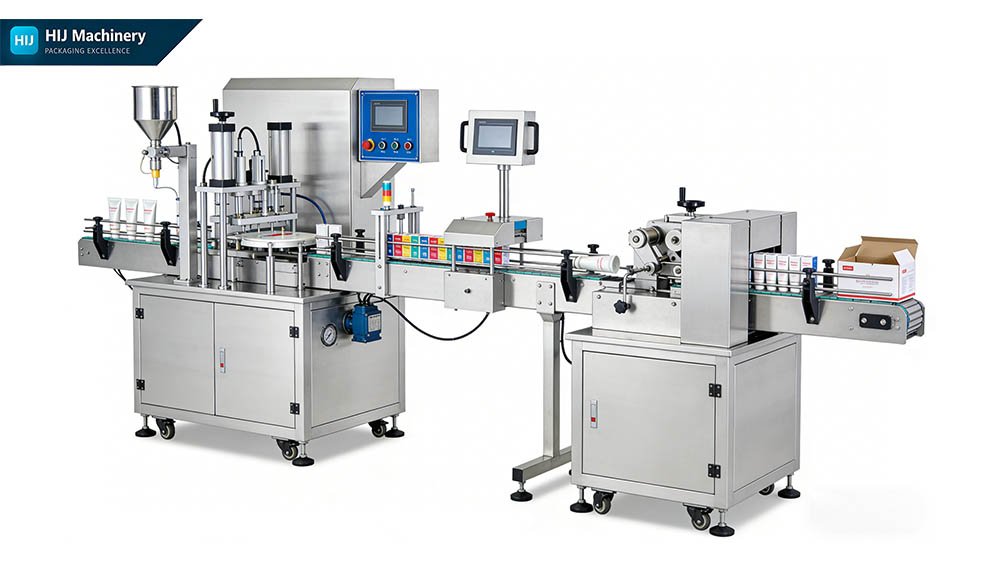
SPF and thick-cream SKUs in your skincare range? The tube station of the line is then a high-viscosity cream tube filler with piston dosing and hot-air sealing, integrated at 30–50 tubes/min.
Line Modules
Build your skincare packaging line, module by module
Pick the skincare packaging machines your products need — HIJ integrates them into one synchronized production line.
Cream & Lotion Filling
Servo piston filling of creams and lotions into jars and bottles, no dosing drift.
Explore moduleTube Filling & Sealing
Fill and seal plastic, laminate and aluminum tubes for creams, lotions and sunscreen.
Explore moduleAmpoule / Serum Filling
Micro-dose serums into plastic or glass ampoules with optional nitrogen flush.
Explore moduleSachet / Sample Packaging
Multi-lane form-fill-seal of serum, cream and lotion sample sachets.
Explore moduleWet Wipes Packaging
Fold, dose and seal baby, makeup-remover and disinfecting wipes, single or multi-pack.
Explore moduleCapping · Labeling · Cartoning
End-of-line capping, labeling, coding, cartoning and case packing to finish the line.
View all machines
Line Configuration
Skincare packaging line capabilities
A representative scope. Every skincare production line is configured to your products, containers and output.
| Container formats | Jars, bottles, tubes, ampoules, sachets, airless pumps |
|---|---|
| Product types | Creams, lotions, serums, gels, sunscreen, masks, essences |
| Filling accuracy | ±0.5% servo dosing (product dependent) |
| Automation level | Semi-automatic, automatic or fully integrated turnkey |
| Line stages | Mixing · filling · capping · sealing · labeling · coding · cartoning · case packing |
| Changeover | Recipe-based, tool-light format changes |
| Contact material | SUS304 / SUS316L stainless steel |
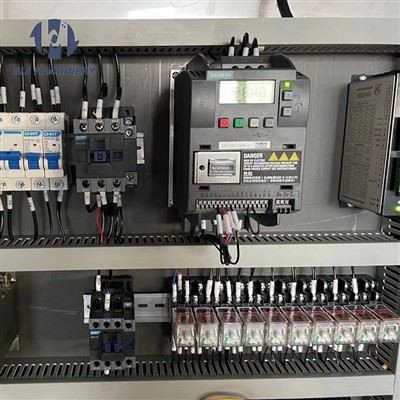
| Controls | PLC + touchscreen HMI, line-level integration |
| Compliance | CE · GMP-ready · FAT before shipment |
| Support | Layout design, remote commissioning, spare-parts kits |
* Scope and output are tailored to your project. Ask for a line layout and quote matched to your products.
Applications
One line for your whole skincare range
From rich creams to lightweight serums, the HIJ skincare packaging line handles the full personal-care portfolio.
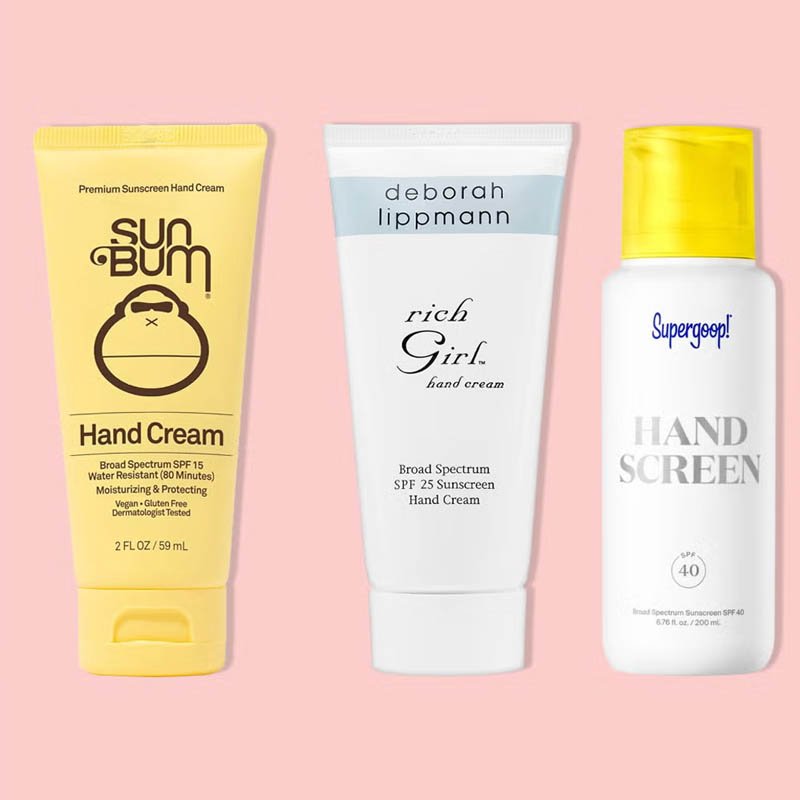 Creams & Moisturizers
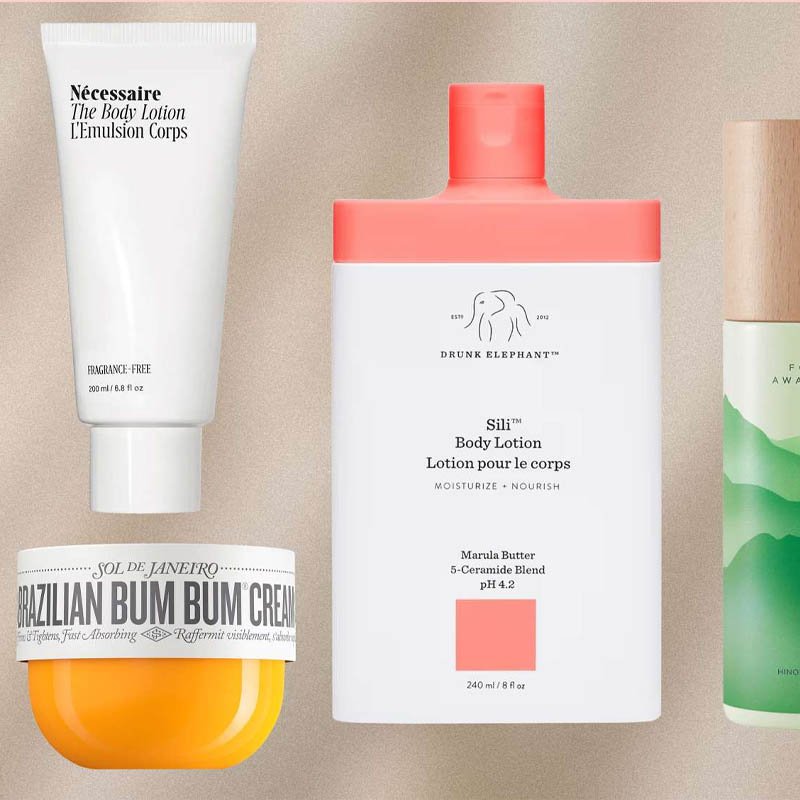 Lotions & Body Care
 Serums & Essences
 Sunscreen & SPF
Scalability
A line that grows with your brand
Start lean and add stages as volume grows. HIJ designs each skincare production line to scale without replacing what you already own.
Entry / startup line
Semi-automatic filling, capping and labeling — ideal for indie brands and small batches.
Standard automatic line
Fully automatic filling through coding with cartoning — for steady, mid-volume production.
High-output turnkey line
Integrated mixing-to-case-packing with end-of-line automation for high-volume manufacturers.

Why Choose HIJ
One partner for your entire skincare production line
HIJ designs, builds and exports cosmetic packaging machinery from our own factory — not a trading desk. Sourcing the whole line from one manufacturer means matched machines, one point of contact and one warranty across the line.
- Single-source line design, build and integration
- Full line FAT before shipment — tested as a system
- CE documentation and GMP-ready hygienic design
- Remote commissioning, video support and spare-parts kits
- Trusted by skincare brands & contract manufacturers worldwide
FAQ
Skincare packaging line FAQs
What is a skincare packaging line?
It is an integrated series of skincare packaging machines that takes a product from bulk to retail-ready pack — mixing, filling, capping, sealing, labeling, coding, cartoning and case packing — in one synchronized flow designed around your products and output.
Which skincare packaging machines can be included?
Cream and lotion filling, tube filling and sealing, ampoule and serum filling, sachet and sample packaging, wet wipes packaging, plus capping, labeling, coding, cartoning and case packing.
Can the line be expanded later?
Yes. HIJ designs modular skincare production lines so you can start with core stages and add automation, formats or end-of-line equipment as volume grows, without replacing existing machines.
Is the line GMP and CE compliant?
Yes. Contact parts are SUS304/316L stainless steel, the design is GMP-ready for hygienic cleaning, and the line ships with CE documentation after full factory acceptance testing.
Does HIJ handle layout, install and support?
Yes. HIJ provides line layout design, single-source integration, remote commissioning, installation video guides and spare-parts kits, with on-site engineer support available.
Why source the whole line from one manufacturer?
One supplier means matched, pre-integrated machines, a single point of contact and one warranty across the line — simpler procurement, faster commissioning and clearer accountability.
Design your skincare packaging line with HIJ
Tell us your products, containers and target output. Our engineers reply within one business day with a tailored line layout and all-in turnkey quote — free, no obligation.
Reply within 1 business day · Your details stay confidential