
Food-Grade · Viscous-Liquid Ready
Liquid Food & Syrup Filling Machine
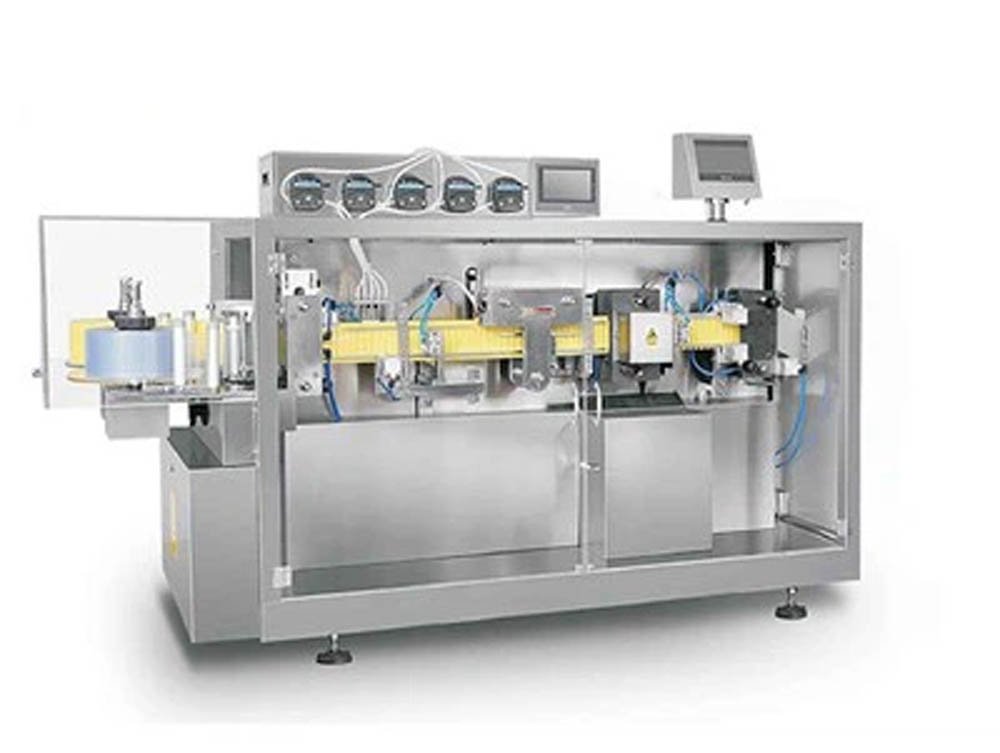
An automatic food filling machine built for thick, sticky, and hot-fill products — honey, syrups, sauces, jams and oils — with a heated jacketed hopper, servo piston dosing, and no-drip, no-string nozzles that keep every container and conveyor clean.
SUS 316L · 3-A Sanitary
Heated Jacketed Hopper
No-Drip / No-String Cut-Off
CIP-Ready
5–1000mlFill Range
2–12Filling Heads
±0.5%Dosing Accuracy
CIPClean-in-Place
15+ Years OEM Manufacturing
ISO 9001:2015 Quality System
Exported to 40+ Countries
Lifetime Engineering Support
Overview
What Is a Liquid Food & Syrup Filling Machine?
A food filling machine is an automatic system that doses food-grade liquids and semi-liquids — syrups, honey, sauces, jams, dressings, oils and beverages — into bottles, jars, cups, or sachets, then optionally caps or seals them. The key difference from a general liquid filler is sanitary, food-contact construction and dosing technology matched to viscosity, so thick and sticky products fill accurately without stringing, dripping, or trapping air.
The HIJ Liquid Food & Syrup Filling Machine uses servo piston dosing and a heated, jacketed hopper to keep honey, syrup, and chocolate flowing, plus a positive shut-off, suck-back nozzle that delivers a clean, no-string cut on every shot. It fills 5 ml to 1 L with ±0.5% accuracy, is built from SUS 316L with food-grade seals, and is CIP-ready and 3-A sanitary in design.
Technical Data

Configurable Food Filling Platform — Key Specs
Heads, dosing technology, hopper heating, and capping are configured to your product viscosity, container, and output.
| Application | Honey, syrups, sauces, jams, dressings, oils, beverages, dairy |
|---|---|
| Filling Range | 5 ml – 1000 ml (up to 5 L on request) |
| Filling Heads | 2 / 4 / 6 / 8 / 10 / 12 (configurable) |
| Dosing Technology | Servo piston (viscous/chunky) · flow-meter (free-flowing) · gear pump (honey) |
| Dosing Accuracy | ±0.5% – ±1% |
| Output | Up to ~20–60 containers/min (viscosity & size dependent) |
| Hopper | Sanitary jacketed/heated option + agitator for suspensions |
| Anti-Drip | Positive shut-off + suck-back — no string, no drip on sticky liquids |
| Particulates | Large-bore piston option for sauces with chunks/pieces |
| Contact Materials | SUS 316L + food-grade PTFE/silicone seals, 3-A sanitary design |
| Containers | Bottles, jars, cups, pouches/sachets — narrow & wide mouth |
| Cleaning | CIP / SIP-ready |
| Control | PLC + HMI, no-container-no-fill detection |
| Options | Hot-fill, N₂ flush, capping/seaming, in-line weigh check |
| Compliance | Food-grade · CE · ISO 9001:2015 build |
Why This Machine
Built for Thick, Sticky, Food-Grade Liquids
Six engineering choices that beat the mess and waste of filling viscous food.
Heated Jacketed Hopper
Keeps honey, syrup, chocolate and thick sauces at the right temperature and viscosity for clean, consistent flow.
No-Drip, No-String Cut-Off
Positive shut-off with suck-back snaps the thread of sticky product, keeping container necks, caps and conveyor spotless.
±0.5% Piston Dosing
Servo pistons hold tight volume on dense liquids, so you stop over-giving costly honey and syrup on every jar.
3-A Sanitary, SUS 316L
Food-grade 316L paths and seals with crevice-free, drainable design meet hygienic food-contact expectations.
CIP / SIP Ready
Clean-in-place porting cuts changeover time between products and supports allergen and audit control.
Handles Particulates
A large-bore piston option fills chunky sauces, jams with fruit pieces, and toppings without crushing the solids.
Process
How the Filling Cycle Works
Five continuous stages — from heated hopper to a clean, sealed container.
Condition
The jacketed hopper holds and gently heats the product to its ideal filling viscosity.
Feed
Containers index under the heads with no-container-no-fill detection.
Fill
Servo pistons dose the exact volume; diving nozzles fill from the base to avoid foam.
Cut-Off
Positive shut-off and suck-back snap the thread cleanly — no drip, no string.
Close
Containers move to capping/seaming and on to labeling or cartoning.
Applications
One Platform, Across the Food Aisle
Wherever a precise, clean pour of food-grade liquid matters.
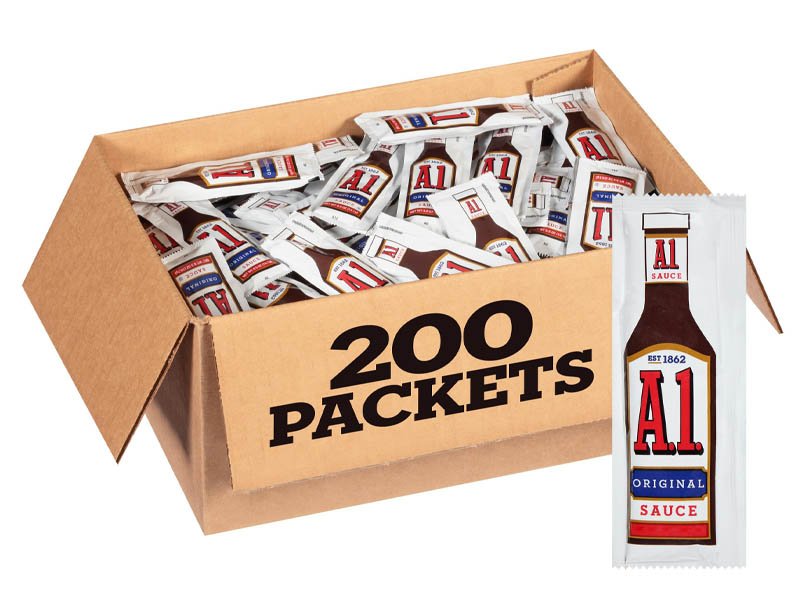
Syrups, Sauces & Condiments
Maple and flavored syrups, ketchup, dressings and hot sauces into bottles, jars and single-serve packs.
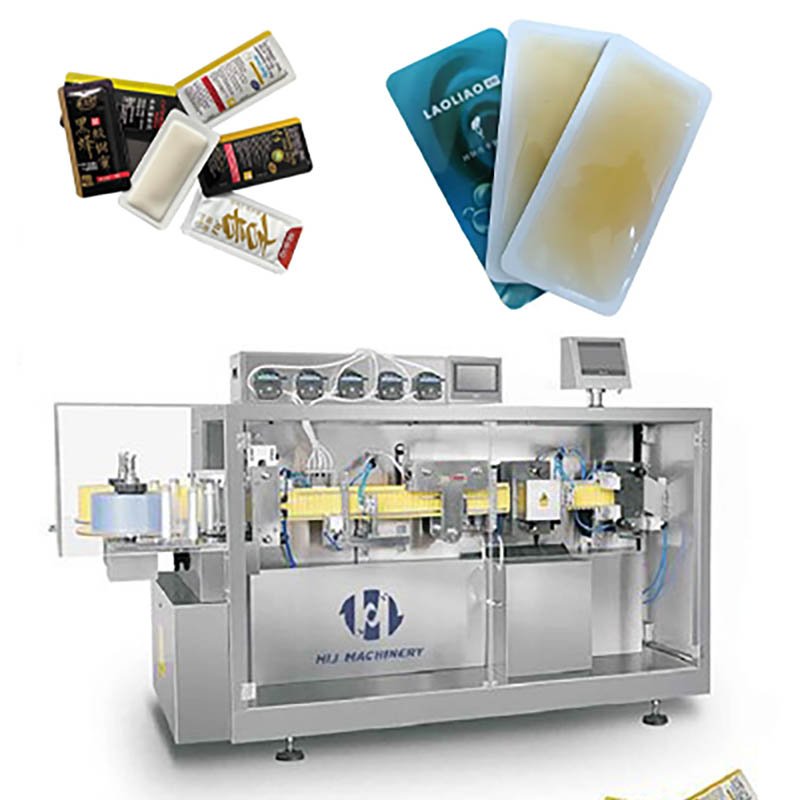
Honey & Spreads
Raw and creamed honey, jams, nut butters and chocolate spreads — heated hopper keeps them flowing.
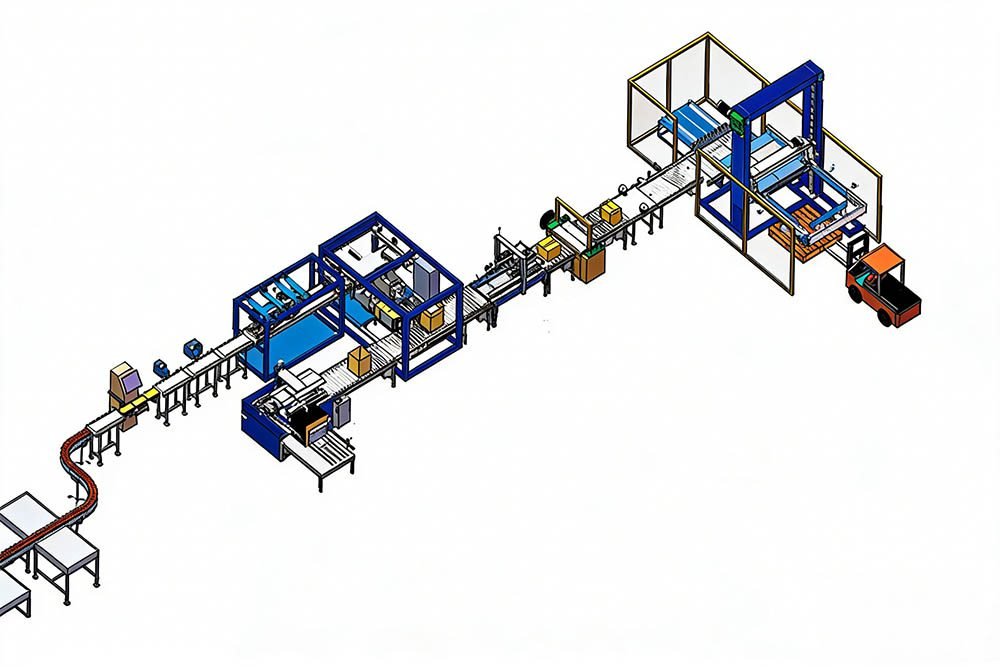
Beverages & Oils
Juices, shots, cooking and infused oils, and dairy liquids with food-grade, CIP-ready hygiene.
Hygiene & Quality
Designed Around Food-Safety Expectations
Sanitary by design so your HACCP and food-safety audits pass without retrofits.
Food-Grade 316L
Crevice-free, drainable wetted parts with food-contact seals.
3-A / CIP Sanitary
Hygienic design and clean-in-place porting for allergen control.
CE Marked
Conformity for safe machinery operation across applicable markets.
HACCP-Friendly
Documentation and material certificates available on request.
Related Equipment
Complete Your Filling & Packing Line
Part of the full cosmetic & liquid packaging machines range. Pair the food filler with sachet, tube and turnkey line equipment.
Easy-Snap Honey Sachet Machine
Single-serve snap sachets for honey, syrup and condiments.
Explore →
Sachet Packaging Machine
Precise single-dose sachets for liquids and gels.
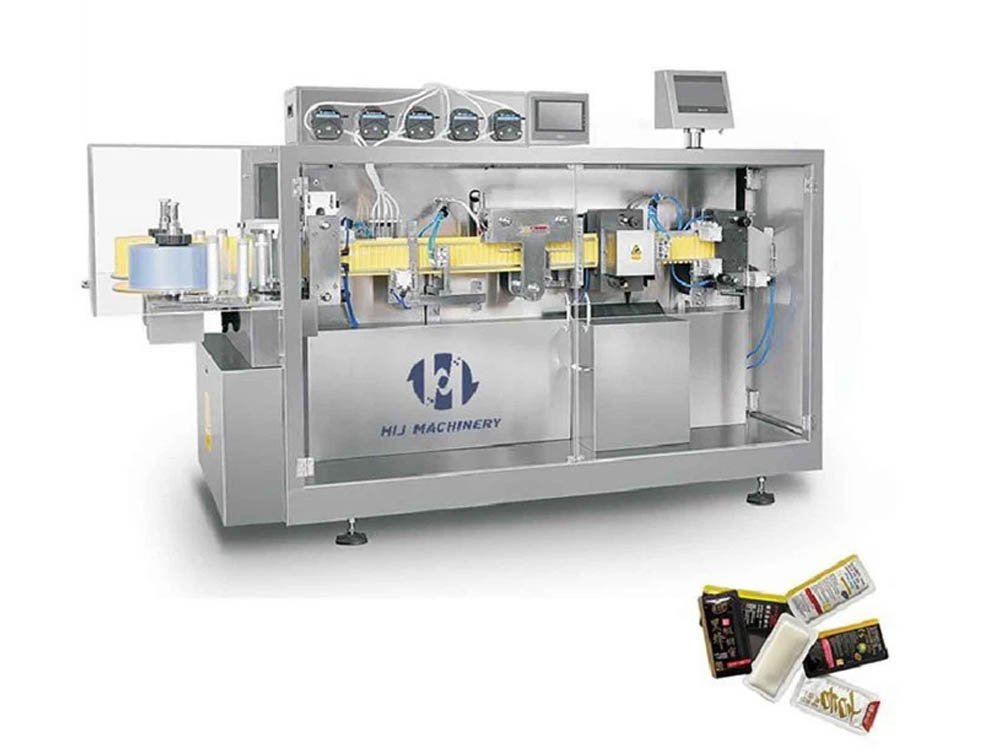
Explore →Oral Liquid Ampoule Machine
BFS single-dose plastic ampoule filling & sealing.
Explore →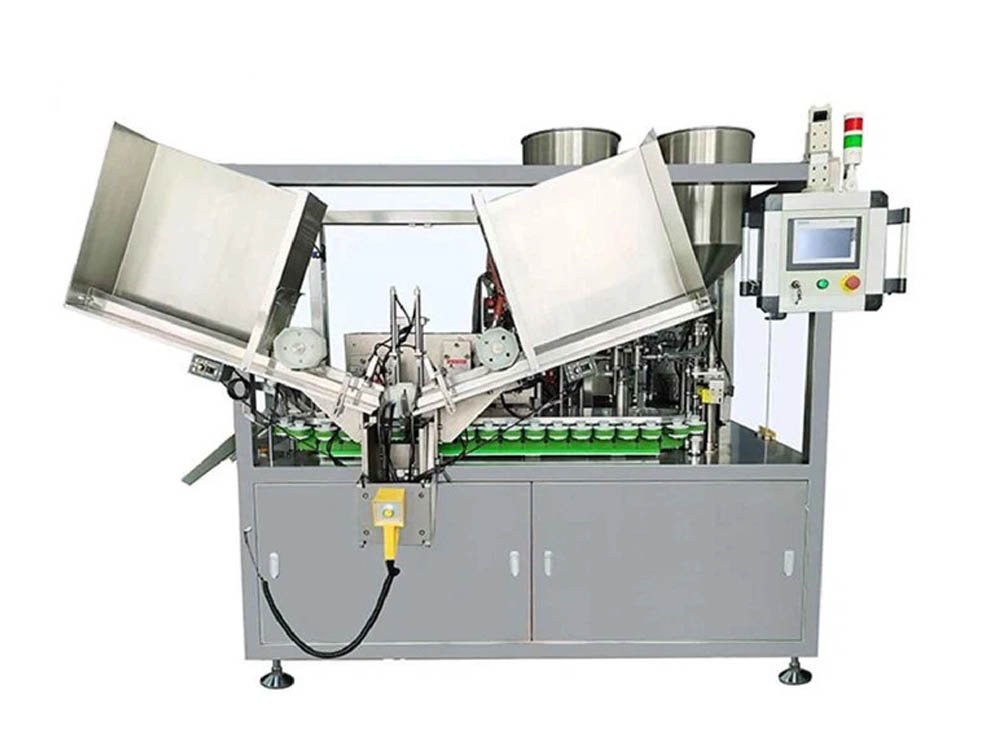
Tube Filling & Sealing Machine
Sauces, creams and pastes into laminate or plastic tubes.
Explore →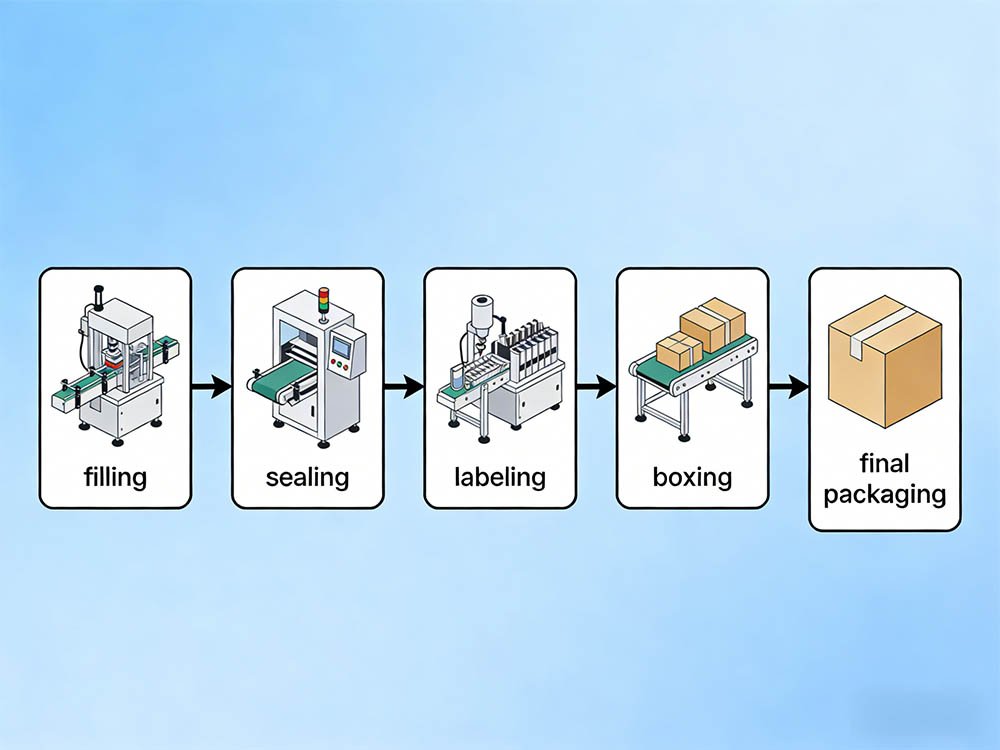
Automatic Filling Line
Integrated fill–cap–label–carton turnkey lines.
Explore →
Pricing & ROI Guide
Budget ranges and payback for filling & packing machinery.
Explore →
FAQ
Frequently Asked Questions
Can it fill thick, sticky liquids like honey and syrup?+
Yes. A servo piston dosing system, a heated jacketed hopper, and a suck-back anti-drip nozzle are designed exactly for high-viscosity products. The hopper keeps honey, syrup and chocolate at filling temperature while the nozzle snaps the thread cleanly so there is no stringing or drip.
Is the machine food-grade and safe for food contact?+
Yes. All wetted parts are SUS 316L with food-grade PTFE/silicone seals, built to 3-A sanitary, crevice-free, drainable principles and CIP-ready for hygienic cleaning between products. Material certificates are available to support HACCP and audits.
What containers and fill sizes does it support?+
It fills bottles, jars, cups, pouches and sachets with narrow or wide mouths, from 5 ml up to 1 litre as standard (larger on request). Format parts and recipe changeover let you move between sizes quickly.
Can it handle sauces with chunks or particulates?+
Yes. A large-bore piston option fills chunky sauces, salsas, jams with fruit pieces and toppings without crushing or jamming the solids, while still holding accurate fill volume.
What is the lead time and what support do you provide?+
Typical lead time is 45 to 70 days depending on heads, heating and capping options. Every machine includes installation guidance, operator training, a spare-parts kit and lifetime remote engineering support. Request a quote for a project-specific timeline.
Get Your Food Filling Line Quoted Today
Tell us your product, viscosity, container, and target output — our engineers will return a tailored configuration, hopper and capping options, turnkey scope, and price.