Opens in a new tab
Get Quote

High-barrier blister machines

Specify pharmaceutical blister equipment for your approved barrier materials, product and finished-pack acceptance requirements.

Discuss your pack

Discuss the material route, machine configuration and trial scope with HIJ Machinery.

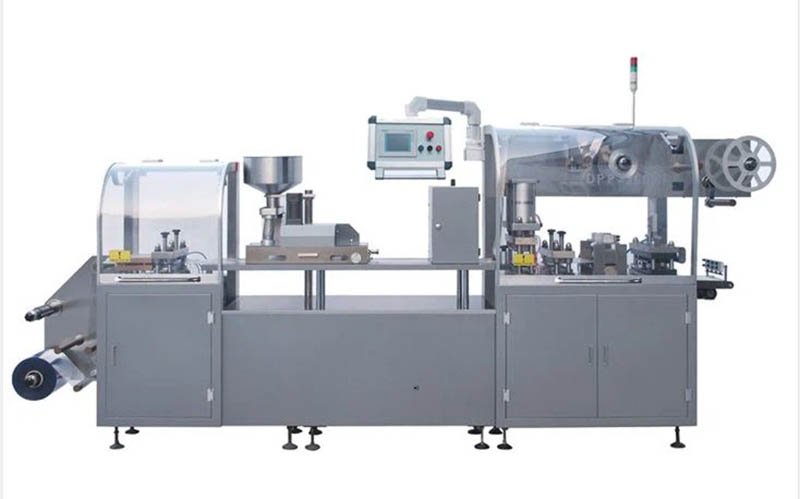
HIJ Alu-Alu blister machine with transparent safety enclosures and control panel
Alu-Alu equipment platform.

Start with the pack

High-barrier blister packaging combines the forming material, lidding, cavity design and sealing process to address the product’s moisture, oxygen or light-protection requirements. HIJ Machinery reviews the equipment around that complete pack specification, including feeding, web handling, tooling and the evidence required from a production trial.

For hygroscopic or effervescent products, start with the packaging and quality teams’ approved protection objective and distribution conditions. Record the exact material construction and the finished-pack test method. A material family name or an unformed-film datasheet alone does not establish performance for the finished package.

Moisture exposure
Identify the approved moisture-protection requirement and any limits on exposure before the product is sealed.
Oxygen control
Define the required package performance and measurement method, including any additional process or equipment scope.
Light protection
Specify the protection required from the complete pack, including its appearance and any secondary packaging.
Product handling
Include product dimensions, fragility, flow behaviour and the access needed for cleaning and changeovers.

Choose the forming route

Use the approved material construction to select the equipment review. These are project routes, not a promise that one standard machine runs every barrier film or laminate.

Alu-Alu cold form

Review the aluminium-based forming laminate, compatible lidding and the cold-form tooling together. The pack drawing needs the pocket shape, depth, corner geometry, flange and cutting layout.

The equipment discussion covers forming behaviour, foil guidance, feeding access, sealing and discharge. Product count and a headline cycling rate are not enough to specify the configuration.

Continue with the Alu-Alu machine configuration and define the sample pack for the trial.

Thermoformed barrier film

For a coated film or laminate such as PVC/PVdC or a PCTFE-containing structure, identify the supplier, grade, layer construction and compatible lidding. Barrier-film families contain different grades and constructions.

Review the heating and forming process, web movement, cavity geometry and seal interface with representative rolls. A transparent moisture-barrier film is not automatically a light-protection solution; the complete material structure must address the specified protection target.

Have the exact film and pack drawing reviewed before committing to a thermoforming configuration.

Material not yet selected

Align the candidate materials with your packaging team and material supplier first. Define the protection target, intended pack geometry, opening requirements and any appearance constraints.

Keep the equipment proposal tied to clearly identified candidate constructions. Where trial work is needed, agree the samples, questions to resolve and decision owner so a provisional material choice does not become an assumed production specification.

Use the project discussion to identify the remaining material and equipment decisions, then agree the trial scope.

Read material data

Use supplier data for the named grade, stated thickness or coating weight, test method and test conditions. Keep water-vapour and oxygen results separate, and compare values on the same basis. Film thickness in micrometres and coating weight in grams per square metre describe different properties.

Barrier data for a flat material and evidence from a formed, sealed pack answer different questions. Keep the material specification alongside the approved drawing and finished-pack results. Supplier literature helps shortlist materials; it does not certify the HIJ equipment or establish your product’s shelf life.

The hardware behind the pack

Each station has a specific job in delivering the agreed pack. The photographs show HIJ equipment and component views; the selected forming route and options are defined in the project configuration.

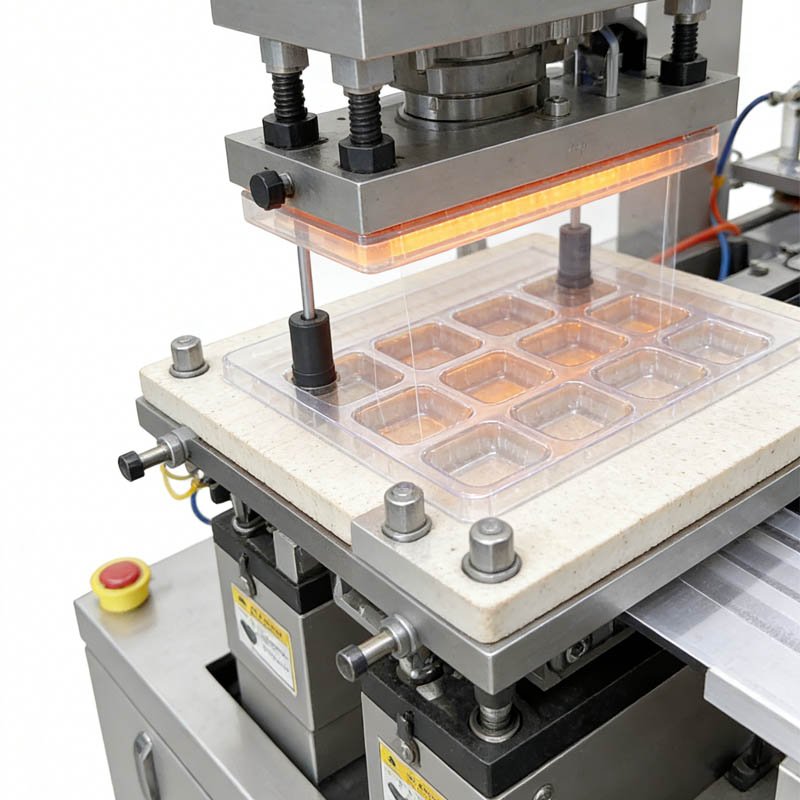
Forming-tooling assembly with a transparent formed web
Forming-tooling assembly.

Forming and tooling

Review pocket geometry, corner condition, flange flatness and tool access with the intended construction. The DPP-260/360K equipment reference describes replaceable tooling with a push-in, handle-lock arrangement. The format schedule should identify the parts required for each approved pack.

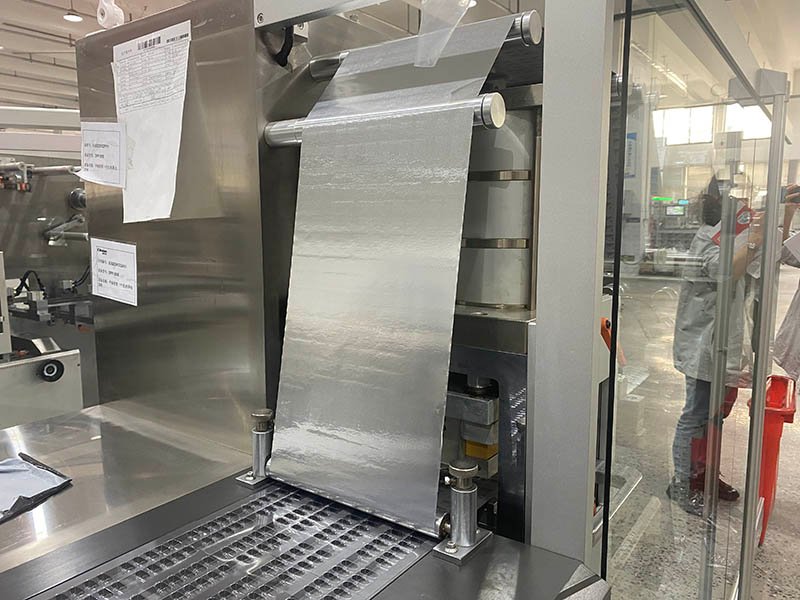
Lidding-foil path and sealing area on blister equipment
Lidding-foil path and sealing area.

Lidding and sealing

Define the lidding-to-forming-material interface and the proposed sealing process. During the trial, examine the finished seal and opening behaviour against agreed criteria. Include what happens to the sealing station during a stop and restart; the equipment reference describes sealing-tool lifting at stop.

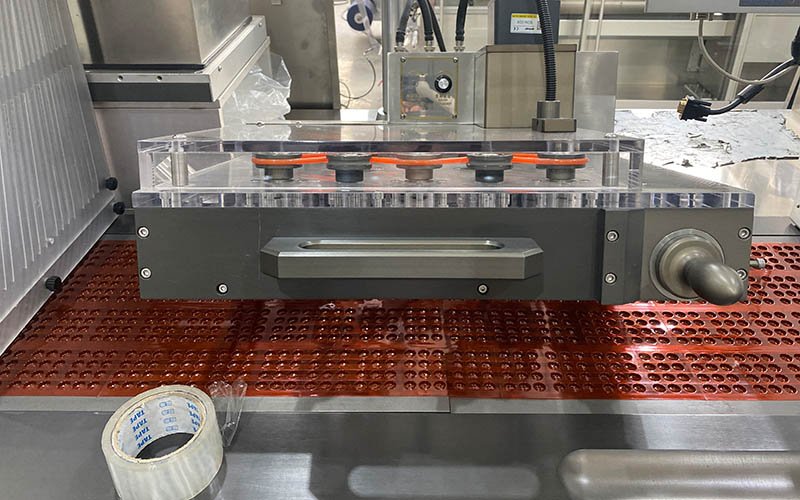
HIJ blister equipment loading station and formed-web path
Loading station and formed-web path.

Product loading

Match the feeder to product shape, dimensions and flow behaviour. Review access, cleaning, product support and handling of the unsealed pack. A trial should use representative product so filling performance is not inferred from an empty-machine demonstration.

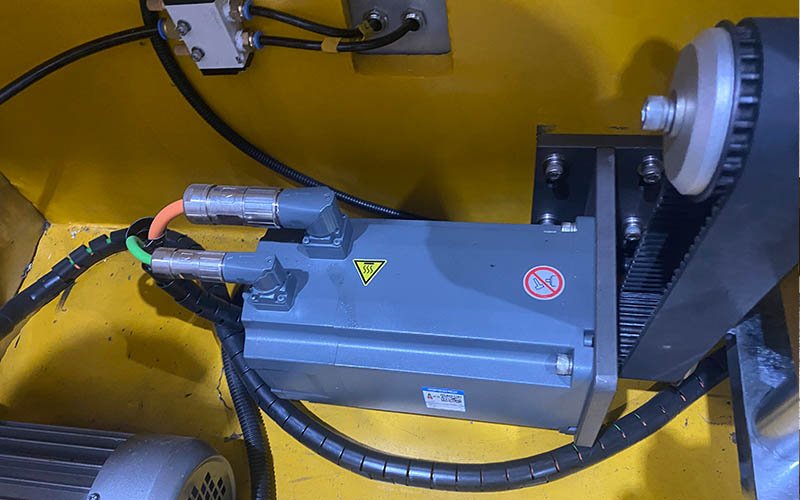
Servo drive component on HIJ blister equipment
Drive-component view.

Web movement

Specify the web-feed and registration arrangement. The equipment reference distinguishes mechanical web traction from optional servo web feed. Check index consistency, material tracking and the operating conditions for the selected format; a servo label alone does not establish accepted-pack output.

Agree the trial evidence

Turn the material and product brief into a defined acceptance run. Agree the test methods, sample quantities and decision responsibilities before the run, then retain records tied to the actual configuration.

Product and material identity
Record product samples, forming and lidding supplier/grade, material lot references and the drawing revision used for the run.
Formed pack condition
Review the agreed cavity geometry, corners, flange condition and handling through the line using the selected construction.
Finished-pack evidence
Identify the seal and barrier tests required, where they are performed, the acceptance criteria and the retained samples. Distinguish packaging-quality tests from machine-function checks.
Inspection and rejection
Name the checks to be supplied, the non-conforming conditions used to challenge them and how rejected packs are handled. Camera presence inspection is not the same test as package integrity.
Usable production output
Record the pack layout, cavities, loading method, run duration, accepted packs, rejects and stops. State output in the agreed finished-pack units rather than transferring a rate from another material or layout.

Assign responsibility for supplying samples, conducting tests, reviewing records and approving the outcome. Any humidity control, auxiliary equipment or external laboratory work belongs in the agreed scope. Documentation supplied with equipment and site qualification execution are separate responsibilities.

Make the supply scope clear

An equipment proposal should connect the selected material route to a defined machine, format and acceptance schedule. Keep required functions separate from options so procurement can compare equivalent scope.

Machine and format

Identify the forming route, feeder, web-feed arrangement, forming and sealing tooling, cutting layout and format-change parts. Use configuration-specific utility and installation information rather than a blended specification for several models.

Checks and records

Name the inspection/rejection functions and the records they produce. Define any data-management, access-control or electronic-record requirements in the project specification; these are not automatic consequences of having a PLC or touch screen.

Delivery and support

List the trial, drawings, manuals, agreed qualification support, training, installation, spares and service responsibilities. The itemized quotation should state inclusions, exclusions, commercial terms and the proposed delivery schedule.

Buyer questions

Can a clear blister protect a light-sensitive product?

Specify light protection independently of moisture protection. A transparent barrier-film label alone does not establish the required light barrier. Review the complete material construction, lidding and any secondary packaging against the product’s approved light-protection requirements.

Can we change the film supplier after qualification?

Treat a supplier or grade change as a packaging and process review. Compare the full construction, seal interface, tolerances and test data, then decide which trials and approvals must be repeated under your change-control process. The same material family name does not establish interchangeability.

Who establishes the product’s shelf life?

The product owner and its packaging and quality teams establish the supporting stability evidence for the approved product-and-pack combination. Machine trials demonstrate agreed equipment and pack-production results. A material datasheet, factory trial or machine certificate does not replace the product’s stability assessment.

What if the product has a short unsealed exposure limit?

Include that limit in the equipment discussion. Review feeding and holding arrangements, start-up and stoppage procedures, transfer time and any required environmental controls. Identify which controls belong to the equipment supplier and which belong to the production facility before agreeing the trial.

Review your high-barrier pack

Discuss the approved pack or candidate materials with HIJ Machinery. If you have already shared a URS, material specification or drawing, reference that file and revision; add only the changes or unresolved decisions. The proposal can then focus on the configuration and evidence your project needs.

Discuss your pack

Equipment is quoted to the agreed configuration, tooling, options and support scope.

HIJ DPP-260 equipment platform in the workshop
HIJ blister equipment in the workshop.

Let's Design Your Production Line

Share your requirements and I'll personally craft a solution that maximizes your efficiency and profitability.