

Syrup blister packaging
Specify a HIJ syrup blister packaging machine for individual oral-liquid packs, with the filling path, tooling and acceptance scope matched to your formulation.
Request quotationChoose the pack before the line
A syrup blister packaging machine forms liquid cavities, fills the formulation, seals the lidding and separates the finished packs. For a pharmaceutical project, start with the approved product requirements and intended pack—not a generic machine speed or a medicine name.
A multi-dose bottle and an individual blister organise supply differently. A bottle combines the closure and measuring arrangement with its instructions for use. A blister needs a defined fill, opening method, recoverable contents and identification for each unit or strip. Compare these requirements with your packaging and quality teams before changing the presentation.
The liquid blister machine overview covers the wider equipment route. Use the liquid-medicine application page for broader oral-liquid requirements, or the food application page for food syrups and condiments. This page focuses on specifying a syrup unit-dose line rather than choosing a clinical dose.
Match your formulation
Describe how the actual formulation behaves during preparation, holding, transfer and filling. State the permitted operating temperature and hold time; do not select heating or agitation solely because the product is called syrup.
Oral solution
Review viscosity at the filling temperature, foaming, air carried into the feed and nozzle shut-off. Identify any sensitivity to heat, light or oxygen with the product team. Define transfer and holding conditions that preserve the formulation's intended state through the run.
Suspension
Review particle characteristics, settling during holding and transfer, and the proposed mixing arrangement. Include samples from the relevant filling positions and stages of the run in the trial plan. Matching the fill volume alone does not address segregation in the product path.
Viscous formulation
Review delivery from the feed vessel, pressure losses, residual volume and the way the product strings or drips when filling stops. Specify whether temperature conditioning is required at the vessel, transfer path or nozzle. Check restart behaviour as well as uninterrupted filling.
These choices guide a product review, not an automatic pump recommendation. FDA's oral solutions and suspensions inspection reference discusses uniformity during holding, transfer and filling; it is a technical reference, not a machine approval.

Define the delivered pack
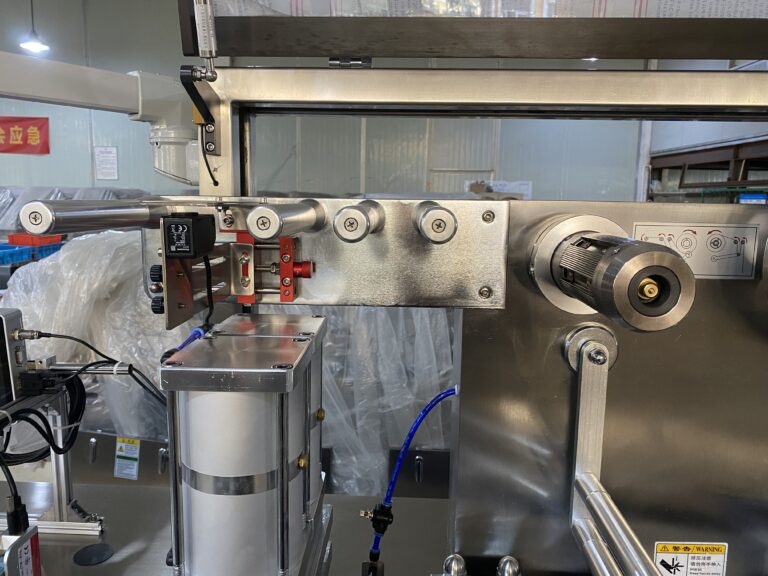
Use a dimensioned drawing showing cavity geometry, nominal fill, required headspace, sealing flange, opening feature, print area and final cut. Discuss how the contents are removed: filling the expected amount and dispensing that amount from the opened pack are different checks.
Specify the forming web and lidding as a pair. Include supplier grades, layer structures, thicknesses and the compatibility evidence required for the formulation and storage conditions. The approved material combination then becomes the basis for tooling and the sealing trial. The blister materials page explains the available material routes.
Agree the checks for leakage, seal continuity, opening behaviour and pack handling with your quality team. Include the intended shipping and storage conditions in the packaging assessment. For U.S. projects, 21 CFR 211.94 addresses drug-product containers and closures; it is not a blanket certification of a machine or film.
Changing the cavity or strip layout can affect forming, sealing, cutting, coding and downstream handling together. The tooling and format-change page covers those physical interfaces. Keep the pack drawing revision identified throughout quotation and trials.
Know what HIJ is quoting
- Machine and product path
- Identify the forming and filling arrangement, selected dosing principle, filling positions and feed interface. List the product-contact components, construction materials, seals, hoses and parts to be supplied for the formulation.
- Pack formats and tooling
- Name the forming, sealing and cutting tools, included pack drawings and change parts. Separate the first format from later formats; a quoted machine does not define an unlimited tooling allowance.
- Cleaning and access
- Review drainability, part removal, residual-product recovery and the cleaning method. Define the cleaning media, access needs and responsibility for product-change checks. Include any dedicated contact parts; do not assume a clean-in-place or steam-sterilisation system is standard.
- Inspection and services
- State the code checks, reject handling, alarms and records required. List drawings, manuals, factory acceptance, installation, training and qualification support individually, with their responsibilities and deliverables.
Request a current quotation for this scope. Give available floor space, power, compressed air, cooling and other site utilities before the layout is agreed. Price and delivery terms should come from that proposal, rather than an unverified online range.
Prove it on your syrup
Agree the trial product, web and lidding, pack revision, run conditions and acceptance limits before the demonstration. Record the conditions so that the result can be understood and compared with the proposal.
Fill result
Define nominal fill and tolerance, measurement method and sampling by filling position and run stage. If a volumetric setting is checked by mass, document the conversion basis and test conditions.
Filled-pack performance
Check seal and opening behaviour with the selected formulation and material pair. Include the specified package-integrity tests, test responsibility and retained samples. An image-based presence check is not automatically a leak test.
Stops and restarts
Observe the agreed stop, restart and product-holding conditions. Review drips, foam, settling and the condition of the seal area during these transitions, not just the best part of a continuous run.
Accepted output
State accepted finished units over the agreed duration, including rejects and stops. Record the cavity layout and any downstream limitation. Cycles per minute and finished doses per minute are different units of output.

Controls that fit your workflow

Define which settings belong to a product recipe and who may change them. Specify alarms, batch identification, event records, data retention and export requirements, together with any connection to site systems. Review the proposed control functions rather than assuming a screen brand guarantees them.
If electronic-record requirements apply to the project, agree the required functions, tests and documentation with your quality team. The electronic-records project page provides a starting point. Equipment functions, site procedures and qualification work have different owners; make those responsibilities explicit in the supply schedule.
For printed batch and expiry information, define content, position, verification and reject response. If the blisters feed a cartoner, state strip orientation, pack count and the interface signals. Review blister cartoning and the turnkey line overview for the downstream scope, without assuming those machines are included.
Syrup buyer questions
Does fill volume confirm drug strength?
No. Fill quantity and the concentration or uniformity of the drug product are different results. The product manufacturer must define the required analytical and sampling controls for the formulation. Agree how the filling trial connects to those controls; do not treat a pump's volume result as evidence of finished-product strength.
Does unit-dose mean sterile?
No. An individual sealed pack does not establish sterility or a preservative-free formulation. Define the product's required microbiological quality, preparation, environment and packaging process with the responsible product and quality teams. Include any aseptic or sterilisation requirement explicitly in the project scope and evidence plan.
Are the packs child-resistant?
Treat child resistance as a separate packaging requirement, not a property implied by the term unit-dose. Specify the intended opening design, user needs and applicable testing with your packaging team. The machine, tooling and lidding must then be reviewed against that particular pack design.
Discuss your syrup project
Send the formulation description, nominal fill and target pack drawing, together with required accepted output and the relevant product-handling limits. Add the site layout and required records or services. Identify open decisions so HIJ can discuss a forming, filling and sealing configuration and prepare a quotation against a clear supply boundary.