Choose the wrong tube material and you find out six months later — when the avobenzone in your sunscreen has degraded, the fragrance has walked out through the tube wall, or your premium cream sits in a package that creases like toothpaste. Tube material is a formulation decision, a brand decision and a machinery decision at the same time. Here is how PE, ABL and PBL actually differ, and how to choose.
PE tubes are mono-material plastic: cheapest, recyclable, but the weakest oxygen barrier. ABL tubes laminate an aluminum foil layer into the wall: the best barrier for oxygen, light and moisture, with a “dead fold” pharmaceutical look. PBL tubes use a plastic EVOH barrier layer instead: nearly ABL-level protection with a glossy, spring-back cosmetic feel. For sunscreen, ABL or high-barrier PBL is the safe choice; for body lotions, PE is usually enough.
Key Takeaways
- The barrier question comes first: organic UV filters, vitamins, fragrances and natural actives degrade through low-barrier walls. Match the material to the formula, then to the brand look.
- ABL = aluminum foil barrier, dead-fold crease, pharma heritage. PBL = EVOH plastic barrier, spring-back wall, cosmetic gloss. PE = mono-material, lowest cost, best recyclability.
- All three weld with hot air, because all three have a polyethylene inner layer — one machine seals the full range with a mold and parameter change.
- ABL needs adjusted sealing parameters: the aluminum layer conducts heat away, so air temperature and blow time differ from PE settings.
- Recyclability pressure is moving the market from ABL toward mono-PE and PBL — if you sell in the EU, plan for it now.
About the author — Forester Xiang
Forester combines deep technical knowledge with 20+ years of global market experience. Having personally audited 100+ cosmetic and pharmaceutical factories across 30+ countries, he helps clients buy not just a machine, but a complete, compliant, and profitable packaging solution.
The 3 Tube Materials, Explained
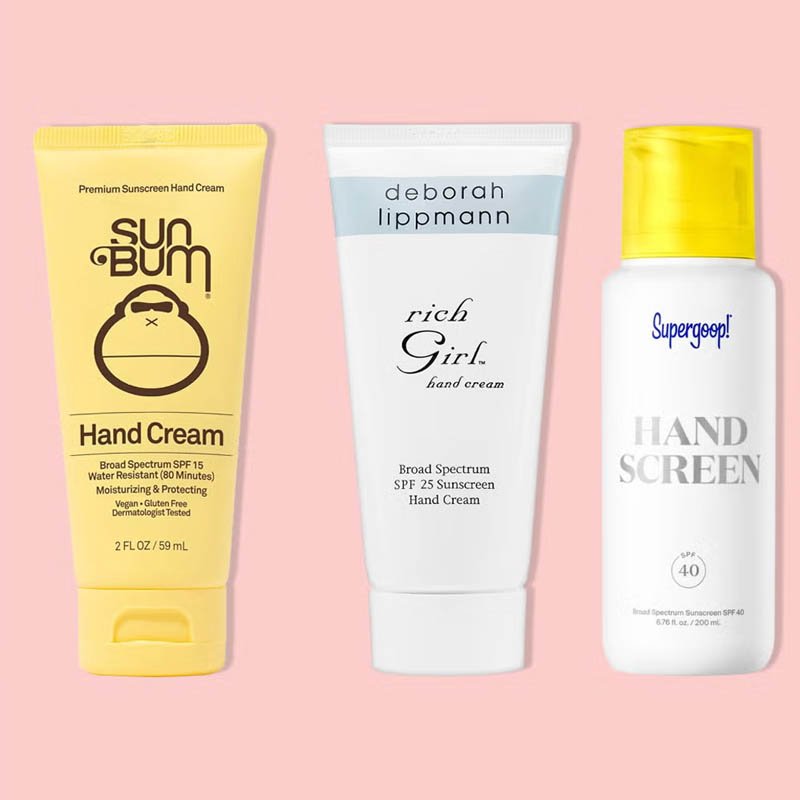
PE Tubes (Mono-Material Plastic)
A PE tube is extruded from polyethylene as a single material, making it the cheapest tube to buy and the easiest to recycle. The wall is flexible and springs back after squeezing, takes vivid offset or silkscreen decoration, and welds easily. Its weakness is the barrier: oxygen and fragrance migrate through plain PE walls over months. Co-extruded versions add an EVOH layer to fix this — at which point the tube is technically becoming a PBL. Best for: body lotions, shampoos, rinse-off products, short shelf-cycle SKUs.
ABL Tubes (Aluminum Barrier Laminate)
An ABL tube laminates a thin aluminum foil between plastic layers, giving the best available barrier against oxygen, light and moisture. The aluminum also gives ABL its signature behavior: it dead-folds — the tube stays creased where squeezed, the familiar look of toothpaste and pharmaceutical ointments. Decoration is good, cost sits in the middle, but the mixed-material wall is the hardest of the three to recycle. Best for: high-active formulas, pharma ointments, toothpaste, oxygen-sensitive sunscreens.
PBL Tubes (Plastic Barrier Laminate)
A PBL tube replaces the aluminum with a plastic EVOH barrier layer, reaching near-ABL protection while keeping a glossy, spring-back cosmetic wall. This is why PBL has become the default for premium skincare: barrier performance close to ABL, the resilient feel consumers associate with cosmetics rather than pharmacy, and a better recycling story. Cost is the highest of the three for equivalent sizes. Best for: premium creams, serums in tubes, most modern sunscreen lines.
PE vs ABL vs PBL: Comparison Table
| Criterion | PE (Plastic) | ABL (Alu Laminate) | PBL (Plastic Laminate) |
|---|---|---|---|
| Barrier (oxygen / light) | Low (EVOH co-ex: medium) | Best — foil layer | High — EVOH layer |
| Wall behavior | Springs back | Dead-folds (creases) | Springs back — premium feel |
| Look & decoration | Good, glossy | Good, pharma look | Best for cosmetics |
| Relative cost | Lowest | Middle | Highest |
| Recyclability | Best (mono-material) | Hardest (mixed wall) | Improving (plastic-only) |
| Hot-air sealing | Standard settings | Adjusted temp/time (foil conducts heat) | Standard settings |
| Typical products | Lotions, rinse-off | Toothpaste, ointments, sensitive sunscreens | Premium skincare, modern sunscreens |

Which Material for Sunscreen?
For chemical (organic-filter) sunscreens, choose ABL or high-barrier PBL: filters like avobenzone degrade on oxygen exposure, and the barrier layer is what protects your SPF claim over the product’s shelf life. Mineral sunscreens (zinc oxide, titanium dioxide) are far less oxygen-sensitive, so PBL or co-extruded PE with EVOH is usually sufficient — and gives the modern cosmetic look most sun-care brands want. If your brand sells in the EU, weigh the recyclability direction too: regulation is pushing away from mixed-material ABL walls.
Ask your formulator one question before choosing the tube: “What does our stability study assume about oxygen?” I have seen brands pass a 12-month stability test run in glass jars, launch in plain PE tubes, and fail SPF verification at month eight. The tube wall is part of the formula’s environment — test stability in the actual tube material you will ship.
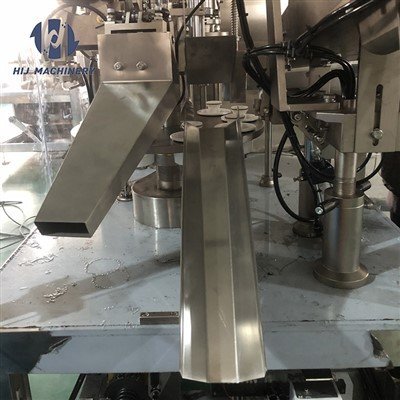
What Your Material Choice Means for the Machine
The good news: you do not need a different machine per material. All three walls share a polyethylene inner layer, so hot-air sealing covers the full range — the differences live in the settings and tooling:
- ABL needs its own seal recipe: the foil layer conducts heat away from the weld zone, so air temperature and blow time are set higher than for PE/PBL. A stable generator (the TF-60 uses a Swiss LEISTER unit) holds these recipes repeatable shift after shift. For the full technology comparison, see hot air vs ultrasonic tube sealing.
- Each diameter needs a mold set, not a machine: switching between 30 mm PE and 40 mm PBL is a quick-change mold plus a stored parameter recipe — under 30 minutes on the sunscreen cream tube filling and sealing machine.
- Confirm format range before buying: the TF-60 accepts 13–50 mm diameters and 50–210 mm lengths across all three materials; a general-purpose cosmetic tube filling sealing machine covers the same materials for lotions, gels and ointments.
- Send tube samples before the machine ships: molds are made to your exact tubes and verified at FAT — this is why we ask for samples with the order.
Frequently Asked Questions
What is the difference between ABL and PBL tubes?
ABL (Aluminum Barrier Laminate) tubes contain a thin aluminum foil layer, giving the strongest barrier against oxygen, light and moisture, and a dead-fold wall that stays creased when squeezed. PBL (Plastic Barrier Laminate) tubes replace the foil with a plastic EVOH barrier layer: protection close to ABL, but a glossy spring-back wall with a premium cosmetic feel and a better recycling profile.
Which tube material is best for sunscreen?
For chemical sunscreens, ABL or high-barrier PBL is best, because organic UV filters such as avobenzone degrade on oxygen exposure and the barrier layer protects the SPF claim through shelf life. Mineral (zinc oxide / titanium dioxide) sunscreens are less oxygen-sensitive, so PBL or EVOH co-extruded PE is usually sufficient. Always run the stability study in the actual tube material you will ship.
Are PE cosmetic tubes recyclable?
Mono-material PE tubes are the most recyclable of the three constructions, because the wall is a single polymer that fits existing HDPE/LDPE recycling streams (cap and shoulder compatibility permitting). ABL tubes are the hardest to recycle due to the bonded aluminum-plastic wall; plastic-only PBL sits in between, and recyclers’ acceptance of EVOH-containing walls is improving.
Can the same machine fill and seal PE, ABL and PBL tubes?
Yes. All three constructions have a polyethylene inner layer, so one hot-air machine such as the TF-60 tube filling and sealing machine seals the full range. Each tube diameter uses a quick-change mold set, and each material uses a stored seal recipe — ABL runs hotter air and longer blow time because its foil layer conducts heat away from the weld.
Which tube material is cheapest?
Plain PE tubes are the cheapest, ABL sits in the middle, and PBL is typically the most expensive for equivalent sizes and decoration. The honest comparison is cost per protected shelf-life month: a cheaper wall that lets the formula degrade costs far more in returns and reformulation than the few cents saved per tube.
Picked Your Tube? Let’s Match the Machine.
Send me your tube specification — material, diameter, length — and your formula type. I’ll confirm the right mold set, seal recipe and machine configuration, with samples verified at FAT before shipment.
Get a Free Tube & Machine Match