Opens in a new tab
Tea & herbal infusions · Retail carton packing

Tea Bag Cartoning Machine for Counted Retail Packs

Bring the tea bag, pack count and carton together in one configuration review. HIJ supplies project-configured tea bag cartoning equipment, with feeding, grouping and carton loading assessed around your actual samples.

Define whether each tea bag has an individual outer envelope, how the bags should sit in the box and the accepted output you need. Those details determine the equipment scope—not the carton size alone.

  • Configuration-led quotation
  • Count & layout review
  • Sample-based acceptance
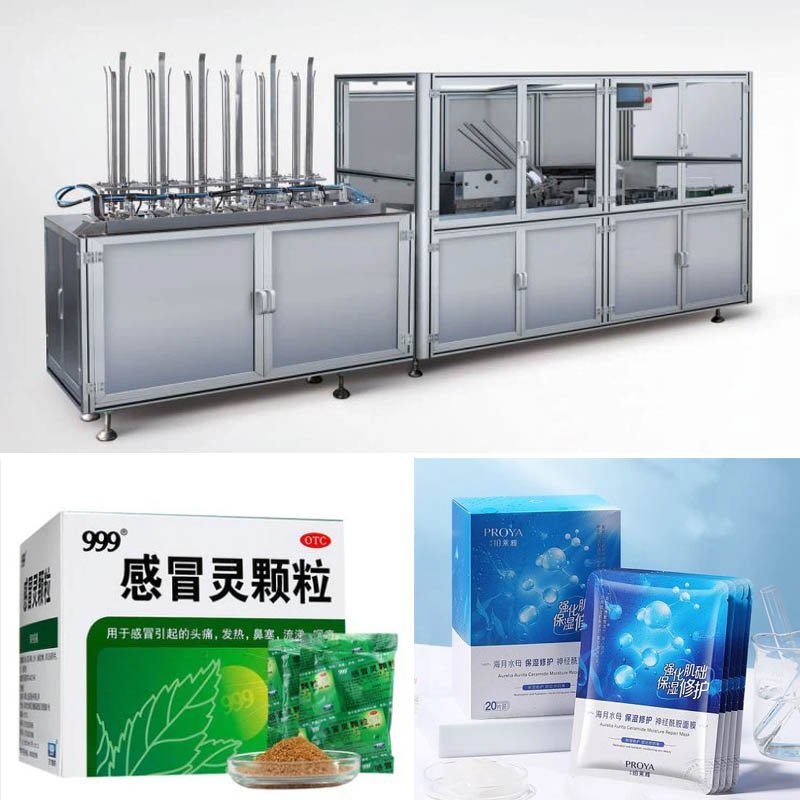
HIJ horizontal cartoning platform with pharmaceutical and cosmetic sample packs
HIJ platform reference, not a tea-bag trial photograph. The pictured packs are other applications; a tea-bag feeder, grouping arrangement and tooling require a separate configuration review.
Start with what enters the carton

Tea bags with and without outer envelopes need different handling reviews

A tea bag cartoning machine loads a specified group of finished tea packs into folding retail cartons. Making the filter bag, dosing loose tea and sealing an individual outer envelope are separate processes unless they are explicitly included in the line proposal.

Individually enveloped

Flat outer sachets

Supply finished envelopes with their actual seal margins, thickness variation and surface finish. Specify the presentation: upright, laid flat or grouped in rows. Check that guides retain the group without folding an envelope edge into a carton flap.

Separate feasibility review

Tea bags without an envelope

Filter material, exposed string and tags change the handling problem. Identify snagging, compression and product-contact considerations before selecting a feeder. Do not assume an envelope configuration can also handle bare or pyramid bags.

More than one recipe

Assorted retail packs

List each tea variety and the number required per carton. Separate lanes, pre-grouped assortments and manual presentation are different loading concepts; define which approach the quotation covers and how a wrong variety is detected.

Send the complete pack: tea bag, envelope if used, string and tag arrangement, carton blank and any divider or leaflet. State which features may vary between production batches. Compatibility remains subject to the reviewed configuration and sample results.

Bags per minute are not cartons per minute

Set the pack count before you select the line speed

Divide the accepted supply of tea packs by the number required in each box. That gives an upstream supply ceiling, not a guaranteed cartoner output. Grouping interruptions, carton handling and rejects can reduce the number of good cartons leaving the line.

Use the flow reaching the cartoner after upstream rejects, not just the nameplate speed of a tea-bag maker. For multiple varieties, calculate each required stream separately: the slowest required stream limits how many complete assortments can be formed.

Also specify the restart rule. A partly filled grouping pocket must not silently become the first carton after a stop. Ask how the system identifies, completes or removes the unfinished group.

Specify the sequence

From individual tea packs to a closed retail carton

Agree a feeding concept before treating the line as fully automatic. Hand-presented groups and automatic individual-pack counting have different operator tasks and acceptance tests.

  1. Receive and orient

    Define the upstream discharge position, pack spacing and supported orientation. Review whether the envelope machine supplies a stable single stream or several lanes, and where rejected or damaged packs leave that stream.

  2. Count and form the group

    Set the required quantity, rows and layers. Specify how doubled, missing or skewed packs are detected and handled. A sensor detecting an occupied pocket is not necessarily counting the individual tea bags inside it.

  3. Open the carton and load

    Review carton opening, group support and insertion clearance together. The loaded stack must pass through the carton opening without catching strings, tags, envelope seams or a divider. Assess the fullest stack, not only an empty carton.

  4. Close, check and discharge

    Agree tuck or glue closure, coding where needed, the inspection method and reject response. Keep incomplete or uncertain packs out of the accepted stream. Define what downstream equipment does when the cartoner stops.

For broader feeder concepts, see the automatic cartoner infeed guide. The tea-pack sample review determines which concept is suitable here.

Platform evidence & project-specific scope

A cartoning platform is the starting point, not the complete tea-bag specification

The HIJ WZTS-130 automatic cartoning platform provides a reference for the carton-handling part of the project. Its supplied documentation describes automatic cartoning, shortage handling and finished-product counting. Those functions do not, by themselves, establish an individual tea-bag counting feeder.

Planning itemDocumented platform referenceConfirm for your tea pack
Carton handling rateWZTS-130: 30–80 cartons/minAccepted output with the actual pack count, feeder and carton; this range is not a tea-bag output guarantee.
Carton dimensions70–200 × 30–150 × 13–70 mm (L × W × H)Approved drawing, usable internal space and loading clearance for the complete group.
Carton board300–350 g/m², depending on carton sizeBoard construction, caliper, creases and opening behaviour using production blanks.
CountingFinished-product count displayIndividual tea-pack counting, group verification and missing/double-pack rejection as a separately defined scope.
ClosingTuck closing; hot-melt applicability describedClosure tooling, glue unit if selected, consumables and agreed closure test.

Do not use the reference platform dimensions or motor rating as the final footprint or utility demand of a complete tea line. Include feeding, grouping, inspection, guarding and operator access in the layout supplied with the project proposal.

Make acceptance observable

Test the count, the bag condition and the line recovery

Prepare a small format matrix before the trial: envelope dimensions, bags per carton, arrangement, carton drawing and target accepted output. Include the most difficult pack, not only the easiest format to run.

ChallengeWhat to observeWhat to record
Missing or doubled packWhether the configured check identifies the wrong group and prevents its release as an accepted carton.Challenge quantity, detection response and physical disposition of each affected group.
Loose string, tag or seal marginSnagging, folding, scuffing or contact with the carton closing path.Sample construction, handling position and acceptable finished-pack condition.
Stop with a partial groupHow counting state is retained or reset, and what happens to packs already in the feeder.Stop point, restart procedure and inspection of the first accepted cartons.
Change count or tea varietyRequired format parts, lane clearance, recipe checks and first-piece verification.Last good carton of the old format, first sustained good output of the new format and remaining materials.

A checkweigher is not automatically proof of exact count. Evaluate whether the weight difference between correct and incorrect groups remains distinguishable despite tea fill, envelope and carton variation. Agree the measurement and rejection method before purchasing.

Use the cartoning machine FAT checklist to put the test conditions, evidence and acceptance responsibilities into the project scope. A demonstration clip alone does not establish sustained production performance.

Plan for the next SKU

Changeover includes material clearance, not just a saved recipe

When moving from one tea variety or carton count to another, clear the relevant feeder lanes, grouping pockets and carton magazine. Check printed materials and remove remaining packs that belong to the previous recipe.

Ask which settings are recipe-controlled and which require guides, pockets, change parts or manual adjustment. If a count changes the stack dimensions, the carton and loading path may also change. Confirm the first-piece approval and restart procedure for each approved format.

Define the line interfaces

  • Accepted-pack supply and discharge height from the upstream machine.
  • Starvation, blocked-discharge and stop/restart signal exchange.
  • Space for replenishment, reject collection and cleaning access.
  • Who controls the buffer and releases a held or uncertain group.

A quoted cartoner does not automatically include the tea-bag maker, outer-envelope sealer or downstream case packer.

Quotation by configuration

What changes the tea bag cartoning machine price?

The quotation depends on the base cartoner, presentation method, counting and grouping system, carton formats, closing equipment and inspection scope. Upstream integration, additional recipes and acceptance requirements can change the project work.

Compare offers against the same finished pack and responsibilities. One proposal may assume operators supply pre-counted groups; another may include automatic counting from an envelope machine. Those are different purchases even if both are called a tea bag cartoning box packing machine.

Request an itemised scope covering included formats, optional equipment, utilities, sample trials, documentation, installation responsibilities and current commercial terms. No fixed tea-application price or delivery period is assumed from a generic platform quotation.

Questions before quotation

Tea bag cartoning machine FAQ

Does a tea bag cartoning machine also fill tea into filter bags?

Not by definition. Cartoning loads finished tea packs into retail cartons. Tea dosing, filter-bag making, string and tag attachment, and outer-envelope sealing belong to separate processes unless the proposed line explicitly includes them.

Can one configuration handle both enveloped and bare tea bags?

Do not assume so. Outer envelopes, exposed filter material, strings, tags and pyramid shapes need different handling assessments. Submit each finished format for feeder, contact-surface and loading review before combining them in one specification.

Can the machine pack different numbers of tea bags per carton?

State every required count and arrangement in the format list. A change may need different grouping pockets, guides, loading parts or cartons as well as a control recipe. Compatibility and changeover scope must be confirmed with the selected configuration.

Does the finished-carton counter verify the number of tea bags inside?

No. Counting discharged cartons is different from counting individual tea packs and confirming the loaded group. Specify the required count-checking method, missing or doubled pack response and physical rejection tests separately.

What speed should I specify for tea bag carton packing?

Specify accepted cartons per minute together with bags per carton and the accepted upstream pack supply. Divide packs per minute by packs per carton to calculate the supply ceiling, then verify actual output with the selected feeder, carton and test conditions.

What should I send to obtain a quotation?

Send the finished tea pack dimensions and photos, whether an outer envelope is used, count and arrangement per carton, carton drawing, upstream supply rate and desired accepted output. Include all formats, inspection requirements and a line layout if available.

Your tea pack. A defined equipment scope.

Request a tea-bag cartoning configuration review

Start with one representative pack and the carton you want to produce. Identify open requirements so HIJ can distinguish the documented platform from the feeding, grouping and inspection work your application needs.

Use the contact page

Arrange photos, drawings or sample transfer through the contact channel agreed with HIJ. Do not send sensitive product information until the appropriate exchange method is confirmed.

  • Pack: bare or enveloped, dimensions, string and tag details.
  • Recipe: quantity, rows, layers and tea varieties per carton.
  • Carton: drawing, board, divider and closure.
  • Line: accepted supply, target output, interfaces and layout.
  • Acceptance: count checks, pack condition, restart and changeover tests.

Let's Design Your Production Line

Share your requirements and I'll personally craft a solution that maximizes your efficiency and profitability.