BEFORE SHIPMENT · CARTONER ACCEPTANCE
Use this cartoning machine FAT checklist to agree sample tests, measure accepted output and verify rejection before shipment. Copy the starter matrix, prepare your enquiry brief and ask HIJ to review the configuration for your product.
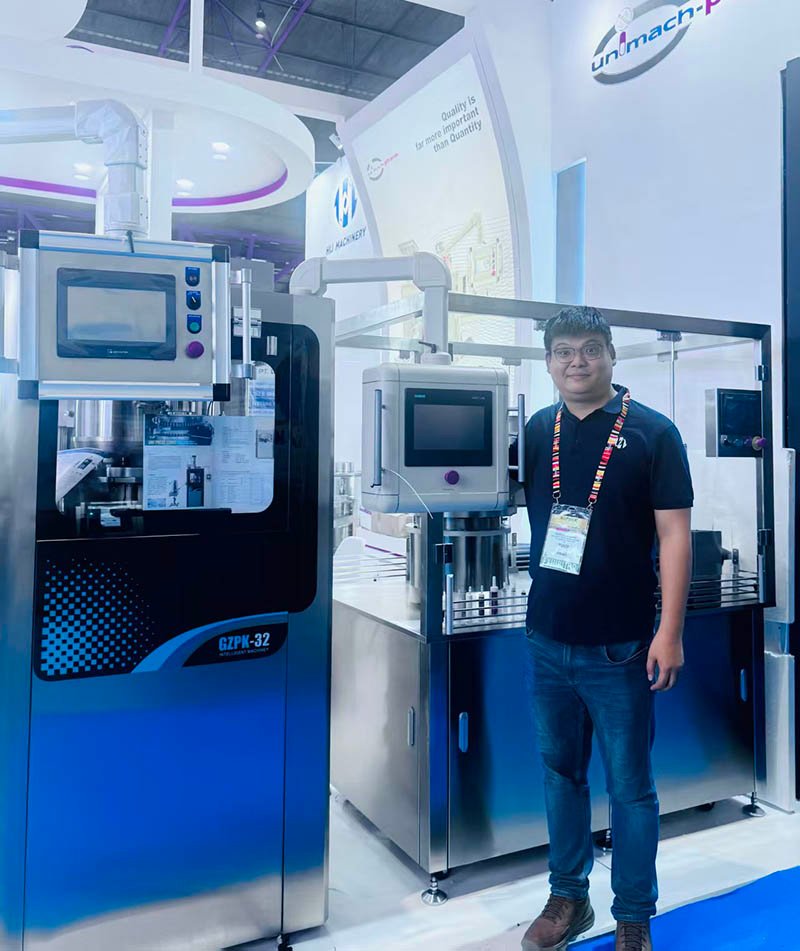
A factory acceptance test for a cartoning machine is a planned evaluation at the supplier before delivery. A running demonstration can help you understand the mechanism; acceptance requires defined samples, methods, limits and evidence. Procurement, production engineering and quality should agree those details with the supplier before the test starts.
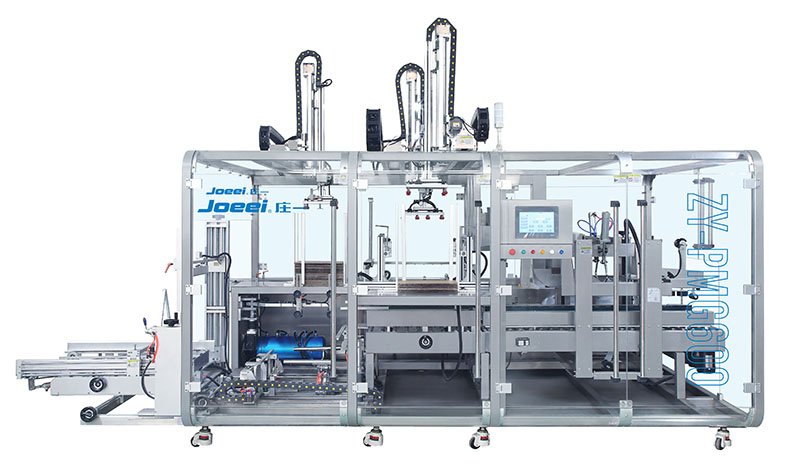
Comparing equipment first? Explore food cartoning machine models and specifications or the WZTS-130 automatic cartoner platform.
1. Set the cartoning machine FAT boundary before testing
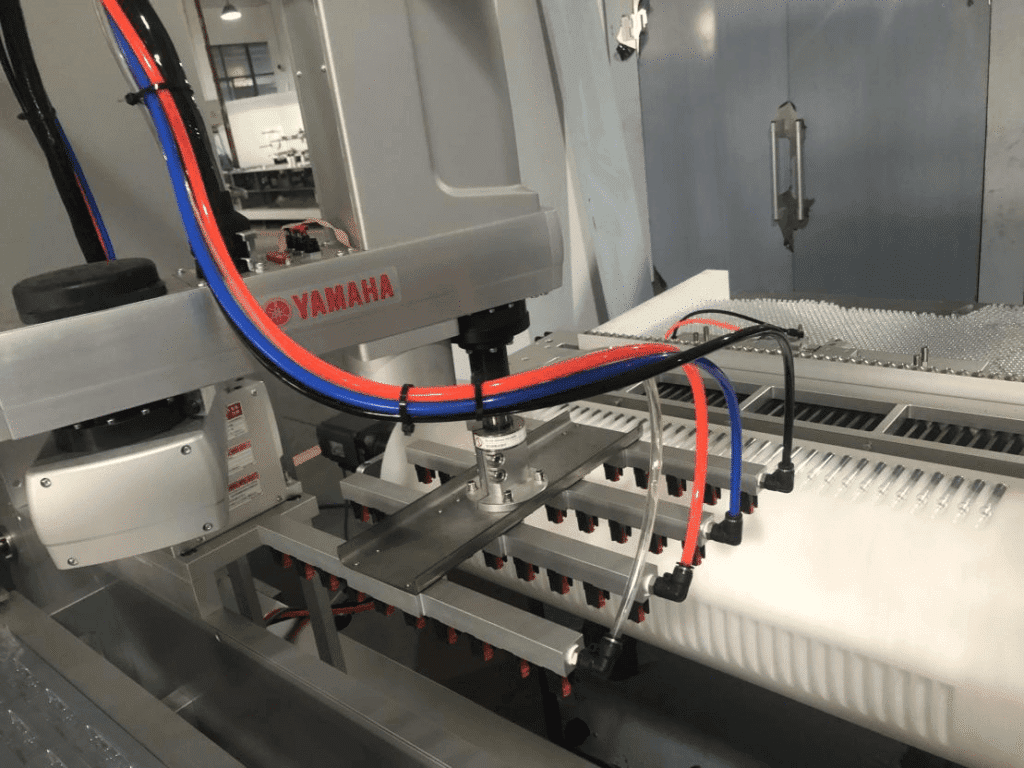
Identify the machine, revision, feeder, format parts, leaflet equipment, closure system, coding device and inspection options included in the purchase. Record the controls recipe and software revision used for the test. If the supplier demonstrates a different feeder or substitutes a carton, document the difference and decide which requirements remain untested.
Your user requirements specification (URS) should link to a test matrix. Give each requirement an identifier, test method, acceptance criterion, result and evidence reference. For example, “missing leaflet detection” needs the agreed challenge, control response and disposition of the affected carton; the words “sensor fitted” only describe a component.
Separate FAT, SAT and qualification
Factory testing checks the agreed supplier configuration. Site acceptance testing (SAT) checks relevant functions after delivery in the installed environment. Installation, operational and performance qualification address the plant’s approved qualification scope. Passing a FAT does not by itself qualify your production process or approve a medicinal product.
For pharmaceutical projects, EU GMP Annex 15, sections 3.4–3.7, describes vendor testing against the URS, justified use of some factory evidence at later stages, and supplementary site testing. Your quality team determines the applicable protocol. Food and cosmetic buyers should define their own product, inspection and site requirements rather than adopt a pharmaceutical protocol unchanged.
2. Send representative products, cartons and leaflets
Use production-representative filled packs and cartons from the intended converter. Identify the sample batch, carton drawing revision, board specification, closure style and leaflet revision. Include normal dimensional variation. A carefully selected empty sample may behave differently from the filled product you intend to sell.
Choose the formats that stress different parts of the system: the tightest loading fit, least stable product, largest counted group, smallest carton and most difficult leaflet. The highest-volume SKU matters too. A “worst case” should be justified by handling or quality risk, not selected only because it is the largest box.
| Application | Representative samples | Main test question |
|---|---|---|
| Sachets and stick packs | Filled sealed packs, count and layer recipe, production cartons | Does the complete group remain controlled through loading and restart? |
| Coffee capsules or pods | Actual capsule geometry, required orientation, separators if used | Are orientation, count and product condition preserved? |
| Blisters, bottles or tubes | Approved primary packs, carton and leaflet variants | Are product and leaflet paired, loaded and inspected as specified? |
Agree sample quantities from the planned run, setup allowance, challenges and repeat tests. For illustration, 40 cartons/min for 30 minutes requires 1,200 cartons for the production run alone; twelve products per carton requires 14,400 products before extra samples are allowed for. These are planning calculations, not a required universal FAT duration or HIJ test results.
Tell the supplier about handling, transport or storage restrictions before dispatching samples. If substitutes are necessary, agree what they can demonstrate and what needs confirmation with actual production materials later.
3. Use this cartoning machine FAT checklist
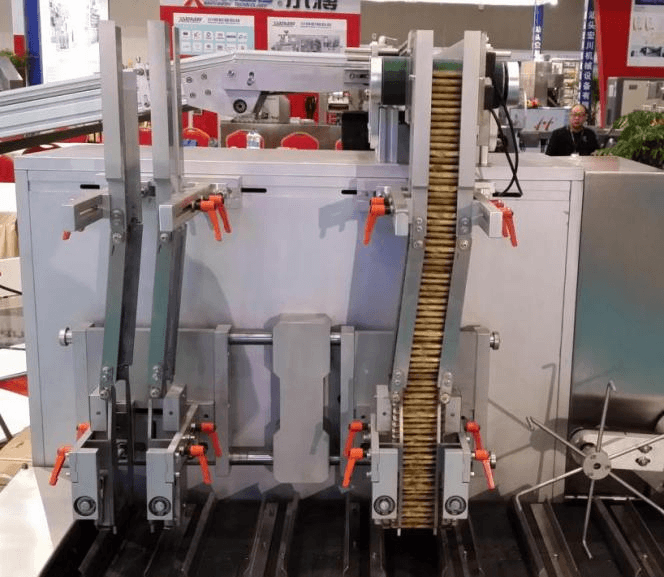
The table is a starter matrix for preparing your protocol. It does not supply universal pass limits. Add your URS reference, numerical or observable acceptance criterion, test method, evidence file and reviewer to each applicable row. Mark an excluded function explicitly instead of silently skipping it.
| Test area | What to demonstrate | Evidence to retain |
|---|---|---|
| 01 · Build and scope | Purchased configuration, format parts and agreed utilities match the reviewed documents. | Machine identity, revision, option list, drawing and utility checks |
| 02 · Feed and grouping | Products arrive in the specified orientation and count; incomplete groups follow the approved response. | Recipe, pack observations, group-count challenge results |
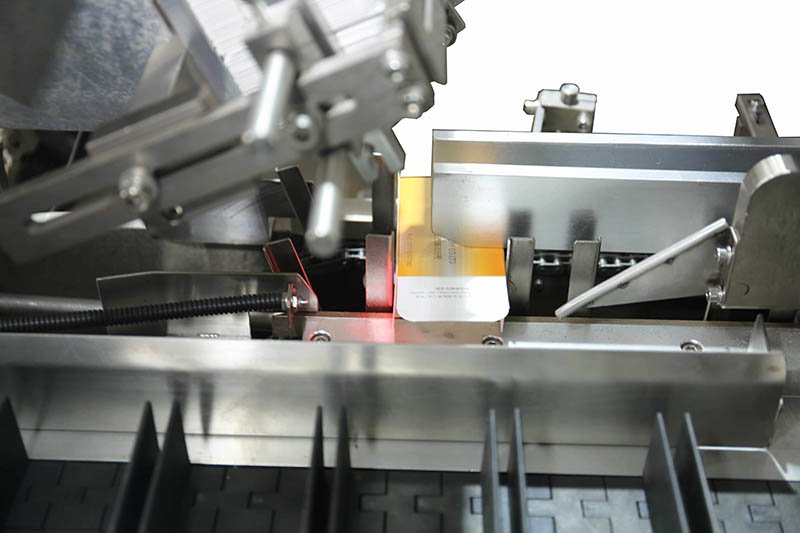
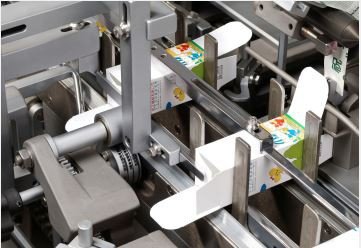
| 03 · Carton opening | Production blanks open and transfer with the agreed board and crease variation. | Carton batch, opening faults and stop log |
| 04 · Loading and leaflet | Product and specified insert enter without unacceptable damage, trapping or omission. | Inspected cartons, leaflet recipe and defect records |
| 05 · Closure and coding | Required flap engagement or adhesive closure and the defined code content are achieved. | Approved carton examples, closure checks and code records |
| 06 · Detection and reject | Each purchased inspection function identifies its specified challenge and contains the affected pack. | Challenge IDs, alarm response, physical disposition and reconciliation |
| 07 · Accepted output | The agreed SKU meets the accepted-carton target over the defined elapsed interval. | Start/end time, accepted count, rejects and all stops |
| 08 · Stop and restart | Starvation, blockage and planned restarts produce the specified controlled recovery. | Event sequence and first-carton checks after restart |
| 09 · Changeover and access | Agreed formats change using the supplied parts and method; cleaning and service access match scope. | Timed changeover, parts list, recorded settings and access observations |
| 10 · Documents and release | Required records, training and outstanding-item responsibilities are complete for the agreed release decision. | Approved report, deviations, retest evidence and authorised disposition |
Guarding, interlocks and emergency-stop functions belong in the agreed test plan where applicable. Have competent personnel perform the supplier’s approved procedures with the required isolation and controls. Do not bypass protective devices to create a production challenge.
4. Measure accepted output over the whole test interval
A rated speed, HMI setting and accepted production rate are different measurements. Count the cartons that meet the agreed inspection and quality requirements, then divide by the elapsed test time. Define the start and finish before the run, including how normal refills and stops are treated. Do not remove an inconvenient stoppage from the denominator after seeing the results.
For an illustrative 30-minute run, 1,080 accepted cartons gives 36 accepted cartons/min. If 1,100 cartons were discharged within the same reconciled boundary and 20 failed acceptance, the discharge-based acceptance fraction is 98.18%. That percentage describes this example run; it is not OEE, an inspection-system guarantee or a statistical estimate for all future production.
Calculate the measured accepted rate
Enter recorded results from one consistently defined interval. Example values are illustrative.
Accepted rate = accepted cartons ÷ elapsed minutes. Acceptance fraction = accepted ÷ discharged × 100%. Record stops, withheld packs and unaccounted packs separately. This tool does not make a pass/fail decision.
Do not infer capacity from a feeder-free run
If the test uses hand loading instead of the offered automatic feeder, it cannot establish the feeder’s output. Similarly, a carton-discharge counter cannot establish correct sachet count unless the defined contents checks are completed. Record the measurement boundary and the method used to classify an accepted carton.
The supplied HIJ technical files list WZTS-130 at 30–80 cartons/min and ZH-200 at 80–200 cartons/min. These reference ranges help compare platforms; they are not accepted-output results for your SKU. Compare the automatic platform and continuous high-speed platform, then agree a configuration-specific target.
5. Challenge detection, rejection and controlled recovery
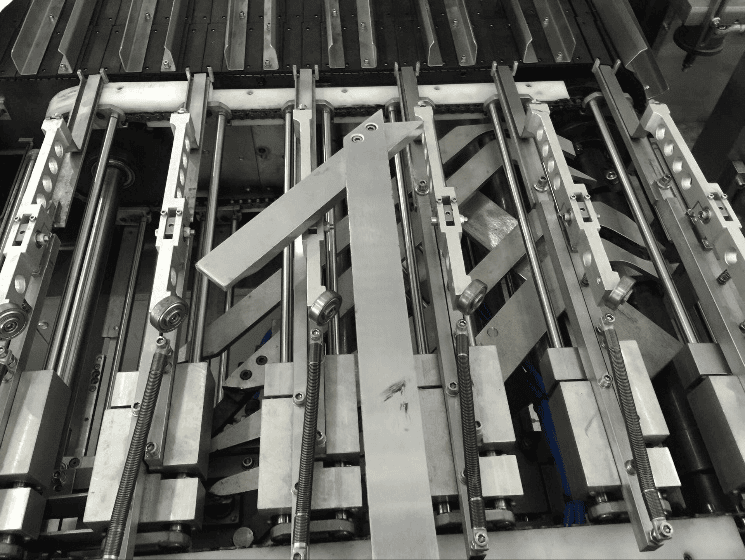
List only the inspection functions included in the reviewed configuration. Product presence, leaflet presence, carton presence, readable code, correct code and correct product count are separate requirements. Agree the purpose of each device and the system response when it cannot make a valid decision.
Use identifiable challenge packs with an approved introduction and recovery procedure. For each challenge, record the defect, introduction point, expected signal, actual control action and final physical location of the pack. Reconcile the introduced samples before release. A screen alarm is not evidence that the affected carton has left the accepted stream.
Test the whole reject path
Where configured, review the response to reject confirmation failure, a full reject container or an unavailable reject function. The expected behaviour must follow the approved design; there is no universal response that can be assumed from the presence of a sensor. Include restart checks after the condition is resolved.
For food multipacks, under-count and over-count challenges should cover the actual grouping method. A checkweigher may support count inspection only when normal product and carton weight variation permits the required distinction. See the sachet counting and cartoning guide for the upstream grouping boundary.
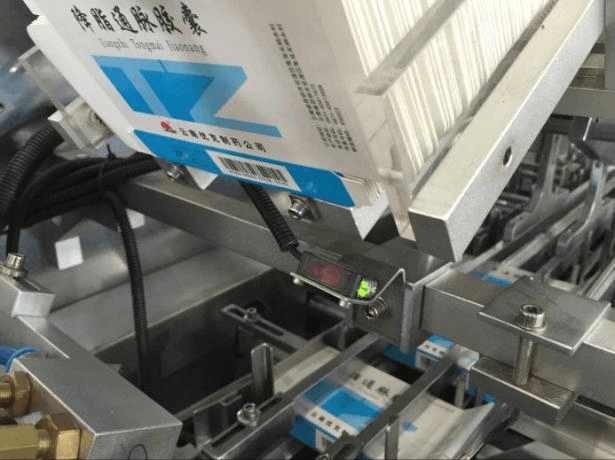
Start with your product and inspection questions
Send a product photo, carton drawing and target accepted rate. HIJ can review the feeder and inspection scope to be included in a proposed sample test.
6. Time a complete changeover and record the restart
Choose the agreed starting and finishing formats. Time from the last accepted carton of the previous format to the first accepted carton of the next at the specified condition. Include line clearance, feeder adjustments, change parts, HMI recipe selection, carton and leaflet replenishment, and the required quality checks.
Record the operator method and tools used. A supplier expert with pre-positioned parts may produce a different result from the routine method your site intends to use. If setup marks or recorded positions are supplied, check that the operator can return to them consistently. Refer to the complete cartoner changeover guide when building the procedure.
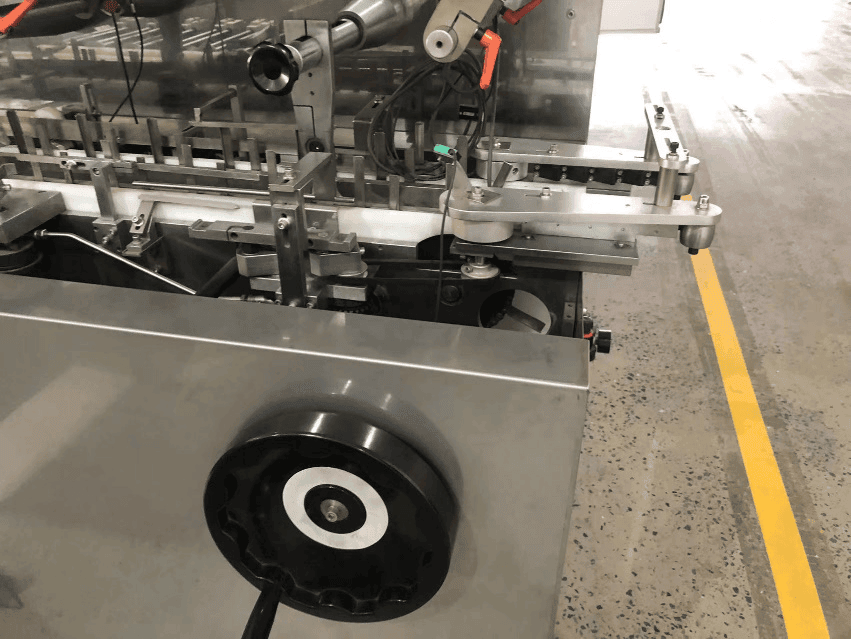
Check access for the planned cleaning and maintenance tasks, including product accumulation areas, guides and closure equipment. Specify the permitted cleaning method. Accessible stainless-steel parts do not establish whole-machine washdown suitability.
7. Close deviations with evidence, then plan site acceptance
A useful FAT report includes the approved protocol, configuration and sample identification, completed test records, accepted-output data, challenge reconciliation, alarms and stops, deviations and authorised conclusions. Number the evidence files so a result can be traced to the correct SKU, recipe and run.
When a requirement fails, record the failure without rewriting the original pass criterion. Agree the corrective action, owner, due date and retest method. Where a change affects another function, review whether that function also needs repeat testing. A short edited video should not replace the raw record for a failed run.
Shipment disposition and payment milestones follow the signed contract and authorised review. Record any permitted conditional release, its rationale and the unresolved work. A signed visitor attendance sheet does not, by itself, establish technical acceptance.
If the FAT is remote
Agree how reviewers will see the full machine, challenge introduction, reject collection, HMI and counters during the same test. Use consistent time references, retain records and allow live questions or requested views. IMA’s Remote FAT overview describes interactive viewing, document exchange and session recording as industry examples; it does not establish HIJ’s available remote package. Confirm the proposed arrangement for your project.
Before delivery, list the site-dependent tests: actual utilities, connected conveyors, upstream and downstream handshakes, installed guarding, final inspection route and the plant’s approved qualification work. The pharmaceutical cartoning validation roadmap covers that broader scope. Confirm document and training deliverables through HIJ service and support.
Buyer questions about cartoning machine acceptance tests
What should a cartoning machine FAT checklist include?
Include machine and option identity, sample formats, feeding and grouping, carton opening, product and leaflet loading, closure and coding, configured inspection and rejection, accepted output, restart, changeover, documents and deviation closure. Link each applicable test to an approved requirement and evidence record.
How long should a cartoner FAT run last?
Agree the duration from the product risk, format range, operating conditions and evidence needed for acceptance. There is no universal run duration in this guide. Allow additional samples for setup, challenges, refills, changeover and repeat testing.
Is a sample trial the same as FAT?
An early sample trial helps establish handling feasibility or select a feeder. FAT evaluates the purchased configuration against an agreed protocol before shipment. Identify the purpose of the test and do not treat an exploratory trial as evidence that every purchase requirement has passed.
Does the displayed machine speed prove accepted output?
No. Divide the recorded accepted cartons by elapsed test minutes using the agreed boundary. Retain stop and reject records. The HMI speed setting or mechanical reference range does not show how many complete, conforming cartons your product actually produced.
Can a carton presence sensor verify sachets per box?
Not by itself. Presence, product count, code readability and leaflet checks serve different purposes. Agree the required contents-verification method and demonstrate its response with identifiable under-count and over-count challenge samples.
Can we do the cartoning machine acceptance test remotely?
A remote FAT can be considered when the agreed protocol, live views, document access, recorded evidence and interaction are adequate for the tests. Confirm the arrangement and any checks that need an on-site witness. A prerecorded demonstration is not equivalent to witnessing the agreed test.
Does passing FAT remove the need for site acceptance or qualification?
No. Define the site-dependent checks after transport, installation and connection to the production line. For pharmaceutical projects, the plant quality team determines the qualification strategy and any justified reuse of factory evidence.
What should I send HIJ before discussing the test scope?
Send product photos or video, filled-pack dimensions, count and arrangement, a carton drawing if available, required accepted output, leaflet and closure needs, inspection questions and the available samples. Open requirements can be identified during the initial configuration review.
PREPARE A TESTABLE ENQUIRY
Bring your pack, output target and open questions
You do not need a completed FAT protocol to start a configuration review. Share what you know about the product, carton and inspection requirements; identify the items that still need a sample trial. The optional builder below prepares text for the real enquiry popup or your email.
Prepare your cartoner FAT enquiry brief
All fields are optional. This prepares a request; it does not create an approved protocol, submit a message or upload a file.
Review food cartoning equipment and reference specifications, the blister cartoning platform or the cartoning quotation cost checklist alongside your proposed test scope.