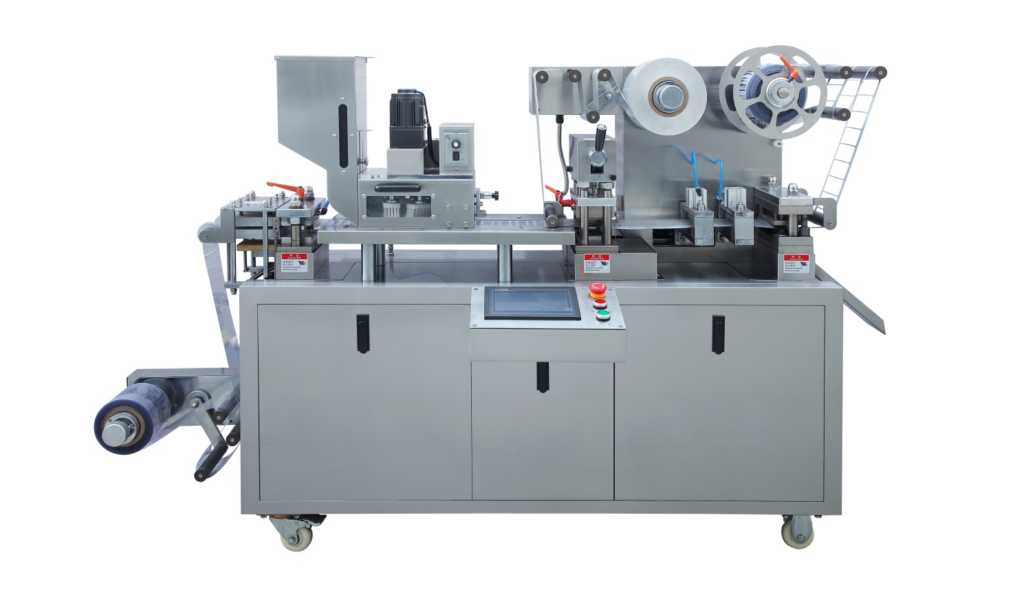
Wet wipes machine price depends on the finished pack, converting and dosing arrangement, lane configuration, change parts and the equipment included in the quotation.
Compare offers against the same product and accepted-output requirement. HIJ prices the proposed configuration rather than publishing one figure for every wipe format.
How much does a wet wipes machine cost?
A useful price is an itemized quotation for a defined machine and pack. A single-piece sachet machine, a multi-lane alcohol-pad machine and a multi-count soft-pack line are different projects. A price without the product format, included stations, tooling and delivery boundary is not a reliable basis for a purchasing decision.
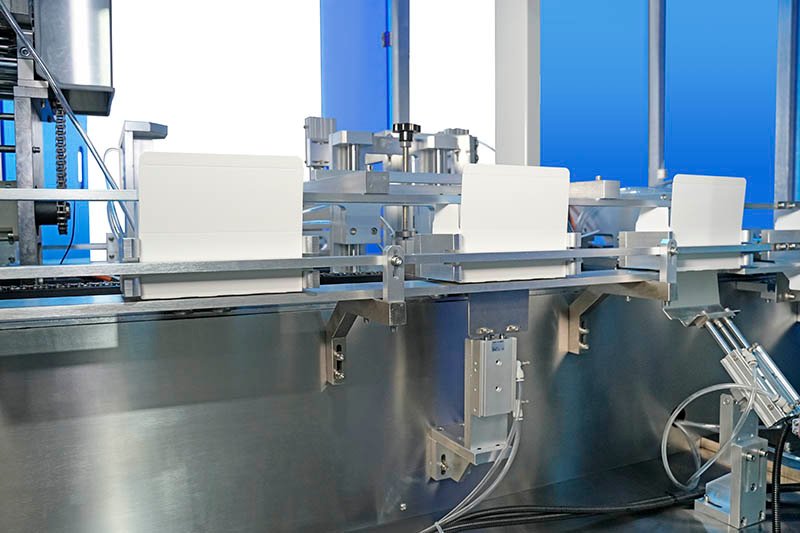
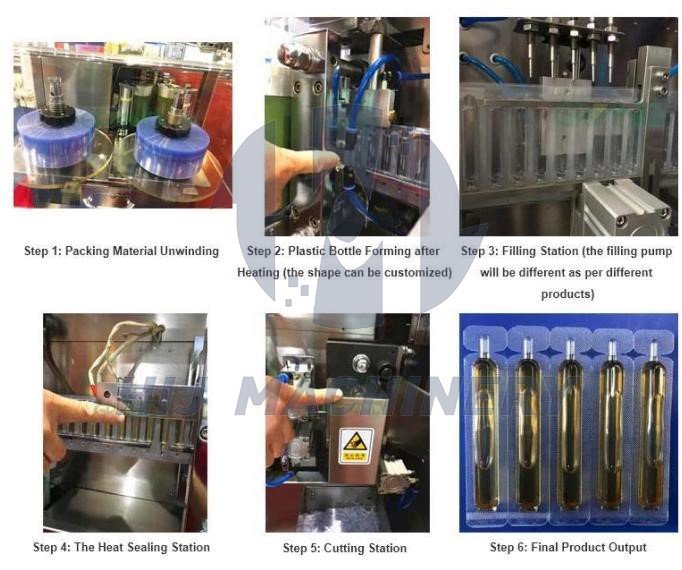
For the HIJ VPD800 reference, the documented core application is individually packed alcohol pads or swabs. Its process covers nonwoven handling, folding and cutting, liquid addition, four-side sachet sealing, pack cutting and discharge. It is not evidence that a baby-wipe soft-pack, canister or lid-applicator line is included.
For model-specific configuration, use the VPD800 high-speed wet wipes packing machine page. This guide focuses on how to compare the quotation and prepare the budget.
Separate the machine quote from the project budget
Keep four budgets visible. Combining them too early can hide omitted equipment; treating the machine invoice as the whole project can leave production unable to start.
Ask the supplier to price supplied equipment and services separately from items your site will provide. Retain the quotation currency, delivery terms, validity, warranty scope and payment milestones alongside the technical comparison. These are project-specific commercial terms, not universal machine specifications.
What changes the equipment price?
1. Wipe and finished-pack format
Define unfolded and folded wipe dimensions, nonwoven construction and basis weight, liquid dose, individual sachet dimensions and the number of wipes per pack. A change in pack geometry can affect web handling, folding, sealing, cutting and format parts. Buying by the name “wet wipes machine” alone leaves these costs unresolved.
2. Lane architecture and material handling
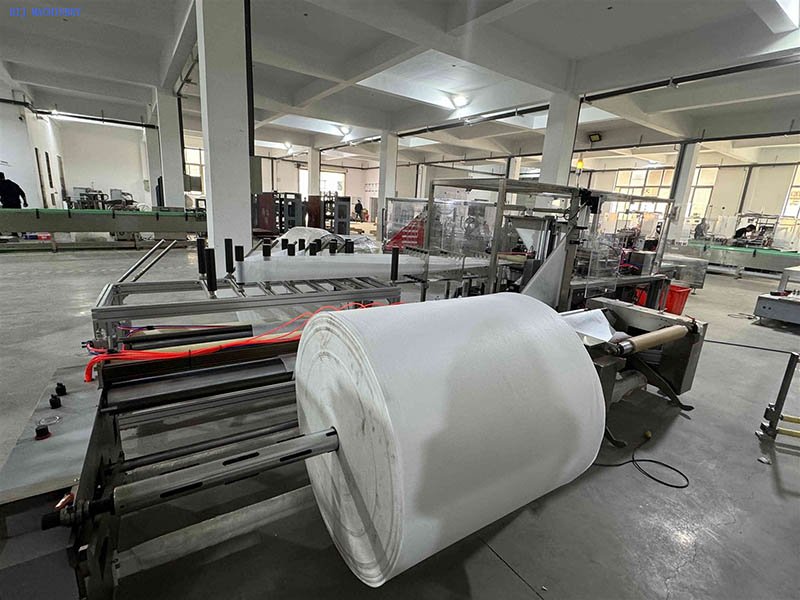
A multi-lane layout involves parallel product paths that must remain aligned through converting, dosing and packaging. The value of additional lanes depends on demand, SKU mix, material replenishment and downstream handling. Do not assume twice as many lanes produces twice as many accepted packs over a shift.
3. Liquid formulation and dosing scope
The liquid path must suit the intended formulation, contact materials, dose range and cleaning method. Confirm whether the quotation includes a feed vessel, transfer equipment, filtration or other preparation equipment, rather than assuming the dosing pump supplies a complete liquid-preparation system.
For alcohol-containing products, your project safety assessment must also address the actual formulation, handling conditions and site requirements. Do not infer suitability for a flammable liquid or a particular hazardous area from the words “alcohol pad machine.” Have the required provisions reviewed and explicitly priced by the responsible specialists.
4. Film, registration, sealing and cutting
Supply the proposed laminate, roll specification, artwork and sachet drawing. Printing, eye-mark registration, seal geometry, easy-tear features and batch marking can alter the configuration and trial work. A feature mentioned in a general brochure should appear in the accepted order scope if you require it.
5. Inspection, records and integration
Define which faults need detection, how packs are tracked to rejection, and whether rejected output must be counted or reconciled. Coding, vision checks, data interfaces and downstream counting or cartoning should be itemized. Avoid comparing an inspected, integrated line with a bare machine as though the two quotations describe the same deliverable.
Compare wet wipes machine quotations on the same scope
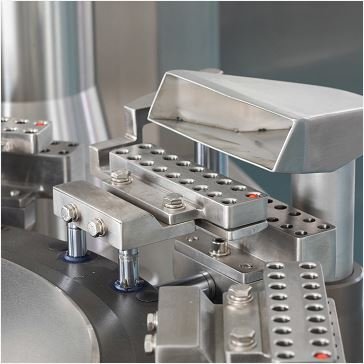
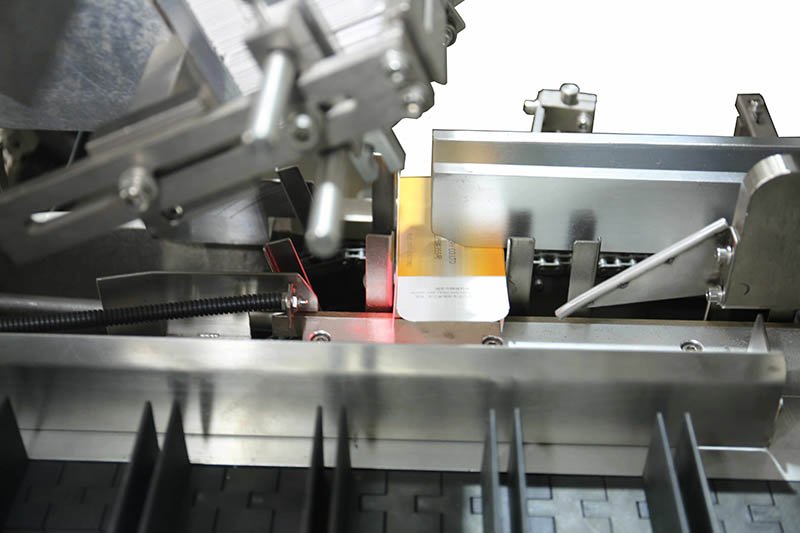
Use one controlled specification for every supplier. Mark each requirement as included, optional, excluded or unresolved and refer to a quotation line or technical agreement. Do not mark an item “included” simply because it appears in a promotional photograph.
On mobile, each comparison item is shown as a separate block.
| Scope item | What to ask | Evidence to retain |
|---|---|---|
| Machine and pack | Which model, wipe fold, sachet dimensions and supplied formats does the price cover? | Model identification, approved drawing and format-parts list. |
| Liquid supply | Are preparation, holding, transfer and machine dosing all included? | Liquid-flow boundary and wetted-component specification. |
| Coding and inspection | Which marks, checks, reject actions and records are supplied? | Function list, data sources and agreed challenge tests. |
| Utilities and services | What must the factory provide, and which installation or training services are quoted? | Utility schedule and responsibility matrix. |
| Acceptance | Which materials, run conditions and accepted-output criteria will demonstrate the order? | Agreed FAT scope and measurement methods. |
| Commercial boundary | Which delivery costs, consumables, spares and support items are excluded? | Itemized quotation, validity, delivery terms and service scope. |
Where two offers differ, normalize the scope before comparing totals. Keep genuinely optional items separate so management can see the cost of the required configuration and the value of each proposed addition.
Single-lane, multi-lane or multi-count: avoid a false price comparison
Single-piece sachets and multi-count soft packs need different handling and closing architectures. A multi-lane machine for individual pads is not simply a larger version of a multi-count baby-wipe line. Start with the approved product format, then compare alternatives that can make that format.
For individual sachets, consider whether more lanes can be occupied by real demand, how replenishment and changeover work are performed, and whether discharge or secondary packaging can accept the combined output. For an uncertain or varied SKU plan, a nominal speed advantage can be offset by cleaning, format changes and idle capacity.
Use the wet wipes packaging machine overview to distinguish pack routes. Ask for project-specific confirmation before budgeting an alternative format as an available HIJ configuration.
Calculate running cost per accepted pack
Separate the purchase cost from the operating calculation. Depending on your defined boundary, running cost can include nonwoven, packaging film, liquid, direct labor, utilities, cleaning, maintenance and rejected material. Use supplier quotations, your site rates and trial measurements for each input.
“Conversion cost” must have a written definition. If the numerator excludes nonwoven, liquid or film, the result is not the complete manufacturing cost of the finished wipe. If you allocate the machine investment, document the production volume, time basis and accounting assumptions separately instead of hiding them in an unexplained unit-cost figure.
Assume, purely for illustration, a conversion budget of USD 120 per hour. At 6,000 accepted sachets per hour, conversion cost is USD 0.02 per sachet. At 4,000 accepted sachets, the same hourly budget gives USD 0.03. The denominator changes the result by 50% without changing the machine purchase price.
These are invented example inputs for arithmetic, not HIJ prices, wages or production results. They exclude raw materials and any costs outside the defined hourly budget. Replace them with your site data and measured accepted output.
Include the product mix
Calculate each major SKU using its own pack, materials, changeover and accepted-output assumptions. A machine that meets a peak rated speed on one format may spend much of the week changing film, cleaning or waiting for upstream supply on another. Review a representative production calendar rather than annualizing one uninterrupted demonstration.
How materials and changeovers affect the real budget
Ask which nonwoven, film and liquid will be used in the trial. Material prices and performance must be evaluated together: a purchasing change that creates registration loss, poor folding, unstable liquid uptake or seal failures can raise the cost per accepted pack even when the roll price falls.
Review start-up waste, splice handling, minimum practical campaign length, cleaning supplies, format storage and the number of people needed for changeover. Time the complete transition from the previous product to approved production of the next, not only the mechanical exchange of one part.
For laminate and seal-window questions, use the wet wipes packaging film guide. Material compatibility and finished-pack testing determine approval; this price guide does not prescribe a universal film, dose or seal setting.
What should the trial and FAT establish before purchase?
Agree representative materials, product specifications and acceptance criteria before a trial. The demonstration should answer whether the quoted configuration can make your product under the agreed conditions, not merely whether the machine moves quickly.
- Product preparation: wipe dimensions, folding, cutting and presentation from the intended nonwoven.
- Liquid addition: the defined dose measurement, lane-to-lane behavior where relevant, and response to normal replenishment.
- Finished pack: sachet dimensions, closure, marking and agreed integrity tests.
- Accepted output: count good packs, stops and rejects over the agreed run; distinguish machine cycles from finished packs.
- Recovery and changeover: inspect start-up, stop/restart and one relevant format change if they are included in the acceptance plan.
- Delivery scope: confirm supplied tooling, documents, spare parts and the division of commissioning responsibilities.
If the quotation names a performance figure, record its product, material, format and test conditions. Do not reuse a general brochure range as a guarantee for every formulation or sachet size.
Prepare a wet wipes machine price inquiry
Send a short technical pack rather than a long generic request for the “best price.” The following information lets the supplier identify the machine boundary and return a comparable offer:
- Wipe type, unfolded and folded dimensions, and nonwoven specification.
- Liquid formulation information needed for compatibility and safety review, target dose and acceptance range.
- Sachet drawing, wipes per pack, film specification and intended artwork.
- Required accepted output, shift plan, SKU list and expected changeover frequency.
- Coding, inspection, rejection, documentation and downstream interfaces.
- Site utilities, destination and requested delivery or commissioning scope.
Identify provisional inputs. If final packaging film or formula samples are not ready, ask the supplier to list assumptions and quote the work still needed to confirm them. A transparent provisional offer is more useful than a precise-looking price for an undefined line.
For the wider factory launch budget beyond equipment, see the wet wipes manufacturing business guide.
Wet wipes machine price questions
Why does HIJ quote wet wipes machines by configuration?
The finished pack, liquid, nonwoven, film, lane arrangement, tooling, inspection and delivery scope change the equipment required. An itemized quotation states what the proposed price actually includes.
Is a multi-lane alcohol swab machine the same as a baby-wipe line?
No. Individually packed alcohol pads and multi-count baby-wipe packs use different product handling and packaging architectures. Confirm the finished format and supply scope before comparing quotations.
Does the machine price include liquid preparation and packaging film?
Not automatically. Confirm liquid preparation, transfer equipment, trial and production materials, tooling, utilities and services separately in the quotation.
Can I use the rated speed to calculate cost per wipe?
Use accepted output under your product and operating conditions. Rated speed alone does not account for rejects, stops, replenishment, cleaning or changeovers, and packs may contain different numbers of wipes.
Can an online price listing serve as my project budget?
Only after you verify the exact machine, pack, included options, commercial terms and exclusions. A starting price or expired quotation is not a current offer for a complete configured project.
What should I send to receive a useful quotation?
Provide the wipe and sachet drawings, nonwoven and film details, liquid and dose requirements, accepted-output target, SKU plan, inspection requirements, utilities and destination.
Request an itemized wet wipes machine quotation
Share your wipe, liquid, film and sachet definition with the required accepted output. HIJ can discuss the proposed machine boundary, configuration and quotation inputs.
Request a configuration review