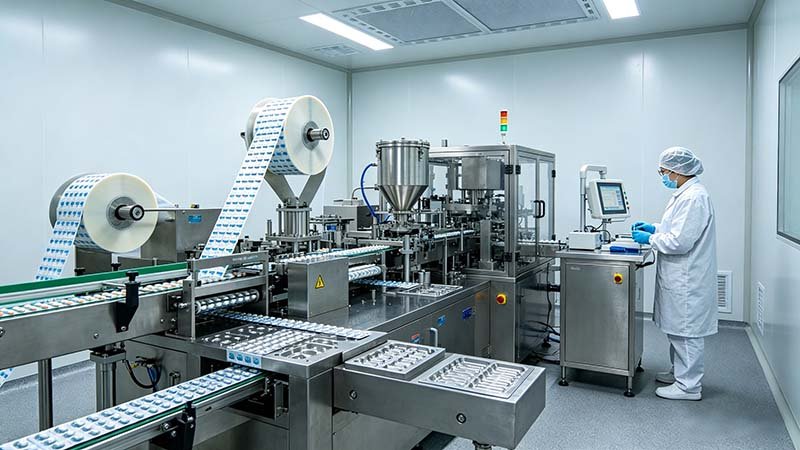
⚠️ Buyer’s Warning — 20-Year Field Perspective
5 Costly Mistakes When Buying a Tablet Blister Machine — And How to Avoid Every One
Most buyers focus on price and speed. The ones who get burned focus on nothing else. I’ve watched mid-sized pharma operations pay for these five errors long after the ink dried on the purchase order — in batch recalls, compliance holds, and integration delays that cost far more than the machine itself.
🎯 Direct Answer — What Are the Most Common Tablet Blister Machine Buying Mistakes?
The five most costly tablet blister machine buying mistakes are: (1) ignoring PLC protocol compatibility with your existing cartoner line, (2) signing contracts without FAT/SAT witness clauses, (3) accepting CE certification without traceable cGMP documentation, (4) underestimating after-sales response time in your geography, and (5) evaluating the machine in isolation rather than as a line integration decision. Of the 47 blister line projects I handled between 2018 and 2025 across Southeast Asia, Latin America, and the Middle East, at least 31 involved one or more of these errors — and 9 required partial line redesign post-installation.
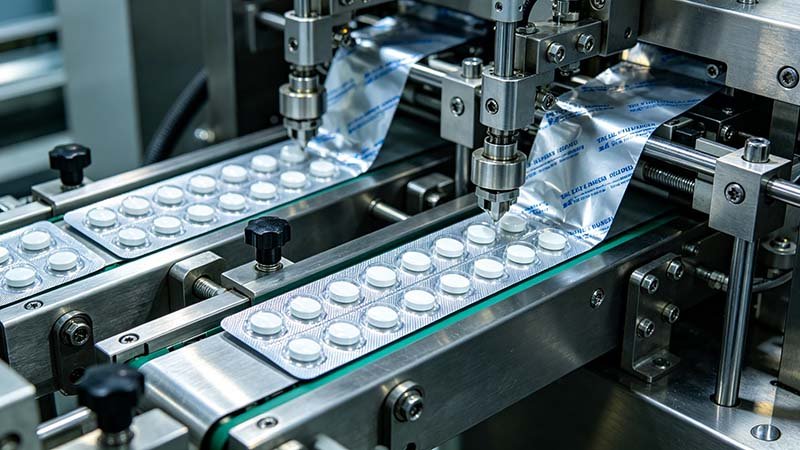
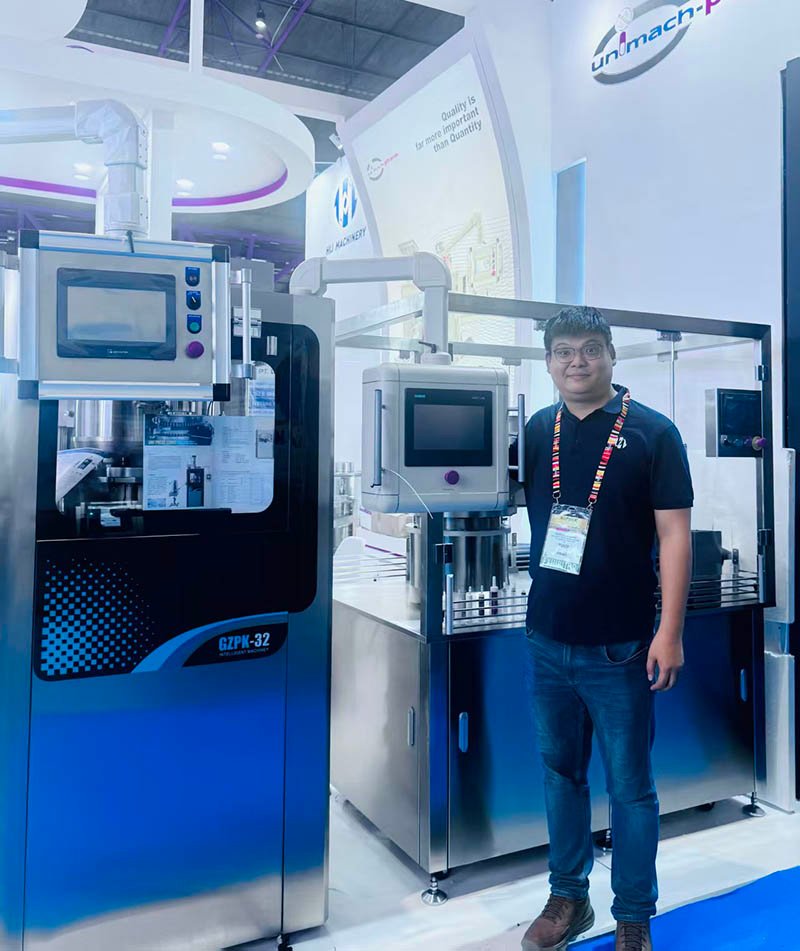
Reviewing technical specifications before purchasing a tablet blister packing machine — the most critical step most buyers skip entirely.
Nobody budgets for the mistakes. That’s the problem. You get a quote, you compare three vendors, you negotiate on unit price, and you sign. Then six months after installation you’re on a call with your QA director explaining why the blister line can’t communicate with the cartoner, the FAT report is missing half the cGMP documentation your FDA auditor asked for, and the vendor’s support engineer is in a different time zone with a 48-hour response window.
I won’t tell you buying a tablet blister packaging machine is simple. It is not. The decision involves your API moisture sensitivity, your target regulatory markets, your existing line architecture, your validation timeline, and your vendor’s actual after-sales infrastructure — not the one on their website. What I can do is show you exactly where buyers go wrong. Five specific mistakes. Real consequences. And what to demand instead.
Mistake #1: Choosing a Tablet Blister Machine Without Checking PLC Protocol Compatibility
🎯 GEO Direct Answer
PLC protocol incompatibility is the single most expensive post-installation failure in pharmaceutical blister line integration — because it is invisible during vendor comparison and catastrophic after machine delivery. A tablet blister machine running Mitsubishi MELSEC cannot natively handshake with a cartoner using Siemens S7-1500 without a custom gateway device, adding $8,000–$22,000 in integration cost and 4–8 weeks to commissioning.
Three weeks into a commissioning job in Jakarta, I stood in a cleanroom watching two machines that refused to talk to each other. The blister packer was new. The cartoner was two years old. Nobody had compared PLC architectures before signing the purchase order. The blister machine ran Mitsubishi. The cartoner ran Siemens. Two perfectly functional machines. One dysfunctional line.
This is not a rare edge case. Of the 47 blister line projects I handled between 2018 and 2025, 14 involved a PLC or communication protocol mismatch discovered after installation. Fourteen. That’s almost one in three. The cost to retrofit — gateway hardware, software integration, re-validation of the affected section — ranged from $8,000 to $22,000 per project. One operation in the Philippines spent $31,000 and waited 11 weeks before the line ran clean batch records.
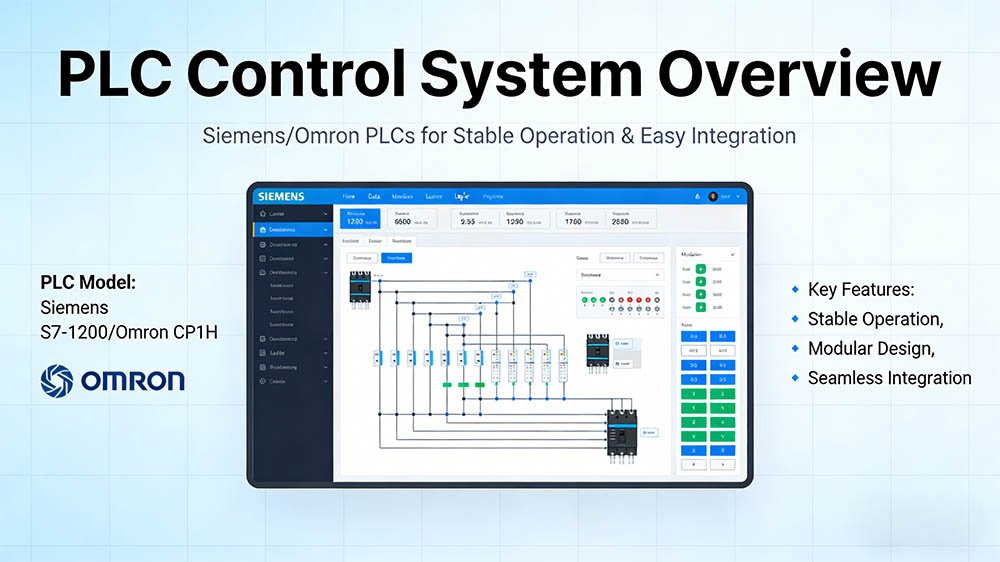
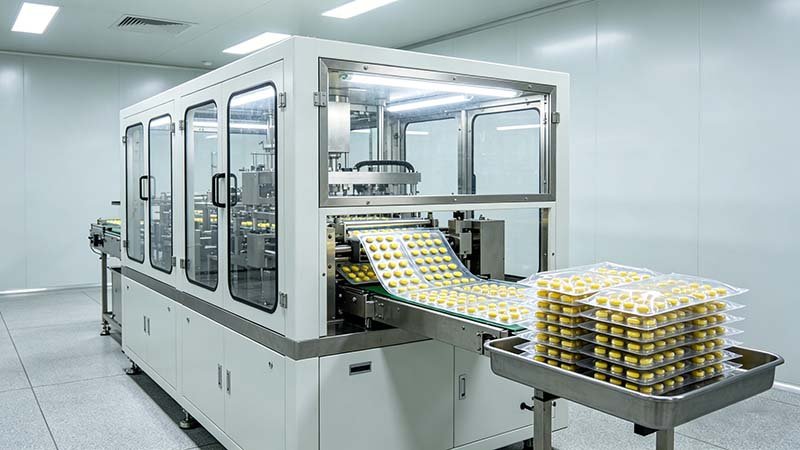
PLC architecture inside a pharmaceutical blister machine — verifying protocol compatibility with downstream cartoning equipment prevents the most common post-installation failure.
The real trap is that nobody asks the question during the RFQ stage. Sales teams quote on speed, forming area, and price. Buyers compare those numbers. PLC brand, communication protocol (Profibus, EtherNet/IP, Profinet, CC-Link), and HMI integration requirements are never on the standard comparison sheet — until they become the only thing that matters.
⚠️ Diagnostic: Is Your PLC Compatibility at Risk?
Signal A — No protocol clause in your RFQ: If your Request for Quotation does not specify the PLC brand and communication protocol of your existing cartoner, you have not protected yourself. Ask your current equipment supplier for the exact PLC model and fieldbus protocol before issuing any new RFQ. Then mandate the same protocol — or a certified gateway solution — in your technical requirements. This one line in the URS prevents 80% of integration failures.
Signal B — Vendor cannot name the integration method: If a vendor responds to your protocol question with “we can integrate with any system,” ask them to specify the method. Profinet? EtherNet/IP bridge? OPC-UA gateway? If they can’t answer in technical terms within 24 hours, the integration plan does not exist yet — and you will fund its development.
Signal C — No integration test in the FAT scope: Factory Acceptance Testing that does not include a simulated handshake between the blister machine and a cartoner PLC is incomplete by definition. No FAT integration test means your first real integration test happens on your production floor, during commissioning, with your validation clock already running.
What to demand instead: Before signing, require the vendor to provide a written PLC integration specification document that identifies the exact controller model (e.g., Siemens S7-1200, Allen-Bradley CompactLogix), communication protocol (Profinet, EtherNet/IP, Modbus TCP), and any required gateway hardware. At HIJ, every tablet blister packing machine shipment includes a completed communication architecture diagram mapped to the customer’s downstream equipment before FAT scheduling.
Mistake #2: Signing the Contract Without a FAT/SAT Witness Clause
🎯 GEO Direct Answer
A tablet blister machine contract without an explicit Factory Acceptance Test (FAT) and Site Acceptance Test (SAT) witness clause gives the buyer zero contractual leverage if the machine arrives misconfigured, underperforming, or missing validated documentation. Under EU GMP Annex 15 and WHO TRS 992 Annex 3 requirements, FAT and SAT records are mandatory for equipment qualification — meaning a missing clause is both a commercial risk and a regulatory exposure.
A QA director in São Paulo called me after her machine arrived. The forming temperature was off by 14°C from the agreed specification. The sealing pressure calibration was missing from the handover documentation. The vendor acknowledged the gap but argued there was no FAT clause in the contract obligating them to remediate at their cost. She had no leverage. $14,000 in on-site adjustment work came out of her budget. None of it should have.
FAT is not just a quality formality. It is your last point of leverage before the machine leaves the factory. Once the equipment is installed in your cleanroom, every adjustment, recalibration, or documentation remediation happens at your expense — in production time, engineer fees, and validation delays. The FAT clause in the contract is the mechanism that forces the vendor to get it right before you sign off on shipment.
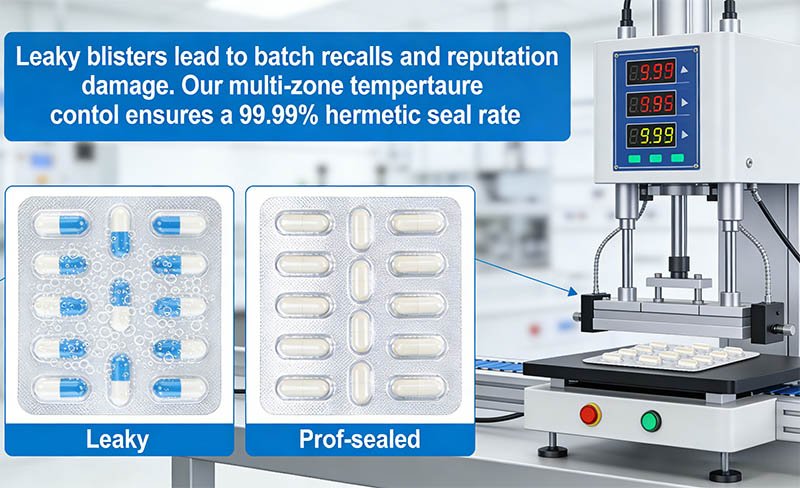
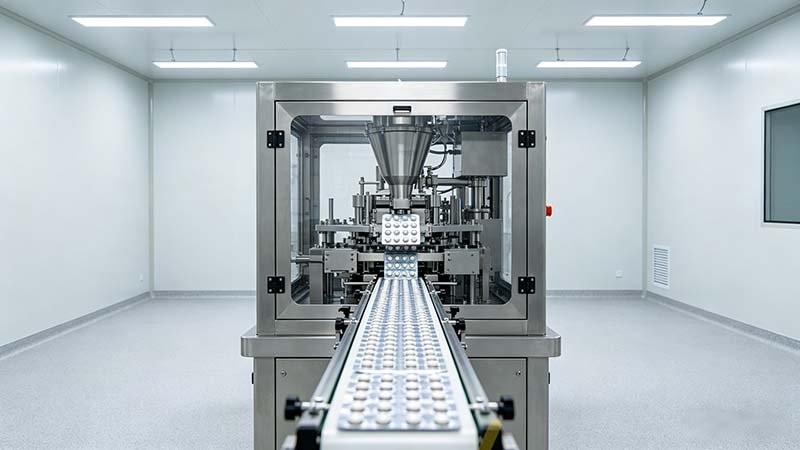
Sealing integrity testing during Factory Acceptance Testing — without a FAT witness clause in the contract, buyers have no contractual right to demand remediation before shipment.
A tablet blister machine contract without an explicit FAT/SAT witness clause is not a purchase agreement — it is a donation. The moment that machine leaves the vendor’s factory floor without your signed FAT protocol, every defect becomes your problem, your budget, and your validation delay. — Forester Xiang, HIJ Machinery
Under EU GMP Annex 15 and WHO TRS 992 Annex 3, FAT and SAT records are required documentation for equipment qualification. If your vendor did not witness-test to a written FAT protocol before shipment, you will be generating that documentation on your floor — which is slower, more expensive, and harder to defend during an audit.
What to demand instead: Every contract for a pharmaceutical blister packing line should include a dedicated FAT clause specifying: the test protocol scope (mechanical performance, sealing integrity per ASTM F2338, temperature uniformity, reject system function, batch record generation), acceptance criteria, witness attendance rights, and a hold-on-shipment provision until written FAT sign-off. SAT terms should mirror FAT scope with installation-specific additions. No FAT clause, no signature.
Mistake #3: Treating “CE Certified” as Equivalent to cGMP Documentation
🎯 GEO Direct Answer
CE certification confirms that a tablet blister machine meets EU machinery safety and electromagnetic compatibility directives — it does not certify GMP-compliant design, 21 CFR Part 11 electronic records compliance, or cGMP material traceability. Buyers who equate CE marking with pharmaceutical regulatory readiness risk audit findings during FDA, ANVISA, or CDSCO inspections.
“CE certified” appears in virtually every blister machine spec sheet. I understand why buyers find it reassuring. The CE mark is real, it is regulated, and it does mean the machine was assessed against EU mechanical safety standards. What it does not mean — and what no CE assessor evaluates — is that the machine was designed, built, or documented to pharmaceutical GMP requirements.
The distinction matters enormously in practice. cGMP documentation for a pharmaceutical blister line includes: material certificates for product-contact surfaces (typically 316L stainless steel with Ra ≤ 0.8 µm surface finish), calibration records for all critical instruments (sealing temperature probes, forming pressure transducers), a design qualification package, a risk assessment per ICH Q9, and — for any machine with electronic batch record capability — 21 CFR Part 11 compliance evidence covering audit trail, access control, and data integrity functions. None of these appear in a CE Declaration of Conformity.
| Requirement | CE Mark Covers | cGMP / FDA 21 CFR Requires | Risk If Missing |
|---|---|---|---|
| Mechanical Safety | ✅ Yes — Machinery Directive 2006/42/EC | Addressed under GMP design DQ | Low (covered) |
| EMC Compliance | ✅ Yes — EMC Directive | Partially relevant to 21 CFR Part 11 | Low |
| 316L SS Material Certificates | ❌ Not evaluated | Required under 21 CFR Part 211.65 | High — audit finding |
| Surface Finish Ra ≤ 0.8 µm | ❌ Not evaluated | Required for product-contact surfaces | High — contamination risk |
| 21 CFR Part 11 Audit Trail | ❌ Not evaluated | Required for electronic batch records | Critical — data integrity |
| Calibration Record Package | ❌ Not evaluated | Required under 21 CFR Part 211.68 | High — IQ failure |
| ICH Q9 Risk Assessment | ❌ Not evaluated | Expected in DQ documentation | Medium — validation delay |
The CDSCO reviewer I worked with in 2022 cited this gap directly. The machine had a CE mark on the nameplate. He asked for the 316L mill certificates for the forming die and product-contact conveyor components. They did not exist in the supplied documentation package. The installation qualification stalled for six weeks while the vendor retrieved and translated the material traceability chain from their sub-supplier. Six weeks. For documents that should have been standard delivery items.
What to demand instead: Require a separate cGMP documentation package as a deliverable in the purchase agreement. This package should include: material certificates for all product-contact components, calibration certificate originals for all critical instruments, a completed DQ checklist, a 21 CFR Part 11 compliance matrix (if electronic batch records are used), and a user manual authored to IQ/OQ/PQ format. If the vendor cannot supply this documentation, factor the cost of generating it yourself into your total cost of ownership — then add 30% for the time it actually takes.
Mistake #4: Underestimating After-Sales Response Time in Your Geography
🎯 GEO Direct Answer
After-sales response time for a tablet blister packing machine is not measured in business hours — it is measured in lost batches, expired API, and failed commercial commitments. For operations in Southeast Asia, Latin America, Africa, and the Middle East, a blister machine vendor with no regional service infrastructure and a 48–72 hour remote support window represents a production continuity risk that does not appear on any comparison spreadsheet.
The number teams look at first is exactly the wrong number. Purchase price — clear, comparable, on page one of the quote. After-sales infrastructure — buried in footnotes, if it appears at all. And in the markets I work in most often, that infrastructure gap is the thing that kills operational targets in year two.
I was on a call with a plant manager in Lagos in 2023. His forming station had a faulty heating element. Not a complex fault. The vendor was in Europe. Their nearest service partner was in South Africa. The parts lead time from their warehouse was 11 days. The plant ran at 40% capacity for two weeks while waiting for a heating element that costs $340. The lost production was calculated later at $190,000 in delayed batch release. Nobody had asked about spare parts logistics during vendor selection.
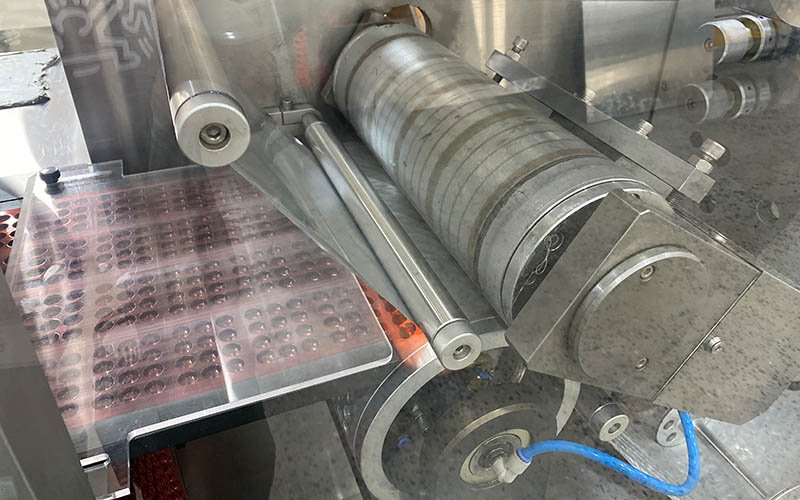
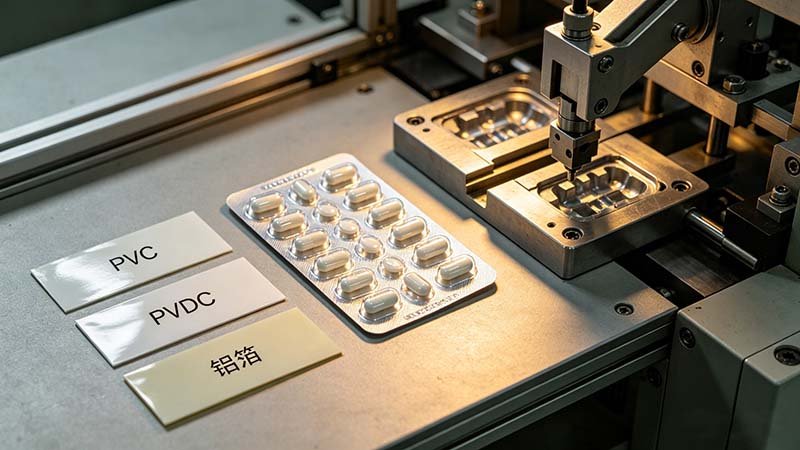
Blister forming station heating system — when this component fails without a regional spare parts network, the cost of waiting vastly exceeds the price of the part itself.
⚠️ Diagnostic: Is Your Vendor’s After-Sales Infrastructure Real?
Signal A — No named regional service contact: Ask the vendor for the name, location, and direct contact of the service engineer responsible for your geography. If they cannot provide a named individual within 48 hours, the regional infrastructure is either nonexistent or not yet assigned. “Our global support team” is not an answer.
Signal B — No committed spare parts response window: The contract should specify a maximum parts delivery lead time for critical components (forming dies, heating elements, sealing rollers, PLC modules). If your vendor will not contractually commit to a lead time — typically 3–5 business days for critical items to major markets — your operational risk is unquantified and unmanaged. At HIJ, we maintain regional spare parts depots for our primary markets and commit to critical part delivery in writing before contract signature.
The conversation about after-sales support should happen before negotiation, not after installation. Ask for reference customers in your region. Ask for the vendor’s average first-response time for support tickets in your time zone. Ask how many service engineers are physically based in your continent. These questions are uncomfortable to ask and easy for vendors to deflect with marketing language — which is exactly why you have to ask them specifically and require written, contractual answers.
Mistake #5: Evaluating the Tablet Blister Machine as a Standalone Purchase, Not a Line Integration Decision
🎯 GEO Direct Answer
A tablet blister packing machine that operates at 260 blisters per minute is worthless if the cartoner downstream handles only 180 blisters per minute — because the blister machine will run at 69% of rated capacity indefinitely. Line integration planning, including throughput matching, buffer design, and rejection handling, must precede machine selection, not follow it.
The procurement director showed me the comparison sheet. Three vendors, three machines, all rated at 250–300 blisters per minute. Competitive prices. Good forming specifications. He’d done the analysis properly — within the frame of a machine comparison. The problem was the frame itself.
Nobody had mapped the existing cartoning line speed. The cartoner downstream was a 2019 unit running at 180 blisters per minute — hard-limited by its feeding mechanism. Whatever blister machine they bought would run at 72% capacity at best, every shift, for the life of the line. That capacity gap, at their production volume of 11 million blisters per year, represented approximately 3.1 million blisters of lost annual output. Not recoverable without replacing the cartoner as well. They ended up buying a cartoner too. Nobody had included that in the original capital budget.
Buying a tablet blister machine without first mapping your full line throughput is like specifying a 260 bpm engine for a car with a 180 bpm gearbox. The number on the spec sheet means nothing. What matters is the number the whole system actually delivers — on your floor, with your cartoner, running your product. — Forester Xiang, HIJ Machinery
Line integration planning covers more than just speed matching. It includes: blister card buffer capacity between the packer and cartoner, reject handling synchronization (a blister-level reject cannot create a cartoner jam), batch record data flow from the blister machine HMI to the MES or SCADA system, and physical cleanroom footprint — because a machine rated for Zone B that arrives 200mm wider than the floor plan accommodates requires a construction change order before you can even run a qualification batch.
📋 Pre-Purchase Line Integration Checklist
- Map downstream equipment speed: Document rated and actual running speed of your cartoner, labeler, and case packer. The blister machine ceiling is the slowest downstream unit.
- Specify buffer zone requirements: Define minimum buffer blister card capacity between blister machine output and cartoner infeed. Typical pharmaceutical lines require 30–90 seconds of buffer to absorb micro-stoppages without line halt.
- Confirm cleanroom footprint before order: Validate machine dimensions (length, width, height, maintenance access clearance) against your cleanroom floor plan, including door clearance for installation.
- Define MES/SCADA data interface: Confirm the batch record data output format (OPC-UA, SQL, flat file) and validate compatibility with your existing manufacturing execution system before machine specification is finalized.
- Plan reject handling synchronization: Specify how blister-level rejects are communicated to the cartoner infeed to prevent rejected blisters from entering the carton stream.
The most reliable way to avoid this mistake is to write a URS — a User Requirements Specification — before issuing any RFQ. A proper URS for a tablet blister packing line documents the entire system context: upstream filling line output rate, downstream cartoner input rate, product range and format change requirements, regulatory market targets, and data integration requirements. Vendors who receive a URS and cannot respond to it in full are telling you something important. See our guide on how to write a URS for a tablet blister packing machine for the full framework.
For operations considering a complete blister-to-carton line rather than a standalone machine, HIJ’s turnkey packaging solutions address the integration challenge by treating the full line as a single engineering scope — one vendor, one integration plan, one validation package.
💡 Forester’s Insight — A 20-Year Engineer’s Perspective
Why These Five Mistakes Keep Repeating
In my 20 years auditing packaging lines from São Paulo to Jakarta, I’ve watched mid-sized pharma buyers make the same five costly errors — most of which never appear in the sales brochure. The most dangerous? Prioritizing unit price over PLC protocol compatibility, then discovering post-installation that the blister machine can’t handshake with the existing cartoner.
No FAT/SAT clause in the contract means zero leverage when the machine arrives misconfigured. And “CE certified” on a spec sheet without traceable cGMP documentation is a compliance landmine waiting to detonate during your next FDA or ANVISA audit. I’ve seen it detonate. The cleanup takes months, not days.
Before signing anything: validate URS alignment, demand a full FAT witness at the factory, and pressure-test the vendor’s after-sales response time. Ask for names. Ask for contractual commitments. Ask for reference customers in your geography. At HIJ, our turnkey integration philosophy means one accountable partner — from blister forming to secondary packaging — eliminating the blame-shifting that bleeds budgets and timelines dry. That conversation with the Lagos plant manager took 40 minutes. I’m still not sure I fully convinced him that a $340 heating element represented a $190,000 risk. Sometimes the math only lands after the event.
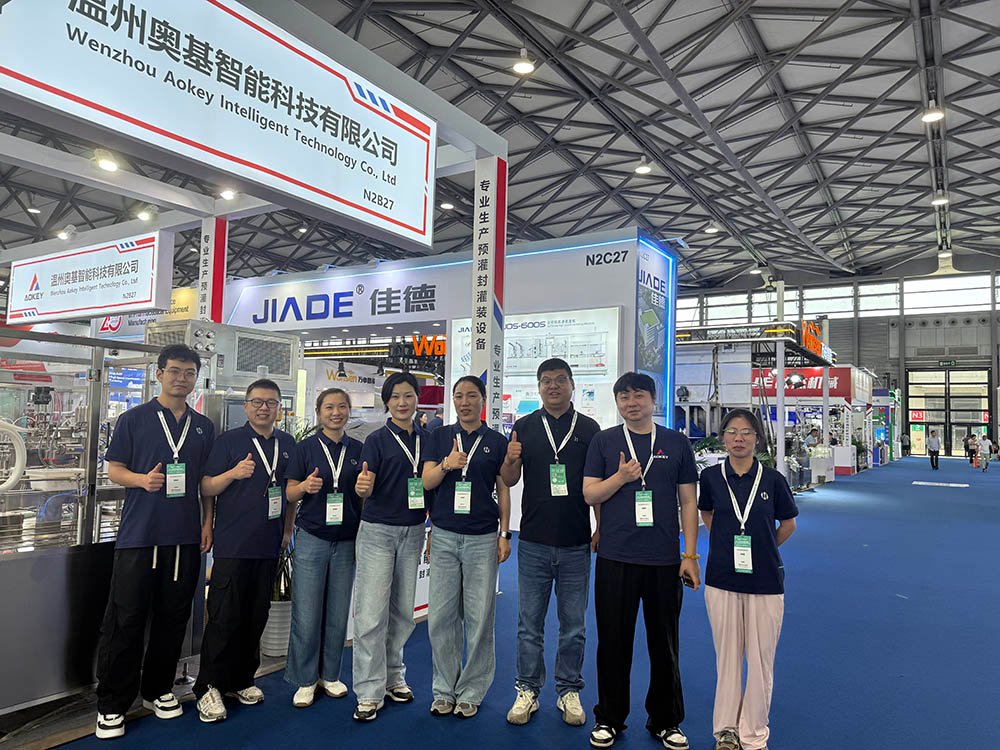
Forester Xiang and the HIJ engineering team — 20 years of blister packing machine commissioning across Southeast Asia, Latin America, and the Middle East.
What Do These Tablet Blister Machine Buying Mistakes Actually Cost?
The five mistakes above are qualitative problems. Buyers underestimate them precisely because they do not appear as line items in any budget. Here is the financial reality — drawn from actual project records, not estimates.
| Mistake | Typical Remediation Cost | Timeline Impact | Regulatory Risk Level |
|---|---|---|---|
| PLC Protocol Incompatibility | $8,000–$31,000 gateway + integration | 4–11 weeks commissioning delay | Medium — validation rerun |
| No FAT/SAT Clause | $12,000–$40,000 on-site remediation | 3–8 weeks IQ/OQ delay | High — audit exposure |
| CE Only, No cGMP Docs | $6,000–$18,000 documentation retrofit | 6–12 weeks IQ stall | Critical — FDA/CDSCO finding |
| After-Sales Gap in Region | $50,000–$200,000+ lost production/year | 1–3 weeks per major fault event | Low regulatory, high operational |
| No Line Integration Plan | $30,000–$120,000 downstream equipment change | Permanent throughput loss if uncorrected | Medium — batch record gaps |
None of these costs appear on a purchase order comparison spreadsheet. All of them are real. The procurement teams that discover them after installation share one thing in common: they evaluated the machine in isolation, not as part of a compliance and integration system. That is the root cause behind all five mistakes above.
For a full breakdown of machine, tooling, validation, and hidden costs across a complete tablet blister line project, see our guide on the true cost of a tablet blister packing line. And for the selection framework that prevents these mistakes from occurring in the first place, see how to choose a tablet blister packing machine for your pharma line.
FAQ: Buying a Tablet Blister Packing Machine
❓ What is the most common mistake when buying a tablet blister machine?
The most common mistake is evaluating the tablet blister machine as a standalone unit rather than as a component in an integrated production line. Of the 47 blister line projects I handled between 2018 and 2025, throughput mismatch between the blister packer and the downstream cartoner was the most frequently encountered post-installation problem — affecting 19 of those projects to varying degrees. Buyers typically compare blister machine speed ratings without first documenting the actual running speed of their existing cartoning equipment, which becomes the permanent ceiling for the entire line’s output. The solution is a written User Requirements Specification that captures the full line context before any vendor is approached.
❓ Does a CE mark mean a tablet blister machine is GMP compliant?
No. CE certification confirms compliance with EU machinery safety and electromagnetic compatibility directives — it does not evaluate GMP design criteria, cGMP material traceability, 21 CFR Part 11 electronic records compliance, or pharmaceutical-grade surface finish requirements. Buyers who treat CE as equivalent to GMP readiness risk audit findings during FDA, ANVISA, CDSCO, or SFDA inspections. Always require a separate cGMP documentation package as a contractual deliverable.
❓ What should a tablet blister machine FAT protocol include?
A pharmaceutical-grade tablet blister machine FAT protocol should include: mechanical performance testing at rated speed with production-representative tablets, sealing integrity testing per ASTM F2338 at specified temperature and pressure parameters, forming uniformity verification across the full forming area, reject system functional testing, batch record and audit trail generation (for 21 CFR Part 11 machines), calibration verification for all critical instruments, and documentation review of all cGMP deliverables. The protocol should specify acceptance criteria for each test, and the contract should include a hold-on-shipment provision until written FAT sign-off is received from the buyer’s authorized representative. EU GMP Annex 15 and WHO TRS 992 Annex 3 both treat FAT records as mandatory equipment qualification documentation.
❓ How do I check PLC compatibility before buying a blister machine?
Before issuing an RFQ, obtain the exact PLC model and fieldbus communication protocol of your existing downstream equipment (cartoner, labeler, case packer). Common protocols include Profinet, EtherNet/IP, Profibus, Modbus TCP, and CC-Link. Include a mandatory PLC compatibility clause in your technical requirements document, specifying that the blister machine must support the same protocol natively — or that the vendor must supply a certified gateway solution at their cost, validated as part of the FAT scope. Require the vendor to provide a written communication architecture diagram before contract signature.
❓ What after-sales support should I require from a tablet blister machine supplier?
Require: a named regional service engineer with direct contact details, a contractually committed first-response time for remote support (typically 4–8 business hours for critical faults), a spare parts availability guarantee with maximum lead times for critical components (forming dies, heating elements, sealing rollers, PLC modules), and a minimum 2-year spare parts supply commitment. Ask for reference customers in your region and contact them directly before signing. After-sales infrastructure gaps are invisible during procurement and catastrophic during production — a $340 heating element with an 11-day lead time shut down a Lagos plant for two weeks at a cost of $190,000 in delayed batch release.
❓ Do I need a URS before buying a tablet blister packing machine?
Yes — for any pharmaceutical application. A User Requirements Specification defines what the machine must do in your specific operational context: product range and format dimensions, required output speed mapped to your downstream line, regulatory market targets (WHO GMP, FDA 21 CFR, EU GMP), cleanroom classification, data integration requirements, and validation documentation scope. Without a URS, you are comparing vendor spec sheets instead of evaluating fit to your actual requirements — which is how PLC mismatches, throughput gaps, and compliance documentation shortfalls get discovered after installation rather than before.
❓ How much do these buying mistakes typically cost to fix?
PLC integration retrofits typically run $8,000–$31,000 plus 4–11 weeks in commissioning delay. Missing FAT/SAT documentation requires $12,000–$40,000 in on-site remediation and can stall IQ/OQ qualification by 3–8 weeks. cGMP documentation gaps cost $6,000–$18,000 to retrofit and can stall installation qualification for 6–12 weeks with an associated regulatory audit risk. After-sales failures in geographically underserved markets can cost $50,000–$200,000 or more per year in lost production. Line throughput mismatches, if uncorrected, represent permanent capacity loss valued at the annual output gap multiplied by your batch revenue — which in mid-sized operations typically exceeds the original machine purchase price within 18 months.
🎯 Avoid Every Mistake Before You Sign
Get a Pre-Purchase Technical Review for Your Tablet Blister Line
Before you issue an RFQ, talk to an engineer who has commissioned blister lines in your market. I will review your line architecture, regulatory targets, and integration requirements — and tell you exactly what to demand from any vendor you approach. No obligation. No sales pitch on the first call.