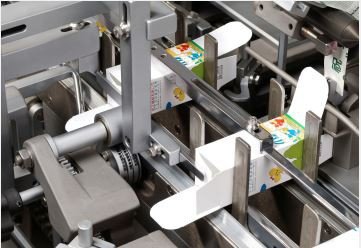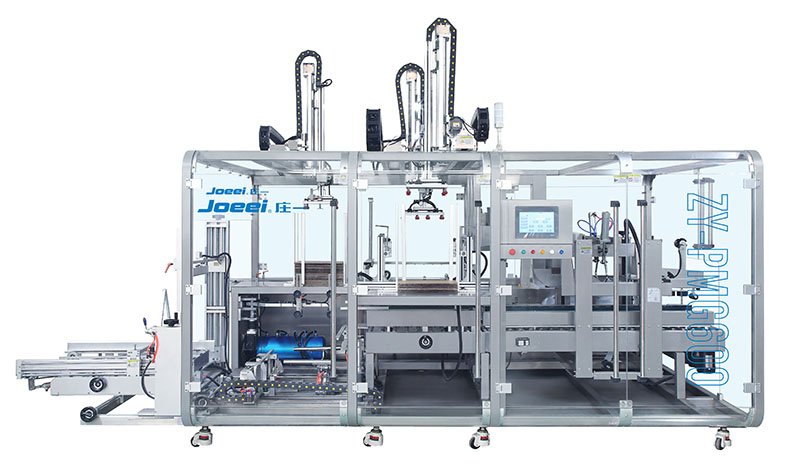
Tablet and capsule format guide
A blister packaging machine is not compatible with a product simply because a brochure lists a maximum pill size. Compatibility is established by the actual tablet, capsule or softgel envelope, the cavity and card drawing, forming material, feeder, tooling, inspection method and the accepted output demonstrated with the intended format.
This guide shows how to turn product samples and dimensions into a defensible blister specification. It also explains which questions belong in the URS, quotation and factory acceptance test so that a buyer can compare machines on finished-pack evidence rather than a generic size claim.

Important boundary: “pill” is an informal term. State whether the product is a compressed or coated tablet, caplet, hard capsule, softgel or another solid dose. Do not use the dimensions or settings in another project as automatic approval for your product.
Direct answer
What pill sizes can a blister packaging machine handle?
There is no responsible universal list that proves every machine can run all round tablets, oblong tablets, capsules and softgels within a stated size range. Two products with similar outside dimensions may behave differently because of weight distribution, coating, surface friction, static, dust, brittleness, tackiness, orientation or dimensional variation. A cavity that physically contains both products may still feed one unreliably or allow the other to move into the seal area.
A useful compatibility statement therefore names the product and the configuration. It should say which approved samples or drawing revision were reviewed, which forming and lidding materials were used, which feeder and tooling set were fitted, which inspection functions were active, and what run and acceptance conditions were achieved. “Multi-format compatible” without those details is only a marketing description.
| Compatibility gate | Question to answer | Evidence to request |
|---|---|---|
| Product | What is the controlled maximum envelope and what physical behaviour affects handling? | Dimensioned drawing, representative samples, batch variation and product notes. |
| Package | Does the approved cavity and card protect, retain and present the dose as intended? | Cavity/card drawing, material construction and product-pack assessment. |
| Machine | Can the quoted forming, feeder, web path, sealing, cutting and discharge execute that design? | Written configuration, tooling list, layout and interface review. |
| Control | Can missing, doubled, damaged or misplaced product and defective packs be detected and rejected? | Inspection and reject concept with challenge method and traceability. |
| Acceptance | Can the complete format make accepted packs through normal run states? | Agreed FAT protocol, samples, data, stops, rejects and acceptance record. |
Product definition
Build a controlled product envelope before discussing tooling
A product envelope describes the range the package and machine must accept. Begin with the released product specification and actual samples from representative batches. Record maximum length, maximum width or diameter, maximum height or thickness, and the orientation in which the product must enter the cavity. For irregular products, one front view and one side view are rarely enough; use a dimensioned drawing that shows the controlling radii, tapers, shoulders and embossed features.
Nominal dimensions are not the same as process limits. Tablets may vary within their approved specification. Capsule shells, fill weight and closing position can change the finished length or profile. A softgel may deform under its own weight and may not present the same shape every time. The engineering review should use the approved upper and lower limits that matter to feeding and containment, not one hand-picked sample.
Record the behaviours that dimensions cannot show
- dosage-form type, shape, coating and whether a score line or embossing changes orientation;
- surface friction, static tendency, dust generation, tackiness and sensitivity to marking;
- brittleness, edge chipping, capsule separation risk or softgel deformation;
- batch-to-batch and supplier variation that remains within the product specification;
- temperature or humidity conditions that can alter handling before the blister is sealed; and
- the required orientation, presentation and permissible movement inside the finished cavity.
Keep the product specification separate from the cavity drawing. The product owner controls the approved dosage form. The packaging drawing adds justified process clearance and package features. Combining both into one undocumented “mould size” makes later changes difficult to assess.
Measurement
Measure representative samples and preserve the raw data
Use calibrated equipment appropriate to the feature being measured and a written sampling plan. The plan should identify batches, sample locations, quantity, conditioning and measurement method. For a round tablet, diameter and thickness may describe the main envelope. For an oval tablet, caplet, capsule or softgel, length, width and height are separate inputs. Irregular geometry may require optical measurement or a controlled scan rather than repeated pressure from a contact tool.
Do not average away the limiting sample. The cavity and feeder must be assessed against the approved distribution and its limits. Retain individual readings so engineering can see whether variation is random, linked to batch or supplier, or associated with a feature such as capsule closing position. A drawing should state which dimensions are critical and how they are measured.
| Data field | What to record | How it affects the project |
|---|---|---|
| Identity | Product code, dosage-form type, batch, supplier and sample status. | Prevents an unapproved sample from becoming the tooling basis. |
| Dimensions | Individual length, width/diameter, height/thickness and controlling geometry. | Defines the product envelope and potential cavity contact points. |
| Orientation | Permitted and prohibited presentation in the feeder, cavity and finished card. | Drives the feeding and inspection concept. |
| Condition | Chips, cracks, dust, sticking, static, scuffing, deformation or shell separation. | Identifies handling risks that a size table misses. |
| Environment | Relevant sample conditioning and room conditions during assessment. | Helps explain handling differences and supports repeatable trials. |
| Revision | Drawing, specification and data-set revision approved for quotation and FAT. | Keeps tooling, tests and the purchased configuration aligned. |
Practical rule: send both the approved drawing and representative physical samples. A drawing supports engineering control; samples reveal friction, static, dust, brittleness and orientation behaviour that cannot be inferred from dimensions alone.
Cavity engineering
Translate the product envelope into a controlled cavity drawing
The cavity must contain the product without damaging it, trapping it in the forming material or allowing it to enter the seal area. Its geometry also influences forming repeatability, web use, card stiffness, opening force, product movement and the available seal land around each pocket. This is why a cavity should not be defined by adding a universal percentage or a fixed clearance to the largest dimension.
Engineering should consider the product envelope, forming route, material behaviour, forming radius, draw distribution, demoulding, product insertion path, seal-land protection and how the consumer removes the dose. The available machine forming depth is only one boundary. Usable depth can depend on tool design, web width, index, cavity pitch, material construction and the simultaneous requirements of sealing and cutting.
Use the blister tooling and mould design guide when defining the drawing and change-part boundary. The machine quotation should list every format part needed to run the approved layout, rather than describing all tooling as one mould.

Feeding
Match shape, surface and orientation to the feeding method
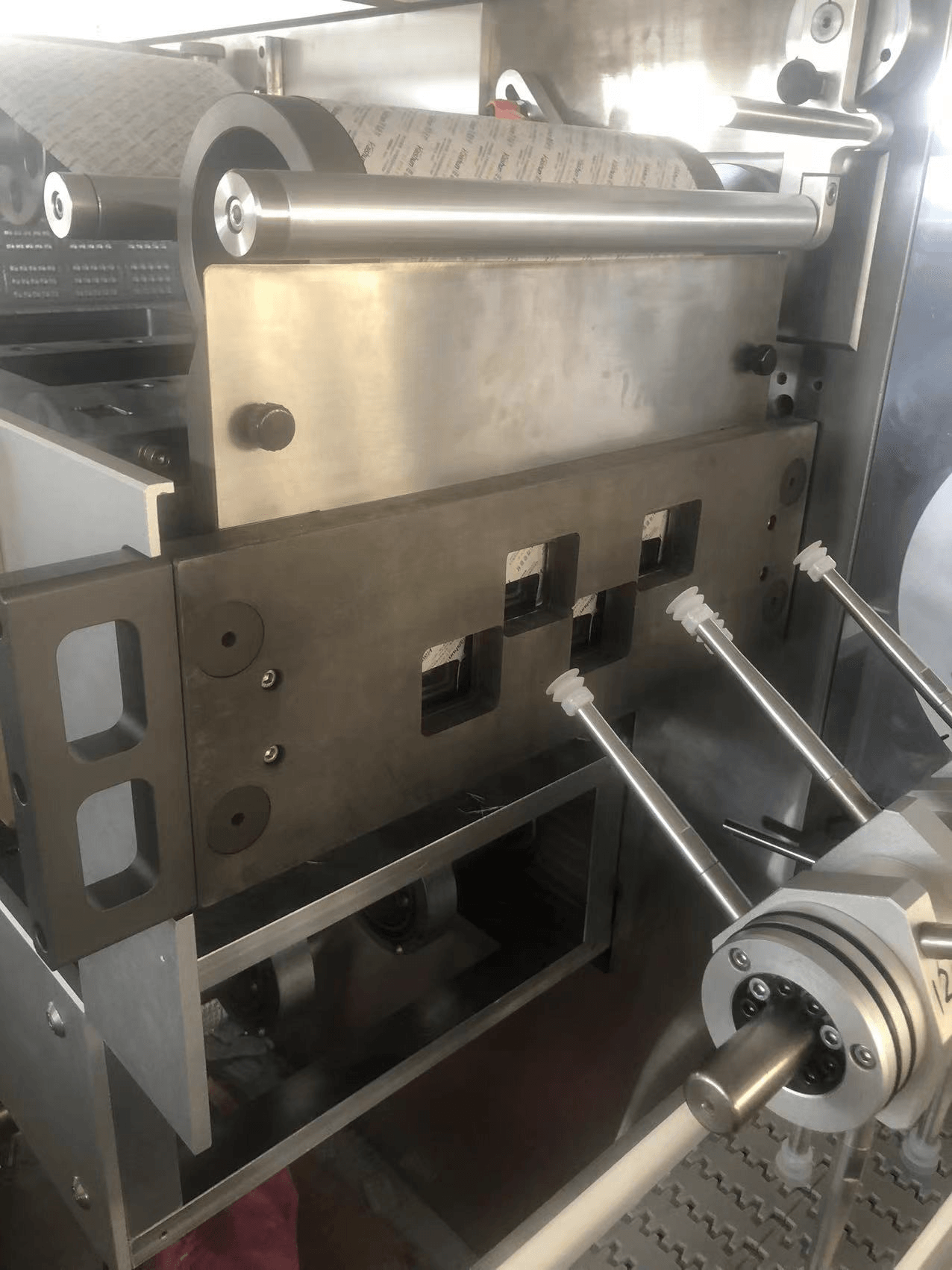
Feeding is often the first station to expose an incomplete size review. A product may fit the cavity yet fail to arrive at the right time, in the right orientation and without damage. The feeder should be selected and adjusted around the actual product, cavity pattern, line speed and permitted contact method. Manual feeding may be suitable for development or low-volume work, but it changes labour, exposure, ergonomic and acceptance assumptions.
| Product characteristic | Typical handling concern | Trial question |
|---|---|---|
| Round, free-flowing tablet | Doubles, misses, dust and bouncing between cavities. | Does the feeder fill every position through start, stable run and restart? |
| Oblong tablet or caplet | Orientation, bridging and contact with the cavity shoulder. | Can the product enter consistently without chipping or entering the seal land? |
| Hard capsule | Lengthwise orientation, shell marking, separation and static. | Does the selected feeder control the approved capsule without excessive contact? |
| Softgel | Tackiness, deformation, marking, temperature sensitivity and clumping. | Can the path handle conditioned production samples at the intended operating state? |
| Irregular or embossed dose | Unstable presentation, edge damage and difficult singulation. | Which orientation is required and how will incorrect presentation be detected? |
| Small or low-mass dose | Static, doubles, movement after placement and vision contrast. | Can filling and inspection remain reliable at the agreed cavity count and web motion? |
Ask which feeder surfaces contact the product, how they are removed and cleaned, how settings are controlled, and what components change between formats. A single adjustable feeder may cover several approved SKUs, but that must be demonstrated; it should not be inferred from a generic tablet or capsule label.
Tablets and caplets
Review tablet geometry, coating and damage risk together
Round tablets are often easier to orient than caplets, but size alone does not make them automatically easy to run. A wide flat face can bridge. A low-mass tablet can move after placement. A friable edge can chip where a guide or brush applies force. Dust can obscure vision inspection, collect on tooling or reach the seal area. Deep embossing or a score line may affect appearance criteria even when the tablet is dimensionally acceptable.
For oblong tablets and caplets, identify whether the finished blister requires a consistent direction. If orientation matters, the feeder and inspection system need a defined decision rule. If orientation does not matter, the cavity must still accept the permitted presentations without trapping the product or reducing seal land. Do not assume that turning a product ninety degrees preserves the same pitch, web use or cutting layout.
The FAT should record product damage before and after the line so that existing tablet defects are not attributed to the machine and machine-caused damage is not hidden by incoming variation. Agree how chips, cracks, coating marks, dust and incorrect presentation will be classified. Use production-representative samples because polished engineering samples can understate the difficulty of routine batches.
Hard capsules
Use the finished capsule envelope, not only the nominal shell size
A nominal capsule size is useful for identification, but the feeder and cavity interact with the assembled, filled capsule. Confirm finished length, diameter, closing position, cap/body relationship, surface condition and permitted variation. Products using the same nominal shell designation can behave differently after filling because fill material, closing, banding, printing, static and surface finish affect handling.
State whether the capsule must be aligned cap-first or body-first, merely placed lengthwise, or may appear in either direction. The answer changes feeder design and inspection. Also define whether telescoped, separated, dented or partially closed capsules must be detected before sealing. A cavity can physically contain a defective capsule without making the pack acceptable.
When tablets and capsules are planned for one line, request a format matrix. It should map each SKU to its feeder parts, forming tool, sealing tool, guides, cutting tool, code layout, inspection recipe and changeover method. The capsule blister packing machine page can start the equipment discussion, but final compatibility still requires the controlled product and pack definition described here.
Softgels and fragile products
Evaluate deformation and surface condition during real handling
Softgels can change shape under contact and may become tackier or more difficult to separate under some handling conditions. Their maximum static dimensions do not fully describe how they behave in a hopper, track or cavity. Define storage and conditioning before the trial, time out of controlled storage, acceptable contact surfaces, permitted marking and the state in which samples represent routine production.
For a compressible product, a tight cavity can create pressure or make removal difficult, while excessive space can permit movement that affects presentation or transport. The product owner and packaging engineer should assess the assembled blister, not only the open cavity. Material choice, cavity geometry, lidding construction and opening method must work together with the product’s stability and usability requirements.
Fragile or coated products need an agreed baseline. Photograph or otherwise document incoming condition, then compare product after feeding, sealing, cutting and discharge. Record rejects by reason rather than combining all loss into one percentage. This shows whether the limiting point is singulation, transfer, placement, seal contamination, inspection or downstream handling.
Materials and forming
Connect cavity size to the actual blister material route
Thermoformed polymer webs and cold-formed laminates create cavities by different mechanisms. Their material constructions, forming limits, corner behaviour, web use, appearance and protective performance are not interchangeable. A cavity that is practical in one route may require a different pitch, radius, depth or card footprint in the other. Select the package from product protection and stability evidence, then verify that the machine and tool can produce the approved design.
Do not use product size to select barrier performance. A small tablet can be highly sensitive to moisture or light, while a larger product may have a different protection need. FDA’s container-closure guidance treats the assembled packaging system as product specific and states that suitability depends on protection, compatibility, safety and performance. The short machine trial supports process evidence; it does not replace stability work for the proposed pack.
The blister packaging materials guide explains the material-selection boundary. When requesting a quote, identify the exact candidate forming and lidding structures, thicknesses or gauges, suppliers where controlled, printed or unprinted state, reel data and approved alternatives. “PVC/Alu” or “Alu/Alu” alone may not provide enough information to release tooling.
Card layout
Size the complete blister card, not one isolated cavity
The package drawing must combine product cavities with seal land, edge margin, perforation, coding, artwork, registration and cutting requirements. Cavity count and arrangement determine more than appearance: they affect web pitch, packs per index, feeder distribution, inspection positions, cutting layout, scrap and downstream cartoning. A product that fits one pocket may still produce a card that does not fit the quoted web or index configuration.
Review the complete web path from incoming material through forming, filling, sealing, coding, perforation, cutting and discharge. Define machine direction, cross direction, reel face, print orientation and how every cavity position is identified. If the card changes later, check whether the existing format parts, inspection recipe and downstream equipment remain compatible.
Keep consumer and market requirements in the drawing review. Opening method, dose presentation, child-resistant or senior-friendly features where applicable, language panels, variable data and leaflet/carton interfaces can change the usable card area. These requirements belong upstream of machine selection because they can change the format that the machine must make.
Inspection and rejection
Define defects by cavity position and prove physical rejection
Inspection must distinguish an empty cavity, double product, incorrect orientation, visible damage, foreign matter, product in the seal area, forming defect, code defect and other project-specific failures. The sensing method, lighting, contrast and recipe must be evaluated with the actual product and materials. A vision system described as “tablet and capsule inspection” is not evidence that it can detect every agreed defect on every format.
Challenge the complete decision path. The system must detect the condition, associate it with the correct web or pack position, carry that decision through stops and indexes, reject the correct physical unit, confirm rejection as specified, and control the reject container. Test start-up, steady operation, planned stop, restart, manual intervention and alarm recovery. A correct camera decision is not enough if position tracking is lost before cutting or discharge.
Under 21 CFR 211.130, written packaging procedures must address correct materials, prevention of mix-ups and cross-contamination, lot identification, examination of packaging materials and documented line clearance. Those requirements do not prescribe one camera or reject design, but they reinforce why format identification, recipe control, line clearance and batch records must be included in the project.
Multi-SKU operation
Specify the complete changeover boundary for every product size
A line that runs several products needs a controlled format matrix and a changeover procedure. List the parts removed, installed, adjusted or selected for each SKU. Include forming, feeding, sealing, guides, printing, perforation, cutting, discharge, inspection and downstream interfaces. Identify shared parts only after the supplier has confirmed them against the approved drawings.
Total changeover time begins with the last accepted pack of the previous product and ends with the first accepted pack of the next product under the buyer’s procedure. It can include material and product removal, line clearance, cleaning, part exchange, assembly verification, recipe selection, material threading, warm-up, trial packs, inspection setup and quality release. A mechanical tool-change demonstration alone is not the complete operational changeover.
21 CFR 211.67 requires written equipment cleaning and maintenance procedures, including responsibility, schedules, methods, disassembly and reassembly as necessary, removal of previous batch identification, protection of cleaned equipment and inspection before use. Buyers working under other regulations should map the equivalent applicable requirements. The supplier can make access and part handling practical, while the product owner approves the procedure and acceptance criteria.
Capacity
Calculate accepted output from the approved card and trial
Pill dimensions influence capacity indirectly through cavity layout, packs per index, feeder performance, inspection and the stable operating window. Do not compare machines using maximum strokes or cycles without the approved card. First calculate packs per cycle from the drawing, then use the verified cycle rate and the results of a representative run.
Report total units formed, total packs cut, accepted packs, rejects by reason, material scrap, product loss, stops and operator interventions. If a rejected card contains several good doses, decide how product loss is counted. If the line feeds more than one product per cavity or card, keep dose count and pack count separate.
For a wider capacity study, use the blister machine sizing guide. The equipment decision should also consider scheduled batch size, number of SKUs, changeover frequency, upstream supply, downstream cartoning and the facility’s available run time. A faster catalog cycle may deliver less accepted weekly output if the format is difficult to feed or change.
URS and quotation
Give suppliers the inputs that determine compatibility and price
- product identity, dosage-form type, approved dimension limits, drawing revision and representative samples;
- shape, coating, surface, dust, static, brittleness, tackiness, orientation and visible-defect criteria;
- proposed forming and lidding material constructions, reel data and product-protection basis;
- cavity and card drawing, cavities per card, packs per index, perforation, code and artwork areas;
- feeding mode, permitted manual touchpoints, product-contact materials and cleaning boundary;
- inspection defects, challenge method, reject tracking, reject confirmation and data requirements;
- batch size, accepted output, run duration, SKU mix and complete changeover definition;
- upstream, downstream, utility, environmental, access, ergonomic and facility constraints; and
- FAT, SAT, qualification documents, manuals, training, spare parts and lifecycle scope.
Ask for a configuration matrix rather than a yes/no compatibility statement. For each product, it should identify the approved sample or drawing, feeder, format parts, material route, inspection recipe, expected test conditions and open technical questions. This also makes quotation differences visible: one supplier may include all required format parts while another prices only a base machine.
Use the tablet blister packing machine page to review the applicable equipment family after the product and pack inputs are ready. Do not request final model selection from a pill dimension alone.
Factory acceptance
Make the FAT answer the original compatibility question
The FAT protocol should identify the approved product or justified substitute, material batches, tooling and software revisions, machine configuration, planned run states, sampling, measurement equipment, acceptance criteria, data owner and deviation process. If the final product cannot be shipped to the supplier, define what the substitute can and cannot prove and reserve the unresolved checks for site testing.
| FAT element | What to record | Why it matters |
|---|---|---|
| Input control | Product, forming web, lidding, tooling and recipe identity with quantities and batch references. | Connects the result to the quoted format. |
| Run states | Start-up, stable run, planned stop, restart, alarm recovery and end-of-run conditions. | Exposes problems hidden by a short uninterrupted demonstration. |
| Product handling | Misses, doubles, orientation, damage, dust, manual intervention and product loss. | Tests the behaviour that dimensions do not show. |
| Pack quality | Forming, seal area, code, cut, appearance and project-specific package tests by position. | Verifies the complete card, not only cavity fit. |
| Inspection and reject | Challenge result, tracking, physical rejection, confirmation and reconciliation. | Shows that defective output is controlled. |
| Output record | Cycles, packs, accepted packs, rejects by reason, scrap, stops and interventions. | Makes capacity and acceptance auditable. |
| Changeover | Defined start/end points, parts, cleaning, recipe and first accepted pack. | Tests the operational format-change boundary. |
The FAT demonstrates the contracted machine under agreed supplier-site conditions. It does not establish shelf life, product regulatory approval or routine performance at the buyer’s facility. SAT, qualification and process validation must close the site-specific interfaces and responsibilities.
Primary references
Use product-specific evidence and current requirements
Questions from project teams
Pill size and blister machine FAQ
What is the maximum pill size a blister packaging machine can handle?
There is no universal maximum that applies to every blister machine and format. The practical limit depends on the product envelope, cavity and card drawing, forming material, web width and index, feeder, sealing and cutting configuration. Ask the supplier to approve your drawing and samples in writing.
Can one blister machine run both tablets and capsules?
It may, when the quoted platform and its format parts support each approved product. Tablets and capsules can require different feeders, cavities, guides, inspection recipes and change parts. Confirm every SKU in a configuration matrix and demonstrate the required formats during acceptance testing.
Is a capsule size number enough to select the machine?
No. Use the finished filled-capsule dimensions, closing position, surface condition, permitted variation and orientation requirement. Products with the same nominal shell size can behave differently because filling, closing, printing, static and surface finish affect handling.
How much clearance should a blister cavity have around a tablet?
Do not apply one fixed clearance to every product. Cavity geometry should be justified from the approved product envelope, material-forming behaviour, insertion path, product movement, seal land, demoulding, opening method and trial evidence.
Are softgels harder to feed than tablets?
They can require different handling because they may deform, mark, become tacky or clump under some conditions. Evaluate production-representative samples after defined storage and conditioning, and agree the acceptable product condition before the trial.
What samples should I send for a pill-size compatibility review?
Send representative samples from relevant batches together with the approved product drawing and specification. Include the dosage-form type, dimension limits, shape, coating, handling risks, required orientation, candidate blister materials, card concept and expected batch output.
What should the FAT prove for each pill format?
The FAT should use the agreed product or justified substitute, materials, tooling and recipe to demonstrate feeding, forming, sealing, coding, cutting, inspection, rejection, accepted output and the planned run states. Record results, rejects, stops and interventions by the agreed method.
What information is needed for a blister machine quotation?
Provide product drawings and samples, blister materials, cavity and card layout, feeding and inspection needs, batch and accepted-output targets, SKU and changeover plan, facility interfaces, FAT criteria and documentation scope. These inputs allow a supplier to quote the relevant configuration instead of guessing from pill size.
Send the product envelope and card concept for a format review
Share controlled dimensions, representative samples, dosage-form behaviour, candidate materials, cavity/card drawing, accepted output and FAT expectations. HIJ can review the equipment and tooling boundary and identify the missing inputs before a quotation is finalized.
About this guide: prepared for product, packaging, engineering, quality and procurement teams defining tablet, capsule and softgel blister formats. It supports equipment and tooling discussions; it does not approve a product, package, process or regulatory submission.