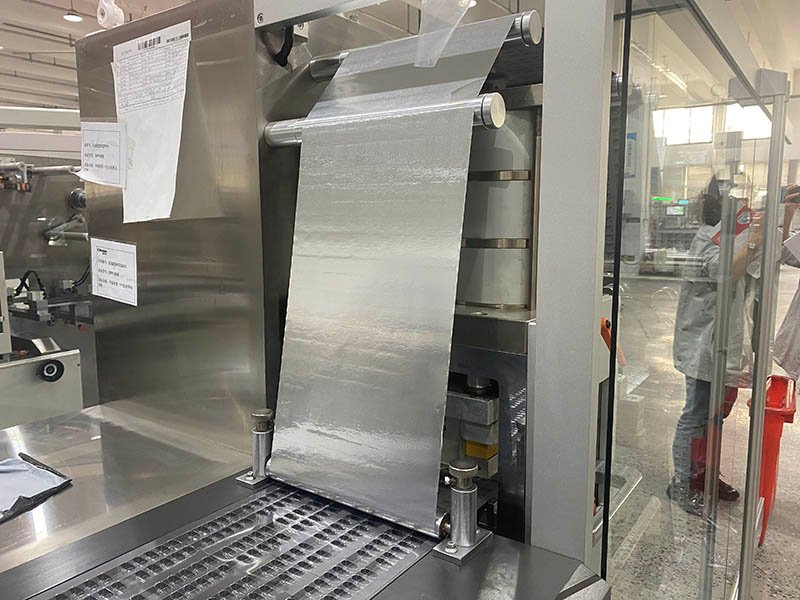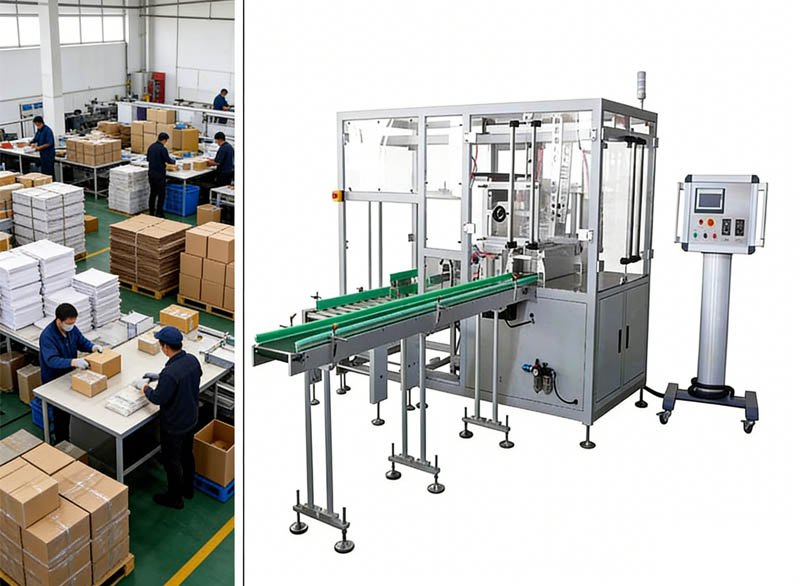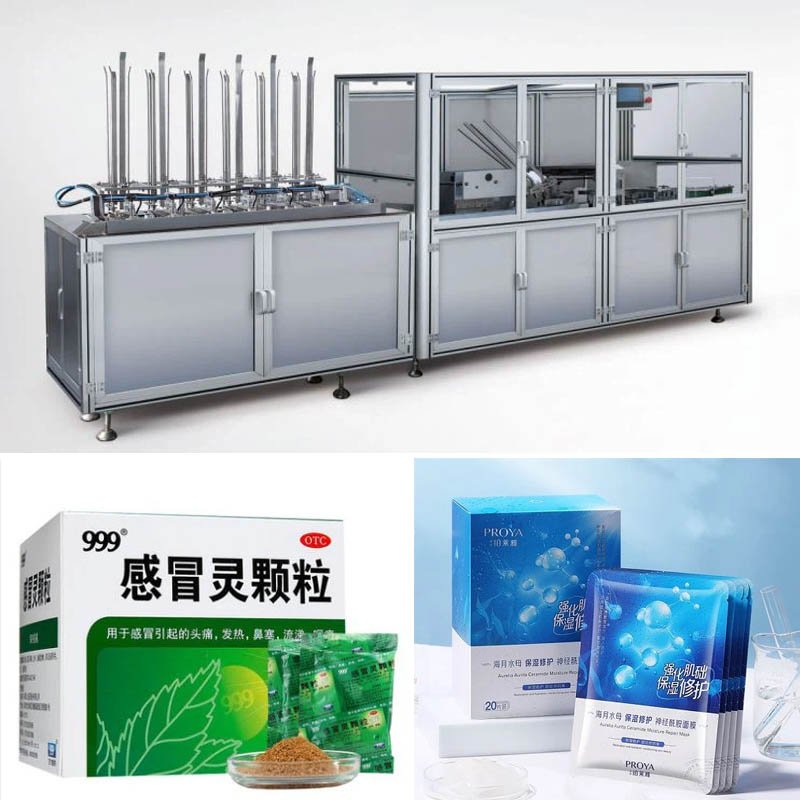
There is no automatic winner between Chinese and European capsule filling machines. Compare the exact application, delivered configuration, sustained trial evidence, qualification documents, service coverage and total project cost. European suppliers may justify a premium where nearby field service, a long installed base or a specialized platform is decisive. A qualified Chinese supplier may offer better capital allocation and direct factory access when the buyer controls FAT, documentation and support terms.

Start with one normalized requirement—not a country label
A country-level comparison becomes misleading when one quotation is a base machine and the other includes format parts, feeders, polishing, controls, documentation and site service. First issue the same user requirement specification to every vendor. Then ask each supplier to identify inclusions, exclusions, assumptions and deviations in writing.
| Comparison axis | What must be held constant | Evidence to request |
|---|---|---|
| Product and dose | Capsule supplier/size, fill material, target dose, tolerance and product behavior | Representative trial, raw samples and the agreed calculation method |
| Useful output | Good capsules per hour or shift at the agreed product and inspection conditions | Sustained FAT run with stops, rejects and adjustments recorded |
| Delivered scope | Machine, dosing module, format sets, feeders, polisher, extraction and inspection | Itemized bill of supply with named options and exclusions |
| Controls | User access, recipes, alarms, records, data interfaces and line signals | Functional specification plus witnessed challenge tests |
| Quality package | Drawings, certificates, manuals, FAT and qualification support | Document index agreed before purchase |
| Commercial boundary | Incoterm, taxes, freight, insurance, installation, travel and training | Written commercial schedule and responsibility matrix |
If the application itself is not yet fixed, start with the automatic capsule filling machine overview and the detailed explanation of how the rotary filling cycle works.
Where an established European supplier may justify the premium
Service proximity
A dense regional field-service organization can reduce travel time and simplify escalation. Its value rises when the line is highly utilized, the plant lacks in-house maintenance depth or downtime has an unusually high business impact.
Installed-base familiarity
Long-established platforms may already fit corporate standards, spare-parts systems, approved drawings and technician training. Reusing that ecosystem can reduce internal project work even when it does not change the filling principle.
Specialized requirements
Some projects need a particular containment concept, data architecture, high-output platform or globally standardized service agreement. Evaluate the exact offered solution; do not assume every supplier in a region provides the same capability.
Financing and asset policy
Brand-recognized assets may fit an organization’s financing, depreciation, resale or global procurement rules. Treat these as commercial requirements and price them openly instead of hiding them inside “quality.”
Where a qualified Chinese supplier may create more value
A lower factory price is only useful when the delivered machine meets the application and the support plan is credible. When those conditions are proven, the remaining budget can cover format sets, auxiliaries, inspection, downstream packaging, validation work or capacity redundancy.
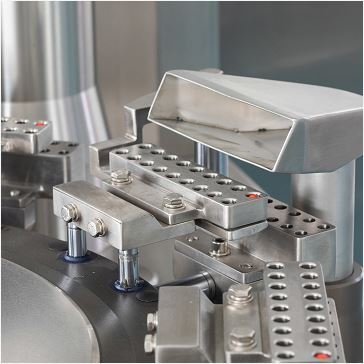
- Direct engineering access: factory-level communication can shorten application and modification decisions when the named engineering team is available before and after the order.
- Capital allocation: an itemized lower investment can fund the complete production cell rather than leaving critical tooling or downstream equipment outside the project.
- Configuration flexibility: custom hoppers, interfaces, utilities and layouts may be easier to discuss directly, but every deviation still needs a controlled drawing and acceptance test.
- Integrated sourcing: one supplier can coordinate the filler with polishing, inspection and turnkey packaging-line interfaces, provided responsibility at each handover is written down.
Component origin is not the same as machine capability
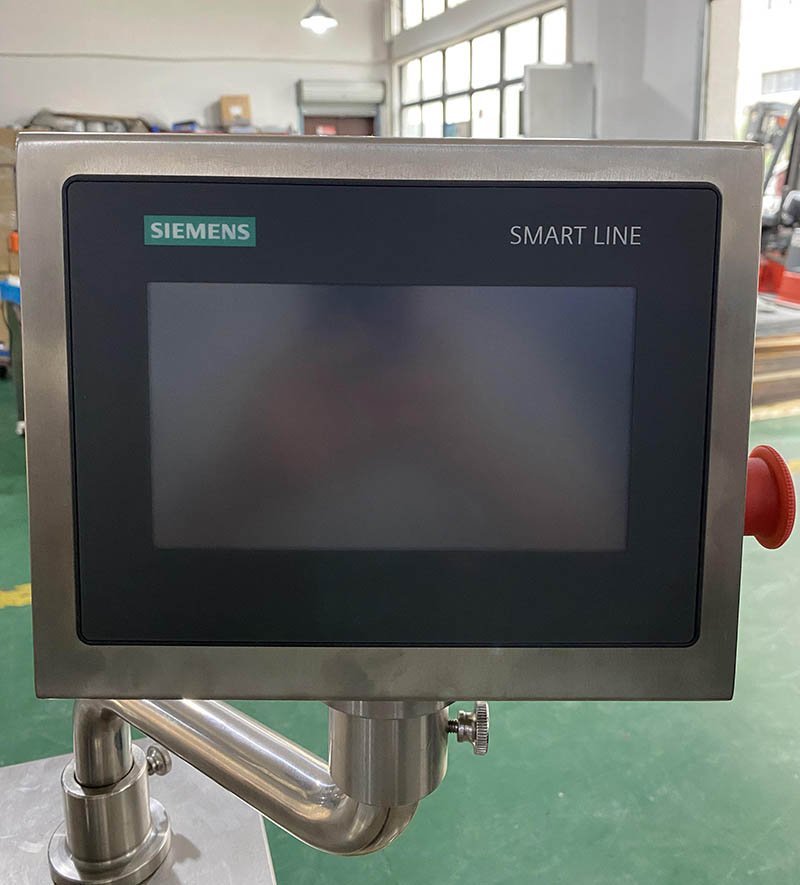
Two suppliers can name the same PLC, sensor or stainless-steel grade and still deliver different access, software, wiring, guarding, cleaning, tolerance control and documentation. A bill of materials is useful, but the assembled system and its evidence are what the buyer must accept.
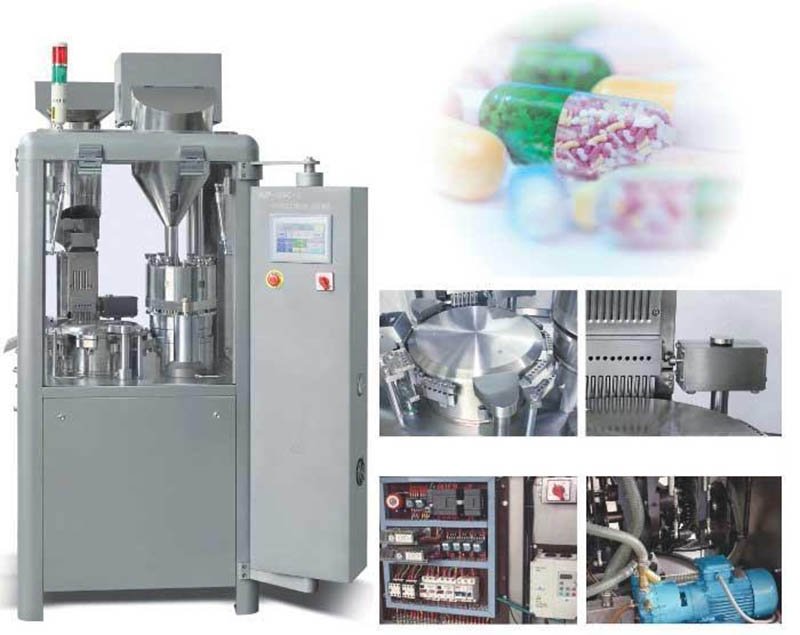
- Mechanical build: cam/indexing arrangement, lubrication, segment alignment, access and guarding.
- Product path: contact surfaces, dosing module, rejection, dust control and cleaning access.
- Electrical build: drawings, labeling, spare capacity, safety circuit and site-standard compliance.
- Control behavior: alarms, interlocks, recipes, user access, records and interface signals.
- Changeover: required tools, protected settings, verification steps and actual elapsed time.
- Maintainability: wear-parts list, recommended stock, diagnostic access and training scope.
Regulatory expectations: suitability and qualification, not nationality
For pharmaceutical use, origin does not replace the site’s responsibility to establish that equipment is suitable for its intended operation and can be cleaned and maintained. The US requirement is expressed in 21 CFR 211.63. The European Commission’s EudraLex Volume 4 includes Annex 15 on risk-based qualification and validation.
Neither reference turns a country name into approval. The buyer must define intended use, assess supplier evidence, approve the design, execute the necessary qualification and control the equipment through its lifecycle. Use the capsule filling machine GMP validation guide to convert that responsibility into a document and test plan.
Calculate total project cost instead of using a price multiplier
A fixed “Chinese machines cost X times less” claim is not reliable because speed class, dosing route, format count, controls, documentation and service differ. Build the comparison from the same cost buckets.
| Cost bucket | Include before comparing | Hidden-cost warning |
|---|---|---|
| Acquisition | Base machine, dosing configuration, format parts and required auxiliaries | A low base price with essential options omitted |
| Delivery and startup | Freight, insurance, duties, rigging, utilities, installation and training | Travel and local labor excluded from the headline price |
| Qualification | Document preparation, review, FAT, deviations, IQ/OQ and site execution | Generic templates that do not match the delivered machine |
| Operation | Labor, yield loss, cleaning time, changeover and consumables | Using rated output instead of sustained good output |
| Maintenance | Preventive parts, critical spares, service, travel and software support | No agreed dispatch or escalation route |
| Downtime exposure | Expected response, local skills, redundancy and business impact per event | Assuming nearby service always means immediate recovery |
Use the automatic capsule filling machine price guide to create an itemized comparison without relying on unsupported regional averages.
Service due diligence for a remote supplier
Distance is a real project variable. It should be specified rather than argued away. Ask each supplier—Chinese or European—to answer the same support questions in the quotation or service agreement.
Before shipment
- Who owns application review and unresolved deviations?
- Which FAT tests use the buyer’s materials?
- Which documents are approval items before release?
- What payment milestone follows accepted evidence?
After shipment
- Support hours, languages and escalation contacts
- Remote diagnostic method and site access rules
- Critical-spares recommendation and dispatch terms
- On-site rates, travel responsibility and regional capability
A practical decision framework
| If this condition dominates | Rational evaluation route |
|---|---|
| Existing global corporate standard | Price the value of reusing approved platforms, documents, training and spares before introducing another supplier. |
| High downtime cost and limited site skills | Give service response, regional field capability and spares access more weight than initial price. |
| Budget must cover the complete line | Compare the Chinese route only after the full configuration, FAT, documents and support plan are included. |
| Multiple SKUs and frequent changeover | Witness an actual changeover and cleaning sequence; country and rated speed do not answer this requirement. |
| New or difficult formulation | Prioritize representative material trials and dosing evidence over supplier reputation. |
| Regulated pharmaceutical project | Approve the document index, risk assessment, configuration and qualification boundary before purchase. |
Frequently asked questions
Are Chinese capsule filling machines lower quality than European machines?
Not by definition. Quality varies by supplier, model, configuration and build control in every market. Compare the exact mechanical and electrical construction, application trial, sustained results, documentation, changeover, maintainability and support terms. Country reputation cannot substitute for that evidence.
Why do European capsule filling machines often cost more?
The premium may reflect regional field service, installed-base history, corporate-standard documentation, specialized platforms, financing and brand value as well as manufacturing cost. Normalize the complete delivered scope and service boundary before deciding how much of that premium benefits your project.
Can a Chinese-made capsule filler be used in regulated pharmaceutical production?
It can be considered when the equipment is suitable for the intended use and the buyer’s quality system approves the supplier, design, documentation, testing and lifecycle controls. Country of origin is not a replacement for risk assessment, qualification, cleaning, maintenance, calibration and process evidence.
What should be identical when comparing Chinese and European quotations?
Use the same capsule and fill application, sustained good-output requirement, dosing route, format sets, auxiliaries, controls, data interfaces, documents, FAT method, site services, Incoterm and warranty/support boundary. Record every deviation so the price comparison remains meaningful.
When is nearby field service worth paying more for?
Its value rises when the line is highly utilized, downtime has a high business impact, the site has limited maintenance capability, or corporate response requirements are strict. Compare committed response and escalation terms, because geographic proximity alone does not guarantee parts availability or immediate recovery.
Send your capsule format, fill material, dose, sustained output, utilities, control requirements, document list and service expectations. HIJ will return an itemized scope you can normalize against another quotation.
Request an Itemized Comparison